


If you’re looking to charge your electric vehicle at home, you’ll want to know who makes home charging EV stations. With the rise of electric vehicles, several companies have stepped up to provide reliable and efficient charging solutions. In this article, we’ll explore the top manufacturers, key features, installation considerations, and more, helping you make an informed choice for your home charging needs.
Key Takeaways
- ChargePoint, Electrify America, and Siemens are among the top manufacturers of home EV charging stations.
- Home charging stations come with smart features like remote access and scheduling.
- Charging speed varies significantly between Level 1 and Level 2 chargers, affecting how quickly you can power up your EV.
- Proper installation is crucial; consulting a licensed electrician is recommended to meet safety standards.
- Investing in a home charging station can lead to long-term savings on fuel and maintenance costs.
Leading Manufacturers Of Home Charging EV Stations
So, you’re thinking about getting a home EV charger? Awesome! But with so many options out there, it can be tough to know where to start. Let’s take a look at some of the big names in the home charging game. These companies have been around the block, and they’re known for making reliable and innovative products.
ChargePoint
ChargePoint is a major player, and they’re pretty much all about EV charging. They don’t dabble in other stuff; they’re 100% focused on this. Their home charging stations are known for being user-friendly and well-designed. The ChargePoint Home 25, for example, works with any EV that uses the standard SAE J1772 connector. It’s also weather-resistant, so you can install it indoors or outdoors. Plus, it’s a "smart" charger, meaning it connects to your Wi-Fi for things like scheduling charging and getting updates.
Electrify America
You might know Electrify America from their public charging stations, but they also make a solid home charger called the HomeStation. One of the cool things about the HomeStation is its long cable – 24 feet! That makes it easier to reach your car, even if the charger isn’t right next to where you park. It can also be adjusted to fit your home’s electrical setup, which is nice. Electrify America’s HomeStation Level 2 EV charger is also ENERGY STAR certified, and it meets UL safety standards, so you know it’s been tested and approved.
Siemens
Siemens is a huge company that makes all sorts of electrical equipment, and they’ve got a line of EV chargers too. Their chargers are known for being reliable and well-built. If you’re looking for a trusted brand with a long history in the electrical industry, Siemens is definitely worth considering. Schneider Electric is another company with a long history in the electrical supply equipment industry, and they were one of the early pioneers of EV charging station technology. Their Schneider Electric EVlink EV230WS charging station safely and reliably delivers 7.2 kW of AC power to the vehicle’s on-board charger.
Innovative Features Of Home Charging Stations
Home charging stations aren’t just about plugging in and waiting anymore. They’re packed with features that make charging easier, safer, and smarter. It’s pretty cool how far they’ve come!
Smart Charging Capabilities
Smart charging is where it’s at. These stations can connect to your Wi-Fi, letting you control them with an app. You can schedule charging for off-peak hours to save money, get notifications when your car is fully charged, and even track your energy usage. Some stations also offer over-the-air updates, so they’re always improving. It’s like having a mini-computer for your car’s power supply. For example, the ChargePoint Home offers networked wifi for easy access.
Safety Certifications
Safety is a big deal when you’re dealing with electricity, and home charging stations don’t skimp on it. They’re tested and certified to meet UL standards, which means they’ve been put through the wringer to make sure they’re safe to use. This includes protection against overcurrent, overvoltage, and ground faults. Plus, many stations have weather-resistant enclosures, so you can install them indoors or outdoors without worry.
User-Friendly Designs
No one wants a complicated charging station. That’s why manufacturers are focusing on user-friendly designs. This means easy-to-read displays, simple controls, and intuitive apps. Some stations even have extra-long cables, like the Electrify America HomeStation, so you don’t have to park perfectly to reach the charger. The goal is to make charging your EV as simple as plugging in your phone. The 20/30/40kW Floor-Standed DC Charging Station offers efficient charging solutions for your convenience.
Comparing Charging Speeds And Power Outputs
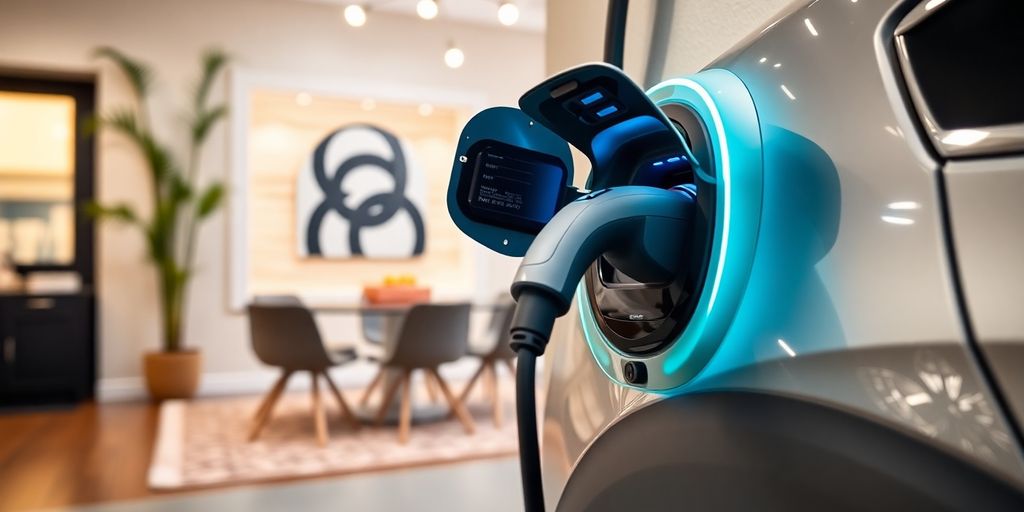
It’s easy to get lost in the numbers when you’re looking at EV chargers. Let’s break down what those numbers actually mean for your charging experience. Understanding the differences in charging speeds and power outputs is key to picking the right home charging station.
Level 1 vs Level 2 Chargers
Level 1 chargers come standard with most EVs. They plug into a regular 120V outlet. They’re convenient, but super slow. You’ll only get a few miles of range per hour of charging. Level 2 chargers, on the other hand, use a 240V outlet – like the one your dryer uses. This gives you significantly faster charging speeds. Most people opt for Level 2 for home charging because it’s way more practical.
Charging Time Estimates
Charging time depends on a few things: the charger’s power output, the car’s battery capacity, and how empty the battery is to start. A Level 1 charger might take 20+ hours to fully charge an EV, while a Level 2 charger can do it in 4-8 hours. To calculate charging times for EV batteries, you can use this formula:
Charging Time (hours) = Battery Capacity (kWh) / Charger Power (kW)
Keep in mind that these are estimates. Actual charging times can vary based on temperature and other factors.
Power Output Variations
Level 2 chargers come in different power outputs, usually ranging from 3.7 kW to 19.2 kW. The higher the power output, the faster your car will charge – assuming your car can handle that much power. Some older EVs have a maximum charging rate that’s lower than what some chargers can provide. So, it’s important to check your car’s specs before buying a charger. Also, remember that the efficiency of charging can be affected by the charger’s quality and the car’s charging system.
Here’s a quick comparison table:
| Charger Level | Voltage | Typical Power Output | Miles of Range per Hour (Estimate) |
|---|---|---|---|
| Level 1 | 120V | 1.4 kW | 3-5 |
| Level 2 | 240V | 3.7 kW – 19.2 kW | 12-60 |
Installation Considerations For Home Charging Stations
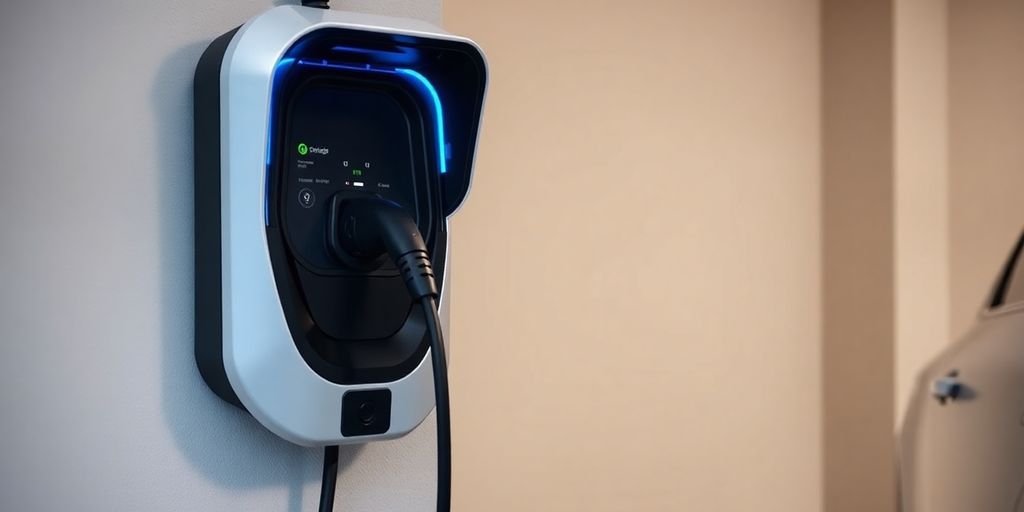
So, you’re thinking about getting a home EV charger? Awesome! But before you jump in, there are a few things to keep in mind about getting it all set up. It’s not always as simple as plugging something into the wall. Let’s break it down.
Electrical Requirements
First things first, you gotta check your home’s electrical panel. Most Level 2 chargers need a 240V circuit, similar to what your dryer or oven uses. You’ll need to make sure your panel has enough capacity to handle the extra load. If your panel is old or already maxed out, you might need to upgrade it, which can add to the overall cost. Also, think about the amperage. Some chargers can be configured to different amperage levels (like 16, 32, or 40 amps) to fit your home’s electrical capabilities. Your home charging system should be compatible with your electrical setup.
Professional Installation Recommendations
While some people might be tempted to DIY the installation, it’s generally a good idea to hire a qualified electrician. They can make sure everything is wired correctly and safely, and they can also help you choose the right charger for your needs. Plus, they’ll know about local codes and regulations. Messing with electrical wiring can be dangerous, so it’s best to leave it to the pros. A Smart Charge America advisor can help determine the best NEMA plug for your home.
Permitting and Regulations
Depending on where you live, you might need to get a permit before installing a home EV charger. Check with your local city or county to see what the requirements are. Some areas have specific regulations about where you can install the charger, how it needs to be wired, and what kind of safety features it needs to have. Getting the necessary permits can take some time, so it’s best to start the process early. Don’t skip this step – you don’t want to get fined or have to redo the installation later!
Cost Factors In Home Charging Station Purchases
Alright, let’s talk about the money side of things when it comes to getting an EV charger for your home. It’s not just about the cool tech; it’s about what it’s going to cost you, both upfront and down the road. It’s more than just the sticker price, so let’s break it down.
Initial Purchase Price
The first thing you’ll see is the price tag on the charging station itself. These can vary quite a bit. You can find basic Level 2 chargers for a few hundred dollars, while fancier ones with all the bells and whistles can run you over a thousand. The ChargePoint Home, for example, has a specific price point. Features like smart capabilities, longer cords, and weatherproofing all add to the cost. Keep an eye out for sales and rebates, too – they can make a big difference.
Installation Costs
Okay, so you’ve got your charger. Now you need to get it installed. Unless you’re super handy with electrical work (and even if you are, it’s often best to leave this to the pros), you’re going to need to hire an electrician. Installation costs can vary widely depending on your home’s electrical setup.
Here’s a few things that can affect the price:
- How far the charger is from your electrical panel
- Whether you need to upgrade your panel
- Permitting fees in your area
Generally, you’re looking at somewhere between $500 and $2,000 for installation, but it could be more if you need major electrical work. Getting a few quotes is always a good idea. Remember that installing a home electric car charging station can have variable costs.
Long-Term Savings
Now for the good news! While there’s an initial investment, you can save money in the long run by charging at home. Think about it: you’re skipping the gas station and plugging in during off-peak hours when electricity rates are lower. Plus, you might be eligible for tax credits or rebates that can help offset the initial costs. Over time, these savings can really add up. Also, consider these points:
- Lower fuel costs compared to gasoline vehicles
- Potential for increased home value
- Reduced maintenance costs on your EV compared to gas cars
Environmental Impact Of Home Charging Stations
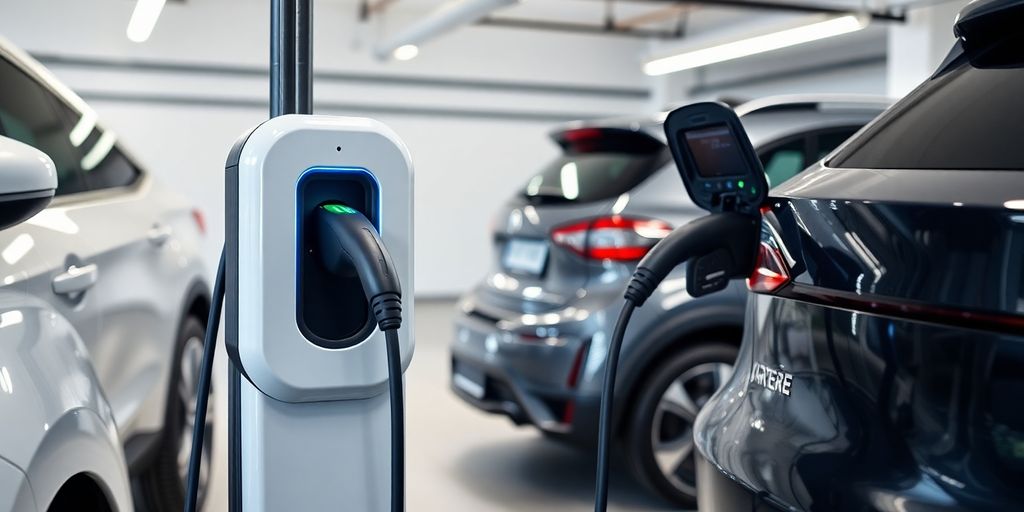
Reduction In Carbon Footprint
Switching to electric vehicles and using home charging stations can really cut down on your carbon footprint. It’s not just about the car itself; it’s also about where the electricity comes from. If you’re charging your EV with renewable energy, you’re basically driving on sunshine or wind! This is a big deal because transportation is a major source of pollution. By choosing an EV and charging it at home, you’re making a choice to pollute less. Plus, EVs don’t have tailpipe emissions, which means cleaner air in your neighborhood. It’s a win-win for you and the environment. You can find more information on EV charging station technology online.
Use Of Renewable Energy
One of the coolest things about home charging is that you can pair it with renewable energy sources. Imagine having solar panels on your roof and using that energy to charge your car. It’s like being completely self-sufficient and emission-free! Even if you don’t have solar panels, many utility companies offer green energy plans where they source a portion of their electricity from renewable sources. By opting into one of these plans, you can ensure that your EV is powered by clean energy. It’s a great way to support renewable energy and reduce your impact on the planet. Here’s a few things to consider:
- Solar Panel Integration: Combine home charging with solar panels for maximum environmental benefit.
- Green Energy Plans: Opt for utility plans that source electricity from renewable sources.
- Government Incentives: Take advantage of rebates and tax credits for renewable energy installations.
Sustainability Practices
Beyond just reducing emissions, there’s a growing focus on sustainability in the manufacturing and operation of EV charging stations. Companies are starting to use more recycled materials in their products and are designing them to be more energy-efficient. Some are even implementing programs to recycle old charging stations and batteries. It’s all about creating a circular economy where resources are reused and waste is minimized. Plus, many companies are working to reduce the energy consumption of the charging stations themselves, making them even more environmentally friendly. You can also look into EV charging stocks if you want to invest in the industry.
Future Trends In Home Charging Technology
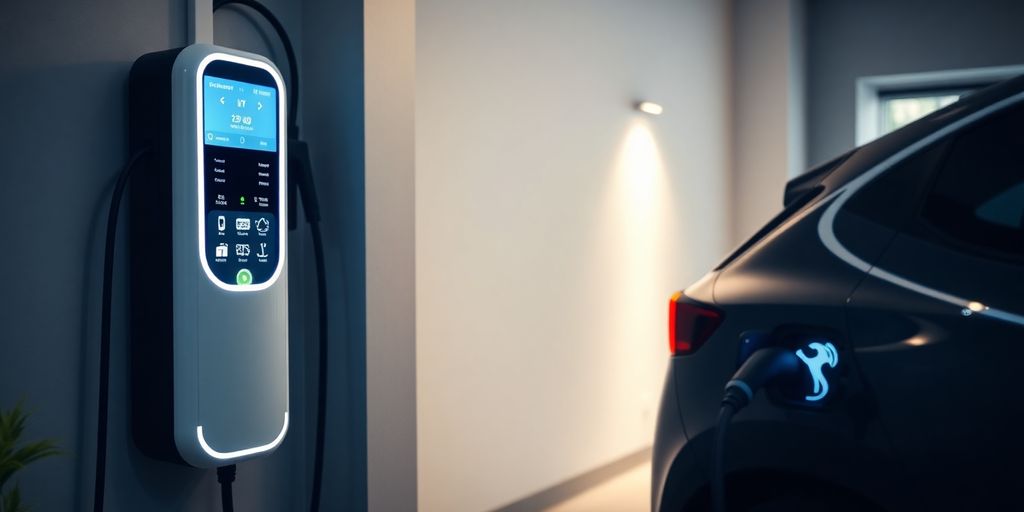
Home charging is evolving fast! It’s not just about plugging in anymore; it’s about smarter, more efficient, and more convenient ways to power up your EV. Let’s look at what’s coming down the road.
Wireless Charging Innovations
Imagine just parking your car in your garage and it starts charging automatically, no cables needed! That’s the promise of wireless charging. While still in development, wireless charging pads are becoming more efficient and affordable. This tech uses resonant inductive coupling to transfer energy, and while it’s not as fast as wired charging yet, the convenience factor is huge. We might see this become a standard feature in new homes and parking spaces soon.
Integration With Smart Home Systems
Your home charger won’t just charge your car; it’ll talk to your smart home. This means you can control your charging schedule through your voice assistant, monitor energy usage in your smart home app, and even optimize charging based on energy prices. For example, you could set your car to only charge when EV charging stocks are low, saving you money and reducing strain on the grid.
Advancements In Battery Technology
Better batteries mean faster charging and longer ranges. Solid-state batteries, for example, are promising to offer higher energy density and improved safety compared to current lithium-ion batteries. This could significantly reduce charging times at home. Also, bidirectional charging is becoming a thing, where your EV can not only draw power from the grid but also send it back. This could turn your car into a mobile power source for your home during outages or even help stabilize the grid. Imagine using your 7kW Floor-Standed AC Charging Station to both charge and discharge your EV, optimizing energy use and potentially saving money.
Wrapping It Up
In conclusion, the market for home EV charging stations is growing fast, with several companies stepping up to meet the demand. Brands like ChargePoint, Electrify America, Siemens, and Aerovironment are leading the charge, each offering unique features and benefits. Whether you need a simple plug-in option or a hardwired solution, there’s something out there for everyone. It’s clear that as more people switch to electric vehicles, having a reliable home charging station will become a must. So, if you’re considering making the switch, investing in a home charging station is definitely worth it.
Frequently Asked Questions
What are home charging stations for electric vehicles?
Home charging stations are devices that let you charge your electric vehicle (EV) at home. They connect to your home’s power supply and provide a faster charge than regular outlets.
How do I choose the right home charging station?
When picking a charging station, consider the power level you need, the type of EV you have, and whether you want smart features like scheduling or remote access.
Can I install a home charging station myself?
It’s best to hire a licensed electrician to install your charging station. They can ensure it’s set up safely and meets all local codes.
What is the difference between Level 1 and Level 2 chargers?
Level 1 chargers use a standard wall outlet and are slower. Level 2 chargers are faster and require a special outlet, usually installed by an electrician.
How much does it cost to install a home charging station?
The cost can vary, but you should budget for both the charger and the installation. On average, it can range from a few hundred to a couple thousand dollars.
Are home charging stations environmentally friendly?
Yes, using a home charging station can reduce your carbon footprint, especially if you use renewable energy sources like solar power.
