


If you’re looking into electric vehicles (EVs), you might be wondering how a 240-volt home charging option can make your life easier. With various types of EVs on the market today, knowing which ones can really benefit from this faster charging method is key. This article breaks down the advantages of 240-volt charging and identifies the types of EVs that can take full advantage of it, making your decision a bit clearer.
Key Takeaways
- 240-volt chargers significantly reduce charging time, allowing for quicker daily top-ups.
- Battery Electric Vehicles (BEVs) and Plug-in Hybrid Electric Vehicles (PHEVs) gain the most from 240-volt charging.
- Having a dedicated 240-volt circuit is crucial for safe and efficient home charging.
- Safety measures are essential to prevent overloads and ensure proper installation.
- Future EV charging technologies may enhance home charging capabilities even further.
Understanding 240-Volt Charging Benefits
Faster Charging Times
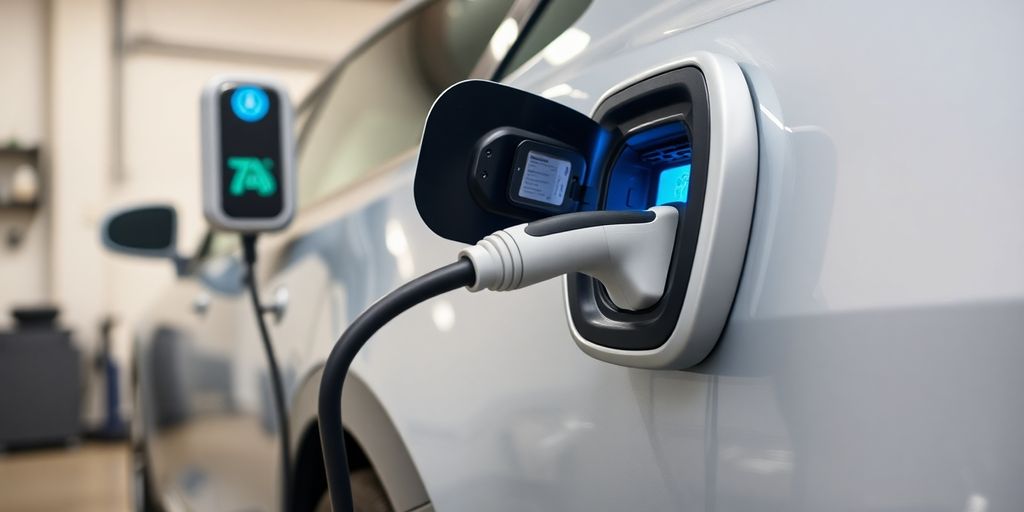
Okay, so let’s talk about why a 240-volt charger is a game-changer. The biggest win is speed. With a standard 120V outlet (Level 1 charging), you’re looking at adding maybe 3-5 miles of range per hour. That’s fine for topping off, but if you’re trying to actually charge your EV overnight, it can be painfully slow. A 240V home charging station (Level 2) can add anywhere from 12 to 80 miles of range per hour. That means a full charge overnight is totally doable, even for EVs with larger batteries. Think of it this way: you plug in when you get home from work, and you wake up to a full battery. No more range anxiety!
Convenience for Daily Use
Beyond just speed, a 240V charger makes owning an EV way more convenient. Imagine you have a plug-in hybrid. With Level 1 charging, it might take all night (or longer!) to get back to full electric range. With a 240V charger, you can replenish that range in a fraction of the time. This means you can actually use the electric part of your PHEV every day, maximizing fuel savings and reducing emissions. Plus, it just simplifies your routine. No more constantly worrying about whether you have enough charge for your daily commute. You can also explore EV charging solutions for more information.
Cost-Effectiveness Over Time
Alright, so a 240V charger requires an upfront investment. You need to buy the charger itself, and you’ll probably need to hire an electrician to install a dedicated 240V circuit. But hear me out: it can actually save you money in the long run. First, faster charging means you’re using less electricity overall. It sounds counterintuitive, but it’s true. The longer your car is plugged in, the more energy it wastes just sitting there. Second, if your electric utility offers time-of-use rates, you can schedule your charging for off-peak hours, when electricity is cheaper. Over time, those savings can really add up. Plus, a properly installed 220V charging setup is safer and more efficient, reducing the risk of electrical problems and extending the life of your EV’s battery.
Types of Electric Vehicles That Benefit
Battery Electric Vehicles (BEVs)
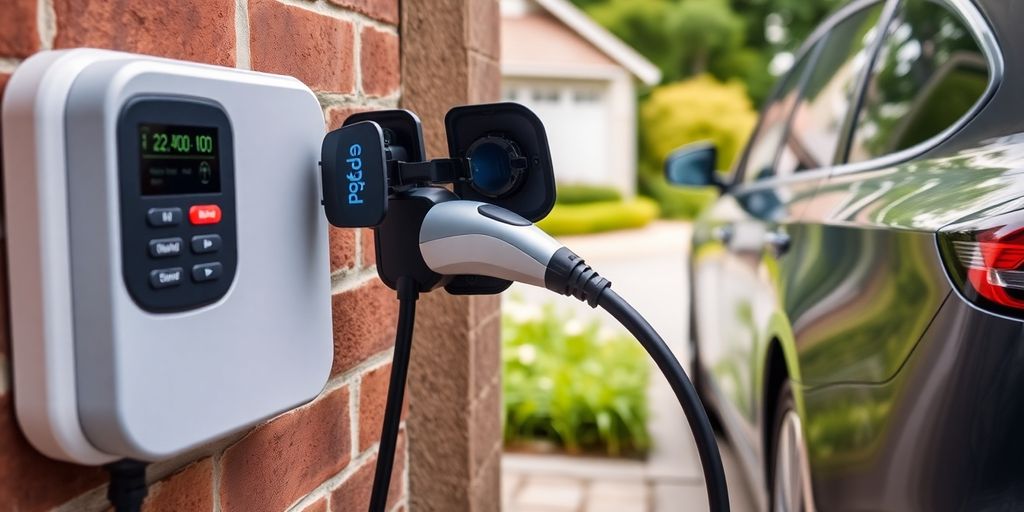
Battery Electric Vehicles, or BEVs, stand to gain the most from 240-volt home charging. These vehicles rely solely on electricity for power, making efficient charging crucial. A Level 2 charger significantly reduces charging times compared to the Level 1 option, which uses a standard 120V outlet. For example, a BEV with a 60 kWh battery might take over 24 hours to charge fully using Level 1, but a Level 2 charger could accomplish the same in around 6-8 hours. This difference is a game-changer for daily usability. If you’re looking for DC EV charging stations, Anfu has some great options.
Plug-in Hybrid Electric Vehicles (PHEVs)
PHEVs have smaller batteries than BEVs, but a 240-volt charger is still a worthwhile upgrade. While a Level 1 charger might fully replenish a PHEV’s battery overnight, a Level 2 charger can do it much faster, sometimes in as little as 2-3 hours. This allows for more frequent top-ups, maximizing the electric-only range and reducing gasoline consumption. Plus, if you unexpectedly drain the battery, the faster charging time of a Level 2 charger is a real benefit. It’s worth looking into home charging stations for your PHEV.
Commercial Electric Vehicles
Commercial EVs, such as electric vans and trucks, often have large batteries to support their demanding usage patterns. For businesses, minimizing downtime is critical, and a 240-volt charging setup is almost a necessity. Level 2 charging can allow these vehicles to be fully charged overnight, ensuring they’re ready for a full day’s work. Consider a delivery company with a fleet of electric vans; the ability to quickly recharge overnight translates directly into increased efficiency and cost savings. The initial investment in a 240V setup pays off quickly in this scenario. Here’s a quick list of benefits:
- Reduced downtime
- Increased vehicle availability
- Lower operating costs
- Enhanced driver satisfaction
Home Charging Infrastructure Requirements
Electrical Panel Capacity
Before you even think about plugging in that shiny new EV, you gotta check your electrical panel. Is it ready for the extra juice a 240-volt charger demands? Most older homes don’t have the necessary capacity without upgrades. Think of it like this: your panel is the heart of your home’s electrical system, and adding an EV charger is like asking that heart to pump a whole lot more blood. If it can’t handle it, things get ugly. A certified electrician needs to assess your panel and determine if it can handle the additional load. This assessment is not optional; it’s crucial for safety.
Dedicated Circuits
Okay, so your panel can handle the load. Great! But you’re not out of the woods yet. You can’t just plug your EV charger into any old outlet. It needs its own dedicated circuit. Think of it like this: your fridge has its own circuit, right? That’s because it’s a high-demand appliance. An EV charger is the same deal, maybe even more so. Sharing a circuit with other appliances can lead to overloading, tripped breakers, and potentially even fires. A dedicated 240V circuit ensures that your charger gets the power it needs without putting stress on other parts of your electrical system. It’s a must-have for safe and efficient charging. Using the dryer outlet might seem tempting, but it’s a recipe for disaster. Those outlets aren’t designed for the consistent, high-powered use that EV charging requires.
Professional Installation Needs
Look, I’m all for DIY projects, but installing a 240-volt EV charger is not one of them. This isn’t like hanging a picture; it involves high voltage electricity, complex wiring, and a whole lot of potential for things to go wrong. Hiring a qualified electrician with experience in EV charger installations is essential. They’ll know how to properly assess your electrical system, install the dedicated circuit, and ensure that everything is up to code. Plus, they can spot potential problems that you might miss, like corroded wiring or outdated components. Sure, it’ll cost you some money, but it’s a small price to pay for peace of mind and the safety of your home. Don’t skimp on this step; it’s not worth the risk. They can also help you understand EV charger maintenance needs.
Comparing Charging Levels for EVs
Level 1 Charging Overview
Level 1 charging is the most basic way to charge your EV. It uses a standard 120V household outlet, which means you don’t need any special equipment beyond the charging cable that comes with most EVs. It’s super convenient because you can plug in almost anywhere, but it’s also the slowest. Expect to gain only about 3-5 miles of range per hour of charging. This is fine for topping off the battery, but it might not be enough for daily commuters or anyone who drives long distances regularly. It’s like trickle-feeding your car, and you might find yourself waiting a long time for a full charge. You can find portable EV charging stations for this type of charging.
Level 2 Charging Advantages
Level 2 charging is a significant step up from Level 1. It uses a 240V outlet, similar to what your dryer or oven uses. This requires a dedicated circuit and usually professional installation, but the charging speed is much faster. You can get anywhere from 12 to 80 miles of range per hour, depending on the amperage of the circuit and the car’s charging capabilities. Level 2 is ideal for home charging because you can fully recharge your EV overnight. It’s a good balance of speed and convenience, making it the most popular choice for EV owners. Plus, it’s available at many public charging stations too. You’ll want to make sure you have the correct wiring for 220V EV chargers to make sure you’re getting the most out of this type of charging.
Level 3 Charging Limitations
Level 3 charging, also known as DC Fast Charging (DCFC), is the fastest way to charge an EV. These chargers use high-voltage direct current (DC) and can add significant range in a short amount of time – we’re talking 3 to 20 miles per minute. However, Level 3 chargers are typically found at commercial charging stations and are not suitable for home installation due to their high power requirements and cost. While they offer unparalleled speed, frequent use of DC fast charging could potentially degrade the battery over time, and they also tend to be more expensive than Level 2 charging. Think of it as the express lane for EV charging, perfect for road trips but not necessarily for everyday use. You can even find home charging stations that offer fast charging.
Safety Considerations for Home Charging
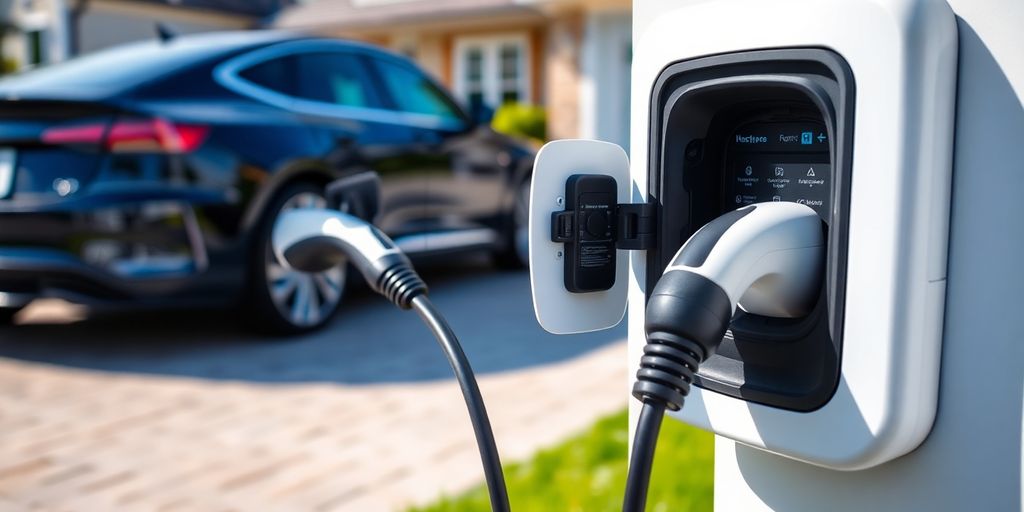
Safety is a big deal when you’re dealing with electricity and cars, especially at home. You’re plugging your vehicle into your house, so you want to make sure everything is done right. It’s not just about getting a charge; it’s about preventing fires, shocks, and other problems. Let’s look at some key safety points.
Proper Installation Techniques
Getting your 240-volt charger installed correctly is the most important thing you can do. Don’t try to DIY this unless you really know what you’re doing. Hire a certified electrician who knows about EV charger installation. They’ll make sure everything is up to code and safe. A bad install can lead to overheating, melted wires, and even fires. It’s worth the money to have it done right. Also, make sure the electrician does an EV charger load calculation to ensure your electrical panel can handle the extra juice your EV charger will need.
Avoiding Overloading Risks
One of the biggest risks with home charging is overloading your electrical system. If you’re pulling too much power, you can trip breakers, damage wires, or even start a fire. Here are a few things to keep in mind:
- Know your panel’s capacity: Before installing a charger, figure out how much power your electrical panel can handle. An electrician can help you with this.
- Dedicated circuits are a must: Your EV charger needs its own dedicated circuit. Don’t try to share a circuit with other appliances.
- Avoid extension cords: Never use extension cords with your EV charger. They’re not designed to handle that much power and can overheat.
Weatherproofing for Outdoor Use
If you’re installing your charger outside, you need to make sure it’s protected from the elements. Rain, snow, and extreme temperatures can damage the charger and create safety hazards. Here’s what to consider:
- Choose a weatherproof charger: Look for a charger that’s specifically designed for outdoor use. It should be rated to withstand rain, snow, and extreme temperatures.
- Proper enclosure: Consider installing the charger in a weatherproof enclosure to protect it from the elements.
- Regular inspections: Check the charger regularly for any signs of damage, such as cracks, corrosion, or loose wires. If you see anything, have it repaired by a qualified electrician. Also, remember to keep your EV charger maintenance up to date.
Future Trends in EV Charging Technology
Bidirectional Charging Capabilities
Bidirectional charging is about to change everything. Imagine your EV not just taking power, but also giving it back. This tech lets electricity flow both ways, turning your car into a mobile power source. You could power your home during an outage or even send energy back to the grid, potentially saving money with time-of-use rates. It’s still early days, but many car companies are investing big, with some aiming to make all their EVs bidirectional by 2026. To make it work, you’ll need a bidirectional-capable EV and a special bidirectional EV charging station. You can even pair it with solar panels for maximum impact.
Integration with Smart Home Systems
EV charging is becoming more connected. Think about integrating your charger with your smart home system. You could schedule charging during off-peak hours to save money, monitor energy usage, and even control the charger remotely. It’s all about making charging more convenient and efficient. Plus, with smart electrical panels, you can better manage your home’s energy consumption and avoid overloading circuits. It’s a pretty cool way to explore OEM products and make your home more energy-efficient.
Advancements in Charging Speed
Charging speeds are always improving. We’re talking about ultra-fast chargers that can add significant range in just minutes. While these aren’t really meant for daily use because of potential battery wear, they’re perfect for road trips when you need a quick boost. The public EV charging infrastructure is growing, but it’s not perfect. Some EV owners have reported issues with the public charging network. So, having a fast home charging option is a great backup. Level 2 charging is already pretty common, but the future is all about pushing those speeds even further. An experienced EV installer who uses the right materials and proper installation techniques can help you get set up.
Cost Implications of 240-Volt Charging
Initial Installation Costs
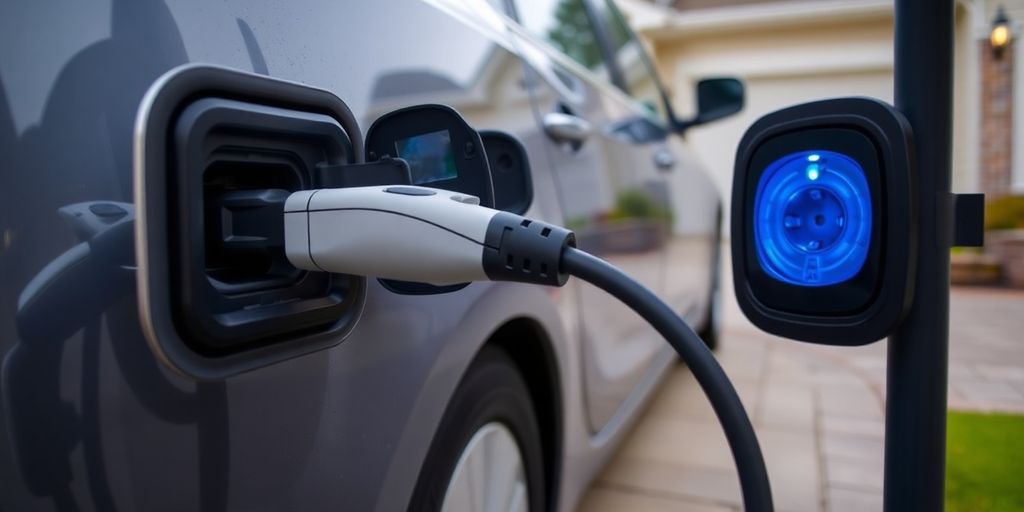
Okay, so let’s talk money. Getting a 240-volt charger installed isn’t free. You’re looking at costs for the charger itself, which can vary quite a bit depending on the brand and features. Then there’s the electrical work. This usually involves upgrading your electrical panel, running a new circuit, and having a certified electrician do the install. Don’t skimp on this part! A bad install can be dangerous and costly to fix later. The cost of public EV charging stations can be high, but home installation is usually cheaper.
Long-Term Savings on Energy
Here’s where things get interesting. While the upfront cost might sting, think about the long game. Charging at home is almost always cheaper than using public charging stations, especially those fancy DC fast chargers. Electricity rates are generally lower than what those charging networks charge per kilowatt-hour. Plus, you can take advantage of off-peak hours when electricity is even cheaper. Over time, those savings add up. It’s like buying in bulk – you pay more upfront, but you save in the long run. With residential Level 2 EV chargers, you get incredible value with long-term cost savings.
Potential Incentives and Rebates
Don’t forget to check for incentives! Many states, cities, and even utility companies offer rebates or tax credits for installing home EV chargers. These can significantly offset the initial costs. The federal government sometimes has programs too, so do your homework. A little research could save you a bundle. Think of it as free money – who doesn’t like that? Also, look into financing EV home charger installation to make the initial costs more manageable.
Wrapping It Up: The Benefits of 240-Volt Charging for EVs
So, to sum it all up, if you own an electric vehicle, a 240-volt home charging option can really make your life easier. Level 2 chargers are perfect for most EVs, letting you charge overnight and wake up to a full battery. This is especially handy for daily drivers who need that extra range without the hassle of frequent stops at public chargers. Plus, if you have a bidirectional-capable EV, you can even use that power to help your home during outages or save on energy costs. Overall, investing in a 240-volt charger is a smart move for anyone serious about their electric vehicle.
Frequently Asked Questions
What is a 240-volt home charger for EVs?
A 240-volt home charger is a charging station that plugs into a special outlet in your house. It charges electric vehicles faster than regular 120-volt outlets.
Which electric vehicles can use a 240-volt charger?
Most battery electric vehicles (BEVs) and plug-in hybrid electric vehicles (PHEVs) can use a 240-volt charger for quicker charging.
How fast can a 240-volt charger charge my EV?
A 240-volt charger can add about 12 to 80 miles of range in one hour, making it much faster than a standard outlet.
Do I need a professional to install a 240-volt charger?
Yes, it’s best to have a licensed electrician install the charger to ensure safety and proper setup.
Is it safe to charge my EV outside?
Yes, you can charge your EV outside as long as the charger is designed for outdoor use and is properly installed.
What are the benefits of using a 240-volt charger at home?
Using a 240-volt charger at home saves time, offers convenience for daily use, and can be cost-effective in the long run.
