


So, you’re thinking about charging your electric car at home, huh? It’s actually a pretty common thing to do, and a lot of EV owners find it super convenient. But with all the different options out there, like Level 1, Level 2, and even Level 3 chargers, it can get a bit confusing figuring out which home charging EV setup is right for you. Let’s break it down and see what fits your lifestyle best.
Key Takeaways
- Level 1 chargers use a regular household outlet, but they’re slow, taking over 24 hours for a full charge.
- Level 2 chargers are faster and more efficient, usually needing a special outlet or direct wiring into your home’s electrical system.
- Level 3 chargers are super fast but are generally overkill for home use and more suited for commercial settings.
- When picking a charger, think about your driving habits, budget, and whether you need a portable option.
- Installing a Level 2 charger might require a professional electrician, so factor in installation costs.
Understanding Home EV Charging Options
Level 1 Charging: The Basics
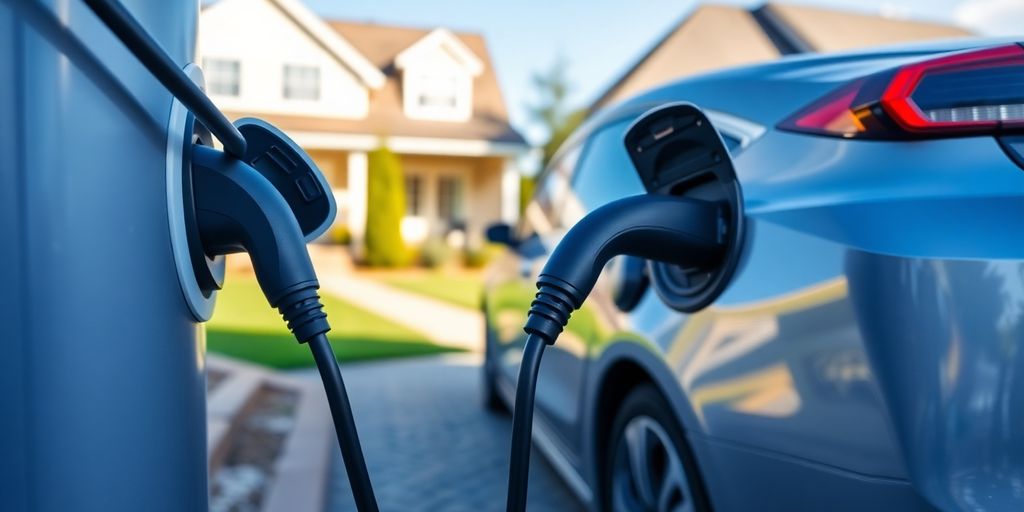
Level 1 charging is the most straightforward way to power up your electric vehicle at home. This method uses a standard 120-volt outlet, similar to what you’d plug your phone or toaster into. It’s convenient because it doesn’t require any special equipment beyond the charger that comes with your car. However, it’s slow—adding only about 2 to 5 miles of range per hour. It’s perfect for overnight charging if you don’t drive long distances daily.
Level 2 Charging: Faster and More Efficient
For those who want a quicker charge, Level 2 charging is the way to go. This option requires a 240-volt outlet, like the ones used for dryers or ovens. It can add about 10 to 60 miles of range per hour, depending on the vehicle and charger. Level 2 chargers often come with extra features like WiFi connectivity and smartphone apps to monitor charging progress. Installation can be pricier, but many find the speed and convenience worth the investment.
Level 3 Charging: Is It Necessary for Home Use?
Level 3 charging, or DC fast charging, is typically found at public charging stations and not usually recommended for home use. These chargers can juice up an EV battery to 80% in about 30 minutes. However, they require specialized equipment and a hefty electrical setup, making them impractical for most residential settings. Unless you’re running a fleet of electric vehicles from your home, Level 3 isn’t necessary for typical home charging needs.
Choosing the Right Home Charging Station
Factors to Consider When Selecting a Charger
When picking a home EV charger, it’s not just about grabbing the first one you see. There are several things you need to think about:
- Charging Speed: How fast do you need your car charged? Level 1 chargers are slow, usually adding about 3-5 miles of range per hour. Level 2 chargers are faster, offering 12-60 miles of range per hour depending on the model.
- Installation Requirements: Some chargers require professional installation, especially those that need a 240-volt outlet.
- Smart Features: Do you want to control your charging station with an app? Some chargers offer Wi-Fi connectivity for scheduling charges or monitoring energy usage.
- Budget: Chargers can range from a few hundred to a few thousand dollars. Think about how much you’re willing to spend.
Top Brands and Models to Explore
Choosing a brand can be overwhelming with so many options on the market. Here are some top picks that you might want to consider:
- ChargePoint Home: Known for its user-friendly design and smart features. It charges quickly and is compatible with many EV models.
- JuiceBox 40: Offers advanced Wi-Fi internet control and is portable, making it a flexible option for home use.
- Electrify America HomeStation: This charger is known for its speed and flexibility, with a 24-foot cable and adjustable power settings.
Installation Requirements and Costs
Installing a home charging station can be straightforward or complex, depending on the setup:
- DIY vs. Professional Installation: While some plug-in chargers are easy to set up, hardwired units usually need a pro.
- Cost Considerations: Installation costs can vary widely. A simple plug-in might cost nothing extra if you have the right outlet, but a professional install can run several hundred dollars.
- Permits and Inspections: Check if local regulations require permits or inspections for electrical work related to EV chargers.
Benefits of Home EV Charging
Cost Savings Compared to Public Charging
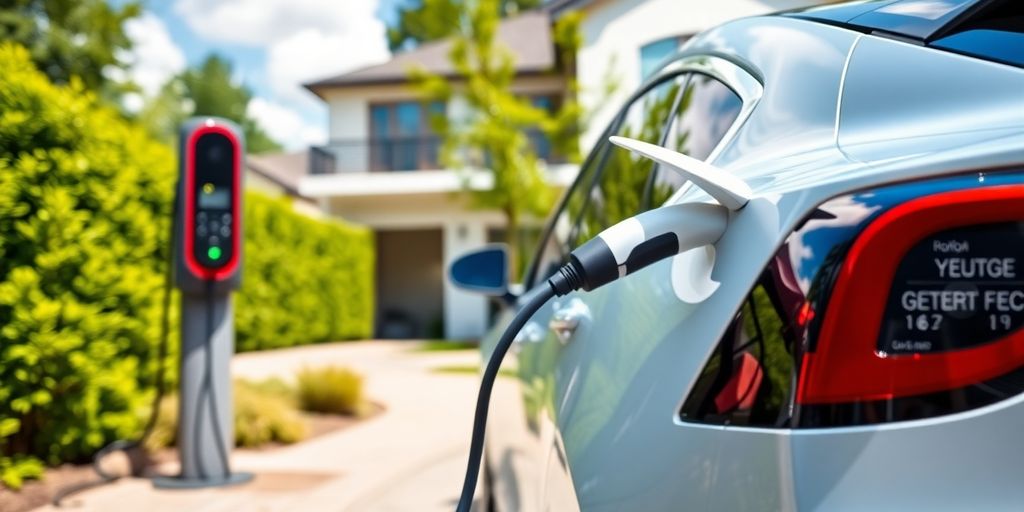
Charging your electric vehicle (EV) at home is usually cheaper than using public charging stations. When you charge at home, you can take advantage of lower residential electricity rates, especially if your utility offers off-peak pricing. This means you can save a significant amount of money over time. Plus, you avoid the extra fees that often come with public chargers, making home charging a more budget-friendly option.
Convenience and Accessibility
Home charging offers unparalleled convenience. You can plug in your car overnight and wake up to a full battery, ready for the day. There’s no need to detour to a public charging station or wait in line. You have the freedom to charge whenever it suits you, whether you’re at home relaxing or busy with other tasks. This kind of accessibility is a huge benefit for people with busy schedules.
Environmental Impact and Sustainability
Charging your EV at home can be more environmentally friendly than using public chargers, especially if you have solar panels or a green energy plan. By generating your own power or choosing renewable energy, you reduce your carbon footprint even further. Home charging also encourages the use of cleaner energy sources, contributing to a more sustainable lifestyle and helping to protect the environment.
Installation and Setup of Home Charging Stations
Do-It-Yourself vs. Professional Installation
When it comes to setting up your home EV charging station, you have two main options: DIY or hiring a professional. DIY installation can save you money, but it requires a good understanding of electrical systems. You’ll need to ensure your home’s electrical panel can handle the additional load and that you have the right tools. On the other hand, a professional installer will handle everything from permits to ensuring the setup meets local codes. This option might be pricier, but it offers peace of mind, especially if you’re not comfortable working with electrical systems.
Necessary Tools and Equipment
Before starting the installation, gather all necessary tools and equipment. Here’s a basic list:
- Voltage Tester: To ensure circuits are off before working.
- Drill and Bits: For mounting the charging station securely.
- Wire Strippers: Essential for preparing wires.
- Screwdrivers: Both flathead and Phillips for various screws.
- Level: To ensure your charging station is mounted evenly.
Having these tools ready will make the installation process smoother and safer.
Safety Tips and Best Practices
Safety should always be a priority when installing electrical equipment. Here are some safety tips:
- Turn Off Power: Always switch off power at the main panel before starting.
- Check Local Codes: Ensure your installation complies with local electrical codes.
- Use Proper Equipment: Only use tools and components that are rated for the job.
- Avoid Water: Never work in wet conditions to prevent electrical shock.
- Double-Check Connections: Ensure all connections are tight and secure to prevent any hazards.
By following these tips, you can safely install your home charging station and enjoy the convenience of charging your EV at home.
Maximizing Efficiency with Home Charging
Optimizing Charging Times and Schedules
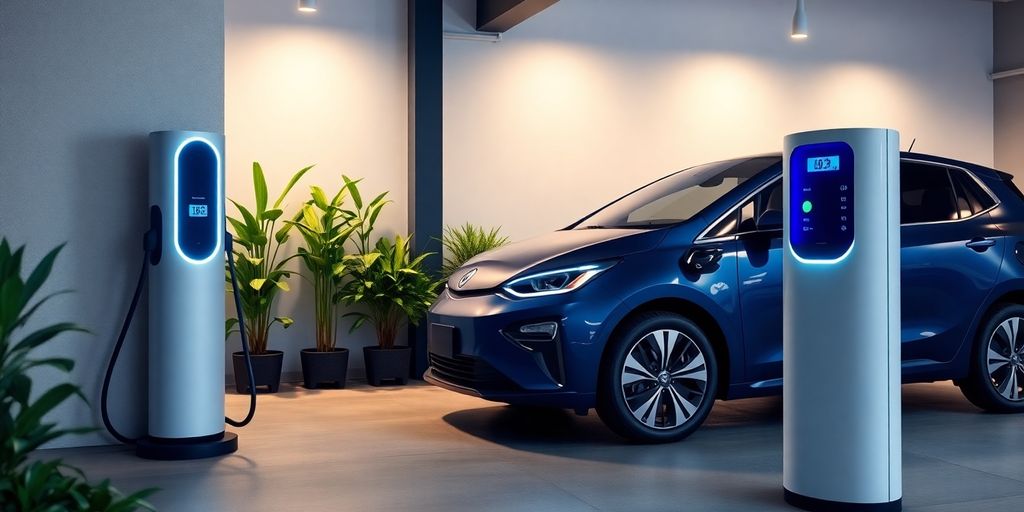
Charging your EV at home can be a game changer if you do it right. The trick is to charge when electricity rates are low, like at night. Many energy providers offer time-of-use plans, so check if you can save some bucks by plugging in during off-peak hours. Set a schedule for your charging sessions using your EV’s app or smart charger to automate this. Not only does this save money, but it also helps the grid by reducing demand during peak times.
Using Smart Charging Features
Smart chargers aren’t just fancy gadgets; they can actually make your life easier. These devices come with apps that let you track your charging history, set reminders, and even start or stop charging remotely. Some models adjust the charging speed based on your home’s energy use, ensuring you don’t blow a fuse. Plus, they can integrate with smart home systems, so you can control everything from one hub.
Maintaining Your Charging Equipment
Keeping your charging station in tip-top shape is crucial for efficiency and safety. Regularly inspect the cables for wear and tear, and keep the charging ports clean. Dust and debris can mess with the connection, so a quick wipe-down now and then is a good idea. Also, make sure the charger is securely mounted and protected from the elements, especially if it’s installed outdoors. If you notice any issues, it’s best to consult a professional to avoid any electrical hazards.
Troubleshooting Common Home Charging Issues
Identifying and Fixing Connection Problems
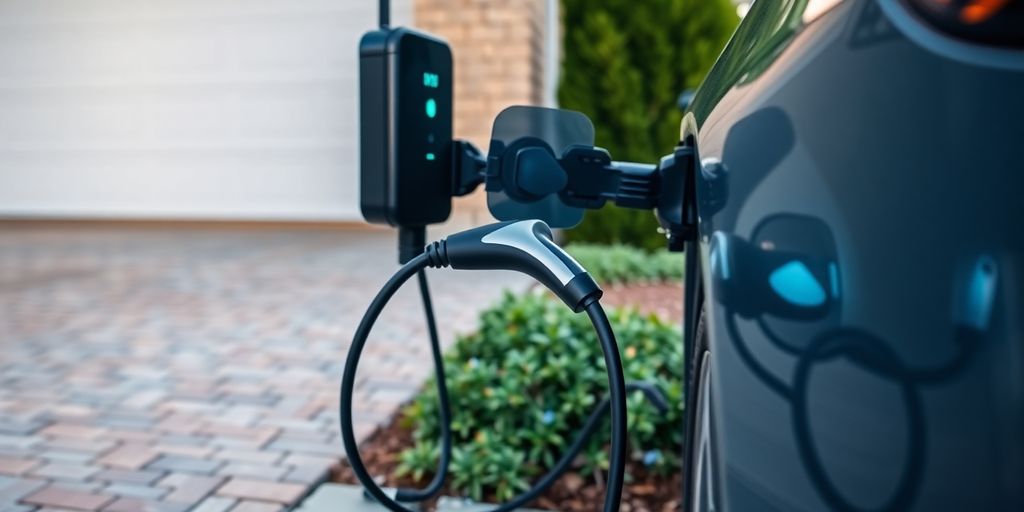
Home EV chargers can sometimes face connection issues, and it’s usually due to a few common culprits. First, check the physical connections. Make sure the charging plug is securely inserted into both your car and the charging station. Sometimes, debris or dirt can block the connection, so give both ends a quick clean. If that doesn’t work, try resetting the charger. Unplug it from the power source, wait a few seconds, and plug it back in. This simple trick often clears up minor glitches. If you’re still having trouble, inspect the charging cable for any visible damage. A frayed or broken cable can be a safety hazard and should be replaced immediately.
Understanding Error Codes and Alerts
Most modern home charging stations come with built-in diagnostics that display error codes or alerts when something’s amiss. These codes can be confusing, but they are your first clue to solving the problem. Check your charger’s manual or the manufacturer’s website for a list of error codes and their meanings. Some common issues might include overheating, where the charger limits its output to prevent damage. In such cases, ensure the charger is in a well-ventilated area. If an error code appears that you can’t resolve, it might be time to contact customer support for further assistance.
When to Call a Professional for Help
There are times when DIY fixes just won’t cut it, and calling a professional becomes necessary. If your charger consistently fails to power on or if you notice any burning smells or smoke, unplug it immediately and seek professional help. Electrical issues can be complex and dangerous, so it’s best not to take chances. Additionally, if you’ve tried all troubleshooting steps and the problem persists, a certified technician will have the tools and expertise to diagnose and fix the issue safely. Remember, it’s always better to be safe than sorry when dealing with electrical equipment.
Future Trends in Home EV Charging
Advancements in Charging Technology
Home EV charging is getting smarter and faster. Expect chargers that are more efficient and can communicate seamlessly with your car and home. We’re seeing innovations like bidirectional charging, where your car can power your home in emergencies. This tech is still in its early stages, but it’s a game-changer for energy management.
Integration with Smart Home Systems
Your charger might soon be talking to your fridge. Smart home integration means your EV charger will work with other devices to optimize energy use. Imagine your home adjusting its energy consumption based on your car’s charging schedule. This kind of integration helps save money and reduces strain on the grid during peak hours.
The Role of Renewable Energy in EV Charging
As solar panels become more common, more folks are using them to charge their EVs. It’s a perfect match: clean energy powering clean transportation. Some systems already allow you to store solar energy in your car’s battery. Plus, as battery tech improves, storing excess solar energy for later use becomes more viable, making your home charging setup even greener.
Conclusion
Choosing the right home charging station for your electric vehicle is a big decision, but it doesn’t have to be overwhelming. Whether you go for a simple Level 1 charger or a more powerful Level 2 setup, the key is to find what fits your lifestyle and budget. Remember, most EV owners do the bulk of their charging at home, so investing in a reliable system is worth it. With the right charger, you can enjoy the convenience of waking up to a fully charged car every day. So, take your time, do your research, and pick the charger that makes sense for you. Happy charging!
Frequently Asked Questions
What are the different levels of home EV charging?
Home EV charging is typically categorized into three levels: Level 1, Level 2, and Level 3. Level 1 uses a standard household outlet and is the slowest. Level 2 requires a special outlet and charges faster. Level 3 is usually for commercial use and charges very quickly.
How do I choose the right home charging station?
To choose the right home charging station, consider factors like your car’s charging capacity, installation costs, and whether you want smart features. It’s also important to check if the station is compatible with your electric vehicle.
Is it cheaper to charge an electric vehicle at home?
Yes, charging an electric vehicle at home is generally cheaper than using public charging stations. You can take advantage of lower electricity rates during off-peak hours to save even more money.
Can I install a home charging station myself?
While some people can install a Level 1 charger themselves, it’s usually best to hire a professional for Level 2 or Level 3 installations to ensure safety and compliance with local regulations.
What should I do if my home charger stops working?
If your home charger stops working, check the connections and reset the system. If the problem persists, consult the user manual or contact a professional electrician for help.
Are there any environmental benefits to charging at home?
Yes, charging your EV at home can be more environmentally friendly, especially if you use renewable energy sources like solar power. This reduces your carbon footprint and supports sustainable energy practices.
