


Figuring out which company is best for EV charging stations can feel like a big puzzle. With so many options popping up, it’s tough to know where to even start looking. This article will break down the main players in the EV charging world, look at how they stack up, and check out what’s new in charging tech. We’ll also talk about home charging and what’s happening in the market right now.
Key Takeaways
- ChargePoint has a lot of public charging spots, more than anyone else.
- Tesla is still number one for really fast charging.
- EVgo is making more money and getting bigger.
- New tech means faster and smarter ways to charge your car.
- More companies are working together to build charging stations.
Leading EV Charging Networks in the US
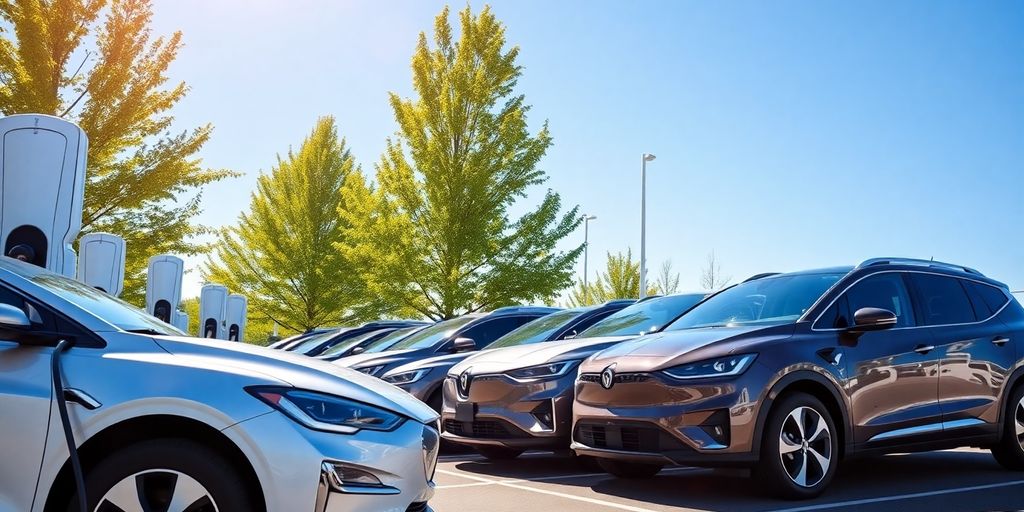
It’s tough to figure out which EV charging network is "the best," but some definitely stand out. Let’s take a look at some of the big players in the US.
ChargePoint’s Extensive Reach
ChargePoint has a huge number of charging ports and locations. They’re all over the place, making them a convenient option for many EV drivers. As of late 2021, ChargePoint had a leading share of Level 2 charging ports in the US. They had about 47,114 charging ports, which was more than half of all the Level 2 chargers available. That’s a lot!
Tesla’s Dominance in Fast Charging
When it comes to DC fast charging, Tesla is the king. Their Supercharger network is massive. Tesla accounted for a whopping 58% of all DC fast chargers in the US. That’s a pretty big lead over the competition. If you drive a Tesla, you’re probably never too far from a Supercharger.
EVgo’s Growing Revenue and Network
EVgo is another network that’s been expanding. They’re focused on DC fast charging, and their revenues have been going up as their network grows. They’re also seeing more use of their chargers and gaining more customers. It’s good to see them growing and becoming a bigger player in the EV charging world. Recent reports from Q1 2025 show that EVgo’s charging revenues are on the rise, with growth seen across the DC fast-charging network, including its size, utilization, and number of customers.
Electrify America’s Expanding Footprint
Electrify America is working to build out its charging network across the country. They’re investing a lot in new charging stations, especially along major highways. This makes it easier for people to take long road trips in their EVs. They’re definitely one to watch as they continue to expand.
Understanding Charging Network Rankings
Total Charger Ports and Locations
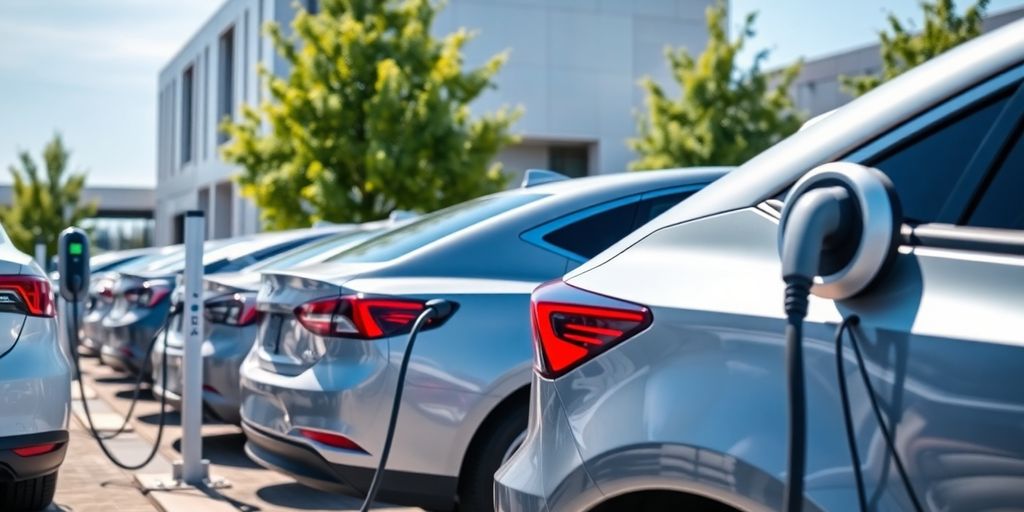
Okay, so when we talk about ranking EV charging networks, the first thing everyone wants to know is: who has the most chargers? It’s a pretty simple metric, but it gives you a good idea of overall availability. ChargePoint tends to lead the pack when you look at total charger ports and locations across all levels (Level 1, Level 2, and DC fast chargers). They’ve got a huge presence, which means you’re more likely to find one when you need it.
DC Fast Charging Network Analysis
Fast charging is where it’s at if you’re on a road trip or just need a quick top-up. Tesla’s Supercharger network usually dominates in this category. They’ve invested a ton in building out a reliable and widespread fast-charging infrastructure, which gives them a significant edge. But Electrify America and EVgo are also making big moves in this space, so it’s worth keeping an eye on them. Here’s a quick look at how things stood a while back:
| Rank | Charging Network | DC Fast Chargers (ports) | % of Total |
|---|---|---|---|
| 1 | Tesla Supercharger | (insert number here) | 58% |
| 2 | Electrify America | (insert number here) | (insert %) |
| 3 | EVgo | (insert number here) | (insert %) |
| 4 | ChargePoint | (insert number here) | (insert %) |
Public Charging Infrastructure Overview
Looking at the big picture, the public charging infrastructure is still evolving. You’ve got a mix of different companies, charging speeds, and pricing models. It can be a little confusing for EV drivers, but things are getting better all the time. Here are some things to consider:
- Availability: How easy is it to find a charger when you need one?
- Reliability: Are the chargers actually working when you get there?
- Pricing: How much does it cost to charge, and is it transparent?
- Location: Are the chargers conveniently located near amenities or along major routes?
Key Considerations for EV Charging Stations
Comprehensive Reviews of Charging Equipment
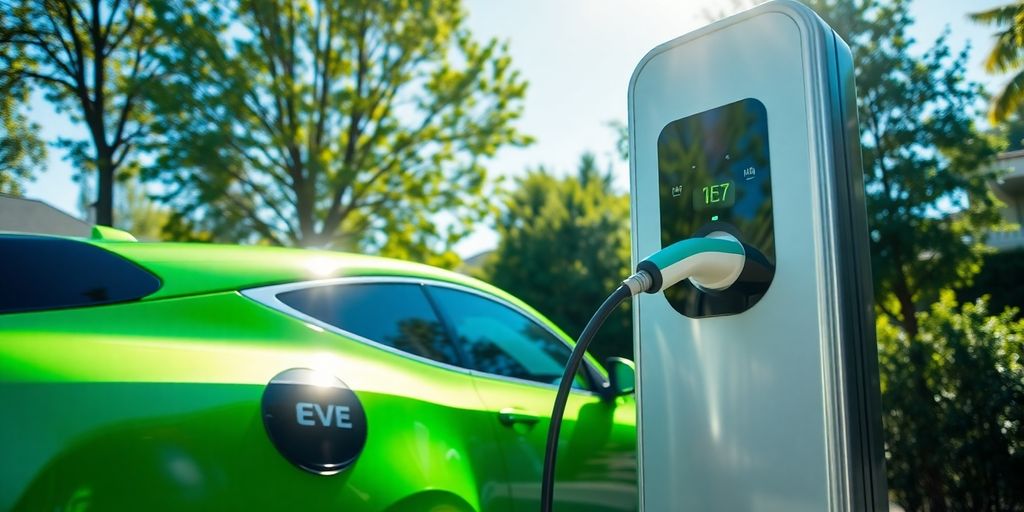
Okay, so you’re thinking about getting an EV charger. Makes sense! But where do you even start? There are a ton of options out there, and honestly, it can be overwhelming. That’s where in-depth reviews come in handy. Look for reviews that really dig into the details, not just surface-level stuff. I mean, who cares if it looks sleek if it’s a pain to use, right? A good review should cover things like:
- Ease of installation: Can you DIY it, or do you need an electrician?
- Charging speed: Does it deliver the promised power?
- Reliability: Does it break down after a few months?
- Smart features: Are the app controls actually useful?
Purchasing Options and Accessories
Alright, you’ve read the reviews, and you’ve got a charger in mind. Now, where do you buy it? You’ve got a few choices. You can go straight to the manufacturer’s website, which is usually a safe bet. Or, you can check out online retailers like Amazon or even big box stores like Home Depot or Lowe’s. Don’t forget to look into accessories! You might need:
- A longer charging cable
- A cable organizer to keep things tidy
- A weatherproof enclosure if you’re installing it outside
Matching Equipment to Consumer Needs
This is where things get personal. What works for your neighbor might not work for you. Think about your daily driving habits, the type of EV you have, and your home’s electrical setup. For example, if you only drive a few miles a day, a Level 1 charger might be enough. But if you need to top up quickly, you’ll want a Level 2 charger. And if you’ve got two EVs, you might even consider a dual charger. Here’s a quick rundown:
- Level 1: Slow charging, good for overnight top-ups.
- Level 2: Faster charging, ideal for most EV owners.
- DC Fast Charging: Super-fast, but usually only found at public stations.
Innovations in EV Charging Technology
Mobile EV Charging Expansion
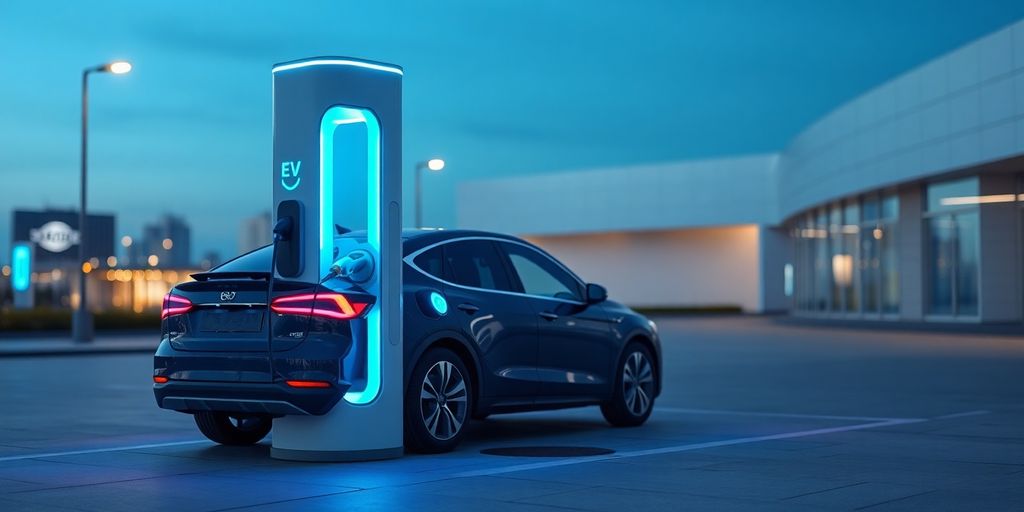
Mobile EV charging is really starting to take off. I saw that SparkCharge just got a big chunk of funding, like $30 million, to grow their mobile charging service. This is a game-changer for people who can’t easily get to a charging station or who run out of juice unexpectedly. Imagine being able to call someone to come charge your car wherever you are! It’s like roadside assistance, but for your battery.
Advanced Connector and Inlet Capabilities
Connectors and inlets are getting a serious upgrade. Rivian’s recent software update is a good example. They’re boosting the voltage capabilities to 1,000 volts. What does this mean? Faster charging, of course! It’s all about getting more power into your car in less time. Plus, there’s a push for more universal connectors, so you don’t have to worry about whether your car is compatible with a particular charging station.
Smart Charger Features
Smart chargers are becoming more common, and they’re packed with cool features. Think about things like:
- Energy Management: Some chargers can now talk to your solar panels and prioritize using solar energy to charge your car. SolarEdge has a new system that does just that, which can save you money on electricity bills.
- Remote Control: You can control your charger from your phone, start and stop charging, and see how much energy you’ve used.
- Load Balancing: If you have multiple EVs or other high-power appliances, smart chargers can balance the load to prevent overloading your electrical system.
These features make charging more convenient and efficient. It’s not just about plugging in anymore; it’s about optimizing your energy use and saving money.
Partnerships Driving EV Charging Growth
It’s not just about building more chargers; it’s about building them smarter and faster. That’s where partnerships come in. Companies are realizing they can achieve more by working together than by going it alone. These collaborations are speeding up the spread of EV charging infrastructure and making it easier for everyone to switch to electric vehicles.
ChargePoint and Eaton Collaboration
ChargePoint and Eaton are teaming up to make EV charging more widespread. This collaboration aims to simplify and accelerate the deployment of EV charging infrastructure across the US, Canada, and Europe. It’s a big deal because it combines ChargePoint’s charging solutions with Eaton’s power management expertise. Basically, they’re trying to create a one-stop shop for businesses that want to install EV chargers.
Industry Alliances for Infrastructure Spread
Lots of different companies are joining forces to build out the EV charging network. For example, BYD, a big car company in China, is working with partners to add 15,000 megawatt chargers. These chargers can output up to 1,000 kW! It shows how companies are pooling resources to make charging more accessible.
Accelerating EV Charging Ecosystems
It’s not just about the chargers themselves, but also about the whole ecosystem around them. SparkCharge, a mobile EV charging company, recently raised $30.5 million to expand its platform across North America. This kind of investment helps make EV charging more convenient, especially for people who can’t easily get to a charging station. Alliances are key to making the EV charging experience better for everyone.
Residential EV Charging Solutions
Okay, so you’re thinking about getting an EV charger for your house? Smart move. It’s way more convenient than always hunting down a public charging station. Let’s break down some options and things to consider.
Emporia Pro Home Charger Review
Emporia is making waves with their home chargers, and the Emporia Pro is getting a lot of buzz. It’s known for being a solid, reliable option. People like it because it’s not too expensive and gets the job done. It’s a good pick if you want something dependable without breaking the bank. It’s also a smart charger, so you can control it with your phone.
EvoCharge Home 50 Performance
The EvoCharge Home 50 is another contender in the home charging game. It’s made in the USA, which is a plus for some people. It’s a "smart" charger, meaning it has some cool features like WiFi connectivity and app control. It’s not perfect, but it’s a pretty good option if you’re looking for something that’s not too expensive and has some smart features. Tom Moloughney did a pretty in-depth review if you want to check that out.
Choosing the Best Home EV Charger
Picking the right home EV charger can feel overwhelming, but here’s what I think you should keep in mind:
- Charging Speed: Level 2 chargers (240V) are the way to go for home use. They’re way faster than Level 1 (120V), which basically trickle-charges your car.
- Smart Features: Do you want to be able to control your charger with your phone? Schedule charging times? If so, look for a smart charger.
- Installation: Some chargers are plug-in, others are hardwired. Hardwired usually requires an electrician, so factor that into the cost.
- Budget: Prices vary a lot. Figure out how much you’re willing to spend before you start looking.
- Safety Certification: Make sure the charger is safety certified. It’s not worth saving a few bucks to risk your house burning down.
Also, SolarEdge came out with a new solar-powered EV charging solution that could save you money if you have solar panels.
Market Trends in EV Charging
Rising Charging Revenues
It’s pretty obvious that as more electric vehicles hit the road, the revenue generated by EV charging networks is going up. EVgo, for example, has seen a surge in charging revenues, driven by the expansion of their DC fast-charging network, increased utilization, and a growing customer base. This trend isn’t unique to EVgo; other networks are experiencing similar growth as EV adoption accelerates. The increase in revenue also helps networks improve reliability, which has been a major concern for EV owners.
Increased Network Utilization
More EVs on the road means more people need to charge, and that translates directly into higher utilization rates for charging networks. DC fast chargers are becoming increasingly popular, and some reports suggest that demand is actually outpacing supply. This increased demand puts pressure on existing infrastructure and highlights the need for continued investment in expanding charging capacity. It’s not just about having more chargers, but also about ensuring they’re strategically located and well-maintained to handle the growing load.
Growth in Customer Base
The number of EV drivers is steadily increasing, and with it, the customer base for EV charging networks. This growth is fueled by a combination of factors, including government incentives, increasing availability of EV models, and growing awareness of the environmental benefits of electric vehicles. As the customer base expands, charging networks are focusing on improving the user experience, offering loyalty programs, and providing convenient payment options to attract and retain customers. It’s a competitive market, and networks are constantly looking for ways to stand out and capture a larger share of the growing EV charging market.
Conclusion
So, picking the "best" EV charging company isn’t really a one-size-fits-all thing. It just depends on what you need. If you’re always on the go and need super fast charging, then maybe a company with lots of DC fast chargers is your best bet. But if you mostly charge at home or work, then a company that focuses on those kinds of setups might be better. Think about where you drive, how often you charge, and what features matter most to you. Do you want an app that tracks everything? Or just a simple plug-and-play? Once you figure out your own priorities, finding the right charging company gets a lot easier.
Frequently Asked Questions
Which company has the most EV charging stations?
ChargePoint is currently the largest charging network in the US. They have a lot of charging spots, over 48,000, at more than 15,000 locations. This means they have almost half of all public charging spots and locations in the country.
Who leads in fast EV charging?
Tesla’s Supercharger network is the biggest for fast charging. They have about 58% of all the fast chargers in the US. When you add Electrify America, EVgo, and ChargePoint, these four companies make up most of the fast chargers available.
Is mobile EV charging growing?
Yes, SparkCharge recently got $30.5 million to help them grow their mobile EV charging services. This means they’ll be able to offer more charging on the go.
Are companies working together to improve EV charging?
ChargePoint and Eaton are working together to make it easier to set up EV charging everywhere. This partnership aims to speed up how fast charging stations are built in the US, Canada, and Europe.
How do I choose a home EV charger?
When picking an EV charger for your home, you should think about what you need. There are many options, and you can find reviews of different chargers like the Emporia Pro and EvoCharge Home 50 to help you decide.
Are more people using EV charging stations?
The number of people using EV charging networks is going up, and so are the earnings from charging. Companies like EVgo are seeing their income grow as more people use their fast-charging stations.
