


So, you’ve got an electric car, and now you’re thinking about getting a home charging station. Smart move! Charging at home is way more convenient than always looking for public spots. But with all the options out there, figuring out where to buy home EV charging station? It can feel a bit much. Don’t worry, I’ve put together a guide to help you find the best places to pick up your new charger, whether you like shopping online, hitting up big stores, or want something specific from a car dealer.
Key Takeaways
- Online stores like Amazon and specialized EV charging sites offer tons of choices.
- Big box stores such as Lowe’s and Home Depot have chargers, plus they can help with installation.
- Car dealerships often sell chargers made for your specific car brand and can handle the setup.
- Electrical supply places might have heavier-duty chargers and can give you technical advice.
- Always check for rebates and incentives; they can save you a good chunk of money on the charger and installation.
Online Retailers For EV Chargers
So, you’re looking to buy an EV charger online? Makes sense! It’s super convenient. You can compare prices, read reviews, and have it shipped right to your door. Let’s check out some of the places you can find them.
Amazon’s Wide Selection
Amazon is a great place to start. They have a massive selection of EV chargers from different brands. It’s easy to compare models and read customer reviews. Plus, if you’re a Prime member, you get free shipping on many items. Just be sure to double-check the specs and compatibility with your car before you buy. You can often find good deals, but it pays to shop around. Also, pay attention to the seller; stick with reputable brands or sellers with high ratings. You can find a variety of portable charging stations on Amazon.
Specialized EV Charging Stores
These stores focus specifically on EV charging equipment and accessories. They often have knowledgeable staff who can help you choose the right charger for your needs. They might carry brands or models you won’t find on larger sites like Amazon. Plus, they can often provide more detailed technical information and support. Some of these stores also offer installation services or can recommend certified electricians in your area. It’s worth checking out a few of these to see what they have to offer. You can explore DC charging station options at specialized stores.
Manufacturer Websites
Don’t forget to check the websites of the charger manufacturers themselves! Sometimes, you can find exclusive deals or bundles that aren’t available elsewhere. Plus, buying directly from the manufacturer can give you extra peace of mind when it comes to warranty and support. You’ll also get the most accurate and up-to-date product information. Just be sure to compare prices with other retailers before making a final decision. Also, check for any rebates or incentives that might be available.
Big Box Stores And Home Improvement Centers

Okay, so you’re thinking about grabbing an EV charger from a big box store? Makes sense. They’re everywhere, and you can pick one up while you’re grabbing light bulbs and garden supplies. Let’s break down what you can expect.
Availability At Lowe’s And Home Depot
Lowe’s and Home Depot are probably the first places that come to mind. They both usually stock a decent selection of Level 2 chargers. You’ll find brands like ChargePoint, JuiceBox, and maybe even some of the Tesla chargers (though those are becoming more common everywhere). The actual models they carry can change, so it’s always a good idea to check their websites or call ahead to see what’s in stock at your local store. Plus, they often have online deals that might not be available in-store, so keep an eye out for those. You can find a variety of EV charging station options at these stores.
In-Store Expert Advice
Honestly, this is a bit hit or miss. You might find someone who really knows their stuff about EV chargers, but more often than not, you’ll be talking to someone who knows a little about a lot of things. They can probably point you to the right aisle and maybe read off some specs, but don’t expect in-depth technical advice. Do your research beforehand! Read reviews, compare models, and understand your home’s electrical capacity before you go. That way, you’ll be able to ask informed questions and hopefully get the answers you need. If you’re looking for more in-depth advice, you might be better off talking to an electrician or a specialized EV charger retailer.
Installation Services Offered
Both Lowe’s and Home Depot offer installation services for EV chargers, which can be a real convenience. They usually contract with local electricians to do the actual work. The big advantage here is that they handle the scheduling and coordination, which can save you some hassle. However, it’s a good idea to get quotes from a few different electricians independently to compare prices. Sometimes, going directly to an electrician can be more cost-effective. Also, make sure the electrician they use is licensed and experienced with EV charger installations. Don’t be afraid to ask about their qualifications and experience. Keep in mind the costs associated with commercial EV charging stations when considering installation.
Automotive Dealerships And Service Centers
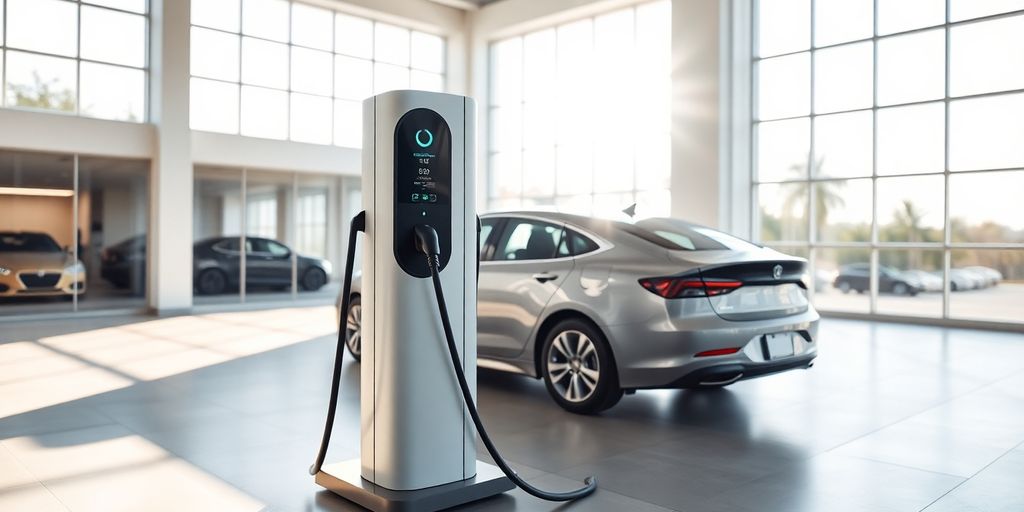
Okay, so you’re thinking about getting your EV charger from a car dealership? It’s definitely an option, and here’s the lowdown.
Brand-Specific Charging Solutions
One of the biggest perks of going to a dealership is that they’ll have chargers specifically designed for your car’s make and model. This can mean better compatibility and optimized charging performance. They know their cars inside and out, so they can recommend the best 7kW wall-mounted AC EV charging station for your ride. Plus, you can often finance the charger along with the car itself, which can be convenient.
Professional Installation Packages
Dealerships often bundle the charger with professional installation. This is a big plus because you know it’ll be done right. They usually have certified technicians who are trained to install these chargers, so you don’t have to worry about finding a qualified electrician yourself. It’s a one-stop shop, which can save you a lot of hassle. However, be sure to compare the cost of the installation with independent electricians, as dealership prices can sometimes be higher.
Warranty And Support
Another advantage is the warranty and support you get. If something goes wrong with the charger, you can usually take it back to the dealership for service. They’ll handle the warranty claims and repairs, which can give you peace of mind. Plus, they can answer any questions you have about using the charger and Supercharger fees and provide ongoing support. It’s like having a safety net in case anything goes wrong.
Electrical Supply Houses And Wholesalers
Okay, so you might not immediately think of electrical supply houses when you’re trying to find an EV charger, but hear me out. These places can be goldmines, especially if you’re looking for something a bit more robust or have specific needs. They’re not just for contractors, even though that’s their main gig.
Access To Commercial-Grade Units
One of the biggest perks of going to an electrical supply house is the kind of equipment they carry. You’re more likely to find commercial-grade EV chargers there, which are built to withstand heavier use and often come with more advanced features. Think about it – these are the units businesses and public charging stations use. They’re built to last. Plus, you might find options with higher amperage for faster charging, which is always a bonus. You can find various EV charging stations, including AC (floor-standing and wall-mounted), DC, and portable options.
Bulk Purchase Options
If you’re outfitting a whole apartment complex or a business with multiple charging stations, electrical supply houses can be a lifesaver. They often offer bulk purchase options, which can translate to significant savings per unit. Even if you only need one charger, it’s worth checking if they have any deals or discounts available. It never hurts to ask! Germany has awarded contracts to 10 companies for the deployment of 8,000 DC fast chargers.
Expert Technical Support
This is where electrical supply houses really shine. The staff usually have a much deeper understanding of electrical systems and EV chargers than you’d find at a big box store. They can answer technical questions, help you figure out the right charger for your electrical panel, and even offer advice on installation. If you’re not super confident about the electrical side of things, having that expert technical support can be invaluable. They can help you understand the installation requirements and ensure you get the right equipment for a safe and efficient setup.
Considerations When Buying An EV Charger
So, you’re thinking about getting an EV charger for your home? Awesome! But before you click that ‘buy’ button, there are a few things you should really think about. It’s not just about finding the cheapest option; it’s about finding the right option for your needs and your car.
Charging Speed And Level
Okay, let’s talk charging levels. You’ve probably heard of Level 1, Level 2, and maybe even DC fast charging. Level 1 is the slowest – it’s basically plugging into a regular wall outlet. Level 2 is faster and what most people get for home use. DC fast charging is super quick, but it’s usually for commercial use and not really practical for homes. The charging speed you need depends on how much you drive and how quickly you need to recharge.
Here’s a quick rundown:
- Level 1 (120V): Adds about 3-5 miles of range per hour.
- Level 2 (240V): Adds about 12-35 miles of range per hour.
- DC Fast Charging (480V+): Adds 60-80 miles in 20 minutes (but not for home use).
Smart Features And Connectivity
Do you want a basic charger, or do you want something with all the bells and whistles? Smart chargers can connect to your Wi-Fi, allowing you to monitor charging, schedule charging during off-peak hours (which can save you money), and even get notifications when your car is fully charged. Some even work with voice assistants like Alexa or Google Assistant. If you’re tech-savvy and want to monitor charging, a smart charger might be worth the extra cost.
Here are some common smart features:
- Wi-Fi Connectivity: Allows remote monitoring and control.
- Scheduling: Set charging times to take advantage of lower electricity rates.
- Mobile App: Monitor charging status, energy usage, and more.
Installation Requirements
This is a big one! Before you buy any charger, figure out what kind of electrical work you’ll need. Level 1 chargers can usually just plug into an existing outlet, but Level 2 chargers almost always require a dedicated 240V circuit. That means you’ll probably need to hire an electrician, and that can add a significant cost. Also, check your electrical panel to make sure it can handle the extra load. Don’t forget to consider the cost of installation – it’s a crucial part of the overall expense.
Things to consider:
- Voltage: 120V vs. 240V.
- Amperage: Make sure your electrical panel can handle the amperage of the charger.
- Wiring: You might need to run new wiring from your panel to the charging location.
Understanding Rebates And Incentives
Okay, so you’re thinking about getting an EV charger. Great! But before you pull the trigger, let’s talk about something that can save you some serious cash: rebates and incentives. There are a bunch of programs out there designed to make going electric a little easier on your wallet. It’s worth digging into these, trust me.
Federal Tax Credits
The federal government offers a tax credit for EV chargers, which can significantly reduce the overall cost. This credit can help offset the expense of buying and installing your new charger. The exact amount can change, so it’s a good idea to check the latest IRS guidelines or consult with a tax professional to see what you qualify for. It’s not always straightforward, but the potential savings are real.
State And Local Programs
Beyond the federal level, many states and even local governments have their own incentive programs. These can come in the form of rebates, grants, or even tax credits. For example, California has the Clean Vehicle Rebate Project (CVRP), which offers rebates for the purchase or lease of new electric vehicles and, in some cases, home chargers. New York, Massachusetts, and Colorado also have pretty solid programs. Check your state’s energy office website to see what’s available in your area. These government incentives can make a big difference.
Utility Company Rebates
Don’t forget to check with your local utility company! Many utility companies offer rebates to encourage customers to install EV chargers, especially if you agree to participate in demand response programs. These programs often involve charging your car during off-peak hours, which helps the utility balance the grid. In return, you get a sweet discount. It’s a win-win. Plus, with only a small percentage of retail outlets offering EV charging, home charging becomes even more important.
Here’s a quick rundown of what to look for:
- State Energy Office: Check their website for state-specific programs.
- Local Government Websites: Search for city or county incentives.
- Utility Company: Contact them directly or check their website for EV charger rebates.
- Database of State Incentives for Renewables & Efficiency (DSIRE): This is a great resource for finding incentives across the country.
Professional Installation Services
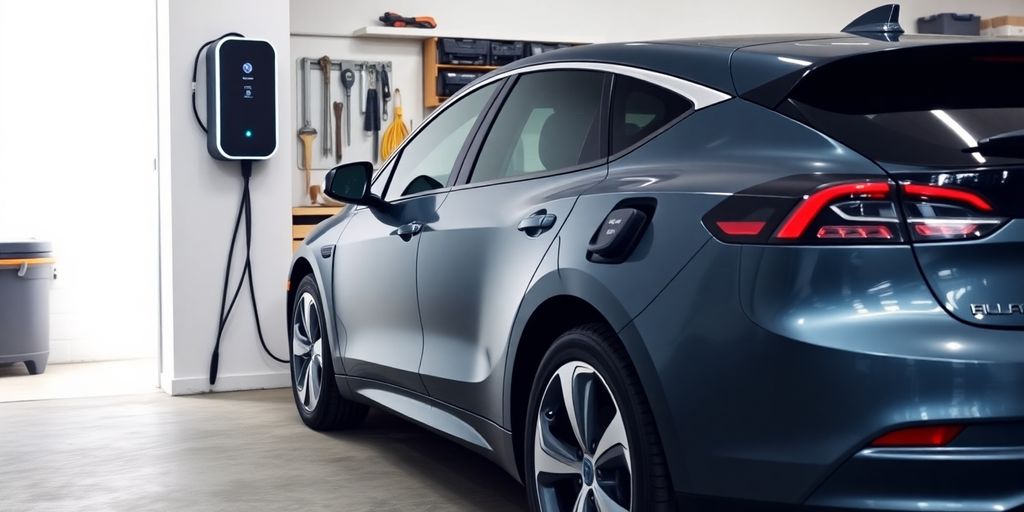
So, you’ve picked out your EV charger, great! Now comes the part where you actually get it installed. Unless you’re super confident in your electrical skills (and have the right certifications, which we’ll get to), this is definitely a job for a professional. Trust me, messing with electricity is not something you want to DIY.
Finding Certified Electricians
Okay, so how do you find someone who knows what they’re doing? Start by looking for electricians who are specifically certified to install EV chargers. Many manufacturers have preferred installer networks, which can be a good place to start. You can also check with your local utility company; sometimes they have lists of qualified installers as part of their rebate programs. Online directories like the ones from the cloud-based EV charging solutions are also helpful. Don’t just pick the first name you see, though. Read reviews, check their credentials, and make sure they’re licensed and insured. It’s worth doing your homework to find someone reliable.
Ensuring Code Compliance
This is a big one. Electrical codes exist for a reason – to keep you and your house from, you know, burning down. A qualified electrician will know all the local codes and regulations related to EV charger installation. This includes things like proper wiring, grounding, and circuit breaker size. They’ll also be able to handle any necessary permits. Seriously, don’t skip this step. Non-compliance can lead to some serious problems down the road, including voiding your home insurance. Plus, if you ever decide to sell your house, you’ll want to be able to show that the installation was done correctly and up to code. You can also check with AMPPAL for more information.
Cost Of Installation
Alright, let’s talk money. The cost of installation can vary quite a bit depending on a few factors:
- Distance from the electrical panel: The farther the charger is from your panel, the more wiring is needed, and the higher the cost.
- Complexity of the wiring: If your panel needs to be upgraded or if there are any tricky wiring situations, that’ll add to the bill.
- Permit fees: These vary by location, but they’re a necessary part of the process.
- Type of charger: Some chargers are easier to install than others, which can affect the labor costs.
To give you a rough idea, you might be looking at anywhere from $500 to $2000 for a standard installation. Get quotes from a few different electricians to compare prices. And remember, the cheapest option isn’t always the best. Focus on finding someone who’s qualified and experienced, even if they cost a bit more. It’s an investment in your safety and the longevity of your charging setup.
Wrapping Things Up
So, there you have it. Finding a home EV charger isn’t as hard as it might seem at first. You’ve got options, from big online stores to local shops and even directly from car makers. Just remember to think about what you really need, like how fast you want to charge and if you want any smart features. Doing a little homework and comparing prices will help you get the right fit for your car and your home. Happy charging!
Frequently Asked Questions
Why should I get a home EV charger?
A home EV charger makes charging your electric car super easy and convenient. You can simply plug in your car overnight and wake up to a full battery, just like charging your phone. It’s much faster than using a regular wall outlet and saves you trips to public charging stations.
What kinds of home EV chargers are there?
There are two main types: Level 1 and Level 2. Level 1 chargers are the slowest, using a regular wall outlet, but they’re good for topping off. Level 2 chargers are much faster and need a special 240-volt outlet, like for a clothes dryer. Most people choose Level 2 for daily use.
How much does it cost to buy and install a home EV charger?
The cost can change a lot. The charger itself might be a few hundred to over a thousand dollars. Then, you’ll need to pay for someone to install it, which can also be a few hundred to over a thousand dollars, depending on how much work your home’s electrical system needs.
Are there any discounts or programs to help pay for an EV charger?
Yes, many places offer help! The federal government often has tax credits, and your state or local area might have rebates or special programs. Even your electric company might give you money back or offer cheaper rates for charging at certain times. It’s worth looking into these to save money.
Do I need a professional to install my EV charger?
For a Level 2 charger, it’s really important to have a licensed electrician do the work. They’ll make sure everything is hooked up safely and correctly, following all the rules. Trying to do it yourself can be dangerous and might even break your car or home’s electrical system.
What should I think about before buying a charger?
Before buying, check what charging speed your car can handle and if you have the right electrical setup at home. Think about smart features like Wi-Fi control or scheduling. Also, consider the cord length and if it will reach your car easily. And don’t forget to look for chargers that are approved for safety.
