


Ever wondered where those electric vehicle (EV) charging stations come from? They’re popping up all over the place, but the factories that make them are spread across the globe. From the U.S. to Europe and Asia, these factories are driving the future of transportation. Let’s take a closer look at where these EV charging stations are being built and what’s happening in the industry.
Key Takeaways
- The U.S. is home to major EV charger manufacturers like Tesla, ChargePoint, and EVgo, each with their own production facilities.
- In Europe, companies like ABB and Siemens are leading the charge in EV charger production with factories spread across the continent.
- Asia, particularly China, is a powerhouse in EV charger manufacturing with companies like NaaS Technology expanding rapidly.
- Emerging markets such as India and Brazil are starting to make their mark in the EV charger industry, showing significant growth potential.
- Technological advancements, like fast charging and smart solutions, are shaping the future of EV charger production.
Major EV Charging Station Manufacturers in the United States
Tesla’s Manufacturing Facilities
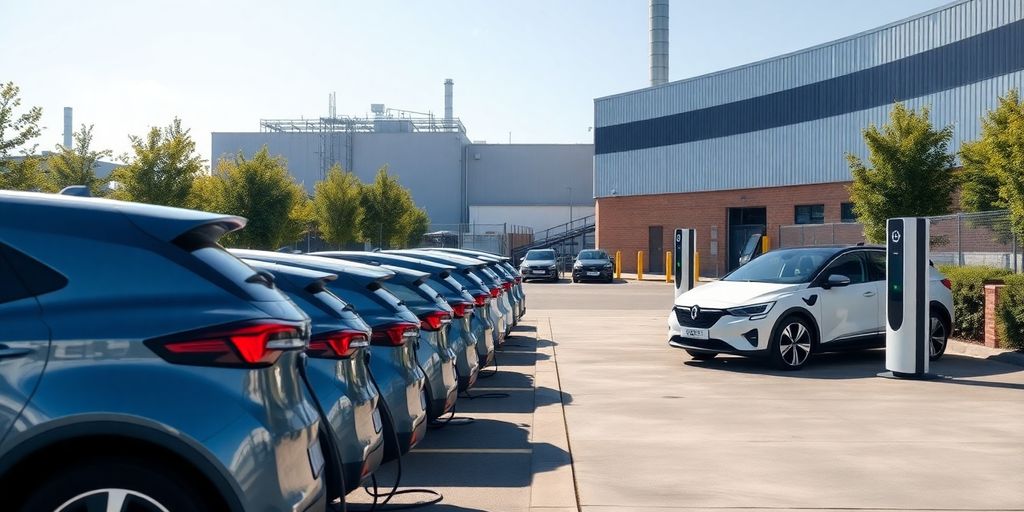
Tesla, a name synonymous with electric vehicles, is also a major player in the EV charging station market. Their Supercharger network is one of the most extensive in the world. In the U.S., Tesla’s manufacturing facilities are primarily located in Fremont, California, and Sparks, Nevada. The Fremont factory is a powerhouse of production, while the Gigafactory in Nevada focuses on battery production and energy products, which are crucial for their charging stations.
ChargePoint’s Production Sites
ChargePoint, established in 2007, is headquartered in Campbell, California. The company has a robust network across the country, with production sites centered in California. ChargePoint’s focus is on creating a seamless charging experience with its integrated hardware and cloud services. They have delivered millions of charges, making them a significant player in the U.S. market.
EVgo’s Factory Locations
EVgo, known for its public DC fast charging network, operates over 900 fast charging stations across the United States. Their facilities are strategically located to serve metropolitan areas effectively. EVgo’s growth strategy includes expanding its network to triple its current size, ensuring that nearly 140 million Americans live within 10 miles of an EVgo charger. This expansion underscores their commitment to making fast charging accessible and convenient for all EV drivers.
European Leaders in EV Charger Production
ABB’s Manufacturing Hubs
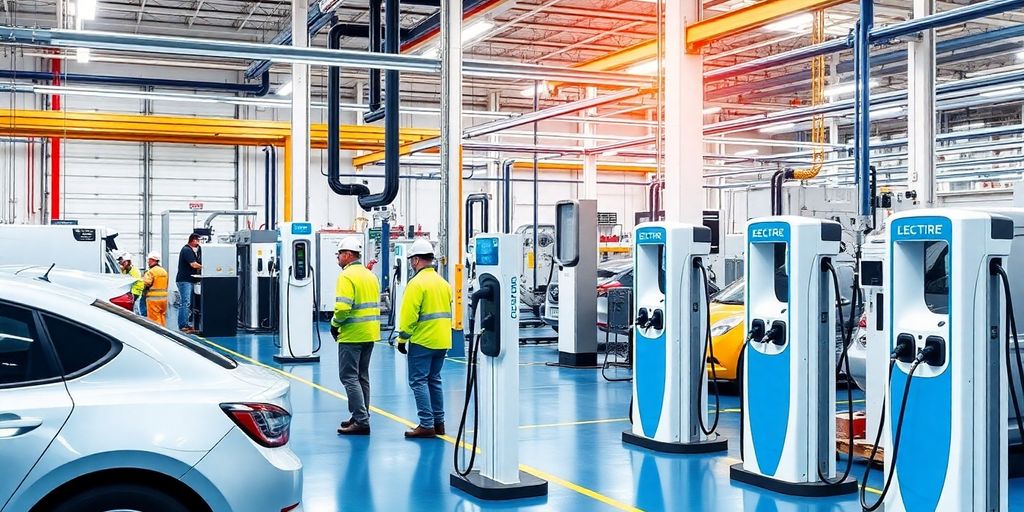
ABB, a big name in the EV charging world, is based in Sweden and Switzerland. They have factories all over Europe, making chargers for homes, businesses, and fleets. ABB is known for their fast chargers, which are super popular. They have factories in places like Germany and Italy, where they make a lot of their products. ABB’s ability to make different kinds of chargers is a big reason for their success.
Compleo Charging Solutions in Germany
Compleo is a German company that makes both AC and DC chargers. They focus on making chargers that work in lots of different places, like homes and public areas. Their headquarters is in Dortmund, Germany, where they also have their main factory. Compleo is known for their strong engineering and reliable products. They’ve been growing a lot because they make chargers that are easy to use and manage.
Role of Siemens in EV Charger Manufacturing
Siemens is another big player in Europe. They make a lot of different products, but their EV chargers are some of the best. Siemens has factories in Germany and other parts of Europe. They focus on making smart chargers that can connect to the internet and help manage energy use. Siemens is also working on new technologies to make charging faster and more efficient. They are really pushing the boundaries of what EV chargers can do.
Asian Giants in the EV Charging Industry
NaaS Technology’s Expansion in China
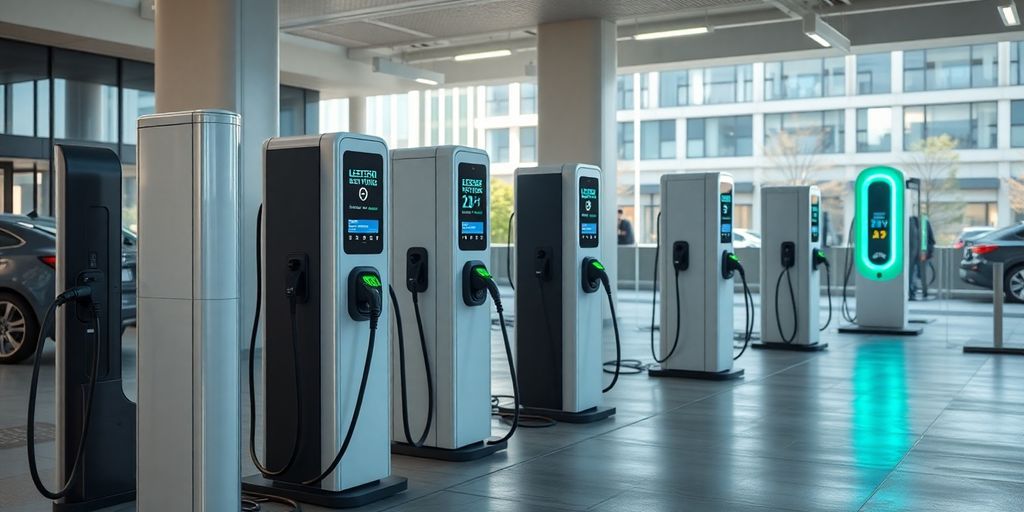
NaaS Technology is a prominent player in China’s EV charging market. Based in China, NaaS has rapidly become one of the largest EV charging service providers in the country. They offer a range of services, including online and offline charging solutions, as well as value-added services for both EV owners and charging station operators. NaaS collaborates with charger manufacturers and OEMs to enhance the charging experience, making it faster and more convenient. Their efforts have significantly improved operational efficiency across the industry.
LG’s New Factory in Fort Worth, Texas
While LG is a South Korean giant, it’s interesting to note their strategic move to establish a new factory in Fort Worth, Texas. This facility marks LG’s entry into the EV charging market in North America. The factory is set to produce advanced EV charging stations, leveraging LG’s expertise in electronics and technology. This move not only supports local job creation but also enhances the availability of cutting-edge charging solutions in the U.S. market.
Panasonic’s Role in EV Charger Production
Panasonic, another key player from Asia, has been instrumental in the development of EV charging technology. They are known for their collaboration with Tesla, providing batteries and charging solutions. Panasonic’s commitment to innovation and sustainability has led them to invest heavily in research and development. Their focus is on creating efficient and reliable charging systems that cater to the growing global demand for electric vehicles. Panasonic’s efforts in the EV sector highlight their dedication to driving the future of clean transportation.
Emerging Markets for EV Charger Manufacturing
Growth of EV Charger Production in India
India is stepping up in the world of electric vehicle (EV) infrastructure. The country is witnessing a surge in demand for EVs, and with it, the need for charging stations is skyrocketing. Local companies are ramping up production of EV chargers to meet this demand. The government is also playing its part by offering incentives and subsidies to manufacturers, making it an attractive market for investment.
Brazil’s Potential in EV Infrastructure
Brazil, with its vast landscape and growing urban centers, is another country with immense potential in the EV sector. The country is gradually embracing electric vehicles, and as a result, the demand for charging infrastructure is on the rise. Local manufacturers are beginning to explore opportunities in this space, and international companies are eyeing Brazil as a key market for expansion.
South Africa’s Entry into EV Charger Manufacturing
South Africa is making its way into the EV charger manufacturing scene. While the adoption of electric vehicles is still in its nascent stages, there is a growing awareness and interest in sustainable transportation. Local startups and established companies alike are exploring the possibilities in EV charger production, seeing it as a promising sector for future growth. The government’s initiatives to promote green energy and reduce carbon emissions are further fueling this interest.
Technological Innovations in EV Charger Manufacturing
Advancements in Fast Charging Technology
Fast charging is the buzzword these days. It’s all about reducing the time it takes to juice up your EV. Companies are rolling out chargers that can fill up a battery in minutes rather than hours. The key is pushing more power safely and efficiently. Some of these chargers are already hitting the market, boasting speeds that seemed impossible just a few years back. The tech behind it involves better materials and smarter software to handle the heat and power.
Integration of Renewable Energy in Chargers
Imagine plugging your car into a charger that’s powered by the sun or wind. That’s not just a dream anymore. More and more charging stations are integrating renewable energy sources. This isn’t just about being eco-friendly; it’s also about cutting costs in the long run. Plus, it helps in reducing the load on the grid. Companies are investing in solar panels and wind turbines to make this a reality, and it’s catching on fast.
Smart Charging Solutions and IoT
Smart chargers are like the Swiss Army knives of the EV world. They connect to your phone, your car, and even the grid. With IoT, these chargers can schedule charging sessions when electricity is cheapest, or even pause charging if the grid is under stress. This isn’t just convenient; it saves money and helps balance the energy demand. The future looks like a world where everything’s connected, and your charger is no exception.
Challenges and Opportunities in EV Charger Manufacturing
Supply Chain Issues in the EV Industry
The EV charger manufacturing sector is grappling with significant supply chain challenges. Disruptions, especially during the COVID-19 pandemic, exposed vulnerabilities in global supply chains. The reliance on overseas components has led to delays and increased costs. To mitigate these issues, manufacturers are increasingly looking to localize production and source materials domestically. This shift not only helps in reducing dependencies but also aligns with policies like the Buy America standards, which require that materials and assembly for federally funded projects occur within the United States.
Regulatory Challenges Across Different Regions
Navigating the regulatory landscape is another hurdle for EV charger manufacturers. Different regions have varying compliance requirements, which can complicate production and distribution. For instance, manufacturers must adhere to specific environmental and safety standards, which can vary from one country to another. This necessitates a flexible approach in design and manufacturing processes to meet diverse regulatory demands. Additionally, staying abreast of changing regulations is crucial to avoid penalties and ensure smooth operations.
Opportunities for Startups in EV Charger Production
Despite the challenges, there are ample opportunities in the EV charger manufacturing space, particularly for startups. The growing demand for electric vehicles is driving the need for more charging infrastructure. Startups can leverage this demand by focusing on innovative solutions such as fast charging technology and smart charging systems. Moreover, with the increasing push towards sustainability, there is a market for eco-friendly and energy-efficient chargers. Startups that can offer unique solutions to these emerging needs stand to gain a competitive edge in the industry.
Sustainability and Environmental Impact of EV Charger Production
Use of Green Energy in Manufacturing
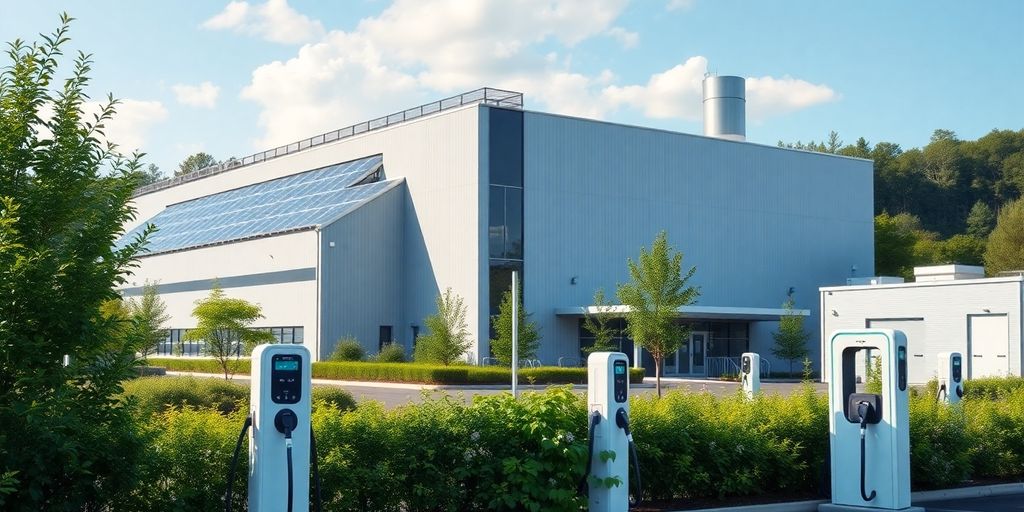
So, here’s the deal with EV chargers: making them greener is a big focus. Many companies are turning to renewable energy sources to power their manufacturing plants. Solar panels on factory rooftops or wind energy from nearby farms are becoming common sights. This shift not only cuts down on carbon emissions but also sets a precedent for other industries. Using green energy in production processes isn’t just a trend; it’s a necessity for the future.
Recycling and Waste Management in Production
Recycling is another area where EV charger makers are stepping up their game. They’re finding ways to reuse materials like metals and plastics, which reduces the need for new raw materials and cuts waste. Some companies have started programs to take back old chargers and repurpose their parts. This kind of circular economy approach helps in minimizing the environmental footprint of EV charger production.
Carbon Footprint of EV Charger Factories
Finally, let’s talk carbon footprints. Factories building these chargers are working hard to lower their emissions. They’re investing in energy-efficient machines and processes. Some have even achieved carbon-neutral status by offsetting their emissions through various means. It’s all part of a bigger push to make the entire lifecycle of EV chargers as eco-friendly as possible. And while there’s still work to do, the progress is encouraging.
Future Trends in EV Charger Manufacturing
Predictions for Global EV Charger Demand
The future of electric vehicle (EV) charging is bright, with demand expected to skyrocket. Experts predict a massive increase in the number of EVs on the road, leading to a corresponding surge in demand for charging infrastructure. As more countries push for greener transportation, the need for accessible and efficient charging solutions will only grow. This growth is not just limited to urban areas; rural regions are also expected to see a rise in EV charger installations.
Impact of Autonomous Vehicles on Charger Design
Autonomous vehicles are set to revolutionize how we think about transportation, and they will also influence EV charger design. These vehicles will require chargers that can communicate seamlessly with their systems, enabling them to charge without human intervention. This means that future chargers might incorporate advanced AI and machine learning technologies to optimize charging times and energy consumption.
Role of AI in Manufacturing Processes
Artificial intelligence (AI) is playing an increasingly significant role in the manufacturing of EV chargers. AI can streamline production processes, reducing costs and improving efficiency. By using predictive analytics, manufacturers can anticipate maintenance needs and optimize supply chains, ensuring that production lines run smoothly. This technological integration not only boosts productivity but also enhances the quality of the chargers produced.
Wrapping It Up: The EV Charging Factory Landscape
So, there you have it. The factories building EV charging stations are scattered across the globe, each playing a crucial role in the electric vehicle revolution. From the bustling facilities in the United States, like LG’s new plant in Fort Worth, Texas, to the innovative hubs in Europe and Asia, these factories are the backbone of the EV charging infrastructure. They’re not just churning out chargers; they’re fueling a movement towards a cleaner, more sustainable future. As more companies jump on the EV bandwagon, the network of factories will only grow, bringing more jobs and technological advancements. It’s an exciting time for the industry, and who knows? Maybe the next big factory will pop up in your hometown. Keep an eye out!
Frequently Asked Questions
Where are most EV chargers made?
Most EV chargers are made in the United States, Europe, and Asia, with leading companies like Tesla, ChargePoint, and ABB having major manufacturing facilities.
What is the biggest challenge in making EV chargers?
The biggest challenge in making EV chargers is addressing supply chain issues and meeting regulatory standards across different regions.
How do fast chargers differ from regular chargers?
Fast chargers can charge an electric vehicle much quicker than regular chargers, often providing significant range in just a short time.
Are there eco-friendly practices in EV charger production?
Yes, many companies are using green energy and implementing recycling and waste management practices to reduce the environmental impact of EV charger production.
What role does AI play in EV charger manufacturing?
AI helps improve manufacturing processes by optimizing production lines and enhancing the design and functionality of EV chargers.
How is the demand for EV chargers expected to change?
The demand for EV chargers is expected to grow significantly as more people adopt electric vehicles and as infrastructure expands globally.
