


As electric vehicles (EVs) gain popularity across the country, the need for charging stations is becoming increasingly urgent. Smaller cities, often overlooked in infrastructure planning, are facing challenges in providing adequate EV charging options. This article explores when more smaller cities will get EV charging stations and what factors are driving this change.
Key Takeaways
- EV adoption is rising, but many smaller cities lack sufficient charging infrastructure.
- Government initiatives at federal, state, and local levels are crucial for expanding EV charging options.
- Identifying ‘charging deserts’ in smaller cities is essential for improving accessibility.
- Innovative solutions, like using existing structures for charging stations, can help reduce costs and increase availability.
- Investing in EV charging stations can boost local economies by attracting businesses and creating jobs.
Understanding The Need For EV Charging Stations
Current EV Adoption Rates
EV adoption is on the rise, but it’s not uniform across the country. States with higher EV adoption rates tend to have more charging infrastructure, creating a positive feedback loop. However, this also means that areas with lower initial adoption rates struggle to attract investment in charging stations, hindering further EV adoption. It’s a bit of a chicken-and-egg situation. For example, Washington state has a high number of EV registrations, but some of its rural counties have very few charging options.
Projected Growth of EV Market
The EV market is expected to grow significantly in the coming years. Experts estimate a need for 1.2 million Level 2 chargers nationwide by 2027 and almost twice that by 2030. This growth will put a strain on existing infrastructure, especially in smaller cities and rural areas. The transition to EVs will take time, but the need for more public EV charging is clear. This projection assumes a robust growth in EV sales, and the current charging infrastructure is insufficient to support a drastic increase in the number of EVs in operation.
Challenges in Charging Infrastructure
Several challenges hinder the development of EV charging infrastructure, particularly in smaller cities. These include:
- Uneven Distribution: Charging stations are not evenly distributed, leading to "charging deserts" in some areas. For example, Ferry County had only one charging station for several years, and now has none.
- Limited Power Output: Many rural areas have limited electrical infrastructure, restricting the number of EVs they can charge. Assessing the number of chargers and amount of power needed is crucial.
- Pricing Transparency: Unlike gas stations, EV charging stations rarely advertise prices, making it difficult for consumers to compare costs. The lack of transparency prevents researchers from investigating trends. Drivers are getting frustrated because they don’t feel like they’re getting their money’s worth.
- Lack of Data Sharing: Charging station hosts often don’t share data, making it difficult to track trends and optimize infrastructure development. Research conducted shows that station hosts have no incentive to share data.
The Role Of Government In EV Infrastructure
Federal Initiatives and Funding
The federal government is playing a big role in getting more EV chargers out there. One way they’re doing this is through funding programs. Think about it: without some serious cash, it’s tough for smaller towns to get these projects off the ground. These initiatives often include grants for installing charging stations, especially in underserved areas. The government also sets standards and regulations to make sure everything is safe and reliable. It’s a coordinated effort to boost EV transportation across the country.
State-Level Support
States are also stepping up to the plate. Some states offer rebates to businesses and individuals who install charging stations. Others are creating their own networks of chargers along major highways. For example, a state might offer tax credits to companies that build charging stations in rural areas. This kind of support can really make a difference in places where private investment is lacking. It’s all about making expansion of EV infrastructure a reality.
Local Government Engagement
Local governments are key too. They can streamline the permitting process for installing chargers, making it easier and faster for businesses to get up and running. They can also work with local utilities to make sure there’s enough power available to support the chargers. Plus, local governments can educate the public about the benefits of EVs and charging infrastructure. It’s a community effort that requires coordinated efforts among all levels of government and electric providers.
Addressing Charging Deserts In Smaller Cities
Identifying Charging Deserts
Okay, so, "charging deserts" sounds dramatic, but it’s a real problem. Basically, it means areas, often smaller cities or rural spots, where there are hardly any EV charging stations. This lack of infrastructure makes it tough for people to switch to electric vehicles, even if they want to. It’s not just about population density; sometimes, even places with a decent number of EVs can be underserved. For example, Ferry County in Washington state had almost no charging stations for years, despite the state’s overall EV popularity. It’s a weird situation, and it highlights how unevenly distributed EV charging stations can be.
Impact on EV Adoption
No chargers? No EVs. It’s pretty simple. People aren’t going to buy electric cars if they’re constantly worried about where they’ll plug in. This is especially true for folks who live in apartments or don’t have access to home charging. The lack of charging infrastructure creates a barrier to entry, slowing down EV adoption in smaller cities and rural areas. This can lead to a cycle where fewer EVs mean less incentive to build charging stations, and so on. It’s a chicken-and-egg problem, and it needs to be addressed if we want widespread EV adoption.
Strategies for Improvement
Alright, so how do we fix this? A few ideas:
- Government Incentives: More funding and tax breaks for installing charging stations in underserved areas. This could encourage private companies and local governments to invest in charging infrastructure.
- Public-Private Partnerships: Team up local businesses, utilities, and government agencies to share the costs and responsibilities of building and maintaining charging stations.
- Community Engagement: Talk to residents and local leaders to figure out the best locations for charging stations and address any concerns. Maybe repurpose existing infrastructure, like old phone booths, to save money and space.
- Transparency in Pricing: Make it easier for EV drivers to compare charging costs across different stations. Right now, it’s a mess of different apps and pricing models. Standardized pricing and real-time information would help a lot.
Basically, it’s about making EV charging accessible and affordable for everyone, no matter where they live. It’s going to take a coordinated effort, but it’s totally doable.
Innovative Solutions For Charging Station Installation
Utilizing Existing Infrastructure
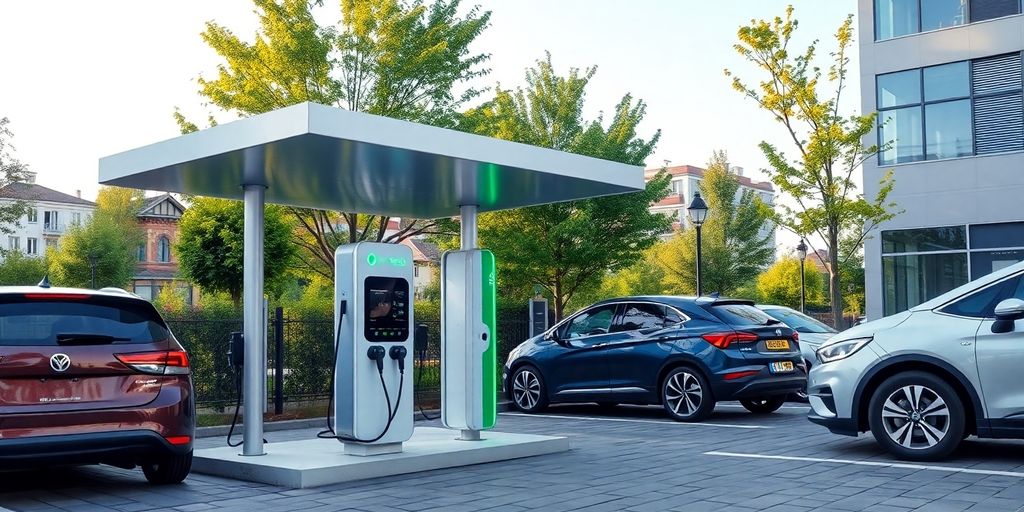
One of the smartest ways to get more EV chargers out there is to use what we already have. Think about it: parking garages, old gas stations, even those repurposed phone booths could become charging spots. This approach cuts down on construction costs and minimizes disruption. Plus, it’s a lot faster than building from scratch. For example, instead of tearing up streets, cities could install chargers in existing parking lots or integrate them into streetlights. It’s all about being resourceful and finding creative ways to fit charging stations into the urban landscape. This also means working with utility companies to make sure the power grid can handle the extra load.
Community Partnerships
Getting the community involved is key. Local businesses, neighborhood associations, and even schools can play a role in setting up and maintaining charging stations. Maybe a local coffee shop could host a charger and offer discounts to EV drivers while they wait. Or a school could use a charging station as a learning opportunity for students studying renewable energy. These partnerships not only spread the cost but also build community support for EVs. Plus, it helps to address concerns about accessibility and aesthetics. By working together, cities can create charging solutions that meet the specific needs of their residents. It’s a win-win for everyone involved. Also, EV charging solutions can be tailored to the community’s needs.
Creative Site Selection
Think outside the box when it comes to where to put charging stations. Instead of just sticking them in parking lots, consider places like parks, community centers, and even apartment complexes. The goal is to make charging as convenient as possible for EV drivers. For example, installing chargers near popular walking trails or bike paths encourages people to use EVs for recreation. Or offering charging at apartment buildings makes it easier for residents who don’t have access to home charging. The key is to find locations that are easily accessible and well-lit, and that fit seamlessly into the surrounding environment. This might also mean working with developers to include charging stations in new construction projects. It’s all about making EVs a practical choice for everyone.
Economic Benefits Of EV Charging Stations
Boosting Local Businesses
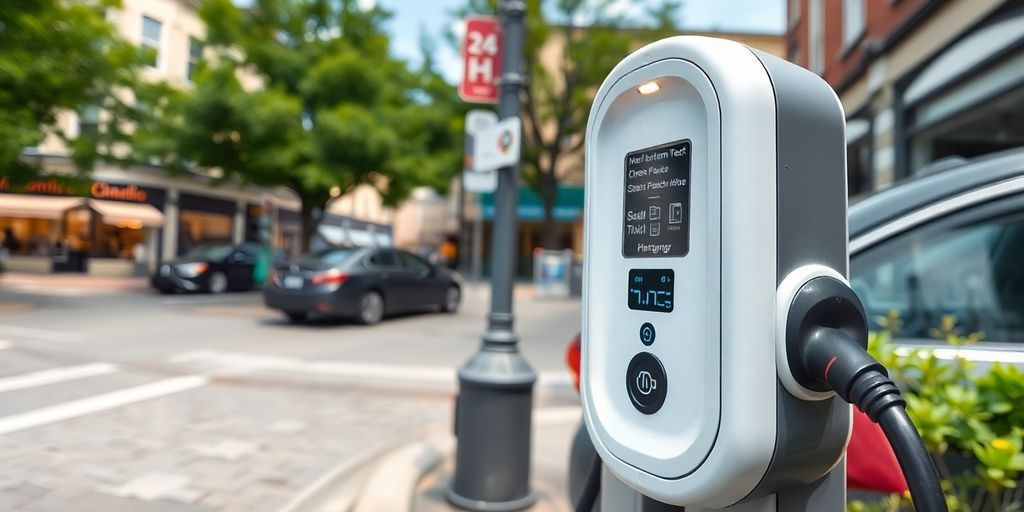
Think about it: if you’re driving an EV and need a charge, you’re going to stop somewhere that offers it. That’s where local businesses near DC EV charging stations can really benefit. It’s not just about the charging fee; it’s about the impulse buys, the meals, and the other services people use while they wait. This can lead to a noticeable increase in revenue for shops, restaurants, and other establishments in the area. It’s a simple equation: more EV drivers stopping means more potential customers.
Job Creation Opportunities
Installing and maintaining EV charging stations isn’t a hands-off process. It creates jobs! We’re talking about electricians, technicians, and customer service staff. Plus, as the network of charging stations grows, there’s a need for people to manage and oversee the entire operation. This can be a real boost for smaller cities looking to diversify their economies and provide new opportunities for residents. It’s a tangible way to invest in the future while creating jobs today. The installation costs for commercial EV charging stations can be offset by the long-term economic benefits.
Attracting New Residents
More and more people are considering electric vehicles when they move. Having a robust charging infrastructure can be a major selling point for a city. It signals that the community is forward-thinking and committed to sustainability. This can attract new residents, especially younger generations and those working in tech or other innovative fields. It’s about creating a desirable place to live and work, and EV charging stations are a key piece of that puzzle. A town with good charging options is a town that’s ready for the future.
Future Trends In EV Charging Technology
Advancements in Charging Speed
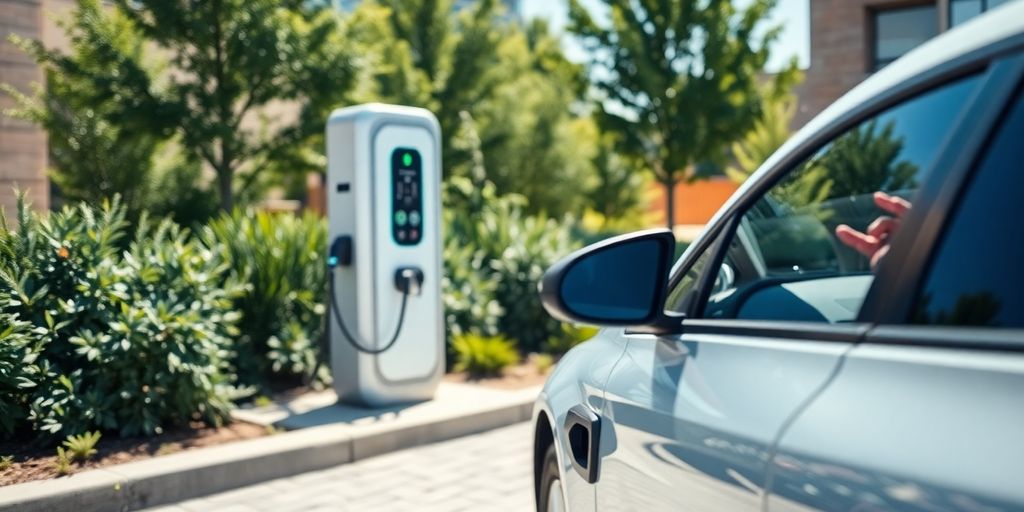
Charging speeds are a big deal. Nobody wants to wait forever to charge their car. The push is on for faster charging technologies, aiming to get EVs charged up in the same time it takes to fill a gas tank. We’re talking about extreme fast charging (XFC) that could add significant range in just a few minutes. This relies on higher voltage systems and better thermal management to handle the heat generated during rapid charging. It’s not just about the tech, though; infrastructure needs to keep up, with charging stations capable of delivering the necessary power. Tesla Superchargers can charge above 180 kW, and other companies are working on similar or even better tech.
Integration with Renewable Energy
It makes sense to power electric vehicles with clean energy, right? That’s why integrating EV charging with renewable energy sources is a growing trend. Think solar panels on charging station canopies or wind turbines nearby. This reduces the carbon footprint of EVs even further and can help stabilize the grid by using excess renewable energy to charge cars when it’s available. Smart charging systems optimize grid impact and reduce user costs. Plus, it can make charging cheaper for EV owners, especially if they can charge during off-peak hours when renewable energy is abundant.
Smart Charging Solutions
Smart charging is all about making the charging process more efficient and convenient. This includes things like:
- Load balancing: Distributing power across multiple charging stations to avoid overloading the grid.
- Scheduled charging: Allowing EV owners to set charging times to take advantage of lower electricity rates or renewable energy availability.
- Vehicle-to-grid (V2G) technology: Enabling EVs to send energy back to the grid, helping to stabilize it and potentially earning EV owners money. This is still in early stages, but the potential is huge. Imagine your car helping to power your home during a blackout or selling excess energy back to the utility company. It’s all about making the charging process smarter and more integrated with the energy grid. S&P Global Mobility estimates a need for 1.2 million Level 2 chargers nationwide by 2027.
Case Studies Of Successful EV Charging Initiatives
Examples From Rural Areas
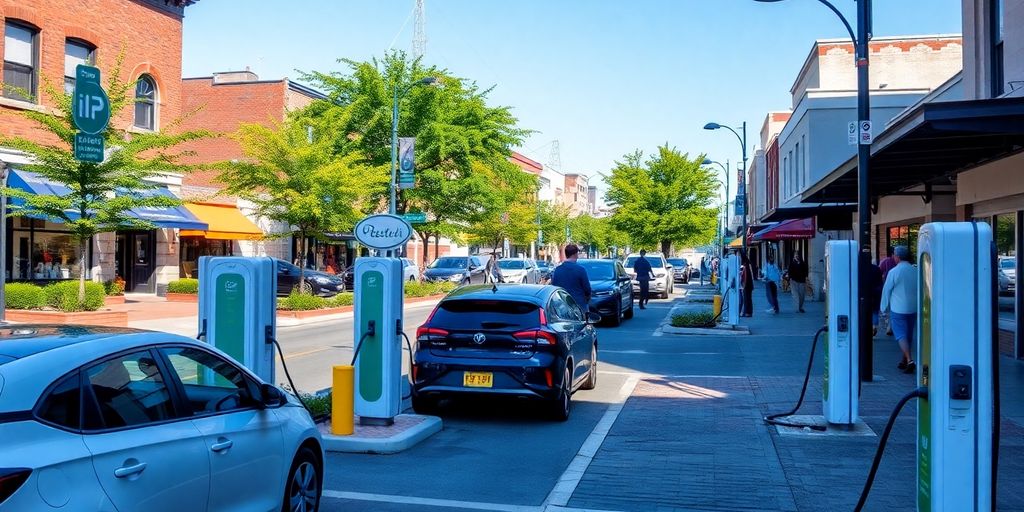
Okay, so let’s talk about some wins in the EV charging world, especially in those smaller towns. You know, the places where you wouldn’t expect to see a ton of chargers. One example that always comes to mind is the town of Greensburg, Kansas. After a tornado pretty much wiped them off the map, they rebuilt with a focus on sustainability. Now, they’ve got public EV chargers powered by renewable energy. It’s a great example of how a community can bounce back and embrace new tech. It’s not just about having the chargers, it’s about integrating them into the community’s identity. Another thing to consider is how rural electric cooperatives can play a big role. They can reduce consumer charging costs by offering flexible charging plans.
Lessons Learned From Urban Centers
Big cities have been at this EV thing for a while, so they’ve definitely learned a few things. One of the biggest takeaways is that location is everything. You can’t just stick a charger anywhere and expect people to use it. It needs to be convenient, well-lit, and safe. Think near grocery stores, libraries, or community centers. Another lesson? Interoperability is key. No one wants to download a million different apps just to charge their car. Standardized payment systems and charging protocols make life so much easier. Also, cities are figuring out that data is super important. They’re using it to track usage patterns, identify charging deserts, and plan for future infrastructure. A Harvard Business School fellow did a scholarly review of 1 million EV charging station consumer reviews, and it revealed widespread dissatisfaction with the current state of EV charging infrastructure. The deep dive estimates that drivers can successfully recharge their cars using non-residential EV equipment only 78% of the time, highlighting critical issues with reliability.
Collaborative Efforts
Honestly, no one can do this alone. It takes a village, or at least a really good partnership. We’re talking about local governments working with utility companies, private businesses, and community organizations. For example, in some areas, they’re utilizing existing infrastructure to install public EV charging stations. Think about parking garages, shopping malls, and even gas stations. These partnerships can help share the costs and risks, making it easier to get chargers in the ground. Plus, it brings different perspectives to the table, which can lead to more creative and effective solutions. Here’s a quick look at how different entities can collaborate:
- Local Governments: Provide permits, zoning approvals, and incentives.
- Utility Companies: Upgrade grid infrastructure and offer special EV charging rates.
- Private Businesses: Host charging stations on their property and attract customers.
- Community Organizations: Educate the public about EVs and advocate for charging infrastructure.
Looking Ahead: The Future of EV Charging in Smaller Cities
As we look to the future, it’s clear that smaller cities need to step up their game when it comes to EV charging stations. With the push for more electric vehicles, these towns can’t afford to be left behind. It’s not just about having a few chargers here and there; it’s about creating a network that makes owning an EV practical for everyone, no matter where they live. Local governments, businesses, and communities need to work together to make this happen. By investing in charging infrastructure, they can attract more EV drivers, boost local economies, and contribute to a cleaner environment. The road ahead may be challenging, but with the right planning and commitment, smaller cities can become key players in the EV revolution.
Frequently Asked Questions
Why do we need more EV charging stations in smaller cities?
As more people buy electric vehicles (EVs), we need enough charging stations to support them. Small cities often lack these stations, making it hard for people to switch to EVs.
What role do governments play in adding charging stations?
Governments can help by providing money and support for new charging stations. They can create programs to encourage local communities to install them.
What are ‘charging deserts’?
Charging deserts are areas with very few or no EV charging stations. This makes it difficult for people living there to own electric cars.
How can small towns improve their charging infrastructure?
Small towns can work with local businesses and community groups to find good places for charging stations. They can also use existing buildings like parking garages.
What are the benefits of having EV charging stations in local areas?
Having charging stations can help local businesses get more customers, create new jobs, and make the area more appealing to new residents.
What future trends should we expect in EV charging technology?
We can expect faster charging options, better use of renewable energy, and smart charging systems that help manage energy use.
