


So, you’re wondering, what makes an EV charging station eco-friendly? It’s not just about plugging in your electric car; it’s about how that electricity is made and how the whole charging setup impacts our planet. We’re going to look at everything from where the power comes from to how the stations are built, and even how smart tech can help make them greener. It’s all about making sure our move to electric vehicles actually helps the environment, not just shifts the problem around.
Key Takeaways
- Sustainable EV charging means using clean energy sources like solar or wind power to charge electric vehicles, which helps reduce pollution and gives drivers more control over their energy costs.
- The biggest environmental benefit of electric vehicles comes when the electricity used to charge them is generated from renewable sources, not fossil fuels.
- Smart charging systems can make EV charging even more eco-friendly by optimizing energy use and connecting to renewable energy sources, helping to balance energy demands.
- Building EV charging stations needs careful planning to avoid harming the environment, like choosing good spots and using sustainable materials.
- Governments and private groups need to work together to invest in clean energy and smart charging systems to make sure there’s enough reliable charging infrastructure for everyone.
Understanding Sustainable EV Charging
Defining Sustainable EV Charging
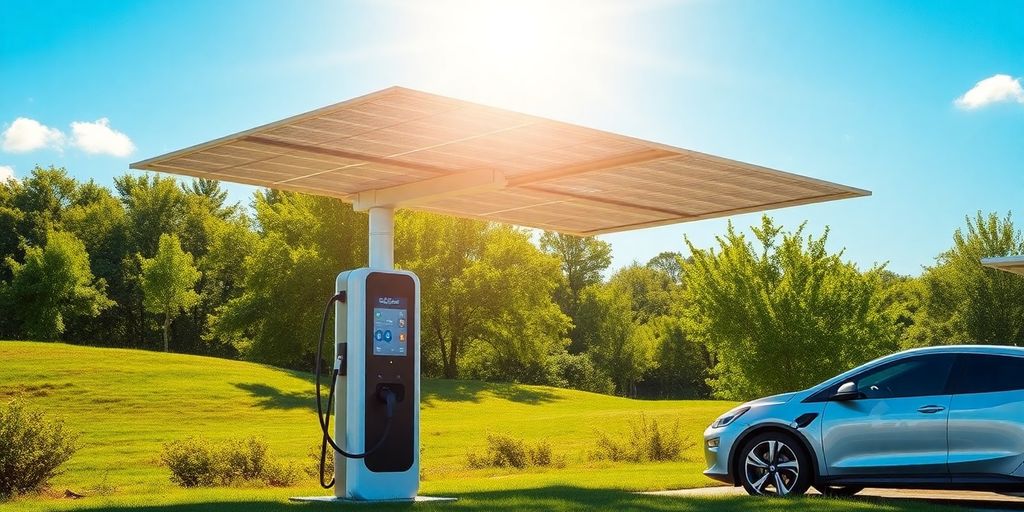
Sustainable EV charging is all about powering your electric vehicle in a way that’s good for the planet. It means using energy sources that don’t contribute to pollution or climate change. Think of it as choosing the ‘green’ option when you plug in. Instead of relying on electricity generated from fossil fuels, sustainable charging uses renewable sources like solar or wind power. This helps minimize the environmental impact of driving an EV and gives you more control over your energy costs.
Minimizing Environmental Impact
EVs are already a step in the right direction for reducing emissions, but their environmental benefits are amplified when powered by clean energy. If an EV is charged using electricity from a coal-fired power plant, some of the environmental advantages are lost. Sustainable EV charging aims to reduce the overall carbon footprint of electric vehicles, considering everything from manufacturing to driving. It’s about making sure that the entire lifecycle of your EV is as eco-friendly as possible. Using clean energy is a great way to minimize the environmental impact.
The Role of Clean Energy Sources
Clean energy sources are the backbone of sustainable EV charging. Solar, wind, and hydro power can all be used to power charging stations. For example, solar panels installed at a charging station can directly provide electricity to EVs. Wind turbines can also be connected to the grid, supplying clean energy that can be used to charge EVs. The more we rely on these renewable sources, the less we depend on fossil fuels, leading to a cleaner and more sustainable transportation system. Integrated DC charging stations can be powered by renewable energy sources.
Environmental Considerations for EV Charging Stations
Energy Source Impact
The environmental friendliness of EV charging stations is heavily influenced by where the electricity comes from. If a charging station uses renewable energy, like solar or wind, its carbon footprint is much smaller. But if it’s hooked up to a grid powered by fossil fuels, it’s indirectly contributing to pollution. It’s a bit of a trade-off, and something to keep in mind. I was reading about how some companies are trying to offset this by buying renewable energy credits, which seems like a step in the right direction.
Land Use and Ecosystems
Building charging stations requires land, and that can have consequences. We’re talking about potential habitat destruction, deforestation, and disruption of ecosystems. It’s not just about slapping a charger down anywhere. Careful planning is key. Here are some things to consider:
- Site Selection: Choosing locations that minimize environmental impact is crucial. Brownfields or already developed areas are better than untouched green spaces.
- Habitat Preservation: Implementing measures to protect or restore nearby habitats can help offset the impact.
- Ecosystem Disruption: Assessing and mitigating potential disruptions to local wildlife and plant life is essential.
Material Resources and Sustainability
Think about all the stuff that goes into building a charging station: metals, concrete, plastics. Extracting, processing, and transporting these materials uses energy and can cause pollution. Sustainable sourcing and recycling are important. I wonder if there’s a way to make urban EV charging stations out of recycled materials? That would be pretty cool. Here’s a breakdown of some key materials and their impacts:
| Material | Environmental Impact
The Impact of Clean Power for Electric Vehicles
Reducing Greenhouse Gas Emissions
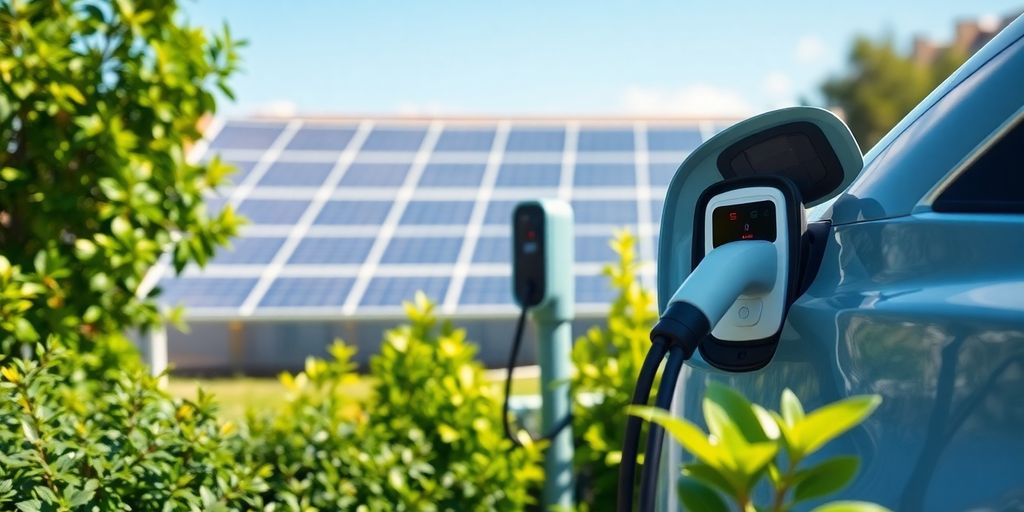
Switching to electric vehicles is a good start, but to really make a difference, we need to power them with clean energy. When EVs run on renewable sources, like solar or wind, the reduction in greenhouse gas emissions is significant. Think about it: no tailpipe emissions plus clean energy production equals a much smaller carbon footprint. It’s a one-two punch against pollution. The transportation sector is a major contributor to greenhouse gases, so this shift is crucial.
Decarbonizing the Power Grid
To maximize the environmental benefits of EVs, we need to clean up the power grid itself. It’s not enough to just have electric cars; the electricity powering them has to come from renewable sources. This means investing in solar farms, wind turbines, and other clean energy technologies. A cleaner grid benefits everyone, not just EV owners. It reduces air pollution, improves public health, and helps combat climate change. It’s a win-win situation. Here’s a quick look at how different energy sources stack up:
| Energy Source | CO2 Emissions (g/kWh) |
|---|---|
| Coal | 820 |
| Natural Gas | 490 |
| Solar | 48 |
| Wind | 11 |
Achieving a Net-Zero Future
Using clean power for EVs is a big step toward a net-zero future. It’s about more than just reducing emissions; it’s about creating a sustainable transportation system that doesn’t rely on fossil fuels. This involves a combination of things:
- Investing in renewable energy infrastructure.
- Developing smarter smart energy management systems.
- Encouraging the adoption of EVs through incentives and policies.
- Building a reliable EV charging station network.
It’s a complex challenge, but it’s one we need to tackle if we want to create a cleaner, healthier planet for future generations. By embracing clean power for electric vehicles, we can drive toward a more sustainable future. The lower lifetime carbon footprint is a great incentive.
Smart Charging Systems for Eco-Friendly EV Charging
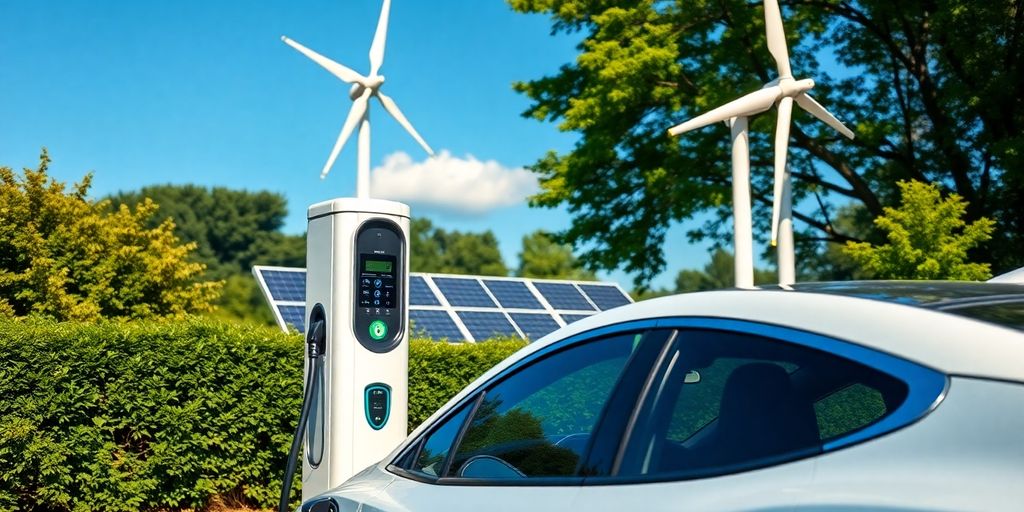
Smart charging systems are a game-changer when it comes to making EV charging more eco-friendly. They’re not just about plugging in and charging up; they’re about optimizing energy use, integrating with renewable sources, and giving users more control. It’s a smarter way to power our electric vehicles, and it’s essential for a truly sustainable transportation future.
Optimizing Energy Consumption
Smart charging systems can adjust charging rates based on real-time energy prices and availability. This means you can charge your car when electricity is cheapest and demand is lowest, reducing strain on the grid and saving you money. It’s like having a smart thermostat for your EV, automatically adjusting to the most efficient settings. Plus, some systems can even predict your energy needs based on your driving habits, further optimizing consumption. For example, Anfu offers various EV charging stations that can be integrated into smart charging systems.
Integration with Renewable Energy
One of the coolest things about smart charging is its ability to work with renewable energy sources. Imagine charging your EV with solar power generated by panels on your roof! Smart charging systems can prioritize renewable energy, ensuring that your car is powered by the cleanest possible source. This not only reduces your carbon footprint but also makes you less reliant on the traditional power grid. Some systems, like those from AMPPAL, even specialize in photovoltaic power distribution, making it easier to integrate solar power into your EV charging setup.
Real-Time Information and Control
Smart charging systems give you real-time information about your charging status, energy consumption, and costs. Through a mobile app or web interface, you can monitor your charging progress, adjust settings, and even schedule charging sessions. This level of control empowers you to make informed decisions about your energy use and optimize your charging habits.
Here are some benefits of real-time information and control:
- Convenience: Monitor charging from anywhere.
- Cost Savings: Optimize charging during off-peak hours.
- Sustainability: Prioritize renewable energy sources.
- Grid Stability: Reduce strain during peak demand.
The Future of Renewable Energy and Smart EV Charging
Advancements in Technology
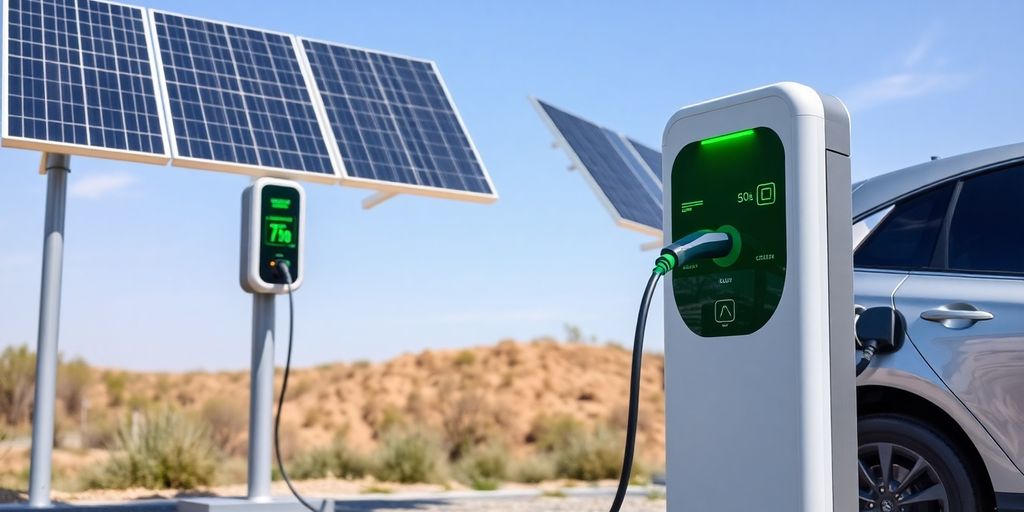
The future looks bright for renewable energy and smart EV charging! We’re seeing constant innovation, pushing the boundaries of what’s possible. Think about it: solar panel efficiency is increasing, battery storage is getting better and cheaper, and smart charging algorithms are becoming more sophisticated. These advancements are paving the way for a truly sustainable transportation ecosystem. It’s not just about plugging in your car; it’s about creating a system where energy is generated, stored, and used in the most efficient and environmentally friendly way possible.
Widespread Charging Infrastructure
Imagine a world where finding an EV charger is as easy as finding a gas station. That’s the direction we’re heading. Widespread charging infrastructure is key to mass EV adoption. We need more public charging stations, workplace charging options, and even residential charging solutions. The EV charging station industry is booming, and with government incentives and private investment, we’re seeing a rapid expansion of charging networks. This includes exploring innovative solutions like wireless charging and mobile charging units to make the process even more convenient.
Transitioning to Sustainable Transportation
The ultimate goal is a complete shift to sustainable transportation. This means not only electrifying our vehicles but also powering them with clean, renewable energy. It’s a holistic approach that addresses both the emissions from vehicles and the emissions from electricity generation. By combining renewable energy sources like solar and wind with smart charging technologies, we can minimize our reliance on fossil fuels and create a cleaner, healthier future. The wireless EV charging technology will play a big role in this transition, making it easier than ever to power our vehicles with clean energy. It’s a big challenge, but the potential benefits are enormous.
Renewables and EV Charging in Action
Balancing Energy Demands
Okay, so you’ve got all these EVs needing juice, and you’re thinking, "How do I keep the grid from exploding?" That’s where smart management comes in. It’s not just about plugging in and charging whenever you feel like it. It’s about timing. Think about it: charging during off-peak hours, when everyone’s asleep and demand is low, makes way more sense than during the afternoon when everyone’s blasting their AC. Smart charging systems can shift EV charging to these times, balancing the load and preventing brownouts.
Leveraging Clean Energy
This is where it gets really cool. Imagine your EV is powered by the sun. No, seriously. Solar panels on your roof, or even better, at the charging station itself, can directly feed power to the chargers. Wind turbines can do the same. The more we use renewable energy sources, the less we rely on fossil fuels. It’s a win-win. You’re driving clean, and you’re charging clean. It’s like a virtuous cycle of sustainability. Plus, you might even save some money on your electricity bill. I mean, who doesn’t like saving money?
Real-Time Insights and Optimization
Data is king, right? Well, it’s the same with EV charging. Smart charging stations are constantly collecting data: how much energy is being used, when are the peak charging times, how well are the solar panels performing? All this info is fed into a system that optimizes everything. It can adjust charging speeds, prioritize renewable energy, and even predict future demand. It’s like having a DC charging station guru constantly tweaking things to make sure everything runs as efficiently as possible. This real-time feedback loop is what makes the whole system truly sustainable.
Regulatory Frameworks and Environmental Impact Assessments
Okay, so you’re thinking about putting in an EV charging station. That’s great! But before you start digging, there are some rules to keep in mind. Governments all over are paying attention to the environmental side of things when it comes to EV charging infrastructure. That’s where Environmental Impact Assessments (EIAs) come in. Think of them as a way to check if your project will mess things up for the environment.
Evaluating Potential Consequences
EIAs look at all the possible bad stuff that could happen because of your charging station. This isn’t just about the station itself, but also things like how much extra energy it will use and if it will change how people use the land around it. They help figure out ways to make sure the charging station doesn’t hurt the environment too much. It’s like a pre-emptive strike against ecological damage.
Importance of Site Selection
Where you put your charging station matters a lot. EIAs check out potential spots, thinking about things like:
- Is it near any sensitive natural areas?
- Will it mess up the view?
- How will it affect the local wildlife?
The goal is to pick a spot that’s good for EV drivers but also doesn’t cause too many problems for the environment. Picking the right site is half the battle.
Public Consultation and Participation
It’s not just about what the experts think. EIAs also involve talking to people in the area, environmental groups, and anyone else who might be affected. This way, everyone gets a say, and the project can be tweaked to make sure it’s something the community can get behind. Getting public feedback is super important for making sure everyone’s happy (or at least, not too unhappy) with the project.
Conclusion
So, what’s the big takeaway here? Making EV charging stations eco-friendly is a pretty big deal. It’s not just about getting more electric cars on the road, it’s also about making sure the power they use is clean. We’ve got to think about where the electricity comes from, how we use the land, and what materials go into building these stations. If we plan things out well, using things like solar power and smart charging systems, we can really cut down on any bad environmental effects. It’s all about working together to make sure our move to electric vehicles actually helps the planet, not just shifts the problem around. It’s a big job, but totally doable if we keep sustainability in mind every step of the way.
Frequently Asked Questions
What does “sustainable EV charging” mean?
Sustainable EV charging means powering your electric car using clean energy sources like solar or wind power. This helps lower your carbon footprint compared to using electricity made from burning fossil fuels.
How does clean power for EVs help the environment?
Using clean energy for EV charging greatly reduces air pollution and greenhouse gases. It helps make the air cleaner and fights climate change by cutting down on harmful emissions from power plants.
What are smart charging systems?
Smart charging systems are like a brain for your EV charger. They can figure out the best time to charge your car to save money and use the cleanest energy available, often by working with solar panels or wind turbines.
Are reliable EV charging stations important for going green?
Yes, they are super important! Having enough charging stations that use clean energy makes it easier for more people to switch to electric cars, which is good for everyone and the planet.
How can we get more clean EV charging everywhere?
Governments and companies need to work together! They can invest in new technologies, offer help to build more clean charging stations, and teach people about the benefits of electric cars and clean energy.
What does a net-zero future look like with EVs?
It means a future where most cars are electric and run on clean energy. This will lead to much less pollution, healthier communities, and a planet that’s better protected from climate change.
