


In recent years, electric vehicles (EVs) have become more popular, leading to an increase in public charging stations. However, with this rise comes a troubling issue: vandalism and theft of charging cables. One particularly alarming act is cutting the cord of a public EV charging station while it is still connected to a vehicle. This article explores the immediate and long-term effects of such actions, the legal consequences, and the steps that can be taken to prevent these incidents.
Key Takeaways
- Cutting the cord of an EV charger can disrupt power to the vehicle, potentially causing damage.
- Vandalism of charging stations leads to increased repair costs and reduced availability for EV users.
- Legal consequences for tampering with charging equipment can include fines and community distrust.
- Community involvement and security measures are key in preventing vandalism of charging stations.
- The future of EV infrastructure depends on public support and innovative solutions to protect charging stations.
Understanding EV Charging Systems
Components of an EV Charging Station
Okay, so you pull up to one of these charging stations, but what’s actually in the thing? It’s more than just a plug. You’ve got the charging post itself, which houses all the important electrical components. Inside, there’s usually a power converter to change the voltage from the grid to what your car needs. There’s also a communication module that talks to your car to make sure everything is charging correctly. And, of course, there’s the cable and connector that you plug into your EV. Some stations also have a display screen to show you how much you’re charging and how much it costs.
How Charging Works
Charging an EV isn’t like filling up a gas tank. It’s more like a slow, steady transfer of electricity. The charging station sends AC (alternating current) power to your car. Your car then converts that AC power into DC (direct current) power, which is what the battery uses. There are different levels of charging, which determine how fast your car charges. Level 1 is the slowest, using a standard household outlet. Level 2 is faster, using a 240V outlet (like for your dryer). And then there’s DC fast charging, which is the fastest and can add a lot of miles in a short amount of time. Think of it like this:
- Level 1: trickle charge
- Level 2: a good overnight charge
- DC Fast Charging: a quick boost on a road trip
Safety Mechanisms in EV Charging
Safety is a big deal when you’re dealing with electricity, especially high-voltage stuff. EV charging stations have several safety features built in. There are ground fault circuit interrupters (GFCIs) to prevent electric shock. There are also overcurrent protection devices to prevent the station from overloading. The charging cable itself is designed to be durable and weather-resistant. And the communication between the car and the charging station includes safety checks to make sure everything is working properly before charging starts. Basically, they’ve thought of a lot of ways to keep you safe while you’re plugging in.
Immediate Effects of Cutting the Cord
Power Disruption to the Vehicle
Okay, so picture this: someone’s EV is happily charging away, and then snap, the cord is cut. The most obvious thing is that the car immediately stops charging. It’s like pulling the plug on any other appliance. The flow of electricity is gone, and the charging session is abruptly ended. No more juice for the EV, leaving the driver potentially stranded or needing to find another charging spot ASAP.
Potential Damage to Charging Equipment
Cutting a charging cable isn’t just a simple severing of wires; it can actually mess up the charging station itself. When you cut the cord, especially while it’s active, you’re potentially creating a short circuit. This surge of uncontrolled electricity can fry the internal components of the charging station. Think of it like a power surge hitting your computer – it can cause some serious damage. Replacing these parts can be expensive, and it puts the charger out of commission until it’s fixed. Some sources suggest that cutting the cord while actively charging could short 120VAC to the pilot or proximity wires, which are low voltage. That could easily fry circuitry on those lines.
Safety Risks for Users
Beyond the immediate power cut and potential equipment damage, there are real safety risks involved when someone messes with a live charging cable. Cutting a cord exposes live wires, which can deliver a nasty electric shock. Depending on the voltage and conditions, this shock could range from a tingle to something far more dangerous. Plus, damaged cables can become a fire hazard, especially if they’re left exposed to the elements. It’s not just the person doing the cutting who’s at risk; anyone who comes into contact with the damaged equipment could get hurt. Basically, it turns a public charging station into a potential hazard zone.
Long-Term Consequences of Vandalism
Impact on Charging Station Availability
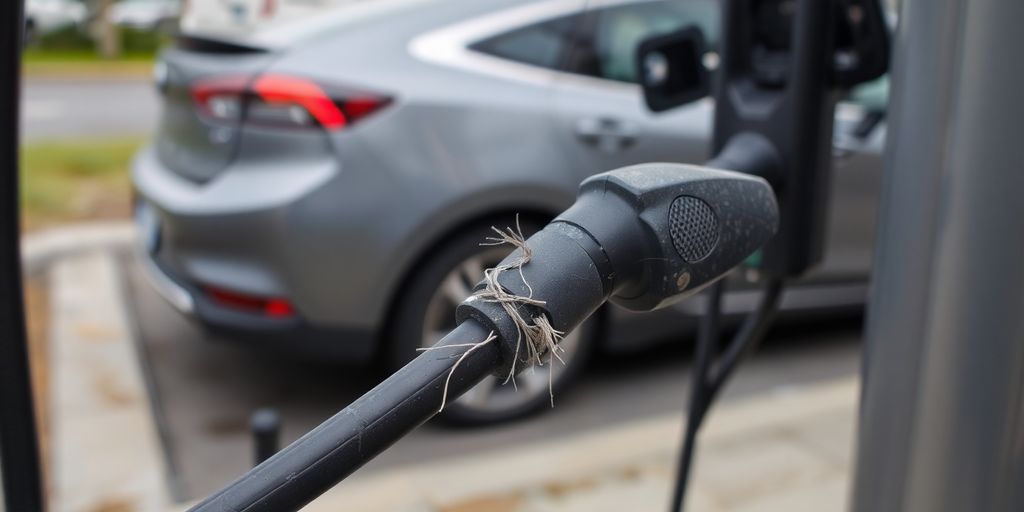
When someone messes with a public EV charging station, it’s not just a one-time problem. The biggest issue is that it takes those chargers out of service for everyone. This can be a real headache, especially in areas where there aren’t many charging options to begin with. Imagine you’re running low on battery and the only charger nearby is broken because someone decided to cut the cord. Not fun, right? This also affects planning long trips, because you can’t rely on chargers being available when you need them. Basically, vandalism makes it harder for people to use EVs, which kind of defeats the whole purpose of having them in the first place.
Financial Burden of Repairs
Fixing or replacing damaged charging cables and equipment isn’t cheap. The costs can really add up, and it’s not just the price of the parts. You’ve got to factor in the labor to install everything, plus any downtime the station experiences while it’s being repaired. All that money could be used to build more charging stations or improve existing ones. Instead, it’s going towards fixing problems that shouldn’t exist in the first place. This can slow down the growth of the EV charging network and make it more expensive for everyone to use.
Environmental Implications
It might seem weird to think about vandalism having an impact on the environment, but it does. When charging stations are out of service, people might be less likely to switch to electric vehicles. If people stick with gas cars, that means more pollution and greenhouse gases. Plus, manufacturing and installing new charging equipment uses resources and energy. So, vandalism ends up hurting the environment in a roundabout way by discouraging EV adoption and increasing the demand for new charging equipment. It’s like taking one step forward and two steps back in the fight against climate change.
Legal Ramifications of Tampering
Vandalism Laws and Penalties
Okay, so you’ve snipped a charging cable. What happens next? Well, it’s not just a slap on the wrist. Most jurisdictions treat vandalism of public property, including EV charging stations, as a serious offense. Depending on the extent of the damage and the specific laws in place, you could be facing misdemeanor or even felony charges. Penalties can range from hefty fines and community service to jail time. Plus, the cost of repairing or replacing the damaged equipment will likely be added to your tab as restitution. It’s really not worth the risk for a few bucks’ worth of copper.
Liability Issues for Damaged Equipment
Beyond the criminal charges, there’s also the issue of civil liability. If you damage a charging station, you could be sued by the station owner (whether it’s a private company or a municipality) to cover the costs of repairs, lost revenue while the station is out of service, and any other associated expenses. And if someone gets hurt because of the damaged equipment – say, someone trips over the cut cable – you could be held liable for their injuries as well. So, you’re not just messing with a machine; you’re potentially opening yourself up to significant financial and legal exposure.
Impact on Community Trust
Tampering with public EV chargers isn’t just a crime against property; it’s a crime against the community. When charging stations are vandalized, it erodes trust in public infrastructure and discourages people from adopting electric vehicles. It creates a sense of insecurity and makes people question the reliability of the charging network. This can have a ripple effect, slowing down the transition to sustainable transportation and undermining efforts to reduce carbon emissions. Plus, it makes everyone think twice about relying on public chargers, which isn’t great for anyone trying to go green. It’s a selfish act that hurts everyone in the long run.
Preventive Measures Against Vandalism
Enhanced Security Features
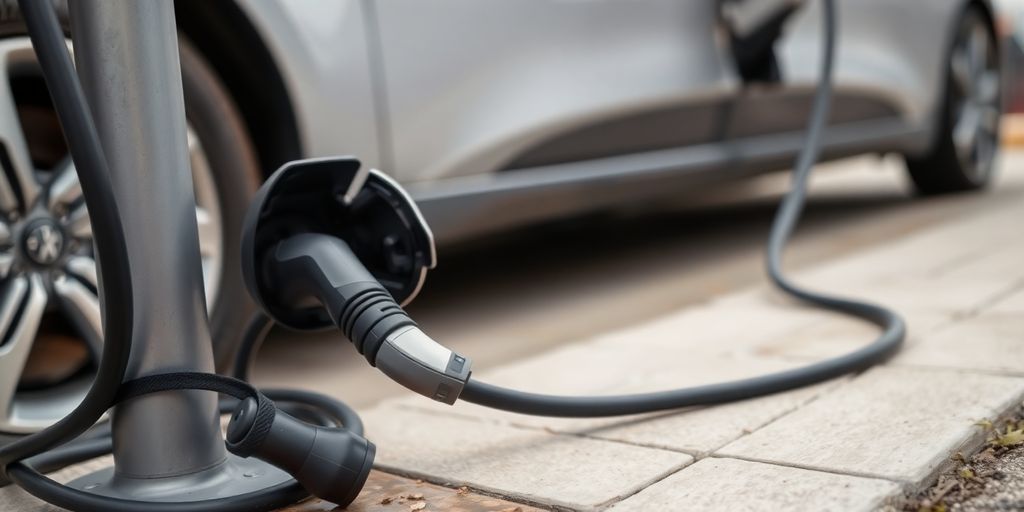
Okay, so, first things first, we gotta make these charging stations less of an easy target. Think about it – better lighting is a no-brainer. Nobody wants to mess with something when they’re under a spotlight, right? Then there’s the whole camera thing. Security cameras, especially ones that are visible, can seriously deter people from even thinking about causing trouble. And it’s not just about recording; some systems can even send alerts if they detect unusual activity. Smart stuff. We could even look at things like tougher cable housings or locking mechanisms to make it harder to get to the copper inside. Basically, make it a pain to vandalize, and they’ll probably move on to something easier.
Community Engagement Initiatives
It’s not just about tech; people power matters too. Getting the community involved is a big deal. If people feel like they own the charging stations, they’re more likely to keep an eye on them. Maybe we could set up a neighborhood watch kind of thing, or even just encourage people to report anything suspicious. Think about local businesses too – maybe they’d be willing to keep an eye on the chargers near their stores. It’s all about creating a sense of shared responsibility. Plus, educational programs could help people understand why these charging stations are important and why vandalism hurts everyone.
Legislative Actions
Okay, so sometimes you need to bring in the big guns, right? Stronger laws and penalties for messing with public charging stations could make a real difference. If people know they’re going to face serious consequences, they might think twice before cutting a cord. And it’s not just about the penalties; it’s about making sure the laws are actually enforced. We could also look at things like requiring scrap metal dealers to keep better records to make it harder to sell stolen copper. It’s a multi-pronged approach, but it could really help deter vandalism.
Public Perception and Its Impact
Negative Media Coverage
When someone messes with a public EV charging station, especially cutting the cord, it often makes the news. And not in a good way. These stories can paint a negative picture of EV ownership. People who are thinking about buying an electric car might get scared off, thinking, "Is this something I really want to deal with?"
Effect on EV Adoption Rates
All that bad press? It can actually slow down how quickly people switch to electric vehicles. If potential buyers worry about vandalism or the reliability of charging stations, they might just stick with their gas cars. It’s a bit like seeing a bunch of flat tires on the road – you might think twice about buying a car with tires!
Here’s a simple breakdown:
- Increased Vandalism Reports: Leads to more negative articles.
- Negative Articles: Cause potential buyers to hesitate.
- Hesitation: Slows down EV adoption rates.
Community Response to Vandalism
How a community reacts to this kind of vandalism is super important. Does everyone get angry and demand more security? Or do they shrug it off as a minor issue? A strong, united response against vandalism can actually help build trust in the EV infrastructure. When people see their neighbors caring about and protecting public resources, they’re more likely to support them.
Here are some ways communities can respond:
- Organize neighborhood watch programs around charging stations.
- Report any suspicious activity to the authorities.
- Support local initiatives to improve charging station security.
Future of EV Charging Infrastructure
Innovations in Charging Technology
The future of EV charging is looking pretty cool, honestly. We’re not just talking about faster charging speeds (though that’s definitely part of it). Think wireless charging pads built into roads, so your car charges as you drive. Or battery swapping stations where you can exchange your depleted battery for a fully charged one in minutes. These innovations aim to make charging as convenient as filling up a gas tank. We’re also seeing advancements in charging station design, with more focus on user experience and accessibility.
Sustainability Considerations
It’s not enough to just have more charging stations; they need to be sustainable too. That means powering them with renewable energy sources like solar and wind. Imagine charging your EV with sunshine! Plus, there’s a growing emphasis on using recycled materials in the construction of charging stations and developing more efficient charging technologies to minimize energy waste. The whole point of EVs is to be better for the environment, so the charging infrastructure needs to follow suit.
Role of Public Policy in EV Growth
Government policies play a huge role in shaping the future of EV charging. Tax incentives for buying EVs and installing charging stations are a big deal. So are regulations that require new buildings to include EV charging infrastructure. Public investment in charging networks, especially in rural and underserved areas, is also essential. Basically, without the right policies, EV adoption will be much slower. It’s up to lawmakers to create an environment that supports the growth of electric vehicles and makes charging accessible to everyone.
Wrapping It Up
So, cutting the cord of a public EV charging station while it’s still plugged into a car is not just a bad idea; it can lead to a bunch of problems. First off, it can damage the charging equipment, making it unusable for everyone else. Plus, it can cause serious issues for the car, potentially leading to costly repairs. On top of that, it creates a hassle for EV owners who rely on these stations. The bigger picture here is that vandalism like this can slow down the growth of electric vehicles and hurt efforts to go green. We need to keep our charging stations safe and functional, so everyone can enjoy the benefits of electric driving.
Frequently Asked Questions
What happens if you cut the cord of an EV charger while it’s plugged in?
Cutting the cord can cause a power disruption to the car, which might lead to damage to both the car’s charging system and the charger itself.
Is it dangerous to cut the charging cord?
Yes, it can be dangerous. There is a risk of electric shock or fire, and it can create safety hazards for anyone nearby.
What are the consequences for damaging a public EV charging station?
Damaging a public charging station can lead to legal penalties, financial costs for repairs, and reduced availability of chargers for other users.
How does vandalism of EV chargers affect the environment?
Vandalism can slow down the growth of electric vehicle use, which is meant to help reduce pollution and greenhouse gas emissions.
What can be done to prevent vandalism of EV charging stations?
Installing security cameras, improving lighting, and involving the community in monitoring can help prevent vandalism.
Why is it important to protect EV charging infrastructure?
Protecting charging stations is crucial for ensuring that electric vehicles can charge safely and conveniently, which supports the transition to cleaner transportation.
