


Electric vehicles (EVs) are changing the way we think about transportation. One of the most exciting developments in this space is Level 3 charging, which promises to make charging as quick as a coffee break. But what exactly is Level 3 charging, and which EVs come equipped with this capability? Let’s explore the ins and outs of Level 3 charging and see which cars are leading the charge.
Key Takeaways
- Level 3 charging is also known as DC fast charging, providing rapid power to electric vehicles.
- Popular EVs with Level 3 charging include the Hyundai Ioniq 6, Kia EV6, and Lucid Air models.
- Charging speeds can vary significantly among EVs, affecting how quickly you can get back on the road.
- The infrastructure for Level 3 charging is expanding, but installation costs and requirements can be a challenge.
- Future advancements in Level 3 charging technology promise even faster and more efficient charging solutions.
Understanding Level 3 Charging for Electric Vehicles
What is Level 3 Charging?
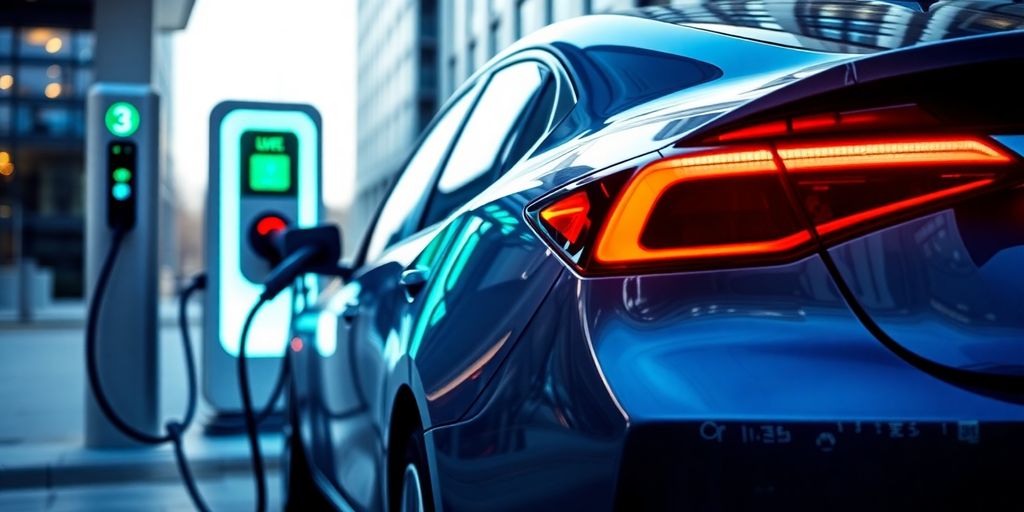
Level 3 charging, often called DC fast charging, is the quickest way to charge an electric vehicle. Unlike Level 1 and Level 2 chargers, which use alternating current (AC), Level 3 chargers use direct current (DC). This type of charging is super fast because it sends power directly to the car’s battery, bypassing the onboard charger. With power levels ranging from 50 kW to 350 kW, these chargers can juice up a car to 80% in about 30 minutes. That’s a game-changer for long road trips.
Benefits of Level 3 Charging
The main perk of Level 3 charging is speed. For drivers, this means less time waiting and more time on the road. It’s perfect for road trips or when you’re in a hurry. Businesses and cities benefit too. By installing Level 3 chargers, they can attract more EV drivers, boosting local commerce. Plus, they help reduce "range anxiety," a common worry among potential EV buyers about running out of battery before reaching a charging station.
How Level 3 Charging Works
Here’s a simple breakdown: Level 3 chargers pull in AC power from the grid and convert it to DC within the charging station. This DC power is then fed directly into the car’s battery. The charging station communicates with the car to determine the optimal power level, ensuring safety and efficiency. The connectors used are usually CHAdeMO, CCS, or Tesla’s proprietary connector, depending on the car model. It’s a seamless process, designed to get you back on the road as quickly as possible.
Top Electric Vehicles with Level 3 Charging Capability
Hyundai Ioniq 6 SE Long Range RWD
The Hyundai Ioniq 6 SE Long Range RWD is a standout when it comes to fast charging. With a peak charging power of 238 kW, this EV can add an impressive 193 miles of range in just 15 minutes. In under an hour, it can charge from 5% to 100%, making it a top choice for those who value efficiency and speed. Hyundai plans to adopt Tesla’s North American Charging Standard plug, which will allow the Ioniq 6 to access Tesla’s Supercharging network, further enhancing its appeal.
Kia EV6 Wind AWD
The Kia EV6 Wind AWD is another strong contender in the fast-charging arena. It adds 164 miles of range after just 15 minutes of charging. This EV is designed for those who need quick top-ups during long journeys. With a sleek design and robust performance, the Kia EV6 is a great option for tech-savvy drivers.
Lucid Air Grand Touring Performance
Lucid’s Air Grand Touring Performance model is all about luxury and speed. It offers an astounding 162 miles of range after just 15 minutes of charging, and can reach up to 320 miles after an hour. This vehicle combines high-end features with rapid charging capabilities, making it a favorite among luxury EV enthusiasts. Lucid’s attention to detail and performance ensures a premium driving experience.
Comparing Level 3 Charging Speeds Among EVs
Fastest Charging EVs of 2023
When it comes to electric vehicles, charging speed is a big deal. You don’t want to be stuck at a charging station for hours, right? Let’s dive into some of the fastest chargers out there for 2023.
Here’s a quick look at some top contenders:
| EV Model | 15 min | 30 min | 45 min | 60 min |
|---|---|---|---|---|
| Hyundai Ioniq 6 SE Long Range RWD | 193 mi | 263 mi | 288 mi | 291 mi |
| Kia EV6 Wind AWD | 164 mi | 241 mi | 260 mi | – |
| Lucid Air Grand Touring Performance | 162 mi | 248 mi | 299 mi | 320 mi |
These cars are showing impressive numbers, with the Hyundai Ioniq 6 leading the pack by adding up to 193 miles in just 15 minutes!
Charging Speed Metrics
Understanding charging speeds can get a bit technical, but it’s all about the power (measured in kW) your EV can handle. The higher the kW, the faster the charge. Most Level 3 chargers range from 50kW to 350kW, but not all EVs can take full advantage of the highest speeds.
Factors Affecting Charging Speed
Several things can affect how fast your EV charges:
- Battery Temperature: Too hot or too cold can slow things down.
- Charger Capacity: Not all chargers are created equal. Some offer more power than others.
- State of Charge: The lower your battery, the faster it will initially charge, but it slows down as it gets fuller.
So, when picking an EV, consider how quickly it can charge and how it fits into your lifestyle. Fast charging can make a big difference, especially if you’re always on the go.
Infrastructure for Level 3 Charging Stations
Types of Connectors Used
When it comes to Level 3 charging stations, the variety of connectors is a big deal. These connectors ensure compatibility across different electric vehicles, making charging accessible and efficient. The most common types include:
- CHAdeMO: This is often used by Japanese car manufacturers. It’s known for its reliability and widespread use.
- CCS (Combined Charging System): Widely adopted in Europe and North America, this connector supports both AC and DC charging.
- NACS (North American Charging Standard): Emerging as a new standard, especially with Tesla’s influence, it’s gaining traction.
Installation Requirements
Setting up a Level 3 charging station isn’t as simple as plugging in a toaster. It requires significant infrastructure support:
- Power Supply: These stations need a robust power supply, usually a three-phase connection, to handle the high energy demand.
- Space and Accessibility: Adequate space is necessary not just for the equipment but also for vehicles to maneuver.
- Permits and Regulations: You’ll need to navigate local regulations and obtain the necessary permits, which can vary significantly by region.
Cost Considerations
Investing in Level 3 charging infrastructure isn’t cheap, but it’s crucial for the future of EVs. Here are some cost factors to consider:
- Equipment Costs: High-powered chargers can be expensive, ranging from $10,000 to $40,000 or more, depending on the specifications.
- Installation Costs: These can add up quickly due to the need for specialized labor and potential electrical upgrades.
- Maintenance and Operation: Ongoing costs include regular maintenance and electricity, which can be substantial over time.
In summary, while the initial setup and operational costs can be high, the ability to offer fast charging is essential for supporting the growing number of electric vehicles on the road.
Future of Level 3 Charging in the EV Market
Technological Advancements
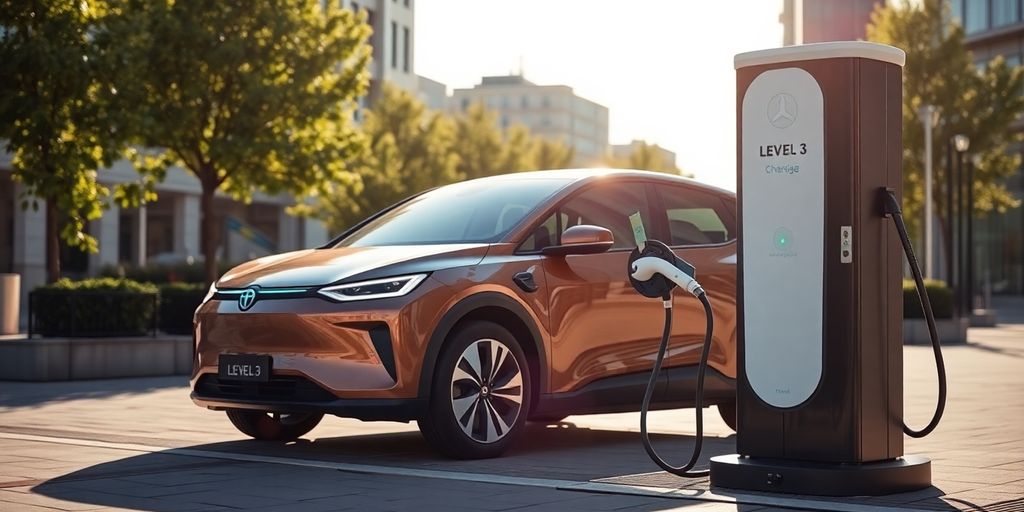
Level 3 charging is getting a lot of attention as more people switch to electric vehicles (EVs). The big deal here is how fast it can charge. We’re talking about charging an EV in minutes, not hours. New tech is pushing these chargers to be even quicker and more efficient. Companies are working on chargers that can handle more power and cool down faster, which means they can charge your car even quicker without overheating.
Market Trends
The market for Level 3 chargers is growing fast. More people want EVs, and they need places to charge them. So, we’re seeing more Level 3 chargers popping up in cities and along highways. This trend is likely to continue as EVs become more popular. Car manufacturers are also jumping on board, with many new models supporting Level 3 charging right off the bat.
Challenges and Opportunities
There are some hurdles, though. Installing these chargers can be expensive, and not every place has the infrastructure to support them. Plus, there’s the challenge of making sure all EVs can use these chargers, as different cars might need different connectors. But these challenges also bring opportunities for innovation. Companies that can solve these problems will likely lead the way in the EV charging market.
Overall, Level 3 charging is set to play a big role in the future of electric vehicles. As technology improves and more chargers become available, charging your EV will be as easy as filling up a gas tank.
Choosing the Right EV with Level 3 Charging
Factors to Consider
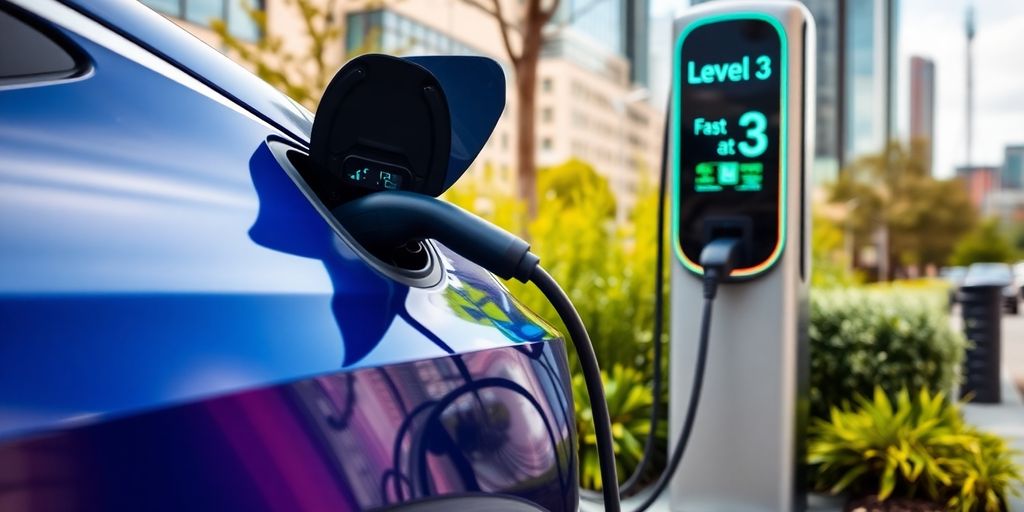
When picking an electric vehicle (EV) with Level 3 charging, there are several things you should keep in mind. First off, think about your daily driving needs. Are you someone who drives long distances regularly or just zipping around town? This will help you decide how much range you need. Then, check out the charging network in your area. If there are plenty of Level 3 chargers nearby, you’re in luck! But if not, you might need to plan your trips more carefully or consider a hybrid.
Another thing to consider is the charging speed. Not all Level 3 chargers are the same, and neither are the cars. Some EVs can handle faster charging rates than others, so if you’re in a hurry, this is something to look into. Lastly, don’t forget about the cost. EVs can be pricey, and those with faster charging capabilities might cost more upfront.
Popular Models
Here’s a quick rundown of some popular EVs that support Level 3 charging:
- Hyundai Ioniq 6 SE Long Range RWD: Known for its efficiency and range, this model is a solid choice for those who want a reliable ride.
- Kia EV6 Wind AWD: Offers a great balance between performance and practicality, making it a favorite among EV enthusiasts.
- Lucid Air Grand Touring Performance: If luxury and speed are what you’re after, this one’s for you. It’s got the bells and whistles, plus the power to match.
User Reviews
Listening to what other drivers have to say can be super helpful. Many users love the Hyundai Ioniq 6 for its smooth drive and efficiency. The Kia EV6 gets a thumbs up for its spacious interior and tech features, while the Lucid Air often wows with its luxury feel and rapid charging times.
In the end, choosing the right EV with Level 3 charging depends on your personal needs and budget. Take your time, do your research, and you’ll find the perfect match for your lifestyle.
Environmental Impact of Level 3 Charging
Energy Consumption
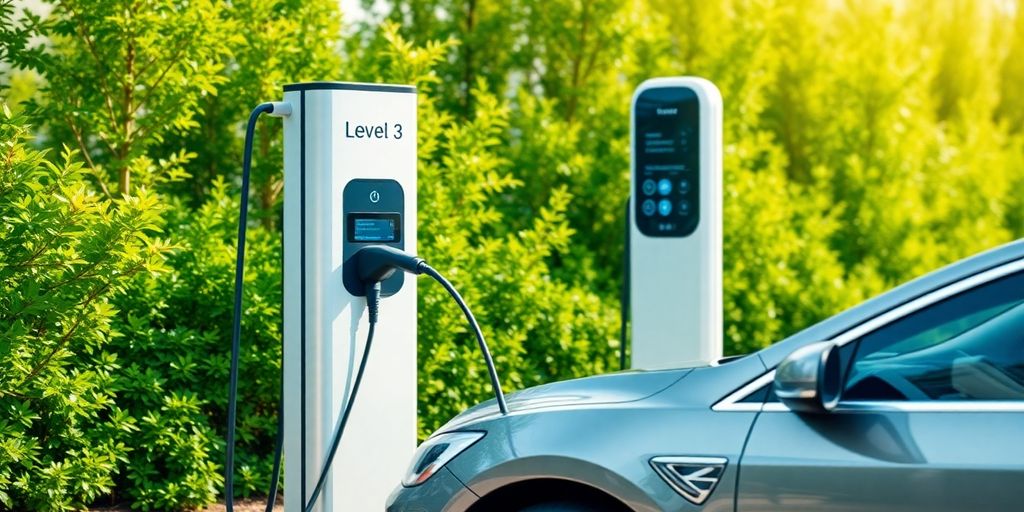
Level 3 charging, also known as DC fast charging, is a powerhouse when it comes to energy usage. These chargers can draw a significant amount of electricity, often between 50kW and 350kW. This high energy consumption is necessary to provide the rapid charging speeds that drivers love. However, it also means that the infrastructure must be robust enough to handle such demands, which can lead to increased energy costs and potential strain on local power grids.
Carbon Footprint
The carbon footprint of Level 3 charging is a mixed bag. On one hand, fast charging stations contribute to emissions if the electricity used comes from fossil fuels. On the other hand, they can significantly reduce emissions by encouraging the use of electric vehicles over gasoline-powered ones. The key is sourcing electricity from renewable resources. As more charging stations integrate solar and wind energy, the overall carbon footprint of Level 3 charging is expected to decrease.
Sustainability Initiatives
To mitigate the environmental impact, many companies and governments are investing in sustainability initiatives. This includes installing solar panels at charging stations and using energy storage systems to balance grid demand. Some initiatives aim to recycle old EV batteries for use in energy storage, further reducing waste. Additionally, there are efforts to improve the efficiency of charging stations, ensuring that less energy is wasted during the charging process. These steps are crucial in making Level 3 charging a greener option for the future.
Wrapping Up the Level 3 Charging Landscape
So, there you have it. Level 3 charging is like the express lane for EVs, getting you back on the road faster than ever. With more cars coming out that can handle these high-speed chargers, it’s clear that the future is bright for electric vehicles. Whether you’re planning a long road trip or just need a quick top-up, Level 3 chargers are making it easier to drive electric. As more of these chargers pop up, range anxiety will hopefully become a thing of the past. Keep an eye out for new models and charging stations, because the EV world is changing fast. It’s an exciting time to be part of this electric revolution!
Frequently Asked Questions
What exactly is Level 3 charging?
Level 3 charging, also known as DC fast charging, is a way to power up electric vehicles really quickly. It uses a lot of electricity to charge the car’s battery faster than regular home chargers.
Why is Level 3 charging important for EVs?
Level 3 charging is important because it helps electric cars get back on the road quickly. This is especially useful for long trips when you need to charge your car fast.
How long does it take to charge an EV with Level 3 charging?
Charging with Level 3 can take as little as 15 to 45 minutes to reach 80% battery, depending on the car and charger.
Which electric vehicles support Level 3 charging?
Some popular EVs that support Level 3 charging include the Hyundai Ioniq 6, Kia EV6, and Lucid Air models.
What are the costs of using Level 3 charging stations?
The cost can vary, but Level 3 charging is usually more expensive than charging at home. Prices depend on the location and provider.
Are Level 3 chargers available everywhere?
Level 3 chargers are not everywhere yet, but they are becoming more common, especially along highways and in cities.
