


China’s making big moves to fix the electric vehicle (EV) charging problem. With a huge chunk of the world’s EVs, they’re hustling to get more charging spots up and running. But it’s not all smooth sailing. Some places have too many chargers, others barely any. Plus, there’s the whole business side of it—can it actually make money? Then there’s battery swapping. Nio’s leading the charge there, making it quicker for folks to get back on the road. The government’s also throwing in support, trying to even things out between cities and the countryside. And let’s not forget the tech side—China’s pushing for faster charging and better batteries. There’s a lot going on, and it’s changing fast.
Key Takeaways
- China is rapidly expanding its EV charging infrastructure, aiming to balance urban and rural accessibility.
- Battery swapping, led by companies like Nio, is emerging as a swift alternative to traditional charging.
- The government is actively supporting EV infrastructure through policies and incentives.
- Fast-charging technology is advancing, with Chinese companies leading the innovation.
- Consumer feedback highlights the need for more efficient and widespread charging solutions.
China’s Rapid Expansion of EV Charging Infrastructure
Growth in Charging Points Across Major Cities
China’s electric vehicle (EV) charging infrastructure is expanding at a breakneck pace, especially in major cities. As of late 2023, the country boasts 7.6 million charging points, marking a 70% increase from the previous year. This rapid growth is fueled by China’s leading position in the global EV market, where it accounts for 60% of worldwide electric car sales. Fast chargers are now a common sight in urban areas, making it easier for EV owners to find a spot to power up their vehicles. However, the sheer number of chargers doesn’t always translate to convenience, as long queues can form during peak times.
Challenges in Rural Charging Accessibility
While cities are brimming with charging stations, rural areas tell a different story. Charging infrastructure in these regions is sparse, leaving many EV owners in a bind. On highways, especially during busy travel periods, drivers often face long waits to charge their vehicles. This uneven distribution of charging points highlights a significant challenge in China’s EV infrastructure expansion. For those living outside major metropolitan areas, the lack of charging facilities can be a major deterrent to adopting electric vehicles.
Government Initiatives to Boost Infrastructure
To tackle these challenges, the Chinese government is stepping up its efforts. Initiatives include subsidies and incentives aimed at boosting the number of charging stations, particularly in under-served areas. The government’s push is not just about increasing the number of chargers but also about ensuring they are strategically placed to maximize accessibility. Future plans include expanding the nationwide charging network to support the growing number of EVs on the road. By addressing these infrastructure gaps, China hopes to make EVs a viable option for all its citizens, regardless of where they live.
Battery Swapping: A Game Changer for China’s EV Market
Nio’s Leadership in Battery Swapping Technology
Nio is really taking the lead in battery swapping technology in China. Instead of waiting around for a charge, Nio drivers can just swap their batteries in minutes. This tech isn’t something you see everywhere else because it needs special EVs and a lot of swapping stations. But in China, it’s becoming a big deal. By the end of 2023, China had over 3,500 battery swap stations, with Nio running more than 2,300 of them.
Advantages Over Traditional Charging Methods
Battery swapping has some serious perks compared to regular charging. It’s faster than filling up at a gas station, which is a huge win for folks on the go. Plus, you can avoid the hassle of battery degradation and upgrade to better batteries as tech improves. It’s also cheaper for commercial fleets since they can buy cars without batteries and just lease them, cutting down on costs big time.
Potential for Global Adoption
While battery swapping is thriving in China, it’s not catching on as much elsewhere. The main hurdle is the need for industry-wide standards to make sure batteries are compatible across different brands. Without this, it’s tough for the concept to take off globally. Still, with the right policies and investments, it could become a global trend. For now, China is racing ahead, while other countries are just starting to walk towards this future.
Addressing the Uneven Distribution of Charging Stations
Urban vs. Rural Charging Infrastructure
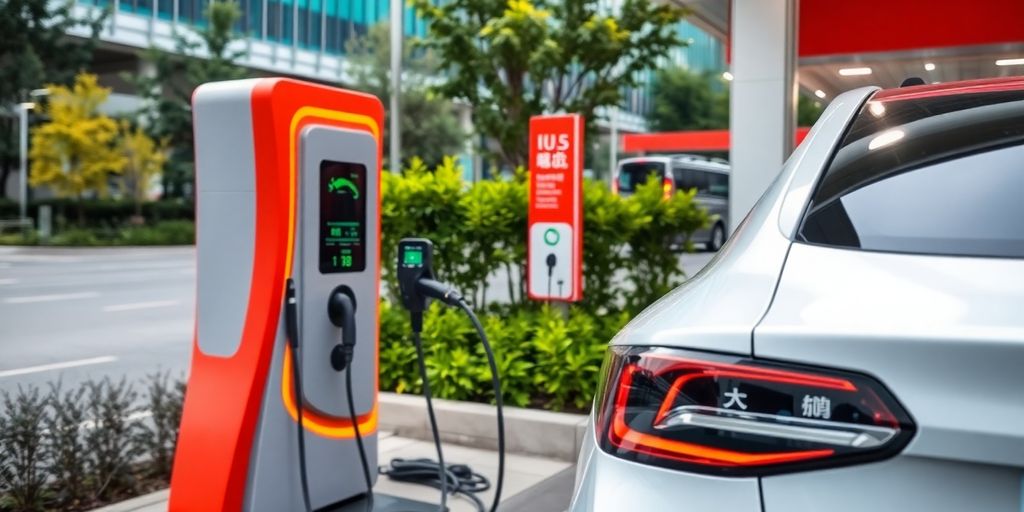
China’s electric vehicle (EV) charging network is growing fast, but it’s not even everywhere. Cities like Beijing and Shanghai are packed with charging spots, while rural areas lag behind. In big cities, finding a charging station is as easy as spotting a coffee shop. But head to the countryside, and you might be in for a long search. This uneven spread is a big headache for drivers, especially those planning long trips.
Efforts to Balance Charging Station Locations
The government and private companies are trying to fix this imbalance. They’re investing in more rural charging stations to make sure everyone has access. Here’s what they’re doing:
- Government Initiatives: New policies are pushing for more chargers in less populated areas.
- Private Investments: Companies are seeing the potential in rural markets and are starting to build there.
- Tech Innovations: Some are looking at mobile charging solutions to reach remote areas.
Impact on EV Adoption Rates
The uneven distribution of charging stations affects how many people switch to EVs. In cities, it’s easy to own an EV because charging is convenient. But in rural areas, the lack of stations can be a deal-breaker. As charging infrastructure improves, more people might consider going electric. This could boost EV sales across the country, helping China maintain its lead in the global EV market.
Innovations in Fast-Charging Technology
Development of Ultrafast-Charging Batteries
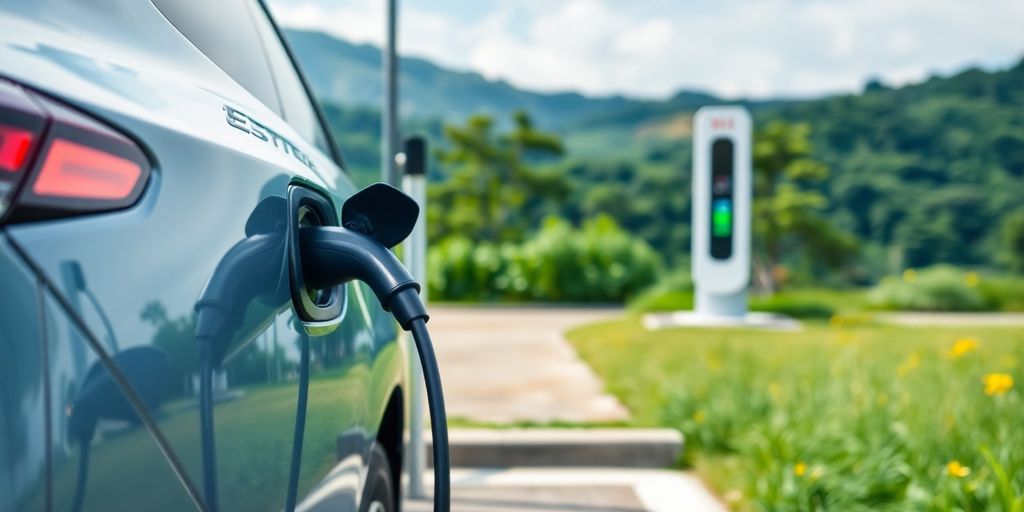
China is leading the charge when it comes to ultrafast-charging batteries for electric vehicles. Companies like CATL and Zeekr are pushing the boundaries with batteries that can charge up to 80% in just ten minutes. This kind of speed can make charging as quick as a coffee break, which is a game-changer for EV users. The rapid advancements in battery chemistry and design, including the development of silicon-based and solid-state batteries, are paving the way for even faster charging solutions.
Role of Chinese Battery Manufacturers
Chinese battery manufacturers are at the forefront of the fast-charging revolution. With a significant share of the global battery market, companies like CATL and BYD are setting new standards. Their innovations are not only about speed but also about efficiency and durability. By focusing on improving battery technology, these manufacturers are helping to reduce the overall cost of EVs, making them more accessible to the average consumer.
Challenges in Implementing Fast-Charging Networks
While the technology for fast-charging batteries is advancing, the infrastructure to support them is still catching up. High-powered chargers, necessary for these ultrafast batteries, are not yet widespread. In the U.S., for instance, only a fraction of charging stations can deliver the power needed for these new batteries. This gap highlights the need for significant investment in charging infrastructure to keep pace with technological advancements. Without the right infrastructure, even the best batteries can’t reach their full potential.
The Role of Government Policies in EV Charging Solutions
Subsidies and Incentives for Charging Infrastructure
China’s government has been a major force in the expansion of EV charging infrastructure. Substantial subsidies and incentives are provided to encourage companies to build more charging stations. These financial perks make it easier for businesses to invest in the necessary technology and infrastructure. For example, local governments often offer tax breaks or direct funding to companies that develop charging networks. This approach not only accelerates the deployment of chargers but also helps to lower the costs for consumers.
Regulatory Standards for Battery Swapping
Battery swapping is emerging as a viable alternative to traditional charging, and the government is setting the stage with regulatory standards. By establishing clear guidelines, China ensures that battery swapping stations are safe, efficient, and compatible with various EV models. These standards are crucial for the technology’s widespread adoption. The government is also working on creating a universal battery design, which could further simplify the swapping process and make it more appealing to both manufacturers and consumers.
Future Plans for Nationwide Charging Network Expansion
Looking ahead, China has ambitious plans for expanding its charging network. The government aims to ensure that EV chargers are as common as gas stations, especially in urban areas. This includes a focus on fast-charging stations that can quickly power up vehicles, reducing wait times significantly. Additionally, there are plans to improve rural charging infrastructure, addressing the current imbalance between urban and rural areas. By 2030, the goal is to have a comprehensive nationwide network that supports the growing number of EVs on the road, making electric driving a convenient option for everyone.
Commercial Opportunities and Challenges in EV Charging
Profitability of Charging Networks
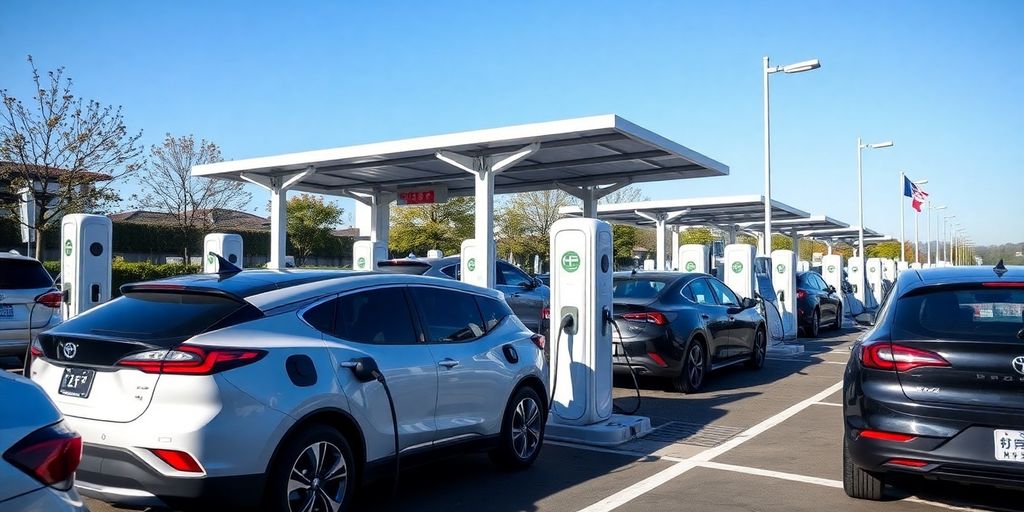
China’s rapid expansion of EV charging infrastructure presents both opportunities and challenges for businesses. Profitability remains a significant hurdle, primarily due to the uneven distribution of charging stations. Many networks struggle with low utilization rates, especially in less populated areas. This makes it tough to turn a profit despite the country’s record EV sales. Operators must find ways to increase station usage to make their investments worthwhile.
Investment in Charging Infrastructure
Investing in EV charging stations can be a lucrative venture, attracting more customers and enhancing brand image. However, the high upfront costs can be daunting. Incentives and partnerships can ease these challenges, making it more feasible for businesses to enter the market. Companies like AMPPAL offer versatile solutions with various charging speeds and user-friendly technology, helping reduce expenses and access additional incentives. Investing in commercial EV charging stations has the potential to increase revenue and customer engagement.
Collaboration Between Automakers and Energy Providers
Collaboration is key in the EV charging landscape. Automakers and energy providers need to work together to create efficient and accessible charging solutions. This partnership can lead to innovative solutions that benefit both industries. As more stations become networked, enhancing management and monitoring capabilities, the shift towards cloud-based solutions aims to improve efficiency and address the complexities of modern EV charging needs. The electric vehicle (EV) charging landscape is evolving with these advancements, paving the way for a more sustainable future.
Consumer Experiences and Feedback on EV Charging
Satisfaction Levels with Current Charging Solutions
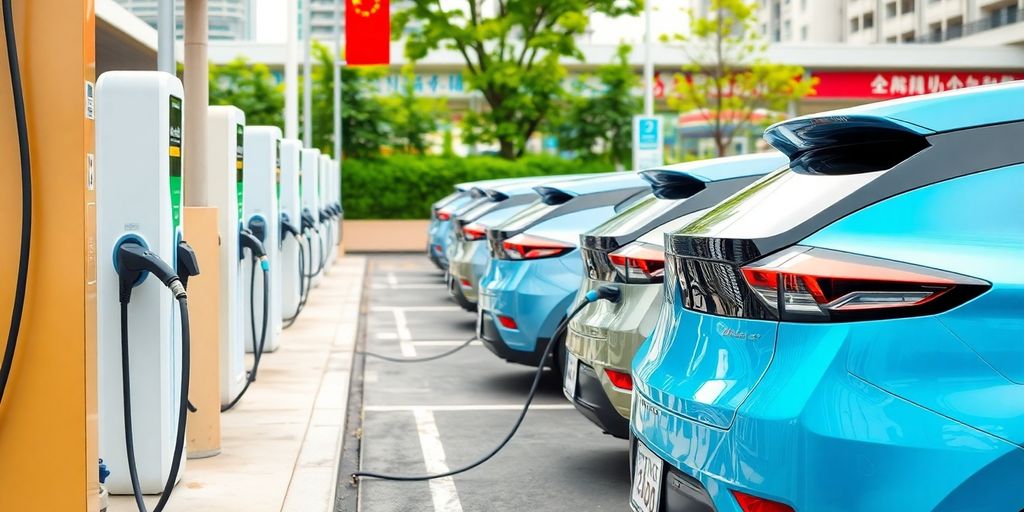
In China, the electric vehicle (EV) market is booming, but there’s a mix of feelings among drivers when it comes to charging their cars. Many drivers express frustration over the long waiting times at charging stations, especially during peak travel periods like holidays. According to a report, 70% of EV owners are not happy with the waiting times, which can exceed an hour just to get a spot at a charger. This is a common scene in urban areas where EV adoption is high, but infrastructure hasn’t quite caught up yet.
Impact of Charging Times on EV Popularity
Charging times are a big deal for EV owners. Long wait times not only test patience but also affect how people feel about owning an EV in the first place. Many potential buyers are hesitant to switch from traditional vehicles due to these concerns. In contrast, Tesla’s Supercharger network is often praised for its reliability, maintaining a 99% uptime, which sets a high bar for other providers. The quicker, more reliable charging experience is something that could potentially sway more consumers towards electric cars.
Consumer Preferences for Charging vs. Swapping
Battery swapping is gaining traction as an alternative to traditional charging. Companies like Nio have pioneered this technology, allowing drivers to swap their depleted batteries for fully charged ones in a matter of minutes. This method is particularly appealing for those who are tired of waiting at charging stations. Some users report that swapping is even faster than refueling at a gas station. However, the infrastructure for battery swapping is still developing, and not all EV models are compatible with this system. As more manufacturers explore this option, it could become a key factor in consumer decisions, potentially reducing the struggles faced by non-Tesla EV users in challenging conditions like extreme weather.
Conclusion
China is really pushing the envelope when it comes to solving the EV charging puzzle. They’re not just adding more charging stations; they’re thinking outside the box with battery swapping. This means less waiting around for drivers and more time on the road. But it’s not all smooth sailing. There’s still a lot to figure out, like making sure there are enough stations in rural areas and figuring out how to make it all profitable. Still, with the speed at which they’re moving, it’s clear China is serious about leading the charge in the EV world. It’s a big task, but if anyone can pull it off, it’s them.
Frequently Asked Questions
How is China expanding its EV charging infrastructure?
China is rapidly increasing its EV charging infrastructure by adding more charging points in major cities, although rural areas still face challenges. The government is supporting this growth through various initiatives.
What is battery swapping, and why is it important in China?
Battery swapping allows EV owners to replace a drained battery with a fully charged one in minutes. It’s popular in China because it saves time compared to traditional charging and is being led by companies like Nio.
What are the challenges with China’s current charging station distribution?
China’s charging stations are mostly in urban areas, leaving rural regions with fewer options. Efforts are being made to balance this distribution to encourage more people to adopt EVs.
How is China innovating in fast-charging technology?
China is developing ultrafast-charging batteries with help from leading battery manufacturers. These innovations aim to reduce charging times but face challenges in implementation.
What role do government policies play in EV charging solutions?
The Chinese government offers subsidies and incentives to expand charging infrastructure and has set regulatory standards for battery swapping. There are also plans to create a nationwide charging network.
What are the commercial opportunities and challenges in China’s EV charging market?
While there are opportunities for profit in charging networks, challenges include investment costs and competition. Collaboration between automakers and energy providers is key to overcoming these hurdles.
