


So, you’re thinking about letting folks who aren’t your regular customers use your EV charging stations? That’s a cool idea, but it’s not as simple as just flipping a switch. There are a bunch of things you need to think about, from local rules and permits to making sure your payment systems are safe and sound. It can feel like a lot to sort through, but understanding these points will help you get everything set up right.
Key Takeaways
- Always check with your local government about permits and rules before you install any EV chargers. Every city and state can have different requirements.
- Make sure any software you use for charging stations is secure. This means it should meet industry standards for protecting information and credit card details.
- Rules for installing EV chargers can change depending on where you are, like if you’re in the US or Canada. Also, remember to make sure your stations are easy for everyone to use, including people with disabilities.
- If you own property, especially in places like condos or apartments, there are specific rules about who can install chargers and where. Some states even have laws to protect tenants.
- When you open up charging to the public, think about how much you’ll charge and how people will pay. You want it to be fair for everyone and easy to use.
Understanding Local Regulations for EV Charging
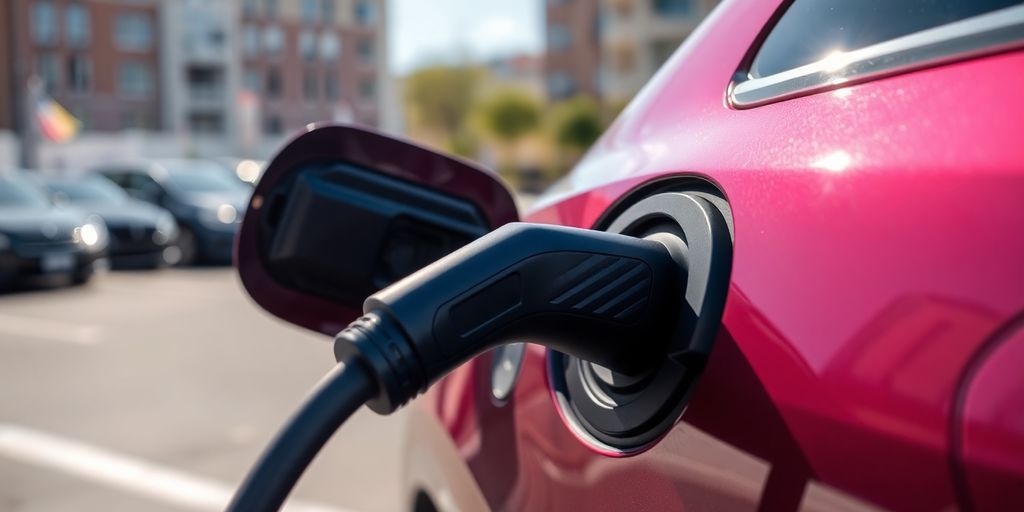
The world of EV charging is still relatively new, and that means regulations are still being developed and implemented. It can feel like a bit of a maze, but understanding the local rules is super important before you start offering charging to the public. You don’t want to get hit with fines or have to shut down your charging station business because you didn’t do your homework.
Permitting and Installation Requirements
Okay, so first things first: permits. Think of them as permission slips from your local government. The exact permits you need will depend on where you are. Installing an EV charger at an existing business will require different permits than one being installed in the parking lot of a local park. California, for example, has some of the strictest installation requirements in the US. A permit template from the Alternative Fuels Data Center should give you an idea of the typical permitting requirements you can expect. You’ll likely need permits related to electrical work, construction, and possibly even zoning. It’s a good idea to check with your city or county’s building department to get a clear picture of what’s required. Don’t skip this step!
City and State Environmental Regulations
Beyond the basic installation permits, you also need to be aware of any environmental regulations that might apply. These could cover things like:
- Stormwater runoff during construction
- Proper disposal of any waste materials
- Noise levels during operation (especially if you’re planning on 24/7 charging)
Some states and cities are more environmentally conscious than others, so the rules can vary quite a bit. Make sure you’re up to speed on both city and state regulations to avoid any surprises. You’ll need to consider city permits and local as well as state environmental regulations.
Consulting Legal and Government Representatives
Honestly, all of this can be a bit overwhelming. That’s why it’s often a good idea to talk to a lawyer who specializes in environmental or business regulations. They can help you understand the specific rules that apply to your situation and make sure you’re in compliance. Also, don’t be afraid to reach out to your local government representatives. They can often provide valuable information and guidance on navigating the permitting process. Whether you’re in the US or Canada, you’ll want to consult with an attorney and talk to local government representatives before venturing into the wondrous world of permitting requirements.
Ensuring Software Security and Compliance
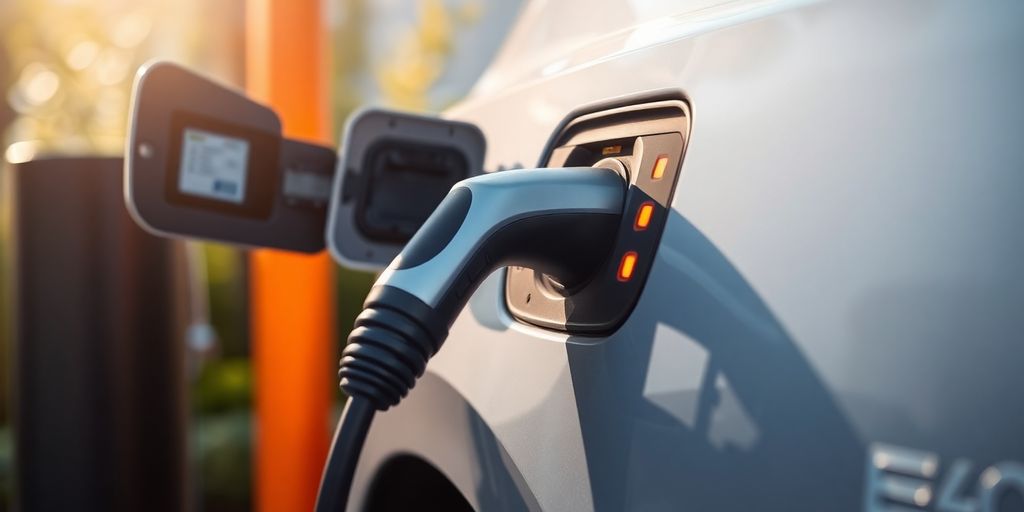
It’s easy to overlook the software side of EV charging, but it’s just as important as the hardware. You’re dealing with user data, payment information, and access control, so security needs to be a top priority. Think of it like this: a vulnerable charging station is like an open door for cyberattacks. Let’s look at some key areas.
Information Security Standards (SOC 2)
SOC 2 compliance is a big deal. It basically means a third-party auditor has checked out the service provider’s systems and processes and confirmed they meet certain standards for security, availability, processing integrity, confidentiality, and privacy. If you’re using a charging management platform, make sure they have SOC 2 certification. It gives you peace of mind knowing they’re taking data protection seriously. It’s like having a security guard for your data.
Credit Card Information Security (PCI DSS)
If you’re accepting credit card payments (which, let’s be honest, most public charging stations do), you have to comply with PCI DSS standards. This is non-negotiable. It involves a bunch of requirements for how you store, process, and transmit credit card data. Failing to comply can lead to hefty fines and, even worse, data breaches that damage your reputation. Think of it as the rules of the road for handling credit card info. You can use enterprise software to help manage this.
Data Privacy and User Experience
Data privacy is more than just a legal requirement; it’s about building trust with your users. People are increasingly concerned about how their data is being collected and used, and they have a right to know. Make sure you have a clear and transparent privacy policy that explains what data you collect, how you use it, and who you share it with. And don’t bury it in the fine print! Make it easy to find and understand. Also, consider the user experience. No one wants to spend 15 minutes trying to figure out how to start a charging session. A smooth, intuitive interface not only makes things easier for users but also reduces the risk of errors that could compromise security. Think about offering a ChargeLab app for ease of use. Here are some things to consider:
- Transparency: Be upfront about data collection practices.
- Simplicity: Make the charging process straightforward.
- Security: Implement robust measures to protect user data.
Navigating Installation and Permitting Standards
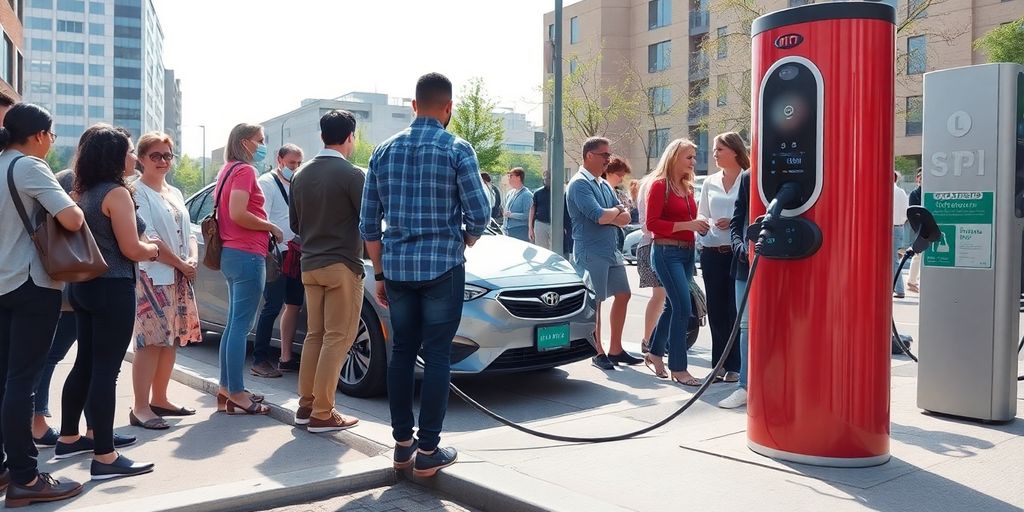
So, you’re thinking about installing EV chargers? Awesome! But before you start digging, there’s a whole world of installation and permitting standards you need to be aware of. It’s not always straightforward, but getting it right from the start will save you headaches down the road. Think of it like building a house – you wouldn’t just start hammering without checking the blueprints and local codes, right? Same deal here.
United States Standards and Guidelines
Okay, let’s talk about the US first. The thing to remember is that EV charging standards can vary wildly from state to state, and even city to city. It’s a bit of a patchwork. You might need different permits depending on whether you’re installing at an existing business versus, say, a public park. The permit template from the Alternative Fuels Data Center is a good starting point to get a feel for what’s typically required. California, with its high EV adoption rate, often has some of the most stringent rules, so their guidelines are worth a look, too.
Here are some key things to keep in mind:
- Accessibility: Compliance with the Americans with Disabilities Act (ADA) is a must. Make sure you’re providing accessible parking spaces and charging units. The AFDC has the latest guidelines on this.
- Safety: Adhering to safety standards is non-negotiable. This covers everything from the electrical work to the placement of the chargers.
- Local Regulations: Don’t skip this step! Check with your city and county to understand their specific requirements. It’s better to be safe than sorry.
Canadian Standards and Regulations
Across the border in Canada, it’s a similar story. Permitting and installation requirements change depending on the province and city. You’ll need to get in touch with local authorities before you even think about installation. The Accessible Canada Act also applies to EV charging stations, so keep that in mind.
Some things to consider:
- Provincial and Municipal Laws: Just like in the US, these vary. Do your homework!
- Safety Inspections: Canadian EV charging stations are regulated under the Electricity and Gas Inspection Act, which ensures they dispense the correct amount of electricity and meet safety requirements.
- Consult Local Experts: Talking to an attorney and local government representatives can save you a lot of trouble.
Accessibility Compliance (ADA)
Accessibility is a big deal, and for good reason. Everyone should be able to use EV charging stations, regardless of their physical abilities. This means following the ADA guidelines to ensure your charging stations are accessible to people with disabilities.
Here’s what you need to think about:
- Wheelchair-Accessible Parking Spaces: These need to be the right size and have proper access aisles.
- Charging Unit Height and Reach: Make sure the charging connectors and payment interfaces are within reach for people using wheelchairs.
- Clear Signage: Use clear and easy-to-read signs to indicate accessible charging spaces.
Getting all of this right can seem overwhelming, but it’s a crucial part of offering public EV charging. Take your time, do your research, and don’t be afraid to ask for help. Good luck!
Right-to-Charge Policies for Property Owners
It can be tricky figuring out who gets to charge their EVs where, especially when you live in an apartment or condo. Luckily, some places have "right-to-charge" policies to help make things fairer. These policies aim to remove obstacles for residents in multi-unit buildings who want to install EV chargers. Let’s break down what this means for you.
Condominium and Homeowner Association Rules
HOAs can sometimes make it difficult to install EV chargers. Right-to-charge laws are designed to prevent HOAs from unreasonably restricting your ability to install a charger in your designated parking spot. These laws often set guidelines for the approval process, ensuring it’s fair and timely. For example, Illinois law states that HOAs must provide a written decision on your application within 60 days. The policy for associations is designed to protect EV owners.
Tenant and Renter Protections
Renter protections vary more widely than those for homeowners. Some states extend right-to-charge protections to renters, while others focus solely on homeowners or condo owners. These protections often prevent landlords from charging excessive fees for charger installation or electricity use. Some key aspects include:
- Requiring landlords to approve installation requests unless there’s a valid reason for denial.
- Prohibiting landlords from charging fees for the placement of the EV charging system.
- Establishing deadlines for application approvals.
State-Specific Regulations (Illinois, New York, Oregon)
Right-to-charge laws differ significantly from state to state. Here’s a quick look at a few examples:
- Illinois: Protects both homeowners and renters, ensuring HOAs and landlords can’t unreasonably prevent charger installation. The prevailing party in disputes gets attorney fees covered. The policy for renters is clear about rights.
- New York: I couldn’t find specific information about New York’s right-to-charge policies in the provided context. You’d need to check New York state laws for details.
- Oregon: I couldn’t find specific information about Oregon’s right-to-charge policies in the provided context. You’d need to check Oregon state laws for details.
It’s important to check your local and state regulations to understand your rights and responsibilities regarding EV charging installation. These laws are constantly evolving, so staying informed is key.
Considerations for Common Area EV Chargers
Association-Installed Charging Stations
When it comes to common areas, like in condos or apartment complexes, figuring out EV charging can be tricky. One option is for the homeowner’s association (HOA) or condo board to install charging stations for everyone to use. This can be a great way to make EV charging accessible, but it also brings up a bunch of questions. Who pays for the installation? How do you decide who gets to use the chargers and when? What about maintenance and repairs? It’s a good idea to have a clear policy in place to avoid disputes and ensure fair access. For example, you might want to look at policy for associations to get some ideas.
Creating New Parking Spaces for EV Charging
Sometimes, the biggest challenge isn’t the chargers themselves, but where to put them. If you’re adding EV charging, you might need to create new parking spaces, especially if your existing parking is already tight. This can involve reconfiguring the parking lot, which can be expensive and time-consuming. Plus, you need to think about accessibility. Are the new spaces EV-capable and compliant with ADA guidelines? It’s also worth considering future-proofing. Will the new spaces be able to handle faster charging technologies as they become more common?
Separate Metering for Utilities
One of the most important things to consider is how to handle the electricity costs. If the charging stations are connected to the building’s main meter, it can be difficult to track how much electricity each EV owner is using. A common solution is to install separate meters for each charging station. This allows you to accurately bill users for their electricity consumption. However, this also adds to the installation cost and requires ongoing meter reading and billing. Another option is to use a charging station with built-in metering and payment processing capabilities, which can simplify the billing process. It’s important to avoid unreasonable fees for charging, so make sure the pricing is fair and transparent.
Financial and Operational Aspects of Public Charging
Avoiding Unreasonable Fees for Charging
Let’s be real, nobody wants to get gouged when they’re just trying to charge their EV. It’s important to think about what’s fair. Setting prices that are way higher than the actual cost of electricity can turn people off from using public chargers altogether. You’ve got to strike a balance between covering your expenses and attracting customers. Think about offering different pricing tiers, maybe a lower rate for off-peak hours, to make it more appealing.
Cost Recovery for Installation and Maintenance
Installing and maintaining EV chargers isn’t cheap. You’ve got the initial cost of the equipment, plus installation, ongoing maintenance, and electricity bills. It’s a good idea to figure out how you’re going to recoup those costs. Here are a few options:
- Charging Fees: This is the most obvious one. Set your rates so that you’re covering your costs plus a little extra for profit.
- Advertising: Sell ad space on or around your charging stations. This can bring in extra revenue without raising charging fees.
- Grants and Incentives: Look into government programs that offer financial assistance for EV charging infrastructure. There are often grants or tax credits available.
Payment Standards and User Experience
Nobody likes fumbling around with different apps or payment methods just to charge their car. You want to make the payment process as smooth as possible. Here’s what to keep in mind:
- Multiple Payment Options: Accept credit cards, mobile payments (like Apple Pay or Google Pay), and maybe even offer a membership program.
- Clear Pricing: Make sure your pricing is clearly displayed and easy to understand. No hidden fees!
- Reliable Equipment: Keep your chargers in good working order. Nothing is more frustrating than a broken charger. Regular maintenance is key. You can find more information about EV charging station fees online.
- User-Friendly Interface: The charging station’s screen should be easy to read and navigate, even in bright sunlight.
Ensuring Fair Access to EV Charging Facilities
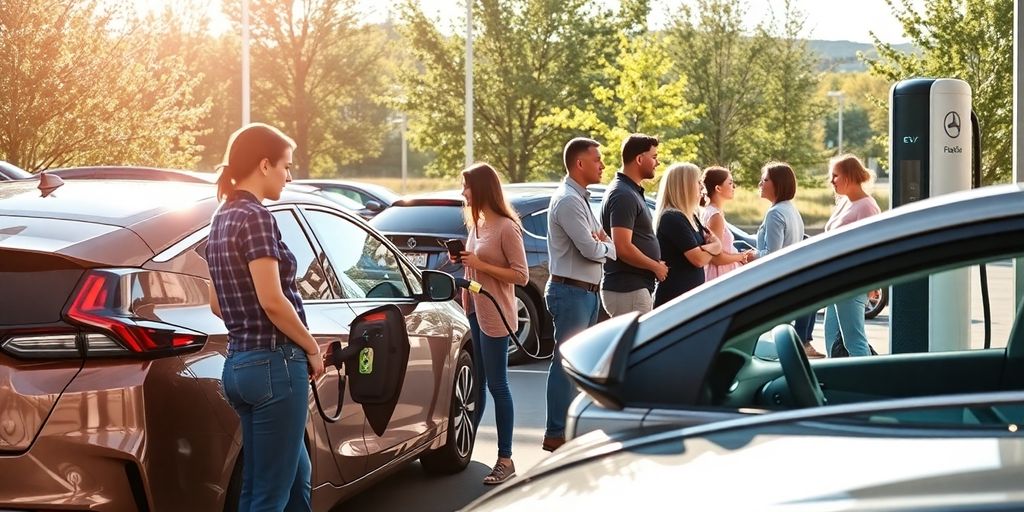
It’s not enough to just have EV charging stations; everyone needs a fair shot at using them. This means thinking about income, location, and even the type of housing people live in. Let’s break down how to make sure EV charging is accessible to all.
Accessibility for All Income Levels
One of the biggest hurdles is cost. Public charging can be way more expensive than charging at home, sometimes two or three times as much. This hits lower-income drivers the hardest. We need to find ways to level the playing field. Maybe that means more public funding for charging stations in underserved areas, or offering discounted charging rates for those who qualify. The goal is to make sure that owning an EV isn’t just for the wealthy.
Non-Discriminatory Access Policies
It sounds obvious, but it’s worth saying: access to EV charging shouldn’t be based on anything other than needing to charge your car. No discriminating based on the make or model of your EV, where you live, or anything else. A clear, fair policy is key. This also means making sure charging stations are easy to use for people with disabilities. Think about things like accessible parking spaces and easy-to-understand instructions.
Public vs. Private Use Considerations
Deciding who gets to use your charging stations can be tricky. Are they just for customers, or are they open to the public? There are pros and cons to both. Public stations can attract more business and help promote EV adoption, but they can also get crowded. Private stations, on the other hand, might be more convenient for your customers, but they don’t do much to help the broader community. Maybe a hybrid approach is the answer – offering priority charging for customers while still allowing public access during off-peak hours. It’s all about finding the right balance.
Wrapping Things Up
So, figuring out the rules for letting non-customers use your EV chargers can feel like a lot. There are all these different things to think about, from local permits to making sure your software is secure. It’s not just about plugging in a car; you’ve got to consider accessibility, too. Every state and even every city might have its own little quirks, so doing your homework is a must. But honestly, with a bit of planning and checking in with the right folks, you can get your EV charging system up and running smoothly for everyone. It’s a good step for your business and for the planet, even if it takes a little legwork upfront.
Frequently Asked Questions
What are the rules for installing EV chargers?
Laws about setting up EV chargers change a lot depending on where you are. You’ll need to check with your local city and state offices before you start. They can tell you about the permits you need and any rules about how the charger should be installed. For example, installing a charger at a store might have different rules than putting one in a park. It’s a good idea to talk to a lawyer and local government people to make sure you follow all the rules.
Does EV charging software need to be secure?
Yes, software used for managing EV charging stations needs to be very secure. This means it has to follow strict rules for protecting information, like SOC 2 for general security and PCI DSS for credit card safety. These rules apply to companies in both the US and Canada. The software also needs to make sure your personal information is kept private and that it’s easy for people to use.
Are there different installation rules in the US?
In the US, the rules for installing EV chargers can be different in each state, and even in different cities within a state. You can often find a guide from the Alternative Fuels Data Center that shows what permits you might need. California has some of the strictest rules, but also the most electric cars. It’s also important to make sure EV chargers follow the Americans with Disabilities Act (ADA), meaning they need to be accessible for everyone, including those in wheelchairs or with hearing issues.
What about Canadian rules for EV chargers?
In Canada, the rules for EV chargers are similar to the US—they vary by province and city. You’ll need to talk to your local authorities to get the right permits. The Accessible Canada Act also applies, meaning chargers need to be easy for everyone to use. Canada’s Electricity and Gas Inspection Act also makes sure that chargers give out the correct amount of electricity.
Can I install an EV charger if I live in a condo or apartment?
Many places have ‘right-to-charge’ laws that let people in condos or apartments install EV chargers. For example, in New York, homeowner associations can’t stop you from putting a charger in your assigned parking spot. They can even make new parking spots for chargers if needed. In Illinois, new buildings often need to have parking spots ready for EV charging. These laws help make sure more people can charge their electric cars at home.
How do we make sure EV charging is fair for everyone?
Yes, making sure EV chargers are fair for everyone is important. This means people from all walks of life should be able to use them, regardless of how much money they make. There should be clear rules that don’t favor some people over others. It’s also important to think about whether the chargers are for public use or just for private groups, and to make sure payment is easy and fair for everyone.
