


Thinking about getting an electric car? That’s awesome! A big part of owning an EV is figuring out how to charge it at home. It’s super convenient, but there are a few things you need to sort out first. We’re talking about everything from your home’s electricity to picking the right charger. So, what are the home charging prerequisites for an EV? Let’s break it down so you can charge up without any headaches.
Key Takeaways
- Your home’s electrical system needs to be checked to see if it can handle an EV charger.
- You’ll likely need a dedicated 240-volt circuit for faster charging.
- Picking the right charger means looking at its power and how long the cord is.
- There are costs for the charger, installation, and maybe even electrical upgrades.
- Always use licensed professionals for installation and get the necessary permits.
Understanding EV Charging Levels
When you’re thinking about getting an EV, one of the first things you’ll need to wrap your head around is the different charging levels. It’s not as complicated as it sounds, but understanding the basics can really help you figure out what kind of setup you need at home. Basically, there are three main levels, each with its own speed and requirements. Let’s break them down.
Level 1 Charging: Standard Household Outlet
Level 1 charging is the simplest and most accessible option because it uses a standard 120V household outlet. Think of it like plugging your phone into the wall. The upside is that you don’t need any special equipment or installation. The downside? It’s slow. Really slow. You’re looking at adding only a few miles of range per hour of charging. This is usually best for plug-in hybrids or for people who only drive short distances daily and can leave their car plugged in overnight. It’s more of a "topping off" solution than a full charge option. For example, 1.4kW charging requires a standard NEMA 5-15 outlet on a dedicated 120V/15A circuit. New outlets require professional installation and may require upgrades to the building’s electrical service, panel or wiring. Actual charge times will vary based on battery condition, output of charger, vehicle settings and battery temperature. See Owner’s Manuals for your vehicle and charger for details & limitations.
Level 2 Charging: Faster Home Charging
Level 2 charging is where things get more practical for most EV owners. This type of charging uses a 240V outlet, similar to what your clothes dryer or oven uses. You’ll need to equip your home with a level 2 charging station, which requires professional installation. The good news is that Level 2 charging is significantly faster than Level 1. You can add around 20-30 miles of range per hour, making it ideal for overnight charging and daily commutes. Most EV drivers will install a Level 2 charging station at home. All electric cars and charging stations sold in North America use the same plug standard, which means any car can use any Level 2 station across Canada and the United States. Level 2 stations have similar electrical requirements to a clothes dryer or stove (240 Volts/30 Amps). In most jurisdictions, a licensed electrical contractor (not an electrician) is required to install them.
DC Fast Charging: Public and Rapid
DC Fast Charging (also known as Level 3 charging) is the fastest way to charge an EV, but it’s primarily found at public charging stations. These chargers use direct current (DC) to deliver a high-voltage charge directly to the car’s battery, bypassing the onboard charger. You can add a significant amount of range in a short amount of time – think 50-100 miles in about 30 minutes. However, DC fast chargers are expensive to install and maintain, so they’re not typically used for home charging. They’re perfect for road trips or when you need a quick charge on the go. Requires professional installation of an 11.5kW (up to 48Amp max. output) PowerUP™ wall charger on a dedicated 240V/60A circuit. 9.6kW (up to 40Amp max. output) plug-in capability requires a professionally installed NEMA 14-50 outlet on a dedicated 240V/50A circuit. May require upgrades to the building’s electrical service,
Assessing Your Home’s Electrical Capacity
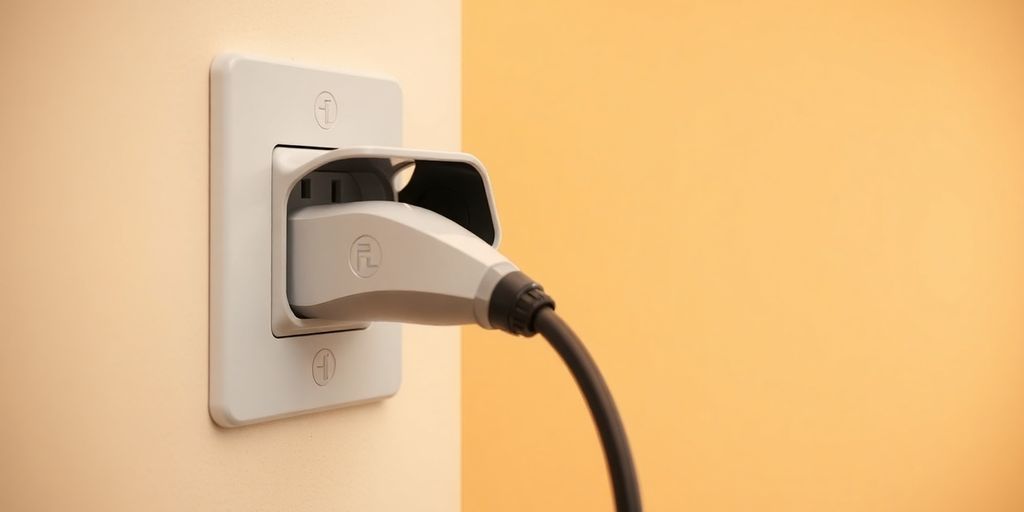
Before you even think about plugging in your new EV, it’s super important to figure out if your home’s electrical system can handle the extra load. You don’t want to be stuck with blown fuses every time you try to charge your car! It’s not as simple as just plugging it in, unfortunately. Let’s break down what you need to consider.
Current Electrical Service Panel
First things first, you need to know the capacity of your current electrical service panel. This is usually measured in amps (A), and it’s often printed right on the main breaker. Common sizes are 100A, 150A, or 200A. This number tells you how much electricity your home can safely use at any given time. If you’re not sure, it’s best to check with a qualified electrician. You don’t want to overload the system. Think of it like this: if your panel is already close to its limit with your existing appliances, adding an EV charger could push it over the edge. It’s like trying to fit too many things into a power outlet – not a good idea!
Dedicated 240-Volt Circuit Requirements
Level 2 charging is the way to go for faster charging at home, but it requires a dedicated 240-volt circuit. This is the same type of circuit used by appliances like your electric dryer or oven. You can’t just plug it into a regular 120-volt outlet and expect it to work efficiently. The good news is that public electric vehicle charging stations in BC are available if you need a faster charge on the go.
Here’s what you need to think about:
- Do you already have a 240-volt outlet in your garage? If so, great! But make sure it’s on its own dedicated circuit. Don’t try to share it with another appliance.
- If you don’t have a 240-volt outlet, you’ll need to have one installed. This usually involves running new wiring from your electrical panel to the charging location. This is definitely a job for a licensed electrician.
- The amperage of the circuit matters. A 30-amp or 40-amp circuit is common for EV charging, but check the specifications of your charger to make sure you have the right size.
Potential Electrical Service Upgrades
Okay, so what happens if your current electrical service panel isn’t up to the task? Well, you might need to upgrade it. This can be a significant expense, but it’s sometimes necessary to safely accommodate the increased electrical demand of an EV charger. It’s like needing a bigger pipe to handle more water flow.
Here are a few scenarios where an upgrade might be needed:
- Your panel is already close to its maximum capacity. If you’re constantly tripping breakers, or if you have a lot of high-power appliances, you might need a larger panel.
- You want to install a high-powered Level 2 charger. Some chargers require more amperage than your existing panel can provide.
- You’re planning to add other electrical loads in the future. If you’re thinking about adding a hot tub, a workshop, or other high-power equipment, it’s a good idea to upgrade your panel now to avoid problems later.
Upgrading your electrical service panel can involve replacing the panel itself, upgrading the wiring from the street, and potentially even working with your local utility company. It’s a complex job, so definitely get quotes from several licensed electricians. They can assess your home’s electrical needs and recommend the best course of action. Also, remember to calculate the cost of charging an EV to factor in potential electrical upgrades.
Choosing and Installing a Home Charger
Okay, so you’re ready to ditch the gas pump and embrace the electric life. Awesome! But before you can just plug in and go, you gotta figure out the whole home charging situation. It’s not as scary as it sounds, I promise. Let’s break down what you need to know about picking the right charger and getting it installed.
Selecting the Right Charging Unit
First things first, you’ve got options. We’re mainly talking about Level 2 chargers here, since Level 1 is painfully slow and DC Fast Charging isn’t really a home thing. Level 2 chargers give you a good balance of speed and cost for home use.
Consider these points:
- Charging Speed: How quickly do you need to charge? Some chargers offer higher amperage, meaning faster charging. Check your car’s maximum charging rate to avoid overspending on a charger your car can’t fully utilize. You can find EV charging station options online.
- Smart Features: Do you want Wi-Fi connectivity, app control, and the ability to schedule charging? Smart chargers can help you take advantage of off-peak electricity rates and monitor your energy usage. These features can be really useful for saving money.
- Cord Length: Make sure the cord is long enough to comfortably reach your car’s charging port, no matter how you park in your garage or driveway. Measure the distance to be sure!
- Safety Certifications: Look for chargers that are safety certified by a recognized testing laboratory (like UL or ETL). This ensures the charger meets safety standards and reduces the risk of electrical hazards.
Professional Installation Requirements
Unless you’re a licensed electrician and really know what you’re doing, this is not a DIY project. Seriously. A Level 2 charger needs a dedicated 240-volt circuit, similar to what your dryer or oven uses. Messing with electrical wiring can be dangerous and could void your home insurance.
Here’s why you need a pro:
- Proper Wiring: Electricians know how to safely and correctly install the wiring and circuit breaker for your charger.
- Permits and Inspections: Most areas require electrical permits for EV charger installations. A licensed electrician can handle the permit process and ensure your installation passes inspection. This is important for safety and code compliance.
- Safety: They can identify potential electrical issues in your home that could affect the charger’s performance or create a safety hazard. They’ll make sure your home’s electrical capacity is up to the task.
Charger Cord Length Considerations
Okay, this might seem obvious, but it’s super important. Imagine getting your new charger installed only to realize the cord barely reaches your car! Nightmare. Here’s what to think about:
- Parking Location: Where do you typically park your EV? Consider different parking scenarios (e.g., pulling in forward vs. backing in).
- Charging Port Location: Where is the charging port on your car? Front, back, driver’s side, passenger side? This makes a big difference.
- Distance to Charger: Measure the distance from the planned charger location to your car’s charging port with the car parked in its usual spot. Add a few extra feet for slack.
- Future-Proofing: If you think you might get a different EV in the future with a different charging port location, consider a longer cord to accommodate different vehicles. It’s better to have too much cord than not enough.
Most chargers come with cords between 20 and 25 feet. If you need longer, some manufacturers offer extension cords, but make sure they’re specifically designed for EV chargers and are safety certified. Don’t just use any old extension cord!
Cost Implications of Home EV Charging
Charger Unit and Installation Costs
Okay, let’s talk money. Getting set up to charge your EV at home isn’t free, but it’s usually cheaper than relying solely on public charging stations. The big costs are the charging unit itself and getting it installed. A basic Level 1 charger costs of charging (the kind that plugs into a regular outlet) is super cheap because, well, it’s just a cable. But it’s also slow. Level 2 chargers give you way faster charging, but they need professional installation, which adds to the bill.
Think of it like this:
- Level 1 Charger: Minimal cost, slow charging.
- Level 2 Charger: Higher upfront cost, much faster charging.
Installation costs can vary a lot depending on your home’s wiring and how far the charger is from your electrical panel. Get a few quotes from electricians before you commit!
Potential Electrical Upgrade Expenses
Here’s where things can get a little hairy. Your home’s electrical system might need an upgrade to handle the extra load of an EV charger. This is especially true if you have an older home or a smaller electrical service panel. You might need a new dedicated circuit, or even a whole new panel.
Things to consider:
- Panel Capacity: Is your current panel big enough? (100 amp, 200 amp, etc.)
- Dedicated Circuit: Do you have a spare 240-volt circuit, like for a dryer or stove?
- Wiring Distance: How far is the charger from the panel? Longer distances mean more expensive wiring.
Upgrading your electrical service can add a significant chunk to the overall cost, so it’s important to factor this in from the start. It’s not uncommon to need a commercial EV charging stations if your home can’t handle the load.
Ongoing Electricity Costs
Once you’re all set up, you’ll have to pay for the electricity you use to charge your EV. The good news is that electricity is usually cheaper than gasoline, so you’ll likely save money in the long run. But it’s still worth thinking about how much you’ll be spending.
Factors that affect your electricity costs:
- Electricity Rates: Prices vary depending on where you live and the time of day.
- Charging Habits: How often and how much you charge your car.
- Battery Size: Larger batteries take more electricity to fill up.
Check with your local utility company to see if they offer time-of-use rates, which can save you money by charging during off-peak hours (usually at night).
Maximizing Charging Efficiency and Savings
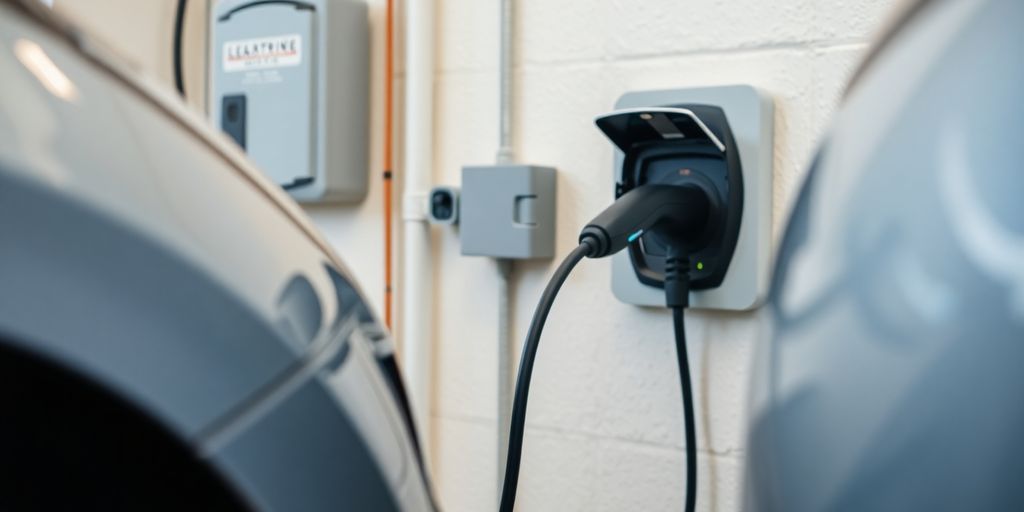
Optimal Charging Times for Cost Savings
Okay, so you’ve got your home charger installed. Now, how do you save some cash while keeping your EV juiced up? Timing is everything. Electricity rates aren’t constant; they fluctuate throughout the day.
- Peak Hours: These are the times when everyone’s using a ton of electricity (think evenings when people get home from work). Avoid charging during these hours because you’ll pay a premium.
- Off-Peak Hours: Usually late at night or early in the morning. Electricity is cheaper because demand is lower. This is your charging sweet spot.
- Mid-Peak Hours: Shoulder periods between peak and off-peak. Rates are usually moderate.
Benefits of Overnight Charging
Overnight charging is a game-changer. Not only do you wake up to a full battery, but you also take advantage of those sweet, sweet off-peak electricity rates. It’s like getting a discount on every mile you drive! Plus, it’s super convenient. Plug in before you go to bed, and forget about it. Most EV owners do more than 80% of their charging at home, so making the most of it is key.
Understanding Time-of-Use Electricity Rates
Time-of-Use (TOU) rates are how electricity companies charge different prices based on the time of day. It’s all about supply and demand. If you’re not already on a TOU plan, it’s worth checking if your utility company offers one. Here’s a basic breakdown:
| Time of Day | Rate | Benefit |
|---|---|---|
| Peak (e.g., 4-9 PM) | Highest | Avoid charging during these times. |
| Mid-Peak | Moderate | Okay if you need a quick top-up. |
| Off-Peak (e.g., 11 PM-6 AM) | Lowest | Ideal for overnight charging. |
Understanding these rates is crucial for fleet EV charging. Call your electricity provider and ask about their TOU plans. They can give you the specifics for your area. Once you know the schedule, you can set your charging schedule accordingly. Many EVs and chargers let you schedule charging, so you can set it and forget it. You’ll be saving money without even thinking about it!
Safety and Permitting for Home EV Charging
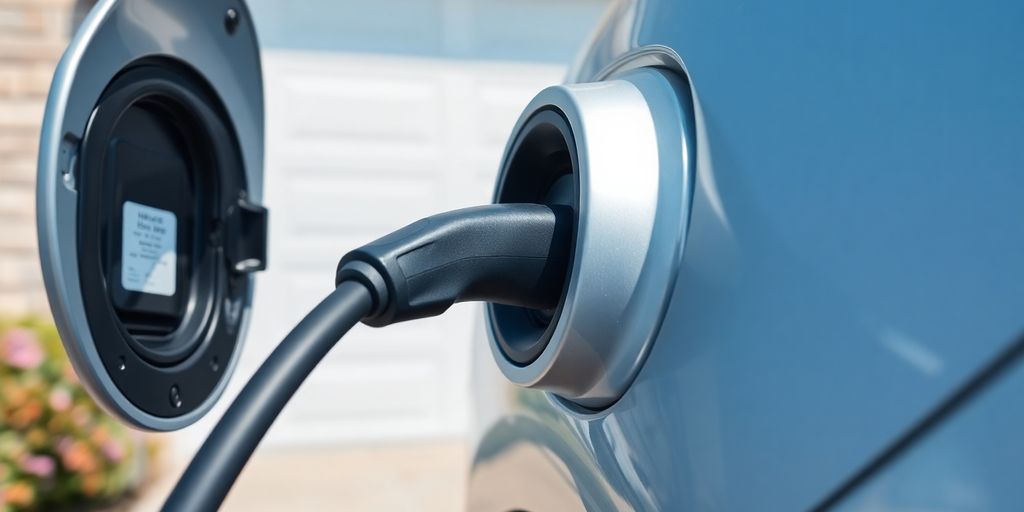
Okay, so you’re thinking about getting an EV charger installed at home? Awesome! But before you jump in, let’s talk safety and permits. It’s not exactly the most thrilling part, but it’s super important to make sure everything’s done right. Trust me, you don’t want to mess around with electricity.
Importance of Licensed Electricians
Seriously, don’t try to DIY this. I know, YouTube makes everything look easy, but dealing with high-voltage stuff is a whole different ballgame. Always, always hire a licensed electrician for your EV charger installation. They know the codes, they know how to handle the wiring, and they can spot potential problems before they become actual problems. Plus, if something goes wrong and you didn’t use a licensed electrician, your insurance might not cover it. Not worth the risk, right?
Required Electrical Permits
Yep, you’ll probably need a permit. Most places require electrical permits for any kind of significant electrical work, and installing an EV charger definitely counts. Your electrician should be able to handle this for you – they’ll know what permits are needed and how to get them. Don’t skip this step! It’s there to make sure the installation meets safety standards. Think of it as a little extra peace of mind. The electrical permit requirements vary depending on your location, so it’s best to check with your local authorities.
Safety Inspections for EV Chargers
Once the charger is installed, there’s usually a safety inspection. An inspector will come out to make sure everything was done correctly and that it meets all the safety codes. This is another reason why using a licensed electrician is so important – they’ll make sure the installation is up to snuff and ready to pass inspection. It’s like a final check to ensure your home EV charging setup is safe and sound. This is especially important in multi-unit dwellings where the electrical infrastructure can be complex.
Available Incentives and Rebates
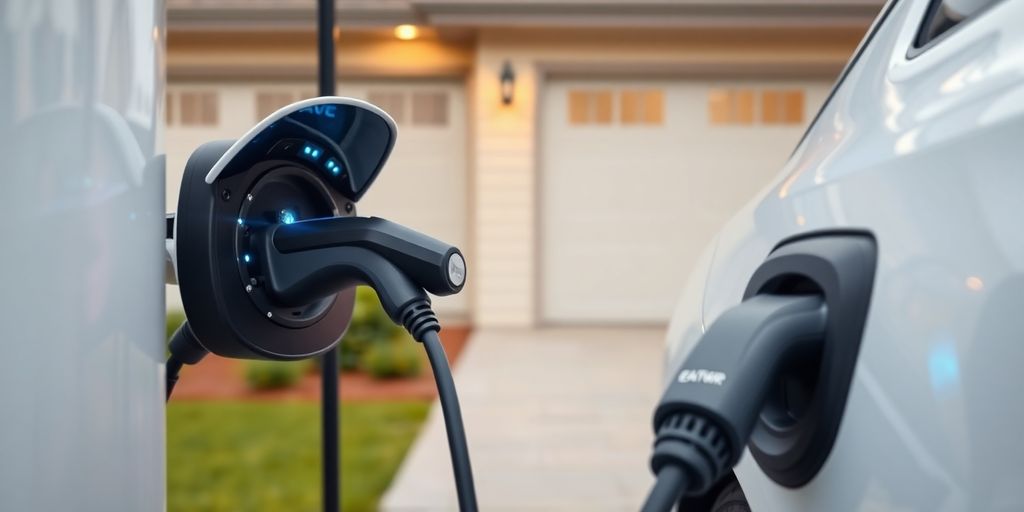
Okay, so you’re thinking about getting an EV charger installed at home? That’s awesome! But let’s be real, the costs can add up. Good news is, there are a bunch of incentives and rebates out there that can seriously help ease the financial burden. It’s definitely worth looking into what’s available in your area. I mean, who doesn’t like saving money, right?
Provincial and Federal Programs
Alright, so the first thing you gotta know is that there are both provincial and federal programs designed to encourage people to switch to EVs and install home chargers. These programs can come in the form of rebates, grants, or even tax credits. The specifics really depend on where you live, so doing a little digging is key. For example, the Zero-Emission Vehicle Infrastructure Program (ZEVIP) is a federal initiative that provides funding for EV chargers in multi-unit residential buildings and workplaces. Don’t just assume there’s nothing available – you might be surprised!
Rebates for Single-Family Homes
If you’re living in a single-family home, you might be eligible for rebates that cover a portion of the cost of buying and installing a home EV charger. I’ve seen some provinces offering up to 50% of the installation cost back as a rebate! That can make a huge difference. The best way to find out what’s up for grabs is to check with your provincial energy provider. They usually have all the details on eligibility requirements and how to apply. Also, don’t hesitate to ask your electrician; they often know about these programs too and can point you in the right direction. These rebates can significantly reduce your initial investment.
Incentives for Multi-Unit Dwellings
Living in an apartment or condo? Don’t worry, you’re not left out! There are incentives specifically for multi-unit dwellings (MURBs) to install EV charging stations. This is great because it makes EV ownership more accessible for everyone, even if you don’t have a private garage. These incentives can help cover the costs of installing multiple chargers, which is a big win for building owners and residents alike. Again, check with your provincial and federal programs to see what kind of EV charger incentives are available for MURBs in your area.
Wrapping Things Up
So, getting your home ready for an EV charger might seem like a lot to think about at first. You’ve got to check your electrical panel, figure out what kind of charger makes sense for you, and maybe even look into some rebates. But honestly, once you get it all set up, it’s super convenient. Imagine just plugging in your car when you get home and waking up to a full battery every morning. No more trips to the gas station, no more waiting around at public chargers. It’s a pretty sweet deal, and with a little planning, you’ll be all set to enjoy the easy life of EV ownership.
Frequently Asked Questions
Can I just plug my electric car into a regular wall outlet at home?
You can use a regular 120-volt home outlet, which is called Level 1 charging. Your EV usually comes with the right adapter for this. However, it’s pretty slow, so it’s best for when your car can sit for many hours, like overnight.
What’s the best way to charge my EV quicker at home?
For faster charging at home, you’ll want a Level 2 charger. This uses a 240-volt circuit, similar to what your clothes dryer or oven uses. It cuts down charging time significantly compared to a standard outlet.
Do I need to do anything special to my home’s electricity before installing a charger?
Before getting a Level 2 charger, you need to check your home’s electrical system. A qualified electrician can tell you if your current setup can handle the extra power or if you’ll need upgrades to your electrical panel or new wiring.
How much does it cost to set up an EV charger at home?
The total cost includes the charger unit itself, the professional installation by an electrician, and possibly upgrades to your home’s electrical system if needed. It’s a good idea to get quotes from a few different electricians.
When is the best time to charge my electric car to save money?
Charging overnight is usually the smartest move. Many electric companies offer special rates where electricity is cheaper during off-peak hours, like late at night. This can save you a good amount of money on your electricity bill.
Are there any safety rules or permits I need for home EV charging?
Yes, it’s super important! Always hire a licensed electrician for any EV charger installation. You’ll also likely need to get permits from your local government, and a safety inspection will be required to make sure everything is installed correctly and safely.
