


As electric vehicles (EVs) gain popularity, car dealerships are starting to embrace the importance of having EV charging stations on their lots. This shift not only caters to the growing demand for electric vehicles but also serves as a strategic move to attract more customers. In this article, we’ll explore what are the EV charging stations at car dealers, their types, benefits, and how they fit into the future of automotive sales.
Key Takeaways
- EV charging stations are essential for dealerships to meet increasing consumer demand for electric vehicles.
- There are different types of charging stations, including Level 1, Level 2, and DC fast chargers.
- Integrating charging stations can enhance customer engagement and provide additional sales opportunities.
- The costs of installation can be offset by various incentives and tax credits available for dealerships.
- Partnerships with charging network providers can enhance the dealership’s offerings and attract more eco-conscious customers.
EV Charging Stations In Auto Dealerships
Importance Of EV Charging Stations
Okay, so, electric vehicles are becoming a big deal, right? Dealerships are starting to realize that having EV charging stations isn’t just a nice perk, it’s pretty important. More and more people are considering buying EVs, and they expect places to charge them. Dealerships that offer charging are showing they’re serious about EVs and are ready to support their customers’ needs. It’s about staying relevant and attracting a new wave of buyers.
Benefits For Dealerships
Having charging stations can really help dealerships out. First off, it brings people in! EV owners might choose your dealership for service or even to buy a car just because you have chargers. Plus, it can boost the dealership’s image. It shows you’re forward-thinking and care about the environment. And, let’s not forget, you can even make some extra money from the charging itself. It’s a win-win, really.
Consumer Preferences
What do EV drivers actually want? Well, they want convenient and reliable charging. They want to be able to charge up while they’re browsing cars or waiting for service. They also appreciate dealerships that offer different charging speeds – Level 2 for a decent charge while they shop, or DC fast charging for a quick boost. Basically, dealerships that understand these needs and cater to them are going to be more successful in the EV market.
Types Of EV Charging Stations Available
Okay, so you’re thinking about putting in some EV chargers at your dealership. Cool! But before you start digging up the parking lot, you gotta know what kind of chargers are out there. It’s not just plug-and-go; there are different levels, and they all have different speeds and costs. Let’s break it down.
Level 1 Charging Stations
Level 1 is like the turtle of EV charging. It’s the slowest, but it’s also the simplest. Basically, it’s a standard 120V outlet – the same one you use for your toaster. You just plug the car in, and it charges… eventually. We’re talking miles per hour of charge here, not minutes. For dealerships, Level 1 is probably only useful for topping off a car overnight or something. Don’t expect customers to line up for this one.
Level 2 Charging Stations
Now we’re getting somewhere. Level 2 chargers use 240V, which is the same voltage your dryer or oven uses. That means they charge way faster than Level 1. You’ll need to get these professionally installed, but they’re a good middle ground for dealerships. Customers can get a decent charge while they’re browsing the showroom or waiting for service. Plus, they’re not crazy expensive to install. Here’s a quick comparison:
| Charging Level | Voltage | Typical Amperage | Miles of Range per Hour (approx.) |
|---|---|---|---|
| Level 1 | 120V | 12A | 3-5 |
| Level 2 | 240V | 16-80A | 12-30 |
DC Fast Charging Stations
Alright, buckle up, because DC Fast Charging (DCFC), also known as Level 3, is where it’s at for speed. These things are POWERFUL. We’re talking 480V or higher, and they can add a ton of miles to an EV in a short amount of time. Think of it like a gas station for EVs. The downside? They’re expensive to install and require a lot of power. But if you want to attract EV drivers who need a quick charge, DCFC is the way to go. Some dealerships are even putting in media screens on these things to show ads while people charge. Pretty smart, huh? Also, some companies are making portable DC fast chargers now, which is kind of cool. You can just wheel them around to different cars. One thing to keep in mind is that not all EVs can handle DC fast charging, so it’s good to have a mix of options available.
Integrating Charging Stations Into Dealerships
Showroom Charging Solutions
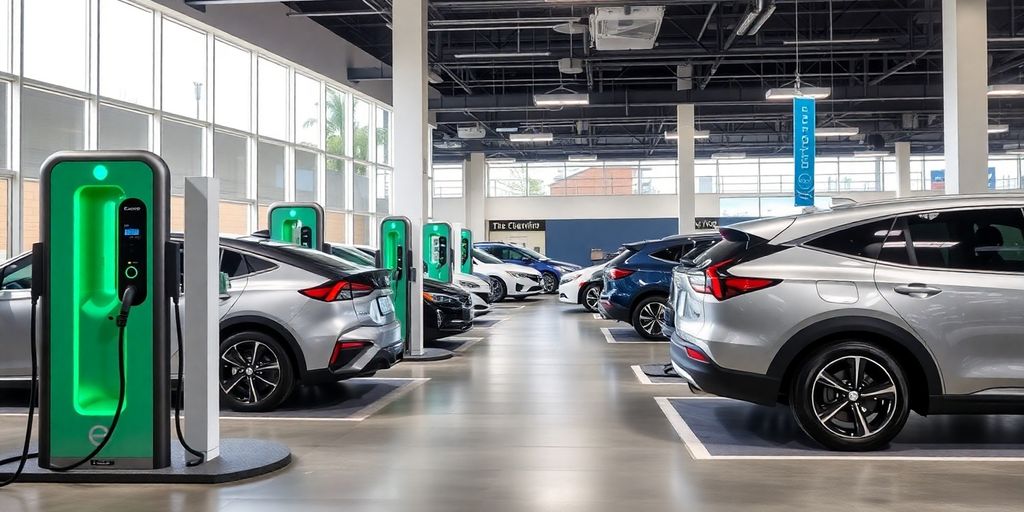
Okay, so you’re thinking about putting chargers in the showroom? Makes sense. Having a visible charging station right there can really grab a customer’s attention. It shows you’re serious about EVs. You could set up a Level 2 charger right next to your newest electric model. It’s a great way to show people how easy it is to charge. Plus, it gives salespeople a chance to talk about charging times and all that good stuff. It’s all about making the EV experience feel real and accessible.
Service Area Charging
Don’t forget the service area! EVs need maintenance too, and sometimes they might need a charge while they’re waiting. Having charging stations in the service area is just good customer service. It can also be a nice little revenue stream. You could offer free charging as part of a service package, or charge a small fee. It’s all about adding value for your customers and making their lives easier. Plus, it keeps them happy while they wait for their car to be ready.
Customer Engagement Strategies
Alright, so you’ve got the chargers, now what? You need to get people using them! Think about offering special deals for EV owners who charge at your dealership. Maybe a discount on parts or service. You could also host EV events to get people excited about electric cars. And don’t forget social media! Post pictures of your charging stations and talk about the benefits of EVs. It’s all about building a community and getting people talking about your dealership as an EV-friendly place. Word of mouth is still powerful, you know?
Cost Considerations For EV Charging Stations
Installation Costs
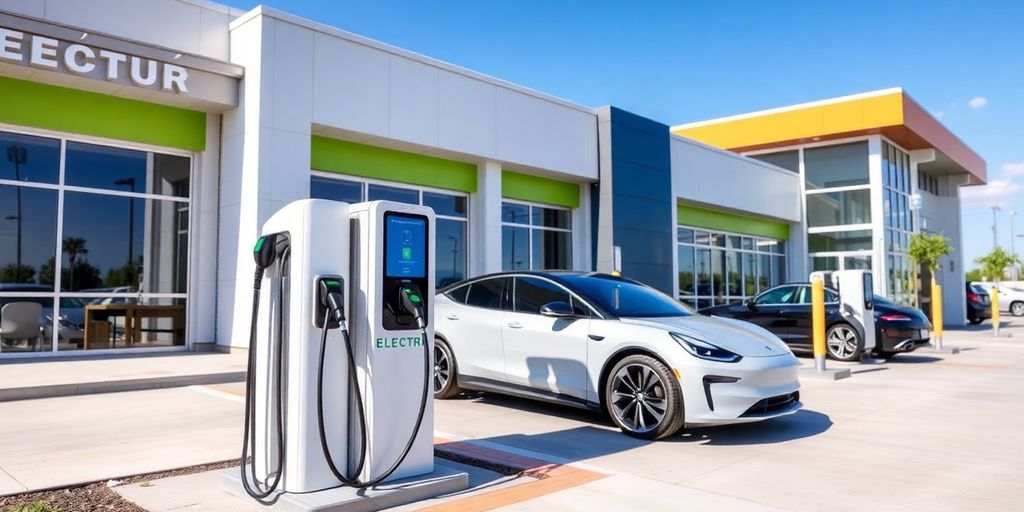
Okay, so you’re thinking about putting in some EV chargers at your dealership. Great! But let’s talk money. The initial installation cost can be a significant hurdle. It’s not just the chargers themselves; it’s also the electrical work, permits, and maybe even upgrades to your building’s power supply. Things like trenching for wiring, concrete work, and getting everything up to code can really add up. The type of charger you choose (Level 2 vs. DC fast charging) will also drastically affect the price. DC fast chargers are way more expensive to install but offer much quicker charging times.
Maintenance Expenses
Don’t think the spending stops after installation! EV chargers need regular maintenance. We’re talking about things like:
- Software updates: Keeping the chargers running smoothly and securely.
- Hardware repairs: Chargers can break down, especially with heavy use.
- Network fees: If you’re part of a charging network, there might be ongoing fees.
- Electricity costs: Obviously, you’ll need to pay for the power that the EVs are using.
It’s a good idea to budget for these ongoing costs to avoid any surprises down the road. Consider a maintenance plan with your charging provider to help manage these expenses.
Potential Incentives
Here’s some good news! There are often incentives and rebates available to help offset the cost of installing EV chargers. These can come from:
- Federal tax credits: The government wants to encourage EV adoption, so they offer tax breaks.
- State and local programs: Many states and cities have their own incentive programs.
- Utility companies: Some utility companies offer rebates to businesses that install EV chargers to help manage grid load.
It’s worth doing some research to see what incentives you qualify for. These programs can significantly reduce your upfront costs and make installing EV chargers a much more attractive investment. Friendly Chevrolet sold several new vehicles to drivers who came in while charging their vehicles at their EVHQ charging hub in the first 6 months, so it’s worth it!
Marketing Advantages Of EV Charging Stations
Attracting Eco-Conscious Customers
Let’s be real, more and more people care about the environment. Offering EV charging is a great way to show you care too. It sends a clear message that your dealership is forward-thinking and committed to sustainability. This can really draw in customers who are actively looking for businesses that align with their values. It’s not just about selling cars; it’s about selling a lifestyle and an image.
Enhancing Brand Image
Having EV chargers at your dealership can seriously boost your brand’s reputation. It positions you as an innovator and a leader in the automotive industry. People will see your dealership as more than just a place to buy a car; they’ll see it as a place that’s invested in the future. Plus, it can create positive word-of-mouth and social media buzz, which is always a good thing.
Creating New Revenue Streams
Okay, so you’re helping the environment and looking good, but what about the money? Well, EV charging stations can actually bring in extra cash. You can charge customers a fee to use the stations, creating a new revenue stream for your dealership. It might not be a fortune, but it’s a nice bonus, and it helps offset the cost of installation and maintenance. Plus, while people are waiting for their cars to charge, they might browse your showroom or grab a coffee, leading to even more sales.
Future Trends In EV Charging At Dealerships
Technological Advancements
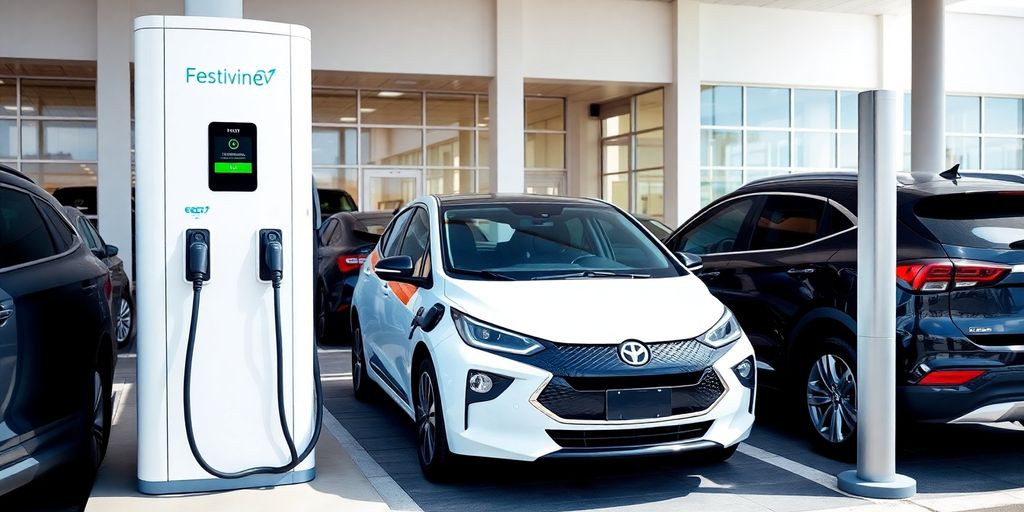
Okay, so, things are changing fast. We’re talking about faster charging speeds, obviously. I mean, nobody wants to wait an hour to get a decent charge. But it’s more than that. Think about wireless charging becoming a thing at dealerships – just pull up and charge, no cables needed. Also, expect to see more smart charging systems that can balance the load across multiple vehicles, so you don’t blow a fuse every time someone plugs in. Battery technology is also improving, leading to faster charge times and increased range, which dealerships will need to accommodate.
Increased EV Adoption Rates
It’s pretty simple: more EVs on the road means more demand for charging. Dealerships that get ahead of the curve now will be in a much better position later. This isn’t just about having more chargers, but also about having the right mix of charging levels. You’ll need Level 2 chargers for customers browsing the showroom and DC fast chargers for quick top-ups during service appointments. Plus, as more people switch to EVs, dealerships might start offering charging subscriptions or loyalty programs to keep customers coming back.
Regulatory Changes
Government regulations are going to play a big role in how EV charging evolves at dealerships. We’re already seeing incentives and rebates for installing charging stations, and that’s likely to continue. But there could also be mandates about the number of chargers a dealership needs to have, or even requirements about using renewable energy to power them. Dealerships will need to stay on top of these changes to make sure they’re in compliance and can take advantage of any available funding. It’s a bit of a moving target, but it’s something you can’t ignore. Here are some things to keep in mind:
- Stay informed about local, state, and federal regulations.
- Consult with experts to ensure compliance.
- Advocate for policies that support EV adoption.
Partnerships With Charging Network Providers
Benefits Of Collaboration
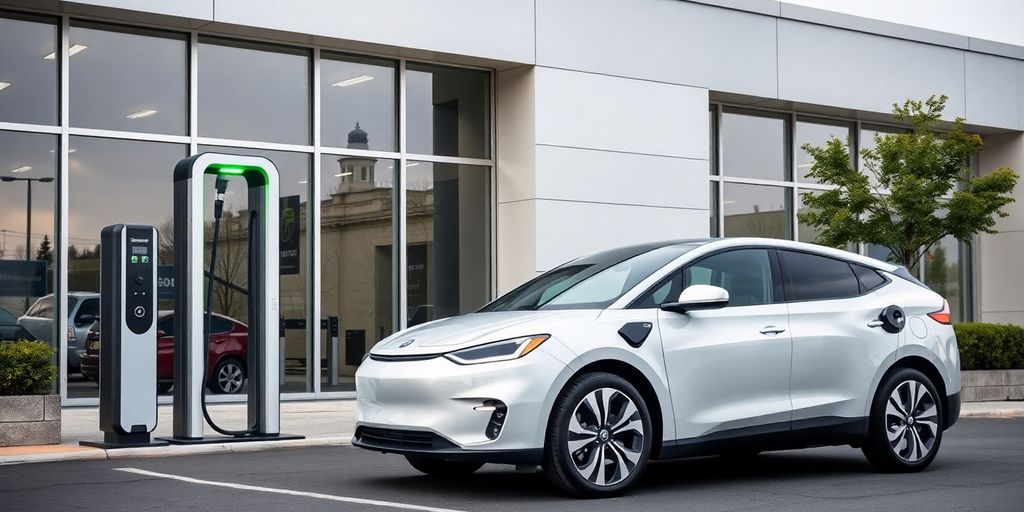
Okay, so you’re thinking about putting EV chargers at your dealership. Smart move! But going it alone can be tough. That’s where partnering with a charging network provider comes in. Think of it like this: they’ve already built the road, and you’re just hopping on for the ride. These partnerships can seriously streamline the whole process.
- They handle the tech stuff: Software updates, network management, all that jazz. You don’t need to hire a team of engineers.
- They bring the customers: Most networks have apps and maps that drivers use to find charging stations. Your dealership gets listed, bringing in potential buyers.
- They often help with financing: Setting up chargers can be expensive. Some providers have financing options or can connect you with incentives.
Choosing The Right Partner
Not all charging networks are created equal. You gotta do your homework. Here’s what I’d look for:
- Reliability: How often are their chargers actually working? Check reviews and ask around.
- Network Size: A bigger network means more visibility for your dealership.
- Pricing: What are their fees? How much control do you have over pricing for your customers?
- Support: What kind of support do they offer if something goes wrong?
It’s also worth thinking about the type of chargers they offer. Do they have Level 2 chargers for slower charging, or DC fast chargers for a quick boost? What’s best for your customers and your business model?
Case Studies Of Successful Partnerships
Let’s look at some real-world examples. I know a few dealerships that partnered with ChargePoint. They saw a noticeable increase in foot traffic and positive customer feedback. The chargers became a selling point, attracting environmentally conscious buyers. Plus, the network provider handled all the maintenance, so the dealership could focus on selling cars.
Another dealership partnered with EVgo. They installed DC fast chargers and started offering special charging rates to customers who bought EVs from them. It created a loyalty program and boosted sales. These stories show that the right partnership can be a win-win for everyone involved.
Wrapping It Up
In conclusion, adding EV charging stations at car dealerships is becoming more important as electric vehicles gain popularity. Dealerships can attract more customers and create new revenue streams by offering charging solutions. It’s not just about selling cars anymore; it’s about providing a complete experience for EV owners. With the right planning and support, dealerships can make the transition smoother and stay competitive in this changing market. So, if you’re in the car business, now’s the time to think about how EV charging can fit into your future.
Frequently Asked Questions
What are EV charging stations?
EV charging stations are places where electric vehicles can recharge their batteries. They are important for drivers who own electric cars.
Why do car dealerships need EV charging stations?
Car dealerships need EV charging stations to attract customers interested in electric vehicles. It shows that they are modern and care about the environment.
What types of EV charging stations are there?
There are three main types of EV charging stations: Level 1, Level 2, and DC Fast Charging. Each type charges vehicles at different speeds.
How much does it cost to install EV charging stations?
The cost of installing EV charging stations can vary. It includes things like equipment, installation, and maintenance. There may also be financial help available.
Can EV charging stations help dealerships make money?
Yes! By offering charging stations, dealerships can attract more customers and even charge fees for using the stations. This can create extra income.
What is the future of EV charging at dealerships?
The future looks bright! More people are buying electric cars, and dealerships will likely install more charging stations to meet this growing demand.
