


So, you’ve got an electric vehicle and you’re thinking about setting up a charging station. Maybe you’re curious about how much power these stations actually need. It’s not just about plugging in and going—there are a bunch of factors to consider. From the type of charger to your vehicle’s specs, and even your home’s electrical setup, everything plays a part. Let’s break it down so you can get a clearer picture of what you’re dealing with.
Key Takeaways
- Different EV charging stations have varying power needs, influenced by factors like charger type and vehicle specifications.
- Level 2 chargers typically need a 240-volt outlet, while DC fast chargers require more advanced electrical setups.
- Your car’s ability to accept power can limit the charging speed, even if the station can deliver more.
- Upgrading your home’s electrical system might be necessary for installing a home charging station.
- Safety and compliance with local electrical codes are crucial when setting up a charging station.
Understanding Power Requirements for EV Charging Stations
Key Factors Influencing Power Needs
When it comes to electric vehicle (EV) charging stations, power needs aren’t one-size-fits-all. Several factors come into play that affect how much power is needed. First off, the type of charging station is a biggie—whether it’s Level 1, Level 2, or DC Fast Charging, each has its own power requirements. Another factor is the number of vehicles charging at once. More cars mean more power. Also, the location of the charging station can influence power needs, especially if the station is part of a larger network or in a remote area.
Types of Charging Stations and Their Power Demands
EV charging stations come in different types, each with its own power demand. Level 1 chargers are the simplest, usually requiring a standard 120-volt outlet, which is slow but works for overnight charging. Level 2 chargers need a 240-volt outlet, offering faster charging times. Then there are DC Fast Chargers, which are the heavyweights of the charging world, needing a lot more power—often up to 480 volts. These are great for quick top-ups but are more expensive to install and run.
Impact of Vehicle Specifications on Power Requirements
Not all EVs are created equal, especially when it comes to charging. The power acceptance rate of a vehicle, which is how much power it can take in at once, plays a crucial role. If a car can only accept 7.2 kW, using a station that offers more won’t speed things up. Battery size also matters; larger batteries take longer to charge. Plus, newer models often have faster charging capabilities, so keeping an eye on the latest tech is important for planning your charging needs.
Electrical Infrastructure for EV Charging Stations
Role of Electrical Panels and Transformers
Setting up an EV charging station isn’t just about plugging in a charger. Sometimes, you need to install a new electrical panel or even a transformer to handle the extra load. This is crucial for managing the additional power demands that come with EV chargers. Especially in places like big industrial sites, the power draw can be significant. Without the right infrastructure, you risk overloading the system. So, getting the right setup is key.
Importance of Battery Energy Storage Systems
Imagine having a giant battery that stores energy when it’s cheap and uses it when prices soar. That’s what a Battery Energy Storage System (BESS) does. It charges up during off-peak hours, like at night or on weekends, and powers your EV chargers when electricity rates spike. This not only saves money but also helps in managing power loads efficiently. It’s like having an energy backup plan that kicks in when you need it the most.
Considerations for Residential and Commercial Installations
Whether you’re setting up a charging station at home or a business, there are a few things to keep in mind:
- Home Installations: Most residential chargers are designed for single-phase systems. It’s simpler but might need an electrical panel upgrade.
- Commercial Installations: These often use three-phase systems, especially for fast chargers. This means more power but also a more complex setup.
- Consult a Professional: Always get a pro to assess your setup. They’ll tell you if you need upgrades and handle the tricky bits of installation.
In both cases, understanding your current electrical capacity and future needs is essential. You don’t want to start the installation and find out halfway through that your system can’t handle the load. So, plan ahead and consult with experts to ensure a smooth setup.
National Electrical Code and EV Charging
Overview of NEC Article 625
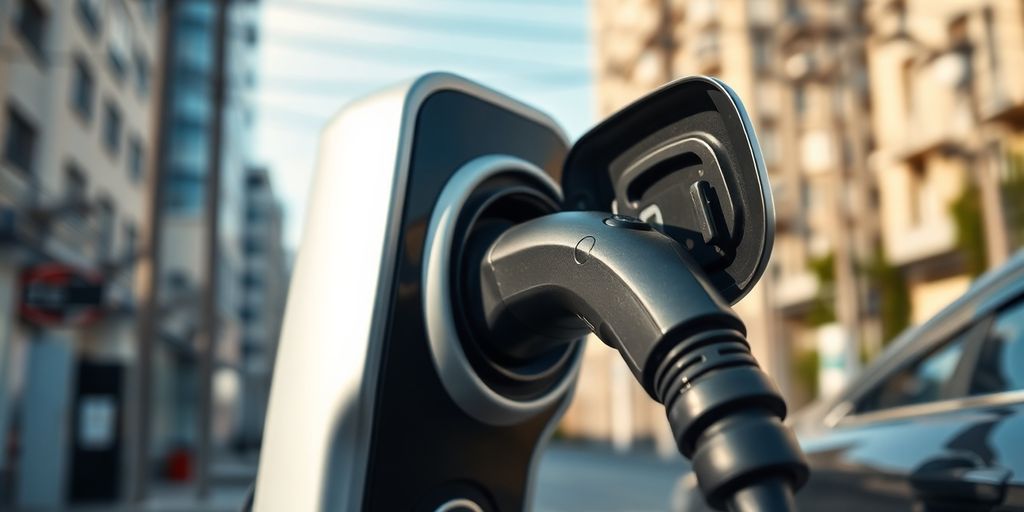
The National Electrical Code (NEC) is the go-to guide for all things electrical safety in the U.S. It’s like the rulebook for electricians and anyone dealing with electrical systems. Now, EV charging has found its place in this guide under Article 625. This article is all about ensuring that charging stations for electric vehicles—cars, buses, trucks, you name it—are safe and sound. It covers both AC and DC systems, with voltages ranging from 120 volts all the way up to 1,000 volts. Safety is the name of the game here. If you’re setting up a charging station, you better check this article to make sure you’re following the rules.
State and Local Adoption of NEC Standards
Here’s the thing: the NEC isn’t some federal mandate. It’s more like a suggestion from the industry. But most states and local governments adopt these standards to keep things safe. So, if you’re looking to install an EV charger, you need to be aware of how your local area has adopted these NEC guidelines. It’s not just about sticking to the rules—it’s about keeping everything safe and sound for everyone involved.
Safety and Compliance Considerations
When you’re dealing with EV charging stations, safety and compliance are key. The NEC is all about making sure everything is up to code. That means your charging station needs to be installed correctly, with the right electrical setup. You don’t want any surprises when it comes to electricity, trust me. Make sure you have a certified installer who knows their way around these codes. It’s not just about plugging in and going—it’s about ensuring that everything is done right from the get-go. And remember, the NEC is updated regularly, so keep an eye out for any changes that might affect your setup.
Level 2 Charging Stations: Power and Installation
Amperage and Voltage Requirements
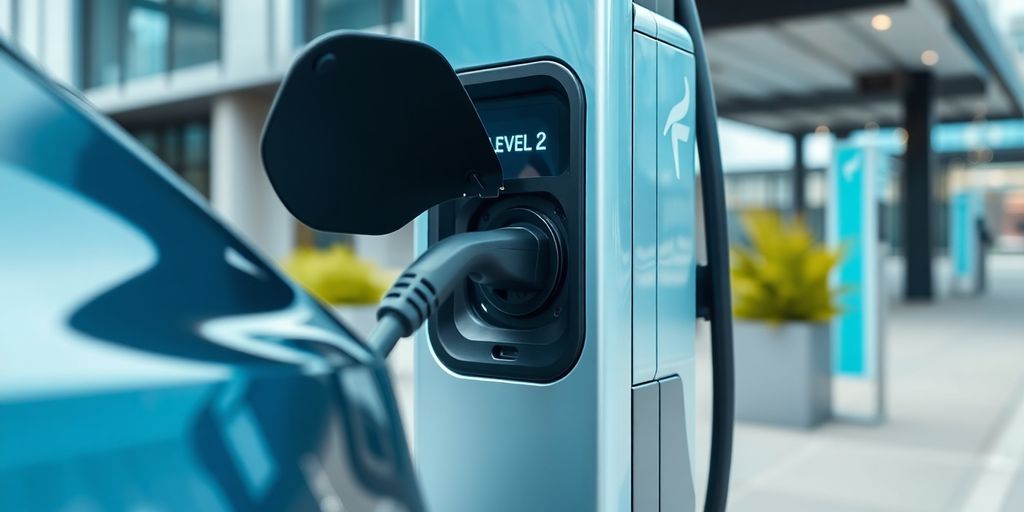
When it comes to Level 2 EV charging stations, understanding the electrical needs is key. These chargers typically require a dedicated 240-volt circuit, much like the one used for large home appliances such as ovens or dryers. Level 2 chargers can operate at amperages ranging from 15 to 80 amps, which influences the charging speed. The higher the amperage, the faster the charging. For instance, a 50-amp charger can recharge an electric vehicle in about 4 to 10 hours, depending on the battery size.
Installation Process and Considerations
Installing a Level 2 charger at home isn’t just a plug-and-play affair. It often necessitates some electrical upgrades. Here’s what you might need to consider:
- Electrical Panel Capacity: Ensure your panel can handle the additional load. You might need a panel upgrade if your existing system is maxed out.
- Dedicated Circuit: A dedicated circuit is essential to prevent overloading your home’s electrical system.
- Professional Installation: Hiring a licensed electrician is recommended to ensure safety and compliance with local codes.
Choosing the Right Level 2 Charger for Your Needs
Selecting the right Level 2 charger depends on several factors:
- Vehicle Specifications: Check your EV’s charging capacity to match the charger’s output.
- Home Electrical System: Assess whether your home can support the charger without extensive modifications.
- Budget and Incentives: Consider the cost of the charger, which can range from $500 to $2,000. Some states offer incentives to reduce installation costs, making it a more affordable option for many homeowners.
Level 2 chargers are becoming increasingly popular among EV owners because they strike a balance between cost and convenience. They offer an efficient solution for daily charging needs, ensuring your vehicle is ready to go each morning.
DC Fast Charging Stations: Advanced Power Needs
Three-Phase Power Requirements
When it comes to DC fast chargers, these bad boys need a bit more juice than your typical home setup. They demand a three-phase AC input, which isn’t something most homes have. We’re talking commercial or industrial-grade power here. Three-phase systems can handle more load, making them perfect for these power-hungry chargers. If you’re looking to get up to 360kW of power output, like some of the top-tier models, you’re gonna need a 480VAC system. That’s the kind of setup that can send a hefty current directly to your EV, slashing charging times to a fraction of what’s needed with a standard Level 2 charger.
Output Capabilities of DC Fast Chargers
DC fast chargers are all about speed. They can crank out anywhere from 60kW to a whopping 360kW of power. This means you can get your EV battery to 80% in just about 20-30 minutes. But remember, not all chargers are created equal. Some, like the Blink Series, offer a range of power outputs to suit different needs and budgets. Whether you’re running a small operation or a large fleet, there’s a DC fast charger out there for you. AMPPAL’s fast charging solutions are a great example of this versatility, providing rapid charging options for various vehicle types.
Installation Challenges and Solutions
Setting up a DC fast charging station isn’t as simple as plugging in a toaster. There are significant installation challenges to consider. First off, you’ll likely need to upgrade your electrical infrastructure. This could mean installing a new electrical panel or even a transformer to handle the extra load. Plus, every charging station needs its own dedicated circuit, as per NEC standards. And let’s not forget about the potential need for battery energy storage systems. These can store power during off-peak hours and release it when demand is high, a smart way to manage energy use and costs. Despite these challenges, the right planning and equipment can make installation a breeze, paving the way for a future-ready charging setup.
Optimizing Home Electrical Systems for EV Charging
Assessing Home Electrical Capacity
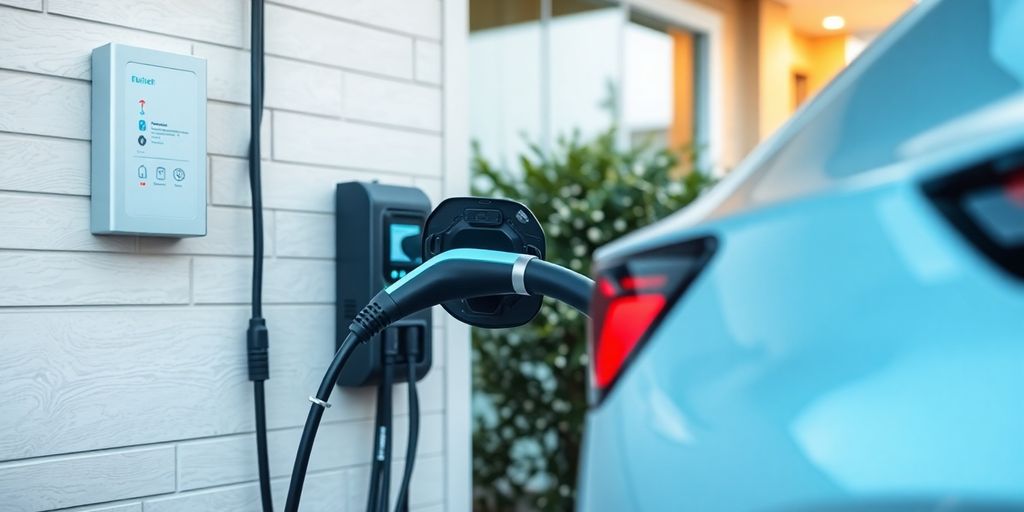
Before diving into installing an EV charger at home, it’s vital to know what your electrical system can handle. Start by checking your home’s main service panel. Most modern homes have a 200-amp panel, which is usually sufficient for adding a Level 2 charger. But if you’ve got an older home with a 100-amp panel, you might need to make some changes. Upgrading your panel can mean the difference between a smooth charging experience and constant headaches. It’s about ensuring your home can handle the extra load without tripping breakers or causing other issues.
Upgrading Electrical Panels and Circuits
If your current setup isn’t up to snuff, it’s time to think about an upgrade. A 200-amp service panel is generally recommended for EV charging. This upgrade not only supports your EV charger but also prepares your home for future electrical needs. You might also need to add a dedicated circuit for your charger to prevent overloads. And hey, don’t forget to consult a professional electrician—they’ll know exactly what needs to be done to keep everything safe and efficient.
Ensuring Safe and Efficient Charging
Safety is key when it comes to charging your EV at home. Make sure your installation includes all the necessary safety features, like ground fault protection. A dedicated circuit for your charger is a smart move to prevent any electrical mishaps. Also, consider the EV Demand Response Strategy to manage your charging efficiently. This strategy can help balance the load on your electrical system, especially during peak hours, making sure everything runs smoothly.
In the end, setting up your home for EV charging isn’t just about plugging in a charger. It’s about understanding your electrical system, making the necessary upgrades, and ensuring everything is set up safely and efficiently. With the right preparation, you’ll be ready to enjoy the convenience of home charging without any hassle.
Commercial EV Charging Solutions
Power Requirements for Commercial Installations
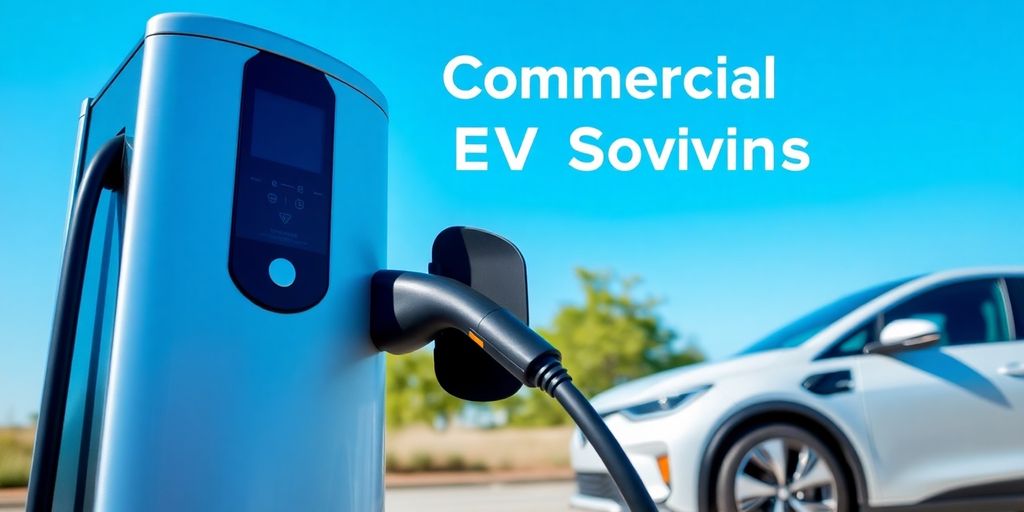
When setting up commercial EV charging stations, understanding the power requirements is crucial. Commercial stations often demand higher power capacities than residential setups. This is because they need to serve multiple vehicles simultaneously, especially in high-traffic areas like shopping malls, office complexes, and public parking lots. Typically, these installations require three-phase power to handle the load efficiently. For instance, a 180/200/240kW Integrated DC Charging Station is designed to deliver fast charging, making it suitable for commercial use.
Integration with Existing Electrical Systems
Integrating EV chargers into existing electrical systems can be challenging. It’s essential to assess the current infrastructure to determine if upgrades are necessary. Many commercial facilities may need to install new electrical panels or transformers to support the additional load. In some cases, a battery energy storage system (BESS) might be employed. A BESS can store energy during off-peak hours and supply it during peak times, optimizing energy use and reducing costs.
Scalability and Future-Proofing
Planning for scalability is vital for commercial EV charging solutions. As the number of electric vehicles on the road increases, so will the demand for charging stations. Businesses need to consider future-proofing their installations. This means choosing systems that can be easily expanded or upgraded. Partnering with providers like AMPPAL can offer flexible solutions that accommodate growth, ensuring that the charging infrastructure remains relevant and efficient over time. Considerations might include modular charging units or systems that can be upgraded to higher capacities without significant overhauls.
Conclusion
In the end, figuring out the power requirements for EV charging stations boils down to understanding a few key things. First, know your EV’s power acceptance rate. This tells you how fast your car can actually charge, regardless of the station’s capability. Then, match this with a charging station that fits your needs, whether it’s for home or commercial use. Remember, higher amperage means faster charging, but only if your car can handle it. Also, don’t forget about your electrical system at home or at the site; it might need an upgrade to handle the extra load. So, take a good look at your setup, maybe chat with an electrician, and make sure everything’s ready to go. With the right prep, you’ll be charging your EV smoothly and efficiently in no time.
Frequently Asked Questions
What do I need to know about power for EV charging stations?
EV charging stations need different amounts of power based on the type of charger and the vehicle. Level 1 chargers use regular home outlets, while Level 2 chargers need more power, like an oven or dryer. DC fast chargers need even more power and special setups.
How does the National Electrical Code (NEC) relate to EV charging?
The NEC has rules for EV charging to make sure it’s safe. Article 625 talks about how to set up charging stations for different vehicles. These rules help make sure everything works right and is safe to use.
Why is electrical infrastructure important for EV charging stations?
Electrical infrastructure, like panels and transformers, is important because it helps manage the extra power that charging stations need. Sometimes, upgrades are needed to handle the power demands safely.
What is the difference between Level 2 and DC fast charging stations?
Level 2 chargers are good for home use and need a 240-volt outlet, like what big appliances use. DC fast chargers are much faster but need more power and special electrical setups, usually found in commercial places.
How can I prepare my home for an EV charging station?
To get your home ready, you might need to check if your electrical panel can handle the extra load. Sometimes, you might need to upgrade your panel or circuits. It’s best to talk to an electrician to make sure everything is safe.
What are the power needs for commercial EV charging stations?
Commercial charging stations need more power because they often charge many vehicles at once. They might need special electrical systems to handle the load and can be set up to grow as more vehicles need charging.
