


If you’re curious about what an Orange EV charging station is, you’re in the right place. These charging stations are designed with both functionality and user experience in mind, making them a popular choice for electric vehicle owners. They offer a range of benefits, from cost savings to environmental impact, and are tailored for various settings, including residential and commercial spaces. Let’s break down what makes these charging stations a noteworthy option in the growing electric vehicle market.
Key Takeaways
- Orange EV charging stations are designed for easy installation and use, making them accessible for various locations.
- They provide cost-effective solutions, reducing upfront installation costs compared to traditional charging stations.
- These stations optimize space by allowing multiple vehicles to charge with fewer units, which is great for high-density areas.
- Sustainability is a key focus, as they promote the use of electric vehicles and reduce carbon footprints.
- User feedback highlights their reliability and ease of use, making them a favorite among EV owners.
Understanding The Orange EV Charging Station
Design Features
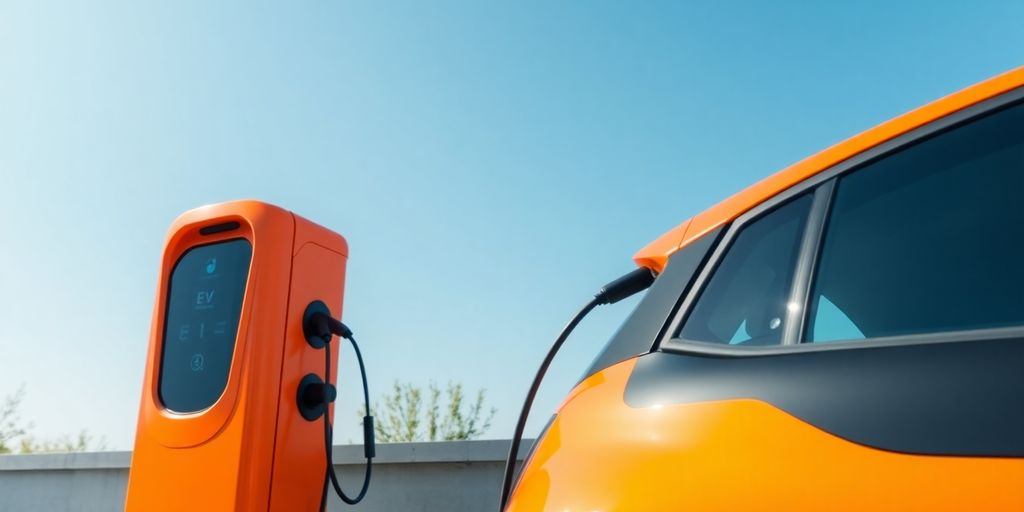
Okay, so Orange EV charging stations are trying to shake things up. Instead of those big, bulky charging stations you see everywhere, they’re going for something different. The main idea is to make them easy to install, especially in places like apartment buildings. They’re designed to fit into standard electrical setups, which cuts down on installation costs. They also skip including the charging cables themselves, expecting users to bring their own (the ones that came with their EVs). This is supposed to increase the uptime of the chargers, since the cables are often the first thing to break. It’s a different approach, focusing on simplicity and cost-effectiveness.
User-Friendly Interface
Orange EV wants to make charging simple. Car owners use a QR code on the charging socket to start charging. Billing and payments are handled through the Orange app. It’s all about making the process easy and straightforward for both the property owner and the EV driver. The goal is to make charging almost invisible – you plug in when you get home, and your car is ready to go in the morning. No fuss, no complicated steps.
Installation Process
One of the biggest selling points is how easy these stations are to install. They’re designed to work with existing electrical infrastructure, which means less hassle and lower costs. The company focuses on making the installation process as simple as installing a regular household socket. This is a big deal for apartment buildings and other multi-family dwellings, where upgrading the electrical system can be a major headache. By keeping the installation simple, Orange EV hopes to make it easier for property owners to offer EV charging to their tenants.
Benefits Of Using Orange EV Charging Stations

Cost Efficiency
Okay, so let’s talk money. One of the biggest things people worry about with EVs is the cost, right? But Orange EV charging stations can actually save you money in the long run. For starters, they’re designed to be installed without needing a ton of extra electrical work, which keeps the initial costs down. Plus, the way Orange EV sets things up, you don’t need a charging station for every single EV. You can rotate trucks between chargers, which means fewer chargers and less money spent. It’s a smart way to do things.
Space Optimization
Space is always a concern, especially in cities or crowded areas. Orange EV charging stations are designed with this in mind. They don’t take up a huge amount of room, and the way they’re installed means you can fit more chargers into a smaller area. This is a big deal if you’re trying to add charging to an existing parking lot or garage. It’s all about making the most of what you’ve got.
Sustainability Impact
Let’s be real, one of the main reasons people switch to EVs is to be more eco-friendly. Orange EV charging stations help with that goal. By making it easier and more affordable to charge EVs, they encourage more people to make the switch from gas-guzzlers. This means fewer emissions and a smaller carbon footprint. Plus, Orange EV is trying to do things in a sustainable way as a company, which is always a good thing. It’s not just about charging cars; it’s about making a real difference for the planet.
Technical Specifications Of Orange Charging Stations
Power Output
Orange EV charging stations come in different power outputs to suit various needs. The power output directly affects how quickly a vehicle can charge. For example, a standard station might offer 7kW, while a fast-charging station could go up to 50kW or even higher. This flexibility allows businesses to choose the right level of power for their specific fleet or customer requirements. It’s important to consider the average dwell time of vehicles when selecting the appropriate power output.
Charging Speed
Charging speed is a big deal, and it’s directly tied to the power output of the charging station. A higher power output means a faster charge. But, it’s not just about the station; the vehicle’s charging capabilities also play a role. Some vehicles can only accept a certain amount of power, so even if you have a super-fast charger, the vehicle might limit the charging speed. Here’s a general idea of charging times:
- Level 2 (7kW): Adds about 20-25 miles of range per hour.
- DC Fast Charging (50kW): Adds about 150-200 miles of range per hour.
- Ultra-Fast Charging (150kW+): Adds about 400+ miles of range per hour (if the vehicle can handle it).
Compatibility
Compatibility is key to making sure everyone can use the charging stations. Orange EV charging stations typically use the standard J1772 connector for Level 2 charging, which is compatible with almost all electric vehicles in North America. For DC fast charging, they usually offer both CCS (Combined Charging System) and CHAdeMO connectors to support a wide range of vehicles. It’s always a good idea to double-check the specific connectors offered by a particular Orange EV charging station to ensure it meets the needs of your users. Also, some stations may require an app or RFID card for access, so that’s something to keep in mind too.
Installation Considerations For Orange EV Stations
Site Assessment
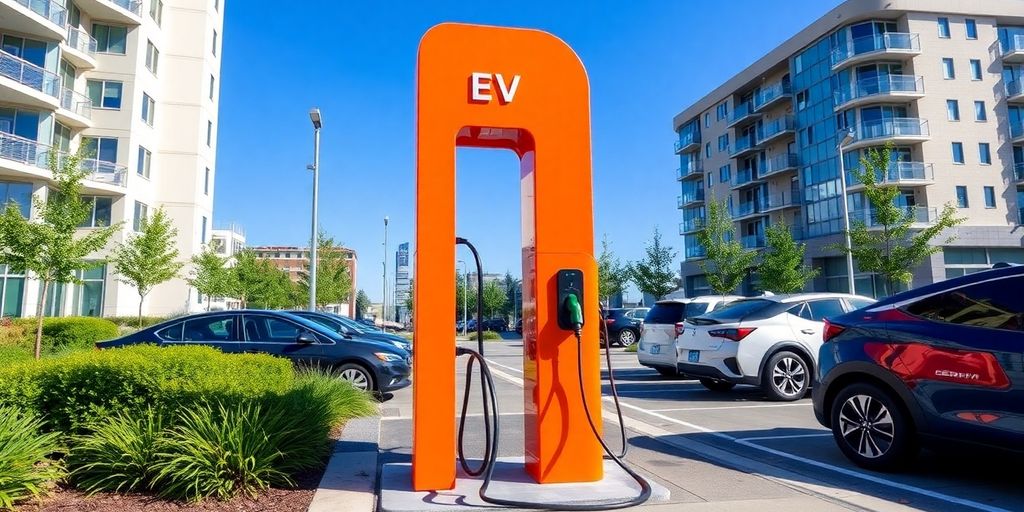
Okay, so you’re thinking about getting an Orange EV charging station? Awesome! First things first, you gotta check out your site. It’s not just about slapping a charger wherever you feel like it. You need to think about things like where people will park, how easy it is to get to the charger, and if there’s enough space. Basically, you want to make sure it’s a spot that makes sense for everyone. Consider things like sunlight exposure (to avoid overheating), proximity to buildings (for weather protection), and potential for future expansion. You don’t want to install it and then realize you need to move it in a year because you’re adding more chargers.
Electrical Requirements
Alright, this is where things get a little technical, but don’t worry, it’s not rocket science. You need to make sure your electrical system can handle the charging station. This means checking your current electrical capacity and figuring out if you need to upgrade anything. Most of the time, you’ll need a dedicated circuit for each charger. It’s a good idea to get an electrician involved here. They can assess your electrical panel, wiring, and overall system to make sure everything is up to code and safe. Plus, they can help you figure out the best way to connect the charger to your power supply. It’s better to be safe than sorry when it comes to electricity!
Maintenance Needs
So, you’ve got your Orange EV charging station installed and working great. Now what? Well, like anything else, it needs a little TLC to keep it running smoothly. Here are a few things to keep in mind:
- Regular Inspections: Check the charger for any signs of damage, like cracks, loose wires, or corrosion. Do this at least once a month.
- Cleaning: Keep the charger clean and free of debris. Dust, dirt, and snow can all affect its performance. A quick wipe-down every now and then will do the trick.
- Software Updates: Make sure the charger’s software is up to date. These updates often include bug fixes and performance improvements. The Orange EV system should handle this automatically, but it’s worth checking periodically.
- Professional Servicing: Schedule a professional service checkup at least once a year. A qualified technician can inspect the charger’s internal components and make sure everything is in good working order.
By following these simple maintenance tips, you can keep your Orange EV charging station running smoothly for years to come.
Comparing Orange EV Charging Stations To Other Options
Market Position
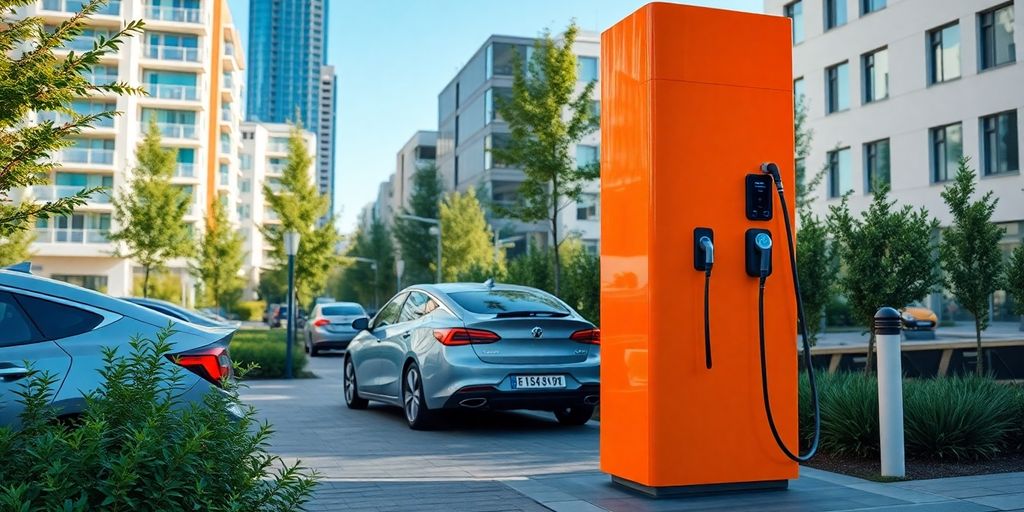
Orange EV charging stations are making a play for a specific niche: multi-family dwellings. They’re not trying to compete head-to-head with the big public charging networks like ChargePoint in the fast-charging space. Instead, they’re focusing on making overnight charging simple and affordable for apartment residents. This means they’re up against companies offering similar solutions for residential complexes, but also against the general idea of installing a few high-powered chargers in shared spaces.
Unique Selling Points
Orange’s main advantage seems to be ease of installation and cost. They’ve designed their system to integrate with existing electrical infrastructure, minimizing upfront costs for property owners. They also focus on lower-amperage charging, arguing that it’s better to have more available charging points than a few high-speed chargers that are often underutilized. This approach also addresses the issue of panel capacity, a common limitation in older buildings. The business model is also interesting, allowing property owners to resell electricity and generate a return on their investment. They also don’t include the charging cables, which they claim increases uptime.
User Reviews
While widespread user reviews are still emerging, the general sentiment seems to be positive, especially from property managers. The lower installation costs and simplified management are attractive. For residents, the convenience of overnight charging at their parking spot is a major plus. However, some users might prefer faster charging speeds if they need a quick top-up during the day. It really depends on individual charging habits and needs.
Future Developments In Orange EV Charging Technology
Innovative Features
Orange EV is definitely not sitting still. I’ve been reading about some cool stuff they’re working on. They’re looking into dynamic load management, which basically means the charging stations can intelligently distribute power based on demand. This could be a game-changer for apartment buildings, preventing overloads and making sure everyone gets a fair share of charging power. Also, there’s talk about integrating solar power directly into the charging infrastructure. Imagine charging your car with sunshine – pretty neat, right?
Expansion Plans
So, where is Orange EV headed? Well, they seem pretty focused on expanding their reach, especially in multi-family housing units. I saw something about them wanting to partner with more property management companies to make EV charging a standard amenity. They’re also exploring options for public charging stations, but it sounds like they want to do it in a way that’s different from the usual models. Maybe something more community-focused? It’ll be interesting to see how they compete with the bigger players in the public charging space.
Partnerships
Partnerships are key, and Orange EV seems to know it. They’re teaming up with energy providers to offer bundled services, which could make things easier and cheaper for consumers. I also heard they’re working with some car manufacturers to integrate their charging technology directly into EVs. This could mean a more seamless charging experience, with the car automatically communicating with the charging station to optimize charging speed and efficiency. It’s all about making EV ownership as easy as possible, and partnerships are a big part of that.
Real-World Applications Of Orange EV Charging Stations
Commercial Use Cases
Orange EV charging stations are popping up in all sorts of commercial settings. Think about workplaces trying to attract employees with EV incentives, or retail locations wanting to draw in customers who drive electric. These stations offer a convenient way for people to charge while they work, shop, or dine.
- Office Buildings: Companies install chargers to attract and retain employees.
- Shopping Centers: Retailers provide charging as an amenity to increase customer dwell time.
- Restaurants: Diners can charge their EVs while enjoying a meal.
Residential Implementations
One of the coolest things about Orange EV chargers is how they’re making EV ownership easier for apartment dwellers. Instead of those big, expensive charging stations, Orange offers simple sockets that are easy to install in apartment complexes. This means residents can charge overnight without any hassle. It’s a game-changer for people who don’t have access to home charging.
- Apartment Complexes: Residents can conveniently charge overnight.
- Condominiums: Individual owners or HOAs can install chargers for personal or shared use.
- Private Homes: Although designed for multi-unit dwellings, some homeowners find them suitable for basic charging needs.
Fleet Management Solutions
For businesses that operate fleets of electric vehicles, Orange EV charging stations can be a real asset. They allow for efficient overnight charging, ensuring vehicles are ready to go each morning. Plus, the system can track usage and costs, making it easier to manage the fleet’s energy consumption. It’s all about keeping those EVs on the road and minimizing downtime.
- Delivery Services: Charging vans and trucks overnight for daily routes.
- Taxi and Ride-Sharing Companies: Keeping vehicles charged during off-peak hours.
- Municipal Fleets: Charging electric buses, maintenance vehicles, and other city-owned EVs.
Wrapping It Up
In conclusion, Orange EV charging stations are changing the game for electric vehicle owners, especially in apartment settings. They make it easy for building managers to set up charging solutions without the hassle of complicated installations. Plus, the cost savings are a big deal. With their simple design and user-friendly app, charging becomes a seamless part of daily life. As more people switch to electric cars, having reliable and affordable charging options like Orange EV is crucial. It’s clear that these stations are not just a trend; they’re a smart choice for the future of transportation.
Frequently Asked Questions
What is an Orange EV charging station?
An Orange EV charging station is a place where electric vehicles can be charged. It is designed to be easy to use and install, making it great for homes and businesses.
How do I use an Orange EV charging station?
To use an Orange EV charging station, simply park your car, plug in the charging cable, and start charging. You can use the Orange app to manage your charging and payments.
What are the benefits of using an Orange EV charging station?
Using an Orange EV charging station can save you money, help you use space better, and support a cleaner environment by promoting electric vehicle use.
What do I need to install an Orange EV charging station?
To install an Orange EV charging station, you need to assess your site, check the electrical requirements, and consider maintenance needs.
How does Orange EV compare to other charging stations?
Orange EV charging stations are often more affordable and easier to install than many other options. They focus on providing solutions for apartment buildings and businesses.
What future developments can we expect from Orange EV?
Orange EV plans to add more innovative features to their charging stations, expand their network, and form partnerships to improve electric vehicle charging.
