


If you’re new to electric vehicles (EVs), figuring out the different charging levels can feel like learning a new language. Level 3 charging stations, often called DC fast chargers, are the fastest way to charge an EV, but they’re not as common as Level 1 or Level 2 chargers. Knowing how to spot one can save you time and make your EV experience smoother.
Key Takeaways
- Level 3 chargers are also known as DC fast chargers and provide the quickest charging speeds.
- They use direct current (DC) instead of alternating current (AC), making them faster than Levels 1 and 2.
- Level 3 charging stations typically have power outputs starting at 50 kW and can go up to 350 kW.
- These chargers are mostly found in public spaces like highways, malls, and commercial areas—not at home.
- Look for labels like ‘DC Fast Charging’ or check the power output specifications to confirm it’s a Level 3 station.
Understanding the Basics of Level 3 Charging Stations

What Makes Level 3 Charging Unique
Level 3 charging, often referred to as DC fast charging, is in a league of its own when compared to Level 1 and Level 2 chargers. What sets it apart is speed—it can replenish an EV’s battery in as little as 15 to 55 minutes. This is because Level 3 chargers bypass the vehicle’s onboard converter to deliver direct current (DC) directly to the battery. Unlike Level 1 and 2 chargers, which rely on alternating current (AC) and a slower conversion process, Level 3 chargers are built for efficiency and speed.
Here’s a quick breakdown of what makes Level 3 stand out:
- Power output ranges from 50 kW to 400 kW.
- Designed for public and commercial use, not residential.
- Ideal for quick stops on highways or in urban centers.
The Role of Direct Current in Level 3 Charging
Electric vehicles run on batteries that store energy as DC. However, the power grid delivers AC. For Level 1 and Level 2 charging, this AC power is converted to DC by the car’s onboard charger, which takes time. With Level 3 chargers, this conversion happens within the charging station itself, skipping the onboard charger entirely. This is why they’re able to supply such high power levels directly to the battery.
Here’s why DC is key in Level 3 charging:
- Bypasses the slower onboard AC-to-DC conversion process.
- Delivers energy faster, reducing charging time significantly.
- Supports high-capacity batteries, making it ideal for long-range EVs.
Why Level 3 Chargers Are Not for Home Use
While Level 3 chargers are a game-changer for public charging, they’re not practical for home use. First, they require a massive amount of power—something a typical home electrical system simply can’t provide. Second, the cost of installing a Level 3 charger is astronomical compared to Level 1 or 2 options.
Here’s why they’re better suited for public spaces:
- Installation requires industrial-grade infrastructure.
- Costs can range into the tens of thousands of dollars.
- Their high speed is unnecessary for overnight home charging.
In short, Level 3 chargers are designed to keep EVs moving quickly and efficiently in public settings, like highways or commercial hubs. For home use, Level 1 or Level 2 chargers are more than sufficient.
Key Features of Level 3 EV Charging Stations
Power Output and Speed of Charging
Level 3 chargers are all about speed and power. They can deliver power ranging from 50 kW to a whopping 400 kW, making them the fastest option for charging electric vehicles. This means you can add hundreds of miles of range in less than an hour, depending on your car’s battery capacity. For comparison, Level 2 chargers typically max out at 22 kW, so Level 3 is in a league of its own when it comes to efficiency.
Connector Types for Level 3 Chargers
When it comes to connectors, Level 3 chargers aren’t one-size-fits-all. The most common types are:
- CCS (Combined Charging System): Popular in North America and Europe, works with many EV brands.
- CHAdeMO: Often used by Asian car manufacturers like Nissan and Mitsubishi.
- Tesla Supercharger: Exclusive to Tesla vehicles, although adapters are becoming more common.
Before heading to a charging station, it’s a good idea to check which connector your car supports.
Compatibility with Different EV Models
Not all EVs are built to handle the high power of Level 3 charging. Some older or budget-friendly models might only support Level 2 charging. Additionally, even if your car is compatible, the charging speed might be limited by your vehicle’s onboard charging system. Always verify your car’s specifications to ensure it can take advantage of a Level 3 charger.
How to Identify a Level 3 Charging Station
Recognizing the Physical Design
Level 3 charging stations, also known as DC fast chargers, often have a bulkier and more industrial look compared to Level 2 chargers. These stations are usually larger, with robust cables designed to handle high power output. They might also have cooling systems visible, as these are necessary to manage the heat generated during rapid charging. Look for a station with a touchscreen display, which is common for Level 3 chargers to allow for user interaction and payment.
Checking for DC Fast Charging Labels
One of the easiest ways to identify a Level 3 charging station is to look for labels or signage indicating "DC Fast Charging." These labels are usually prominently displayed on the station itself. Sometimes, the station may also list its power output, which typically ranges from 50 kW to 350 kW. If you see a station advertising these numbers, it’s almost certainly a Level 3 charger.
Verifying Power Output Specifications
To confirm you’re at a Level 3 charging station, check the power output specifications. Most Level 3 chargers deliver between 50 kW and 350 kW of power. You can usually find this information on the charger’s screen or on a sticker or plaque attached to the unit. For comparison, Level 2 chargers typically max out at 19.2 kW, so anything significantly higher is a clear indicator of Level 3 capability.
Comparing Level 3 Charging to Other Levels
Differences Between Level 2 and Level 3 Charging
When it comes to EV charging, the main difference between Level 2 and Level 3 is the speed and power output. Level 3 chargers, also known as DC fast chargers, can deliver power at rates between 50 kW and 350 kW, while Level 2 chargers typically range from 3 kW to under 20 kW. This means a Level 3 charger can add hundreds of miles of range in under an hour, compared to several hours for a Level 2 charger.
Another key difference is the type of current used. Level 2 chargers rely on alternating current (AC), which is converted to direct current (DC) by the vehicle’s onboard charger. Level 3 chargers, on the other hand, supply DC power directly, bypassing the onboard charger and allowing for much faster charging speeds. However, not all EVs are compatible with Level 3 chargers due to their higher power requirements.
Advantages of Level 3 Over Lower Levels
Level 3 charging offers significant advantages for those on the go:
- Speed: The ability to charge an EV in 15-60 minutes makes Level 3 ideal for road trips or fleet operations.
- Convenience: Found along highways and major routes, these chargers are perfect for long-distance travel.
- Efficiency: For commercial EVs, the reduced downtime translates to better productivity.
That said, the faster charging comes at a cost. Level 3 chargers are more expensive to use and install, and they require specialized infrastructure.
Use Cases for Level 3 Charging Stations
Level 3 chargers aren’t for everyone or every situation. They shine in specific scenarios:
- Long-Distance Travel: Drivers can quickly recharge at rest stops or service stations along highways.
- Commercial Fleets: Delivery trucks, buses, and other commercial EVs benefit from fast turnaround times.
- Urban Charging Hubs: In cities, they serve drivers who don’t have access to home charging or need a quick top-up.
For everyday needs, Level 2 chargers are often more practical and cost-effective. However, Level 3 chargers are essential for meeting the demands of high-mileage drivers and commercial operations.
Technical Aspects of Level 3 Charging
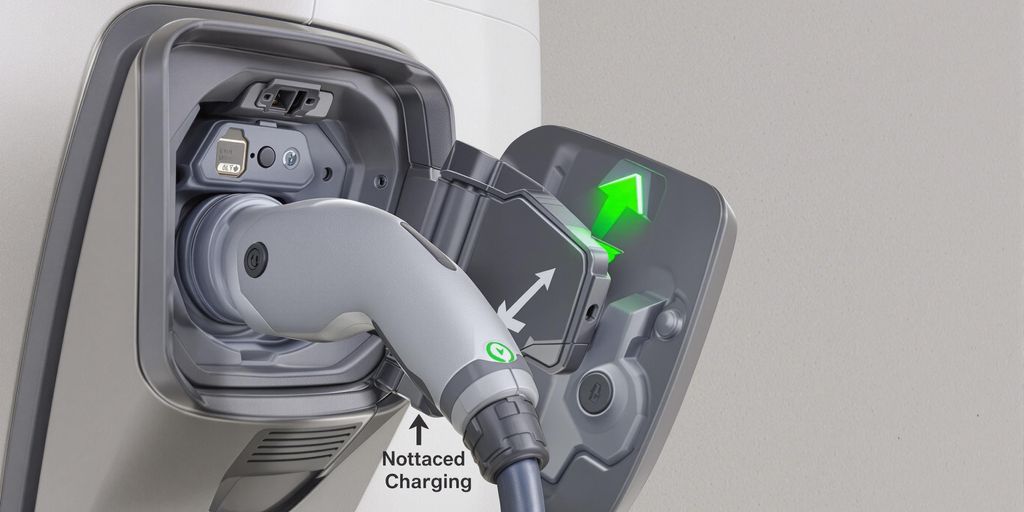
The Conversion of AC to DC Power
When it comes to Level 3 charging, the process of converting alternating current (AC) to direct current (DC) happens outside the vehicle. This is a major difference compared to Level 1 and Level 2 chargers, where the vehicle’s onboard charger manages this conversion. By bypassing the onboard charger, Level 3 stations can deliver electricity directly to the battery at much higher speeds. This is why they’re often referred to as "DC fast chargers."
Understanding Kilowatt Ratings
Level 3 chargers are all about power, and their output is measured in kilowatts (kW). Typical Level 3 charging stations can deliver anywhere from 50 kW to 350 kW. To put this in perspective:
| Power Output (kW) | Approximate Range Added per Hour |
|---|---|
| 50 kW | 170 miles |
| 150 kW | 300 miles |
| 350 kW | 500 miles |
The higher the kilowatt rating, the faster your car charges. However, not all EVs can handle the maximum power output of every Level 3 station, so compatibility matters.
The Role of Onboard Chargers in EVs
While onboard chargers are critical for Level 1 and Level 2 charging, they play a minimal role in Level 3 charging. Since the AC-to-DC conversion happens at the station, the onboard charger is essentially bypassed. This design allows Level 3 chargers to achieve their incredibly fast speeds but also means they’re more complex and expensive to build and maintain.
Where to Find Level 3 Charging Stations
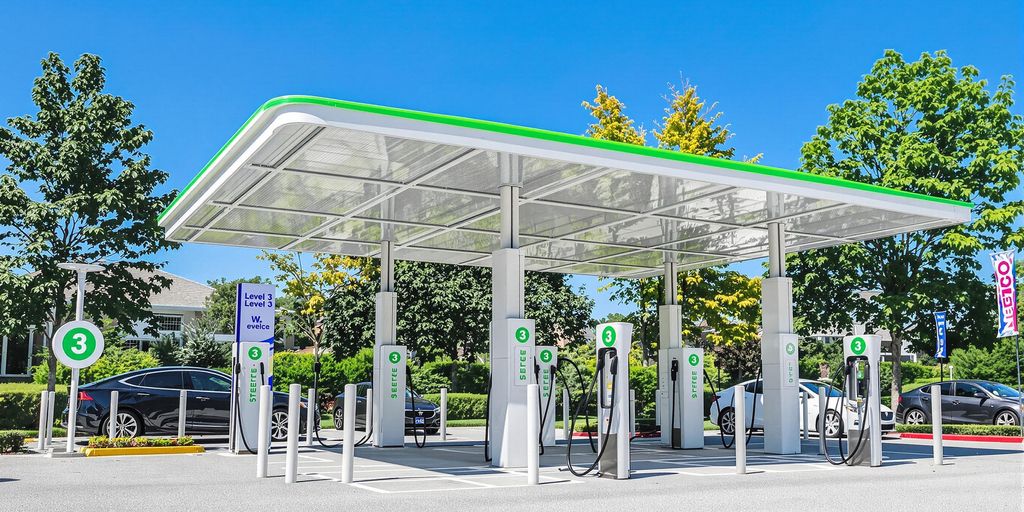
Common Locations for Level 3 Chargers
Level 3 charging stations are strategically placed to serve drivers who need quick and efficient charging. These chargers are most often found in high-traffic areas where drivers are on the move. Here are some common locations:
- Highways and Main Roads: Ideal for long-distance travelers, Level 3 chargers are frequently located at rest stops and service stations along major routes.
- Urban Centers: You’ll often find them in parking garages, shopping malls, and near commercial hubs to cater to city dwellers and commuters.
- Fleet Depots: Many businesses with electric vehicle fleets install Level 3 chargers to keep their vehicles ready for use.
Using Apps to Locate Fast Chargers
Finding a Level 3 charging station is much easier with the help of EV charging apps. These tools provide up-to-date information on the availability, pricing, and compatibility of charging stations. Some apps even allow you to reserve a spot in advance, saving you time and hassle.
Networks Offering Level 3 Charging
Several charging networks specialize in providing Level 3 charging stations. These networks often have partnerships with retailers, gas stations, and other businesses to expand their reach. Examples include Electrify America, Tesla Supercharger Network, and ChargePoint. Each network may have its own pricing and membership options, so it’s worth exploring which one suits your needs best.
Cost and Accessibility of Level 3 Charging
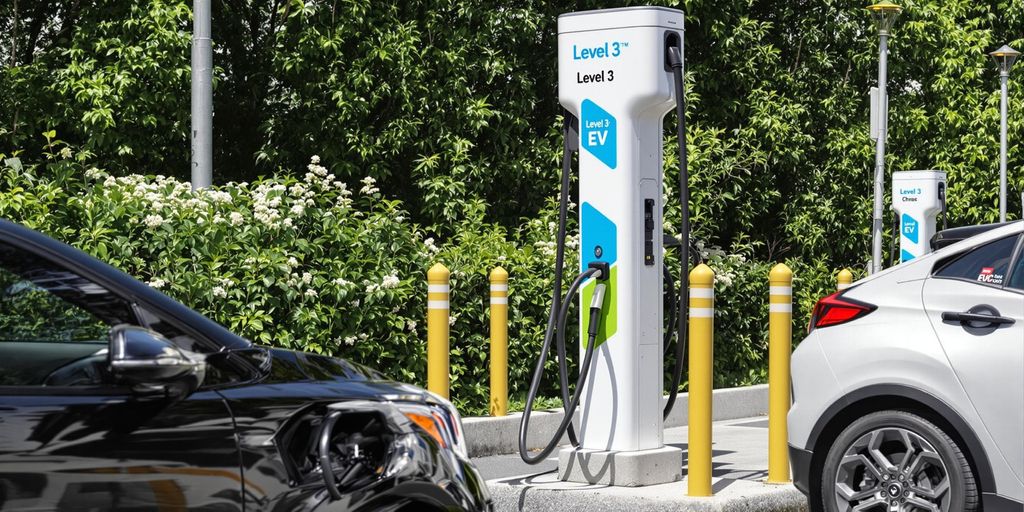
Average Costs of Using Level 3 Chargers
Level 3 charging, also known as DC fast charging, is undeniably quicker than other options, but that speed comes with a price. On average, a full charging session at a Level 3 station costs between $25 and $50. This range depends on factors like the location of the station, the pricing model (per kWh or per minute), and whether you’re using a membership plan or paying as you go. For those just topping off their battery, the cost will obviously be lower, but frequent use can add up over time.
Factors Affecting Pricing
Several things influence how much you’ll pay at a Level 3 charging station:
- Location: Urban areas or high-traffic locations tend to have higher rates.
- Billing Method: Some stations charge by the kilowatt-hour (kWh), others by the minute, and some use a mix of both.
- Memberships: Many networks offer discounted rates for members, but you’ll need to weigh the upfront cost of membership against how often you charge.
- Vehicle Compatibility: Your EV’s charging capacity matters. For instance, if your car can only handle a lower kWh rate, you might not fully benefit from the station’s speed, but you’ll still pay for the premium infrastructure.
Accessibility for Different EV Owners
Level 3 chargers are designed for public and commercial use, making them a great option for road trips or quick stops. However, they’re not equally accessible to everyone:
- Geographic Availability: While more stations are popping up, rural areas still lag behind urban centers in coverage.
- Vehicle Compatibility: Not all EVs support Level 3 charging. Owners of older or lower-cost models may be limited to Level 1 or 2 chargers.
- Cost Considerations: For budget-conscious drivers, the higher price of Level 3 charging may make it a less appealing option for regular use.
In summary, Level 3 charging is fast and convenient but comes with higher costs and varying levels of accessibility. It’s ideal for quick top-ups during long journeys or when time is of the essence.
Wrapping It Up
So, there you have it. Figuring out if a charging station is Level 3 isn’t rocket science, but it does take a little know-how. Look for terms like "DC fast charging" or power outputs starting at 50 kW and up. These stations are usually found along highways or in commercial areas, not in your driveway. They’re designed for speed and convenience, making them perfect for road trips or quick stops. Just remember, not all EVs can use them, so double-check your car’s compatibility. Hopefully, this clears up the mystery and makes your EV charging experience a bit smoother.
Frequently Asked Questions
What is a Level 3 EV charging station?
A Level 3 charging station, also called DC fast charging, is the fastest way to charge an electric vehicle. It uses direct current (DC) to quickly recharge an EV’s battery, often in under an hour.
Can I install a Level 3 charger at home?
No, Level 3 chargers are not designed for home use. They are expensive, require specialized equipment, and need a high-power electrical connection that most homes do not have.
How fast is Level 3 charging compared to Level 2?
Level 3 charging is much faster than Level 2. While Level 2 chargers can take several hours to fully recharge an EV, Level 3 chargers can do it in as little as 30 minutes to an hour, depending on the battery size.
Are all electric vehicles compatible with Level 3 chargers?
Not all EVs can use Level 3 chargers. Some older or smaller EVs may not support DC fast charging. Always check your vehicle’s specifications to see if it is compatible.
Where can I find Level 3 charging stations?
Level 3 chargers are commonly found along highways, at rest stops, and in public spaces like shopping centers. You can use apps or websites to locate them easily.
How much does it cost to use a Level 3 charging station?
The cost varies depending on the provider and location, but it typically ranges from $10 to $30 for a full charge. Some networks charge per minute or per kilowatt-hour.
