


Thinking about getting into the electric vehicle (EV) charging business in India? It’s a pretty smart move right now. The government is really pushing for more EVs, but there aren’t enough charging spots. This means there’s a big chance for new businesses to jump in and fill that gap. If you’re wondering how to start EV charging stations business in India, this guide will walk you through everything you need to know, from understanding the market to picking the right tech and making sure your business runs smoothly.
Key Takeaways
- The Indian government is actively supporting EV adoption with policies and incentives, making it a good time to invest in charging infrastructure.
- You don’t need a special license to set up an EV charging station in India, but you do have to follow technical and safety rules.
- Picking the right spot is super important for your charging station’s success. Think about places with lots of EV traffic, like commercial areas or residential zones.
- Costs for setting up an EV charging station can vary a lot, depending on the type of chargers and infrastructure you choose. Make sure you plan your finances carefully.
- Consider a franchise if you want to start an EV charging station. It can give you a head start with an established brand and support system.
Understanding the EV Charging Landscape in India
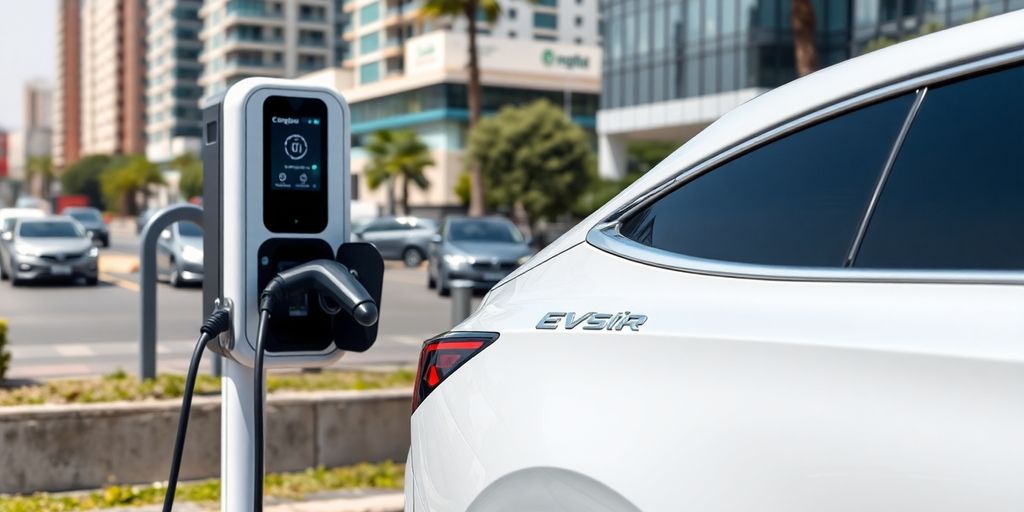
It’s no secret that India’s electric vehicle (EV) market is revving up. But before you jump in and start installing chargers, it’s important to understand the current state of things. From government support to the actual number of EVs on the road, knowing the lay of the land is key. The growth of the EV charging infrastructure is directly linked to the adoption rate of electric vehicles.
Current State of EV Adoption and Infrastructure
Right now, EV adoption in India is still in its early stages, but it’s growing fast. While major automobile giants like Mahindra and Tata Motors have made substantial contributions to the 4-wheeler market, OLA Electric and Ather Energy are setting the standard in the 2-wheeler category. The number of EVs on the road is increasing, but the charging infrastructure is still playing catch-up. This presents both a challenge and an opportunity for new businesses. The biggest challenge EV manufacturers face is the lack of EV charging infrastructure across the country. Here’s a quick look at some key stats:
- EV sales have been increasing year-over-year.
- Most EV sales are concentrated in major metropolitan areas.
- Public charging stations are still relatively scarce, especially in rural areas.
Government Initiatives to Reduce Setup Costs and Promote EVs
The Indian government is actively pushing for EV adoption through various initiatives. These initiatives aim to reduce the initial setup costs for charging stations and encourage more people to switch to electric vehicles. The government plays a crucial role by offering incentives and perks for installing EV charging stations, along with setting clear rules and guidelines. Some key initiatives include:
- Subsidies and tax breaks for setting up charging stations.
- Policies to promote domestic manufacturing of EVs and charging equipment.
- Investment in public awareness campaigns to encourage EV adoption.
Performance Standards for EV Charging Stations
To ensure quality and safety, the government has set performance standards for EV charging stations. These standards cover everything from the type of chargers to safety protocols. Adhering to these standards is not just about compliance; it’s about building trust with your customers. The guidelines recommend that charging stations be available within every 3 km radius in urban areas and every 25 km along highways. Here are some key areas covered by the standards:
- Technical specifications for AC and DC chargers.
- Safety requirements for electrical installations.
- Protocols for efficient operation and maintenance.
Strategic Steps to Launch Your EV Charging Business
So, you’re serious about getting into the EV charging game? Awesome! It’s not just about slapping some chargers somewhere and hoping for the best. You need a plan. Here’s how to actually make it happen.
Conducting Thorough Market Research
First things first: do your homework. You need to know if there’s actually a demand for EV charging where you’re thinking of setting up shop. Don’t just assume everyone’s driving electric cars. Look at the number of EVs in the area, where people live and work, and where they’re likely to need a charge. Check out the competition too. Are there already a bunch of charging stations nearby? If so, what are they doing well, and what could they be doing better? This is where you figure out if your idea is actually viable. You can also look into EV charging station manufacturer to get a better understanding of the market.
Selecting a Prime Location for Your Station
Location, location, location! It’s not just a real estate thing; it’s huge for EV charging too. You want to be somewhere that’s convenient for drivers. Think high-traffic areas, places near apartments, shopping centers, or along major roads. Accessibility is key. Make sure it’s easy to get in and out of your station, and that there’s enough space for people to maneuver. Consider these factors:
- Visibility: Can people easily see your station from the road?
- Accessibility: Is it easy to get to from different directions?
- Amenities: Are there nearby shops or restaurants where people can spend time while their car charges?
Building a Skilled and Customer-Focused Team
Okay, you’ve got your location sorted. Now you need people to run the show. You’ll need technicians who know their way around EV charging solutions and can keep the chargers running smoothly. Customer service is also important. People might have questions or need help, so you need friendly, knowledgeable staff who can assist them. Consider offering training to your team so they can handle any issues that come up. A happy customer is a repeat customer!
Navigating Legal and Regulatory Requirements
Okay, so you’re ready to jump into the EV charging game? Awesome! But before you start digging holes and installing chargers, there’s a bit of a legal maze to get through. It’s not the most exciting part, but trust me, it’s way better to get this stuff sorted out early on than to face fines or shutdowns later. Think of it as the grown-up version of ‘read the instructions before you build the Lego set.’
Obtaining Necessary Permissions and Approvals
First things first, you’ll need to figure out exactly which permits and approvals you need. This can vary a lot depending on where you are in India – each state, and even each city, might have its own rules. Start by checking with your local municipal corporation or electricity distribution company (discom). They’ll be able to tell you what paperwork you need to file. Expect to deal with things like land use permits, environmental clearances, and electrical safety inspections. It can feel like a lot, but breaking it down into smaller steps makes it manageable. Don’t be afraid to ask for help from local authorities; they’re usually willing to guide you through the process. You might also need to look into Clear Compliance Cloud to ensure you’re meeting all regulatory standards.
Adhering to Safety and Technical Standards
Safety is paramount, especially when dealing with electricity. India has specific standards for EV charging infrastructure that you absolutely must follow. These standards cover everything from the quality of the charging equipment to the installation procedures and safety measures. Make sure your chargers are certified by a recognized testing agency. You’ll also need to ensure that your charging station meets fire safety regulations and has adequate protection against electrical hazards. Regular inspections are a must to keep everything up to code. It’s a good idea to invest in training for your staff so they know how to handle emergencies and maintain the equipment safely. Think of it like this: a safe charging station is a happy charging station, and happy customers are more likely to return. Also, consider how EV charging station manufacturers adhere to these standards.
Understanding Government Policy on EV Charging Stations
The government is actively promoting EV adoption, and that includes setting policies for charging stations. These policies can cover a range of things, from subsidies and incentives to regulations on pricing and grid connectivity. Keep an eye on updates from organizations like NITI Aayog and the Ministry of Power. They often release new guidelines and initiatives that can affect your business. Understanding these policies can help you take advantage of available benefits and stay ahead of the curve. For example, there might be incentives for using renewable energy to power your charging station, or regulations about providing access to charging data. Staying informed is key to making smart decisions and ensuring your business aligns with the government’s vision for electric mobility.
Financial Planning and Investment Considerations
Starting an EV charging station isn’t cheap, but with the right planning, it can be a solid investment. Let’s break down the money side of things.
EV Charging Station Setup Cost in India
Okay, so how much does it actually cost? Well, it varies. A lot. Location, the type of chargers you install, and even the current electricity rates all play a role. Expect to shell out a significant amount upfront, but don’t let that scare you off. Here’s a rough idea of what you might be looking at:
- Land/Lease: This can range wildly depending on where you are. Prime locations cost more, obviously. Think about visibility and accessibility. You might consider looking into convenience store EV charging if you want to start small.
- Chargers: The big one. Fast chargers are pricier than slow chargers, but they attract more customers. Consider a mix. The cost of commercial EV charging stations can vary widely.
- Installation: Don’t forget the cost of getting those chargers installed! This includes electrical work, permits, and potentially upgrading the grid connection.
- Software & Networking: You’ll need a system to manage charging, payments, and monitor the station. This often involves subscription fees.
- Permitting and Legal: There are fees associated with getting all the necessary approvals.
Here’s a sample cost breakdown:
| Item | Estimated Cost (INR) |
|---|---|
| Fast Charger (1 unit) | 5,00,000 – 15,00,000 |
| Slow Charger (1 unit) | 50,000 – 1,50,000 |
| Installation (per charger) | 50,000 – 2,00,000 |
| Software & Networking | 20,000 – 50,000/year |
| Land Lease (Annual) | 1,00,000 – 5,00,000+ |
Investment and Profit Considerations for Location, Space, and Profitability
Location, location, location! It’s not just a real estate thing. It’s crucial for EV charging too. A spot near a highway, shopping center, or office park is going to see more traffic than a random side street. Space matters too. You need enough room for cars to easily maneuver and wait while charging. Profitability depends on a bunch of factors:
- Utilization Rate: How often are your chargers being used?
- Electricity Costs: This is a big one. Negotiate good rates with your provider.
- Pricing Strategy: How much are you charging per kWh?
- Maintenance Costs: Chargers need upkeep. Factor that in.
Implementing Smart Pricing Models for Optimal Profits
Don’t just pick a random price and hope for the best. Think about your pricing strategy. Here are a few ideas:
- Time-of-Use Pricing: Charge more during peak hours and less during off-peak hours.
- Tiered Pricing: Offer different rates based on charging speed or membership levels.
- Dynamic Pricing: Adjust prices based on demand and electricity costs.
- Subscription Models: Offer monthly or annual subscriptions for frequent users.
Experiment and see what works best for your location and customer base. Keep an eye on what your competitors are doing, but don’t be afraid to be different. The goal is to attract customers while still making a profit. It’s a balancing act, but with some smart planning, you can make it work.
Choosing the Right Technology and Equipment
Okay, so you’re getting serious about setting up an EV charging station. That’s awesome! But before you start drilling holes and running wires, you gotta figure out what kind of tech and equipment you actually need. It’s not as simple as just plugging something into the wall. Let’s break it down.
Selecting High-Quality Charging Products
Don’t skimp on quality here. Seriously. You want reliable equipment that’s going to last, not something that breaks down every other week. Think about it – a broken charger means lost revenue and unhappy customers. Partnering with established EV charging station manufacturers can help ensure you’re getting durable and dependable products. Look for equipment that meets international and local safety standards. Also, consider the warranty and support offered by the manufacturer. A good warranty can save you a ton of money in the long run.
Understanding Different Charger Types and Their Applications
There are basically three main types of chargers:
- Level 1: These are your basic, slow chargers. They use a standard 120V outlet. Good for overnight charging at home, but not ideal for a commercial charging station. Think trickle charge.
- Level 2: These are faster, using a 240V outlet. They’re a good option for workplaces, shopping centers, and residential complexes. They offer a decent charge in a few hours. Many dealerships are streamlining EV charger installation of Level 2 chargers for their customers.
- DC Fast Chargers (Level 3): These are the big boys. Super-fast charging, ideal for highway rest stops and commercial locations where people need a quick boost. They can add significant range in a short amount of time. But they’re also the most expensive to install.
Choosing the right mix of chargers depends on your location and target audience. A highway rest stop will definitely need DC fast chargers, while a hotel might benefit more from Level 2 chargers for overnight guests. Consider the needs of EV users in your area and select a suitable mix of chargers.
Ensuring Regular Maintenance for Optimal Performance
Okay, you’ve got your fancy new chargers installed. Great! But don’t just forget about them. Regular maintenance is key to keeping them running smoothly and avoiding costly repairs. Here’s what you should be doing:
- Visual Inspections: Check the cables, connectors, and housings for any signs of damage or wear. Look for cracks, frayed wires, or loose connections.
- Cleaning: Keep the chargers clean and free of dust, dirt, and debris. This is especially important for connectors and cables.
- Software Updates: Make sure the charging station software is up to date. These updates often include bug fixes and performance improvements.
- Testing: Regularly test the chargers to make sure they’re working properly. Check the charging speed and make sure the payment system is functioning correctly.
- Power Management: Use your charging station management system (CSMS) to allocate safe and efficient loads for each of your chargers. A software-driven power management system will outperform local load management features available on the hardware itself.
By keeping up with regular maintenance, you can extend the life of your chargers and ensure that your customers have a reliable charging experience.
Marketing and Operational Strategies
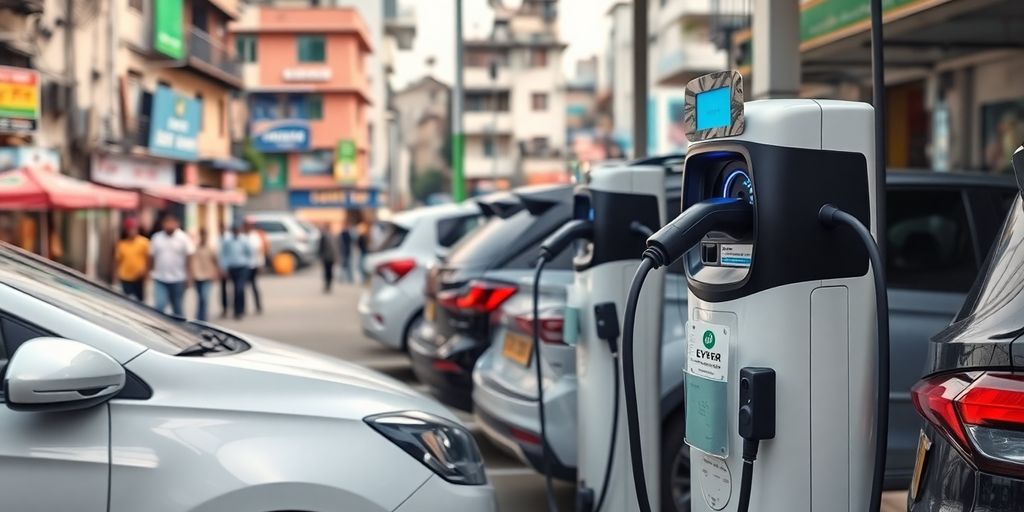
Alright, so you’ve got the chargers, the location, and the permits. Now, how do you actually get people to use your EV charging station and keep them coming back? It’s all about smart marketing and smooth operations.
Effective Marketing for Your Charging Station
Marketing your EV charging station isn’t just about putting up a sign. You need to think about who your target audience is (EV owners, duh!), and how to reach them. A strong marketing strategy is key to attracting customers.
- Local Partnerships: Team up with nearby businesses. Offer discounts to customers who charge at your station and shop at a partner store. Think coffee shops, restaurants, or even car washes. This creates a win-win situation.
- Digital Presence: Get listed on all the major EV charging apps and maps (like PlugShare, ChargePoint, etc.). Make sure your station’s information is accurate and up-to-date. A simple website or social media page can also help.
- Promotional Offers: Run introductory discounts or loyalty programs. Offer free charging during off-peak hours to attract more customers. Consider a referral program where existing customers get a discount for bringing in new users.
Ensuring Efficient Operation and Customer Service
Good customer service can make or break your business. If people have a bad experience at your station, they’re not coming back. It’s that simple.
- Reliable Equipment: Make sure your chargers are working properly and well-maintained. Nothing is more frustrating than arriving at a station and finding out the charger is out of order. Regular maintenance is key.
- Clear Signage: Ensure your station is easy to find and navigate. Use clear and visible signage to direct drivers to the charging spots. Instructions on how to use the chargers should also be prominently displayed.
- Responsive Support: Provide a way for customers to contact you if they have problems. This could be a phone number, email address, or even a live chat feature on your website. Respond quickly and efficiently to any issues.
Online Booking and Enhanced User Convenience
In today’s world, convenience is king. Make it as easy as possible for EV owners to find, book, and use your charging station. Invest in EV charging stations that offer online booking.
- Mobile App Integration: Develop your own mobile app or integrate with existing charging network apps. This allows users to easily find your station, check availability, and book a charging session.
- Real-Time Monitoring: Implement a system that allows you to monitor the status of your chargers in real-time. This helps you identify and resolve any issues quickly, minimizing downtime.
- Multiple Payment Options: Offer a variety of payment options, including credit cards, mobile wallets, and online payment platforms. The easier it is to pay, the more likely people are to use your station. Consider offering different AC, DC, and portable EV charging stations to cater to various needs.
Exploring EV Charging Station Franchise Opportunities
Thinking about going the franchise route for your EV charging business? It’s definitely something to consider. Franchises can offer a ready-made brand and support system, which can be a huge advantage.
Benefits of Opting for a Franchise Model
Going with a franchise has some pretty solid perks:
- Established Brand Recognition: You’re not starting from scratch. People already know and (hopefully) trust the brand.
- Support and Training: Franchisors usually provide training and ongoing support, which is great if you’re new to the business.
- Proven Business Model: The business model is already tested and refined, reducing some of the risks.
- Marketing Assistance: You’ll likely get help with marketing and advertising, which can save you time and money.
Top Companies Offering Franchises in India
Several big players in India are offering EV charging station franchises. These companies bring different strengths to the table:
- Tata Power: They have a rapidly expanding network and a strong reputation. Partnering with them gives you access to a well-known brand and established infrastructure. They are one of the top companies in the energy sector.
- Ola: Known for their technology-driven approach, Ola can bring a lot to the table in terms of user experience and platform integration.
- Ather Energy: They focus on high-speed charging infrastructure, which is increasingly important for EV owners. If you want to specialize in fast charging, Ather could be a good fit.
Investment and Profitability of Franchise Models
Okay, let’s talk numbers. The investment needed for an EV charging station franchise can vary quite a bit, but you’re generally looking at somewhere between ₹1 lakh to ₹10 lakh. This will depend on the brand, the location, and the type of charging stations you plan to install. Location is key, so make sure you do your market research!
Profitability will depend on factors like:
- Location: High-traffic areas with lots of EV owners are ideal.
- Pricing: You’ll need a smart pricing strategy to attract customers and maximize profits.
- Operating Costs: Keep an eye on your expenses to ensure a healthy bottom line.
- Utilization Rate: The more your charging stations are used, the more money you’ll make. Online booking systems can help with this.
Before you jump into a franchise, do your homework. Talk to existing franchisees, review the franchise agreement carefully, and make sure you understand the costs and potential returns.
Wrapping It Up: Your EV Charging Station Journey
So, there you have it. Starting an EV charging station in India might seem like a lot to take in, but it’s really about taking things one step at a time. You’ve got to look at the market, pick a good spot, and get your team together. Don’t forget about all those government programs that can help with costs. And yeah, keeping your chargers working well and figuring out smart ways to charge people for power are big deals too. It’s a growing field, and with some careful planning, you can definitely make a mark. Good luck out there!
Frequently Asked Questions
Why is starting an EV charging station a good idea in India?
The Indian government wants more people to use electric cars. A big problem is not having enough places to charge them. So, starting an EV charging station is a great chance to help and make money in India. These stations give electric cars the power they need.
Do I need a special permit to open an EV charging station?
You don’t need a special permit to open an EV charging station in India. But, you must follow the technical rules and guidelines set by the Power Ministry.
What are the government’s rules for EV charging stations?
The government has rules to help more charging stations get built. This includes letting people set up stations in parking lots or on roads, making sure stations meet certain performance standards, and making it easy for stations to get electricity from power companies. They also allow stations at homes and offices.
How much does it cost to set up an EV charging station in India?
The cost to set up an EV charging station can change a lot. It depends on the kind of chargers you pick and where you put your station. For example, a fast DC charger might cost around 1,400,000 Indian Rupees. But remember, these prices can vary based on who you buy from.
Can I open an EV charging station as a franchise?
Yes, you can choose to open an EV charging station as part of a bigger company’s network, like a franchise. This can be very good because you get to use their well-known name, their help, and their proven ways of doing business. It can be a profitable business, with investments usually ranging from 100,000 to 1,000,000 Indian Rupees.
Which companies offer EV charging station franchises in India?
Some of the top companies that offer EV charging station franchises in India include Tata Power, Charge+Zone, PlugNGO, and Charge My Gaddi. These companies are leaders in the electric vehicle market.
