


Thinking about getting into the electric vehicle (EV) charging game? It’s a smart move. More and more people are buying EVs, and they all need places to plug in. Setting up an EV charging station can be a good business opportunity, and it also helps the planet. But, you know, it’s not as simple as just sticking a charger in the ground. There’s a lot to figure out, from what rules you need to follow to how to get money for it. This guide will walk you through the whole process, so you can get your station up and running.
Key Takeaways
- Understand the rules and permits you’ll need before you start building.
- Pick the best spot for your chargers by looking at who will use them and what’s already there.
- Figure out how you’ll make money, whether it’s through a charging network or selling equipment.
- Look for grants and other money help from the government to help pay for things.
- Choose the right chargers and make sure they can work with all kinds of EVs and systems.
Understanding Regulatory Compliance
Okay, so you’re thinking about putting in an EV charging station? Awesome! But before you even think about digging a hole, you gotta wrap your head around all the rules and regulations. It’s not exactly the most thrilling part, but trust me, skipping this step can lead to some serious headaches down the road. Think fines, delays, or even having to shut down your station. No fun, right?
National Electric Code Standards
Alright, let’s talk electricity. The National Electric Code (NEC) is basically the bible for electrical installations. It lays out all the rules for safe wiring and equipment installation. You absolutely need to make sure your charging station setup follows these guidelines to a T. We’re talking about things like proper grounding, circuit protection, and the right kind of wiring for the job. Messing this up isn’t just a code violation; it’s a safety hazard. You’ll want a certified electrician who knows the NEC inside and out to handle the installation. They’ll make sure everything is up to snuff and safe for everyone. For example, you need to ensure proper grounding to avoid electrical hazards.
National Electric Vehicle Infrastructure Program
So, you’ve probably heard about the big push to get more EV chargers out there, right? Well, the National Electric Vehicle Infrastructure (NEVI) Program is a huge part of that. It’s basically a bunch of federal money aimed at getting charging stations built all over the place, especially along major highways. Now, if you want to get your hands on some of that sweet NEVI funding, you’ve gotta play by their rules. That means meeting certain standards for charger speed, accessibility, and reliability. Plus, there are often requirements about data collection and reporting. It’s a bit of a process, but the payoff can be huge in terms of funding and getting your station on the map. Keep in mind that NEVI funding comes with strings attached.
Installation and Permitting Standards
Alright, so you’ve got your location picked out and your equipment ready to go. Now comes the fun part: dealing with permits. Every city and county has its own set of rules about what you can and can’t build, and EV charging stations are no exception. You’ll probably need to submit plans, get inspections, and jump through a bunch of hoops before you can actually flip the switch. The exact requirements will vary depending on where you are, so it’s worth doing your homework and talking to your local permitting office early on. Trust me, it’s better to get all your ducks in a row upfront than to get hit with a stop-work order halfway through the project. Don’t forget to check local permitting requirements before starting installation.
Strategic Location Planning
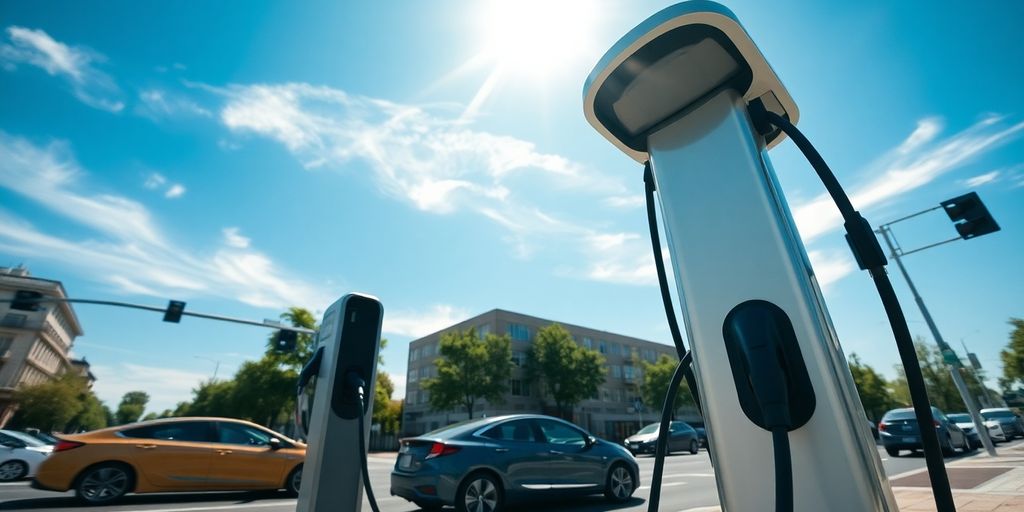
Okay, so you’re thinking about where to put your EV chargers? It’s not just about slapping them anywhere. Location is key, seriously. You want them where people will actually use them, and that takes some planning. Let’s break it down.
Factors Influencing Charger Placement
There are a bunch of things to think about when you’re picking spots for your chargers. Driver behavior is a big one. Where do people spend time? Obvious places are workplaces, shopping centers, and apartment buildings. Think about how long people are usually there. A quick stop at a coffee shop? Maybe a fast charger makes sense. An eight-hour workday? Level 2 chargers might be perfect. Also, don’t forget about power capacity. Can the site even handle the extra load? Upgrading electrical infrastructure can be a huge cost, so you want to check that early on. You might need a project assessment to figure this out.
Assessing Charging Use Cases
What kind of charging are we talking about here? Is it for customers, employees, or a fleet of vehicles? Each has different needs. For customers, you want convenience and visibility. Easy access from the road, maybe near other amenities. For employees, you might prioritize cost-effectiveness and overnight charging. If you’re dealing with a fleet, you need to think about things like vehicle routes and downtime. You might need a mix of Level 2 chargers for overnight and DC fast chargers for quick top-ups. Fleet size matters too. More vehicles mean more charging stations to avoid bottlenecks. Most fleet operators choose a mix of Level 2 charging stations for overnight charging with some DC Fast Chargers stations that can provide a quicker charge when needed.
Market Research and Demand Analysis
Do your homework! You need to know how many EVs are in the area and where people are likely to need a charge. Check local EV registration data. Talk to local EV groups. See what the competition is doing. Are there already a bunch of chargers nearby? Maybe you need to look at a different area. Or maybe you can offer something different, like faster charging or better amenities. Understanding the local demand is crucial. Public EV charging demand depends heavily on the number of EVs on the road, which varies by state and even by zip code. Also, consider future demand. EV adoption is only going to increase, so you want to plan for growth. You can even partner with EV charging solutions providers who can assist with advanced demand forecasting.
Choosing a Business Model
So, you’re ready to jump into the EV charging game? Awesome! But before you start digging holes for those chargers, you gotta figure out how you’re going to make money. There are a few different ways to approach this, and the best one for you really depends on your goals, your resources, and how much you want to be involved in the day-to-day stuff.
Charging Network Operations
Think of this like running your own chain of gas stations, but for electric cars. You own and operate charging stations at multiple locations, aiming to create a network that drivers can rely on. You make money by charging EV drivers either a flat rate or a variable rate that changes depending on the time of day and electricity costs. You can either manage the stations yourself, which means handling all the maintenance and customer service, or you can hire a service to do it for you. This model requires a significant upfront investment in infrastructure and ongoing maintenance, so it’s often a good fit for existing businesses like gas station chains that are looking to expand into the EV market. It’s time and resource-intensive, demanding expertise in ongoing maintenance.
Hardware and Software Sales
Instead of running your own charging stations, you could focus on selling the equipment and software to other businesses, homeowners, or fleet operators. This means you’re a solutions provider, offering everything from the chargers themselves to the software that manages them. You might also offer consulting services, installation, and maintenance. You make money by marking up the hardware and software you sell. Strong sales and customer service skills are key here, and it helps to have some knowledge of EVs and green tech. Payment can happen at installation, or on a monthly or annual basis if you’re providing ongoing services. To make a profit, you’ll need to get good deals on the hardware and software you sell. You can learn more about how to develop a profitable EV charging station business model.
Service Provider Partnerships
This is where you partner with a company that handles everything from installation to maintenance. There are a few ways to finance EV charging stations. One way is through loans, where your business borrows money to cover the cost of purchasing and installing EV charging stations. Once the loan is repaid, your business owns the equipment outright, which can be a great option for those seeking full ownership of their charging stations. Another option is Charging-as-a-Service (CaaS), which is an all-inclusive, subscription-based model where a provider handles the installation, maintenance, and software updates for your charging system. Businesses pay a fixed monthly fee, making it a hassle-free option for those who want to offer charging without owning or managing the equipment. Unlike a lease, there is no option to purchase the equipment at the end of the term.
Here’s a quick comparison of some financing options:
| Option | Upfront Cost | Ownership | Maintenance | Long-Term Cost |
|---|---|---|---|---|
| Loan | High | Yes | Your Resp. | Lower |
| Lease | Low | No | Provider | Higher |
| Charging-as-a-Service | None | No | Provider | Highest |
Securing Funding and Incentives
Okay, so you’re ready to jump into the EV charging game? Awesome! But let’s be real, setting up those charging stations isn’t exactly cheap. Luckily, there are ways to get some help with the costs. It’s all about finding the right funding and incentives. Let’s break it down.
Federal Grant Opportunities
There’s a good chunk of change floating around at the federal level, especially with the current push for green initiatives. President Biden’s Bipartisan Infrastructure Law is a big deal, setting aside billions for EV infrastructure. The US Department of Transportation is offering grants, sometimes starting at $500,000. Keep an eye on the details, though. Some of these grants are specifically for rural areas with smaller populations. This could be a great way to get a foothold in expanding markets with less competition.
State and Local Rebates
Don’t just focus on the feds! States and even local governments often have their own programs. For example, California’s Clean Transportation Program offers a mix of grants, contracts, and rebates. New York has ChargeNY, which is specifically aimed at boosting EV charging. Colorado has Charge Ahead Colorado, which gives grants for Level 2 and Level 3 chargers. The key is to dig around and see what’s available in your area. These rebates can really cut down on your initial investment. It’s worth checking out the latest incentive programs available in your area.
Canadian Funding Programs
If you’re north of the border, Canada has some options too. The Zero Emission Vehicle Infrastructure Program is a big one, with a lot of money earmarked for EV chargers. But, the competition is tough. To even be considered, you’ll likely need to include some pretty beefy chargers in your proposal, like 200 kW and above. Make sure you do your homework and meet all the requirements. Investing in EV charging stations can be a smart move, especially with government support.
Selecting Charging Equipment
Alright, so you’re ready to pick out the actual charging stations. This is where things get interesting because there are a lot of options. It’s not just about finding something that plugs in; it’s about finding the right fit for your location, your users, and your budget. Let’s break it down.
Types of EV Chargers
Okay, first things first: you gotta know your levels. We’re talking Level 1, Level 2, and DC Fast Charging. Level 1 is like plugging into a regular wall outlet – super slow, not really practical for anything beyond overnight trickle charging. Level 2 is much faster and what you’ll typically see in homes and workplaces. DC Fast Charging is the big kahuna, giving you a significant charge in a short amount of time, perfect for highway rest stops or busy urban areas.
Here’s a quick rundown:
| Charger Level | Voltage | Typical Use Case | Charging Speed (approx.) |
|---|---|---|---|
| Level 1 | 120V | Home (trickle) | 3-5 miles per hour |
| Level 2 | 240V | Home, Workplace | 20-30 miles per hour |
| DC Fast | 480V+ | Public, Highway | 60-200+ miles per hour |
Also, don’t forget about the connectors! You’ve got NACS, CCS, CHAdeMO, and even Tesla’s connector to consider. It’s a bit of a connector jungle out there, but most new stations are moving towards CCS for DC fast charging.
Universal Charging Station Importance
Think about who’s going to be using your chargers. Are you catering to a specific brand of EV, or do you want to be open to everyone? Having universal charging stations is a smart move because it maximizes your potential customer base. It means supporting different connector types and payment methods. It’s like offering both Android and Apple chargers at a phone charging station – everyone’s happy. Plus, with more automakers adopting the North American Charging Standard, it’s something to keep in mind.
Cable Management Systems
Seriously, don’t underestimate this. Nobody wants to wrestle with a tangled, dirty cable. Good cable management keeps your charging area tidy, prevents damage to the cables, and makes the whole experience more user-friendly. Here are some options:
- Retractors: These automatically reel the cable back in, keeping it off the ground.
- Hanging Systems: Simple hooks or brackets to keep the cable organized.
- Cable Trays: Channels that guide the cable along a path, preventing tangles.
Think about the length of the cable too. Too short, and people can’t reach their charge port; too long, and it’s a tripping hazard. It’s all about finding that sweet spot. Also, consider the ongoing maintenance of these systems. You don’t want to install something that’s going to break down in six months.
Maintaining Your Charging Station
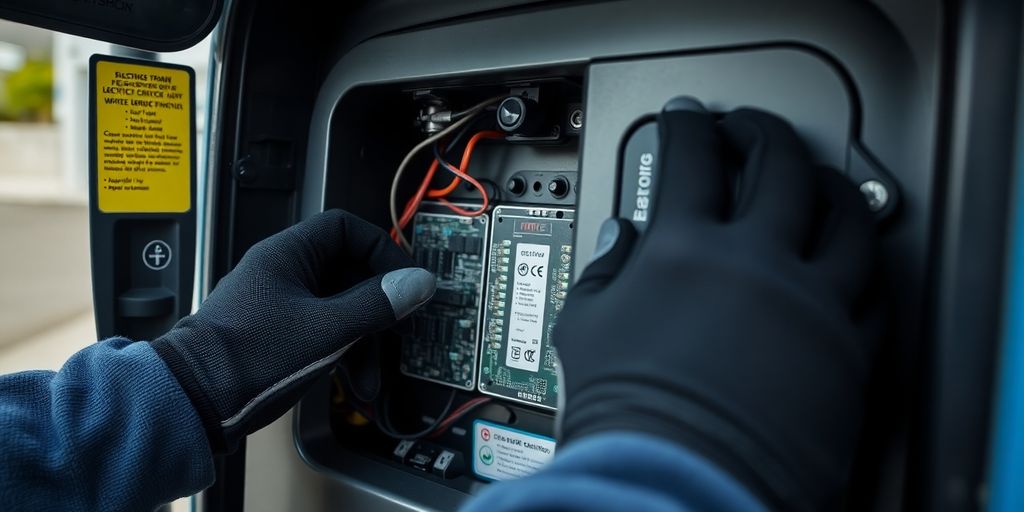
Okay, so you’ve got your EV charging station up and running. Awesome! But don’t think the work stops there. Just like any other piece of equipment, these stations need regular TLC to keep them humming along and avoid frustrating your customers. Think of it like owning a car – you can’t just drive it and never change the oil, right?
Hardware Component Checks
First things first, let’s talk hardware. This means the actual physical parts of your charging station. You’ll want to give everything a good once-over on a regular basis. I’m talking about the charger box itself, the cables, the connectors – the whole shebang. Look for any signs of wear and tear, like cracks, frays, or loose connections. Pay special attention after any crazy weather, like storms or heat waves. Also, keep those connectors clean! Dust and debris can mess with the connection and slow down charging. Think of it as spring cleaning, but for your charging hardware.
Software System Updates
It’s not all nuts and bolts, though. These charging stations are basically computers, so they need software updates too. Make sure your charging station management system (CSMS) is always up-to-date. These updates often include important security patches, bug fixes, and new features. Plus, a good CSMS can help you manage power allocation, detect full batteries, and even reallocate power to other chargers. If your EV chargers are taking way longer than they should, it might be a software issue.
Regular Operational Inspections
Beyond the hardware and software, you need to do regular operational inspections. This is where you check everything is working as it should. Are the payment systems working correctly? Is the network connection stable? Are the stations accessible and well-lit? Basically, you want to make sure the whole experience is smooth and convenient for your customers. A little preventative maintenance can save you a lot of headaches (and lost revenue) down the road. Think of it as keeping your station in tip-top shape!
Ensuring Interoperability and Accessibility
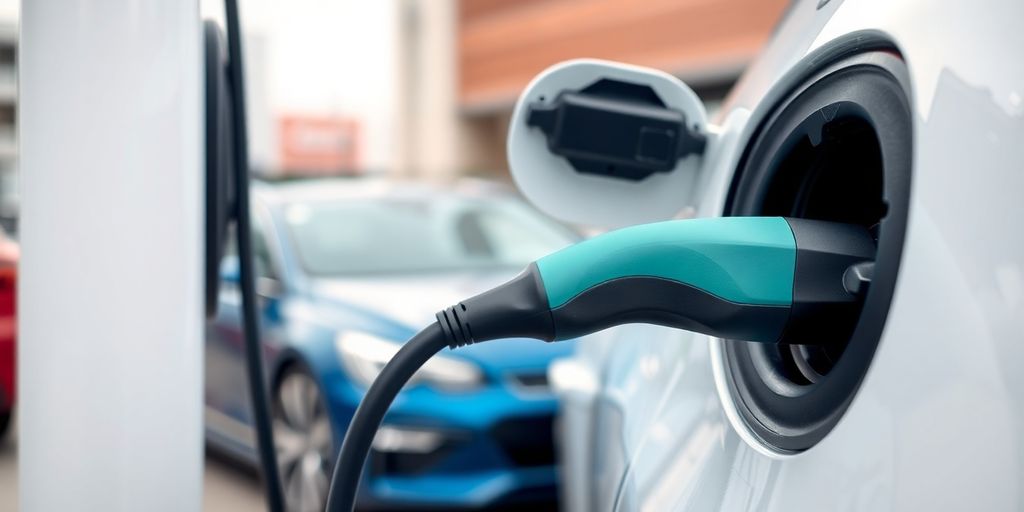
It’s super important that EV charging stations are easy to use for everyone, no matter what kind of EV they drive or if they have any disabilities. This means making sure different chargers and networks can talk to each other and that the stations are accessible to people with disabilities. Let’s get into the details.
Open Charge Point Protocol
The Open Charge Point Protocol (OCPP) is like a universal language for EV chargers. It lets different hardware and software systems work together, even if they’re made by different companies. Think of it like being able to use any phone charger with any phone – that’s the goal! program for manufacturers are available to improve OCPP compliance.
Open Charge Point Interface
Open Charge Point Interface (OCPI) is another important standard. It’s all about making it easy for EV drivers to charge their cars on different networks. Imagine you’re on a road trip and need to charge your car, but the charging station isn’t part of your usual network. OCPI lets you charge there without any hassle. It’s like having a roaming agreement for EV charging. This is an automated roaming protocol that lets charging stations serve drivers outside their network. grid connections are important for reliable charging.
Americans with Disabilities Act Compliance
Making sure your charging station is accessible to everyone is not just a nice thing to do, it’s the law! The Americans with Disabilities Act (ADA) has specific requirements for things like parking spaces, access aisles, and the height of charging equipment. You need to review it during planning to ensure disabled customers can charge with ease. Here are a few things to keep in mind:
- Parking Spaces: You need to have enough accessible parking spaces close to the charging station.
- Access Aisles: Make sure there’s enough space next to the parking spot for people using wheelchairs or other mobility devices to get in and out of their cars.
- Equipment Height: The charging equipment needs to be at a height that’s easy for everyone to reach.
By following these guidelines, you can make sure your charging station is welcoming and usable for all EV drivers.
Wrapping It Up: Your EV Charging Station Journey
So, there you have it. Getting into the EV charging station business might seem like a lot at first, but it’s totally doable. You’ve got to do your homework, pick a business model that makes sense for you, and keep those chargers in good shape. It’s a chance to do something good for the planet and maybe make some money too. Just remember, taking the time to plan things out and get the right tools will make everything a lot smoother. You got this!
Frequently Asked Questions
What are the main rules I need to follow when setting up an EV charging station?
Setting up an EV charging station means following rules from the government. In the U.S., the National Electric Code (NEC) has rules for how to safely put in and take care of EV charging equipment. For example, chargers need to be a certain height off the ground and use special cables. Also, the National Electric Vehicle Infrastructure (NEVI) program sets standards for chargers that get federal money, like what kinds of chargers to use and how payments should work.
How do I decide where to put my EV charging stations?
Picking the best spot for your charging station depends on who will use it and how long they’ll be there. Think about how busy your business is and how quickly people need their cars charged. If customers stay for a long time, like at a hotel, slower chargers might be fine. If they need a quick charge, like at a busy store, faster chargers are better. Also, check what other charging stations are in your area to see where there’s a need.
What are the different ways I can run my EV charging station business?
There are different ways to run an EV charging business. You could operate your own network, selling electricity to drivers. Another option is to sell the charging equipment and software to other businesses. Or, you could partner with a company that already manages charging services. The best choice depends on your goals and what you’re good at.
Are there any grants or special programs to help pay for EV charging stations?
Yes, there’s money available to help you set up charging stations! The U.S. government offers grants, like those from the NEVI program, which has billions of dollars for EV charging. States and local areas also have their own programs that give money back or offer other benefits. In Canada, the Zero Emission Vehicle Infrastructure Program (ZEVIP) helps fund chargers across the country. Make sure to look into all these options.
What kind of charging equipment should I choose?
EV chargers come in different types, like Level 2 and DC fast chargers, which charge at different speeds. It’s really important to have “universal” charging stations. This means they can charge any electric car, no matter the brand or type of plug. Also, you’ll need good cable management systems to keep the charging cables neat and safe, especially for longer ones.
How do I keep my EV charging station in good working order?
Keeping your charging station working well means regularly checking everything. This includes the physical parts like the charger box, cables, and connectors for any damage. You also need to update the software that runs the chargers. And don’t forget to do regular checks to make sure everything is running smoothly and safely for users.
