


Charging your electric vehicle (EV) can feel a bit overwhelming at first. With so many options and factors to consider, it’s important to understand how to charge for EV charging effectively. This guide will break down everything from home charging setups to public charging options, making it easier for you to navigate the world of EV charging.
Key Takeaways
- Home charging is often the most convenient and cost-effective option.
- Public charging stations can vary widely in price and payment methods.
- Using charging apps can simplify finding and paying for public charging.
- Planning charging stops ahead of long trips can save time and money.
- Take advantage of incentives and rebates to lower your charging costs.
Understanding EV Charging Costs

Factors Influencing Charging Costs
Okay, so you’ve got an EV, that’s awesome! But how much is this whole charging thing really going to cost? It’s not as simple as just plugging in and hoping for the best. Several things affect the price. The biggest factor is the electricity rate, which varies wildly depending on where you live and the time of day.
- Electricity prices: These can change based on peak hours. Charging at 2 AM might save you a bundle.
- Charging speed: Faster charging (DC fast charging) usually costs more per kWh than slower charging (Level 2).
- Location: Public charging stations often have different rates than what you pay at home.
- Membership fees: Some charging networks require a monthly fee, which can affect the overall cost.
Comparing Home vs. Public Charging
Home charging is usually cheaper. You’re just paying your regular electricity rate, and you can often take advantage of off-peak hours. Public charging? That’s where it gets trickier. You’re paying for the electricity and the convenience of using the charging station. Plus, some public chargers add extra fees. Think of it like this: home charging is like brewing your own coffee, while public charging is like buying a latte at Starbucks. Both give you caffeine, but one hits your wallet harder.
Understanding Pricing Models
Public charging stations use different ways to charge you. It can be confusing! Here’s a quick rundown:
- Per kWh: You pay for the amount of electricity you use. This is the most straightforward method.
- Per minute: You pay for the time you’re plugged in. This can be annoying if your car charges slowly.
- Session fee: A flat fee for using the charger, regardless of how much electricity you use. This can be good for quick top-ups, but bad if you need a full charge.
- Idle fees: Some stations charge extra if you stay plugged in after your car is fully charged. Don’t be that person blocking the charger!
Setting Up Home Charging Solutions
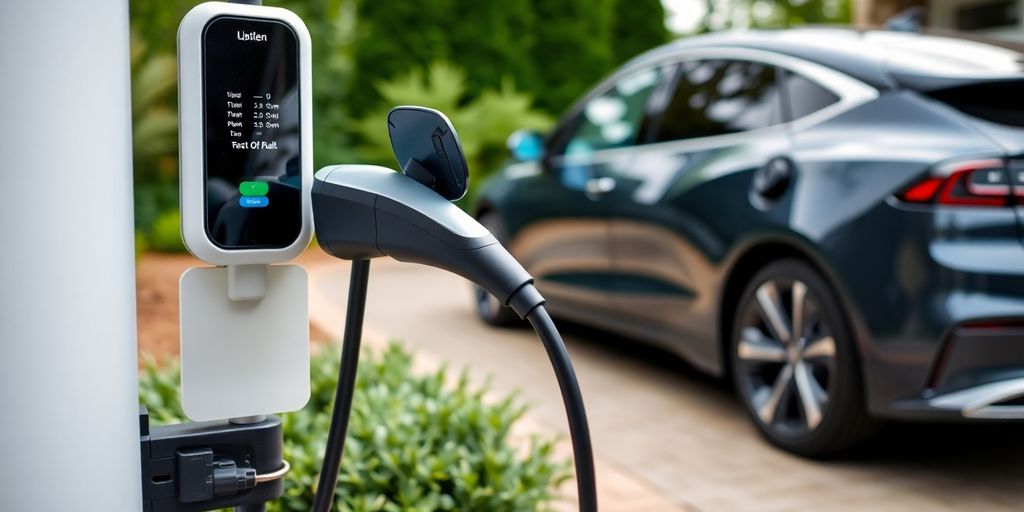
Home charging is super convenient. Waking up to a fully charged EV every morning? Yes, please! But getting it set up takes a little planning. It’s not just plugging into any old outlet.
Choosing the Right Charger
Okay, so first things first: you’ve got to pick the right charger. There are two main levels for home charging:
- Level 1: This is your standard 120V wall outlet. It’s the slowest, adding only a few miles of range per hour. Good for topping off, but not ideal for daily charging if you drive a lot.
- Level 2: This is where it’s at for most EV owners. It uses a 240V outlet (like your dryer or oven) and can fully charge your car overnight. You’ll need to buy a Level 2 charging unit and have it installed.
Choosing the right amperage for your Level 2 charger is important. A higher amperage charger will charge faster, but your home’s electrical panel needs to be able to handle the load. Consult with an electrician to figure out what’s best for your situation.
Installation Considerations
Alright, you’ve got your charger. Now comes the fun part: installation. Unless you’re an electrician yourself, you’ll want to hire a pro. Here’s what they’ll typically do:
- Assess your electrical panel: They’ll check if your panel has enough capacity for the charger. If not, you might need an upgrade, which adds to the cost.
- Run a dedicated circuit: The charger needs its own circuit to avoid overloading your electrical system. This involves running wiring from your panel to the charging location.
- Install the charger: They’ll mount the charging unit and connect it to the electrical circuit.
- Get it inspected: Most areas require an electrical inspection to ensure the installation meets safety codes.
Maximizing Efficiency at Home
Once your home charger is up and running, you’ll want to get the most out of it. Here are a few tips:
- Charge during off-peak hours: Many utility companies offer lower electricity rates during certain times of the day (usually overnight). Check with your provider and adjust your charging schedule accordingly.
- Consider a smart charger: These chargers can connect to your Wi-Fi and allow you to monitor your charging activity, set schedules, and even respond to demand response programs from your utility company.
- Keep your charger clean and well-maintained: Regularly inspect the charging cable and connectors for any damage. Keep the unit free from dust and debris.
By following these steps, you can set up a home charging solution that’s convenient, efficient, and safe. Happy charging!
Navigating Public Charging Options
Types of Public Chargers
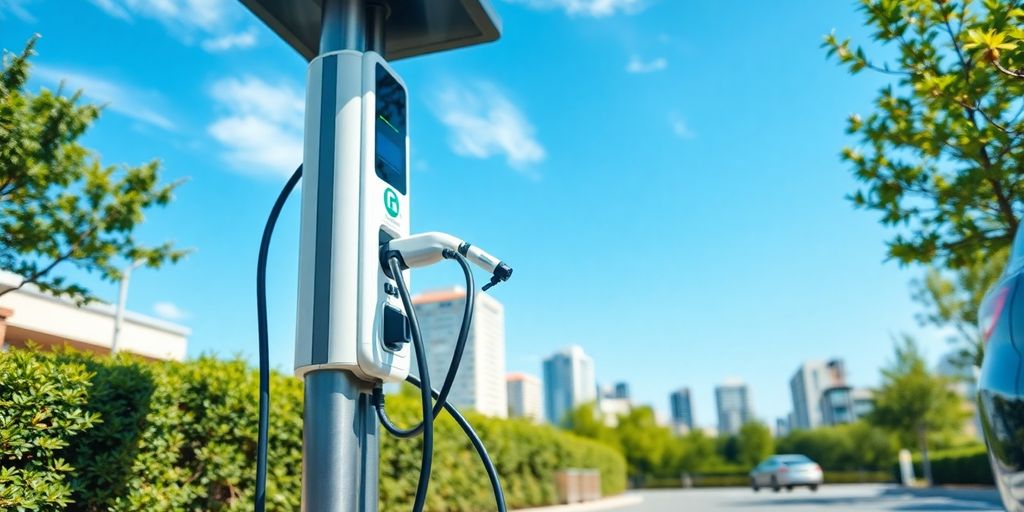
Okay, so you’re out and about and need a charge. Public charging stations aren’t all the same. You’ve basically got three levels to think about. Level 1 is super slow – think trickle charge. Level 2 is more common and gives you a decent boost while you’re shopping or at a restaurant. Then there’s DC fast charging (also called Level 3), which is the quickest way to get back on the road, perfect for road trips. Here’s a quick rundown:
| Charger Type | Voltage | Speed | Common Locations |
|---|---|---|---|
| Level 1 | 120V | Very Slow | Homes, Garages (rarely public) |
| Level 2 | 240V | Moderate | Parking lots, workplaces, public areas |
| DC Fast | 480V+ | Very Fast | Highway rest stops, dedicated stations |
Finding Charging Stations
Finding a public charging station used to be a pain, but it’s way easier now. There are tons of apps and websites that show you where chargers are located. Some cars even have it built into their navigation systems. A few things I always check for:
- Availability: Is the charger actually working and not in use?
- Charging speed: Does it offer the speed I need for my current situation?
- Reviews: What are other EV drivers saying about this location?
Payment Methods for Public Charging
Paying for public charging can be a little different depending on the station. Some let you pay with a credit card right at the charger. Others require you to use an app or a membership card. I’ve found that having a few different options is the best way to go. Here are the common ways to pay:
- Credit Card: Swipe or insert your card directly into the charger.
- Mobile App: Use the charging network’s app to start and pay for your session.
- Membership Card/RFID: Tap your card to initiate the charging session.
- Plug and Charge: Some newer EVs and chargers support this, automatically handling payment when you plug in.
Utilizing Charging Networks Effectively
Membership Benefits
Okay, so you’re thinking about joining a charging network? It’s kind of like a gym membership, but for your car. The big draw is often lower per-kWh prices compared to just rocking up and paying as you go. Plus, some networks offer perks like free charging hours or discounts at partner businesses. It really depends on how often you charge away from home. If you’re a regular public charger, it’s probably worth crunching the numbers to see if a membership saves you money. Also, some networks have different tiers of membership, so you can pick one that fits your charging habits.
Using Apps for Charging
Charging apps are a must-have. Seriously. They’re not just for finding charging stations (though that’s a big part of it). They also let you:
- See if a charger is available before you drive there. Nothing’s worse than arriving at a charger only to find it’s in use.
- Start and pay for your charging session. No more fumbling for credit cards or dealing with clunky payment systems.
- Track your charging history and costs. This is super helpful for budgeting and seeing how much you’re actually spending on electricity.
- Get notified when your car is fully charged. So you can free up the charger for the next person.
Some apps even let you reserve charging spots in advance. It’s like booking a table at a restaurant, but for your EV. I use PlugShare and it’s pretty good, but there are a bunch of others out there too.
Understanding Network Fees
Alright, let’s talk about the not-so-fun part: fees. Charging networks aren’t charities, they need to make money somehow. Here’s the deal:
- Idle Fees: These are charged if you leave your car plugged in after it’s finished charging. It’s to stop people from hogging the chargers. They can add up fast, so pay attention!
- Connection Fees: Some networks charge a small fee just to start a charging session, even before you’ve used any electricity. It’s usually pretty small, but it’s good to be aware of.
- Subscription Fees: If you’re a member, you’ll probably pay a monthly or annual fee. This usually gets you lower per-kWh prices, but make sure you’re charging enough to make it worthwhile.
- Location-Based Pricing: Prices can vary depending on the location of the charging station. Charging at a popular spot might cost more than charging at a less busy one.
Always check the fine print before you start charging, so you’re not surprised by any unexpected fees. It’s all about being an informed EV driver!
Charging Strategies for Long Trips
Long trips in an EV require a bit more planning than in a gas car, but it’s totally doable! It’s all about knowing where you can charge and how to make the most of it. I’ve found that a little preparation goes a long way in making the journey smooth and stress-free.
Planning Charging Stops
Okay, so the first thing you gotta do is plan. Figure out where you’re gonna stop to charge BEFORE you leave. There are a bunch of apps and websites that show you charging station locations. PlugShare and A Better Routeplanner are two that I use all the time. I usually look for chargers along my route and factor in some extra time in case a charger is busy or out of service. It’s also smart to check the reviews of charging stations to see if other EV drivers have had good or bad experiences there. I’ve been burned before by relying on a charger that turned out to be broken!
Here’s what I usually consider when planning:
- Distance between charging stops
- Availability of chargers at each stop
- Amenities near the charging stations (restaurants, restrooms, etc.)
Choosing Fast Charging Stations
When you’re on a long trip, you want to charge up as quickly as possible. That means finding fast charging stations, also known as DC fast chargers. These chargers can add a significant amount of range in a short amount of time. But, not all fast chargers are created equal. Some offer higher power outputs than others. Look for stations that offer 150kW or more for the fastest charging speeds. Also, keep in mind that your car’s battery charging speed can be affected by temperature and state of charge. Charging is usually faster when the battery is at a lower state of charge.
To make the most of fast charging:
- Arrive with a low battery percentage (but not too low!).
- Check the charger’s power output before plugging in.
- Be aware that charging speed slows down as the battery fills up.
Cost Considerations on the Road
Charging on the road can sometimes be more expensive than charging at home. Different charging networks have different pricing structures. Some charge by the kilowatt-hour (kWh), while others charge by the minute. It’s a good idea to compare prices at different charging stations along your route. Also, some networks offer membership plans that can save you money if you charge frequently with them. Don’t forget to factor in the cost of charging when budgeting for your trip. Sometimes, grabbing a bite to eat while charging can make the charging time feel less like a waste of time, even if it adds to the overall cost.
Here’s a quick comparison of potential charging costs:
| Charging Network | Pricing Structure | Estimated Cost (per kWh) |
|---|---|---|
| Network A | Per kWh | $0.40 |
| Network B | Per Minute | Varies |
| Network C | Membership Plan | Discounted kWh rate |
Incentives and Rebates for EV Charging
Federal and State Incentives
Okay, so you’re thinking about getting an EV or maybe you already have one. Either way, you should know about the money the government is throwing at people to make it easier to switch to electric. The federal government offers tax credits for buying new EVs, and sometimes even used ones. These credits can knock a significant chunk off the purchase price. Plus, a bunch of states have their own incentive programs, which can include rebates, tax credits, or even grants. The specifics vary a lot depending on where you live, so it’s worth checking out your state’s energy office website. You might be surprised at what you find. For example, some states offer:
- Purchase rebates for new or used EVs
- Tax credits that reduce your state income tax
- Exemptions from sales tax on EV purchases
Utility Company Rebates
Don’t forget to check with your local utility company! They often have their own programs to encourage EV adoption. These can include rebates for installing a home charger, special off-peak charging rates, or even direct financial assistance for buying an EV. Utility companies are trying to manage the load on the grid, and EVs can help with that if people charge them at the right times. Some common utility rebates include:
- Rebates for purchasing and installing Level 2 chargers
- Lower electricity rates for EV owners who charge during off-peak hours
- Bill credits for participating in demand response programs
Tax Credits for Home Charging
Installing a home charger is a game-changer for EV ownership, and guess what? The government might help you pay for it. There are federal tax credits available for the purchase and installation of home EV chargers. This can significantly reduce the upfront cost of setting up your home charging station. Plus, some states offer additional incentives on top of the federal ones. It’s like getting paid to make your life easier! Here’s what you should know:
- The federal tax credit covers a percentage of the cost of the charger and installation.
- Some states offer additional tax credits or rebates for home charging equipment.
- Make sure to keep all receipts and documentation for claiming the credit when you file your taxes.
Future Trends in EV Charging Pricing
Impact of Renewable Energy
Okay, so picture this: more and more solar and wind farms are popping up. That’s great for the planet, but it also means electricity prices could get really interesting. When the sun’s blazing or the wind’s howling, we might see super cheap charging rates. But when it’s cloudy or still? Prices could spike. It’s all about supply and demand, but with a green twist. This could mean planning your charging around the weather forecast to save some serious cash.
Dynamic Pricing Models
Forget flat rates! Dynamic pricing is where it’s at. Imagine surge pricing, but for EV charging. Prices change based on the time of day, how many people are charging, and even the weather (like we talked about above).
- Real-time adjustments: Prices fluctuate based on demand and grid conditions.
- Personalized rates: Your charging history and preferences could influence what you pay.
- Subscription tiers: Different levels of access and pricing based on your needs.
It might sound complicated, but it could also mean big savings if you’re smart about when you plug in. Think of it like happy hour, but for your EV.
Technological Innovations in Charging
Tech is always changing, and EV charging is no exception. New battery tech, faster chargers, and even wireless charging are all on the horizon.
- Faster Charging: New technologies are dramatically reducing charging times.
- Wireless Charging: Imagine just parking over a pad and charging automatically.
- Smart Grid Integration: EVs becoming part of the power grid, potentially earning you money by feeding energy back during peak demand.
These advancements could bring down costs and make charging way more convenient. It’s like going from dial-up to fiber optic – a total game changer.
Wrapping It Up
So, there you have it. Charging your electric vehicle isn’t as tricky as it might seem at first. Whether you’re plugging in at home or finding a public station, just remember the basics. At home, it’s usually cheaper and easier, while on the go, you might need an app or a membership to get started. Keep an eye on your charging habits and costs, and don’t hesitate to shop around for the best deals. As EVs become more common, the options for charging will only get better. Happy charging!
Frequently Asked Questions
What factors affect the cost of charging my electric vehicle (EV)?
Several things can change how much you pay to charge your EV. This includes where you charge, the type of charger you use, and the time of day you charge.
Is it cheaper to charge at home or at public stations?
Charging at home is usually cheaper than using public chargers. Home charging uses your regular electricity rate, while public stations may charge extra fees.
How do I pay for charging at public stations?
You can pay for charging at public stations using a smartphone app, a membership card, or a credit/debit card, depending on the station.
Can I charge my EV for free?
Sometimes, you can find free charging at places like hotels or shopping centers, but most of the time, you will need to pay.
What should I consider when planning a long trip with my EV?
When planning a long trip, think about where you can stop to charge, how fast you need to charge, and the costs of charging at different locations.
Are there any financial incentives for charging my EV?
Yes, there are often federal and state incentives, rebates from utility companies, and tax credits that can help reduce the cost of charging your EV.
