


If you’re thinking about adding an electric vehicle (EV) charger to your home, you’re probably wondering about the costs involved. The price to install a home EV car charging station can vary quite a bit depending on several factors, including the type of charger, installation requirements, and any necessary upgrades to your electrical system. Let’s break down the details so you can get a clearer picture of what to expect.
Key Takeaways
- Installation costs for home EV chargers typically range from $799 to $2,500.
- Level 1 chargers are the most basic and often come with new EVs, while Level 2 chargers offer faster charging but require additional installation.
- Labor costs and permits can add several hundred dollars to your total expenses.
- Look for state and federal incentives that can help lower the installation cost.
- Consider ongoing costs like electricity and maintenance after your charger is installed.
Understanding EV Charger Types
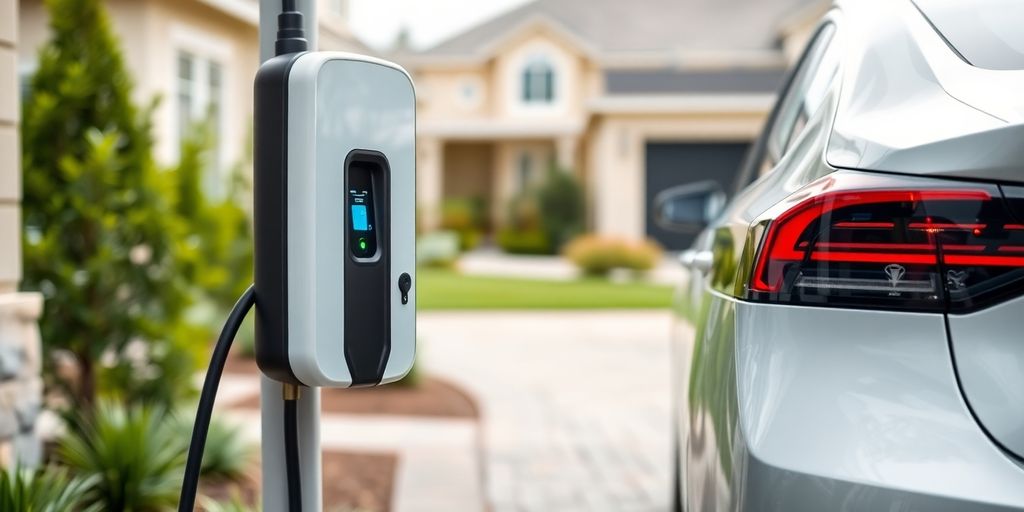
Okay, so you’re thinking about getting an EV charger installed at home? Awesome! One of the first things to wrap your head around is the different types of chargers out there. It’s not as simple as just plugging something into the wall. There are levels, and each one has its own speed and cost implications. Let’s break it down so you know what you’re getting into.
Level 1 Charging Basics
Level 1 charging is the most basic type. It uses a standard 120V household outlet. The upside? You probably already have one in your garage. The downside? It’s slow. Like, really slow. We’re talking adding only a few miles of range per hour.
Think of it like this:
- Pros: No special equipment needed, uses existing outlets, cheapest option.
- Cons: Extremely slow charging times, not suitable for daily commuting if you drive a lot.
- Best For: Plug-in hybrids with small batteries, topping off the charge overnight, people who don’t drive much daily.
Most EVs actually come with a Level 1 charging cable, so you can technically start charging your car the day you bring it home. But for most people, it’s not a long-term solution. It might take 40-50 hours to get to 80%.
Level 2 Charging Advantages
Level 2 is where things get interesting. These chargers use a 240V outlet – the same kind your dryer or oven uses. That means you’ll need to have one installed if you don’t already have one. This is where you’ll need to contact a licensed electrician. The big advantage is speed. Level 2 chargers can add way more range per hour compared to Level 1.
Here’s the deal:
- Pros: Significantly faster charging times, suitable for daily commuting, can fully charge most EVs overnight.
- Cons: Requires professional installation, higher upfront cost than Level 1.
- Best For: Most EV owners, daily commuters, people who need to charge their car quickly.
Level 2 chargers can bring an EV battery to 80% in about 4 to 10 hours. If you’re looking at Anfu’s EV charging stations EV charging stations, you’ll find that Level 2 chargers are a popular choice for home use.
Level 3 Charging Overview
Level 3 chargers, also known as DC fast chargers, are the speed demons of the EV world. These aren’t typically installed at homes because they require specialized and expensive equipment. You’ll mostly find them at public charging stations. They deliver a high-voltage direct current straight to your car’s battery, allowing for super-fast charging.
Key things to know:
- Pros: Extremely fast charging times, can add significant range in minutes.
- Cons: Very expensive to install, not suitable for home use, can degrade battery health with frequent use.
- Best For: Road trips, quick top-offs, commercial charging stations.
While Level 3 charging is great for convenience on the road, it’s generally not something you need to worry about for home charging. Focus on Level 1 or Level 2, depending on your needs and budget.
Factors Influencing Installation Costs
Alright, so you’re thinking about getting an EV charger installed at home. Awesome! But before you get too excited, let’s talk about the stuff that’s gonna affect how much it all costs. It’s not just the charger itself; there’s a bunch of other things that can make the price go up or down. Let’s break it down.
Equipment and Material Costs
Okay, first things first: the actual charger. The type of charger you pick is going to be a big factor in the overall cost. A basic Level 1 charger portable charging stations that plugs into a regular outlet is obviously cheaper than a fancy Level 2 charger that needs special wiring. Then there’s the materials – wiring, conduit, maybe even a new breaker if your electrical panel is old or maxed out. All that stuff adds up. The national average cost for EV charging station installation is between $1,000 and $2,500.
Labor and Permit Expenses
Don’t forget about the electrician! Unless you’re super confident with electrical work (and you really shouldn’t be unless you are an electrician), you’ll need to hire someone to do the install. Labor costs can vary a lot depending on where you live and how complicated the job is. Plus, you might need permits from your local government, and those aren’t free either. Getting multiple quotes is always a good idea to make sure you’re not getting ripped off. If you opt for a plug-in unit, the only installation costs associated with the charger would be for the electrician to run power from your home’s breaker box to the outlet where the charger will be plugged in.
Electrical System Upgrades
This is where things can get really interesting (and expensive). If your home’s electrical system is outdated or can’t handle the extra load of an EV charger, you might need to upgrade your panel. That could mean a whole new panel, or just some new breakers. Either way, it’s not cheap. Also, the distance between where you want the charger and your main electrical panel matters. The farther away, the more wiring is needed, and the higher the cost. So, before you even think about buying a charger, have an electrician check out your EV charging experience and tell you if you need any upgrades. It could save you a lot of headaches (and money) down the road.
Additional Costs to Consider
Beyond the basic equipment and installation, there are a few extra things that can impact the final cost of your home EV charging setup. It’s easy to overlook these, but they can add up, so it’s good to be aware of them upfront.
Accessories and Add-ons
Don’t forget about the extras! Things like surge protectors are important to protect your investment from power fluctuations. You might also need extension cords if your parking spot isn’t right next to the outlet. Mounting brackets are another common add-on, especially if you want a clean, professional look for your charger. Depending on your existing electrical setup, you might even need additional wiring or outlets. These little things can add a surprising amount to the total cost.
Outdoor vs. Indoor Installation
Where you install your charger matters. Outdoor chargers typically cost more than indoor ones because they need to be weatherproofed to withstand the elements. This means a more robust enclosure and extra protection against rain, snow, and extreme temperatures. You might also need to run conduits to protect the wiring, which adds to the labor and material costs. If you’re considering an outdoor installation, factor in these extra expenses.
Multiple Vehicle Charging Solutions
If you have more than one EV, you’ll need to think about how you’re going to charge them both. One option is to install a second charger, which obviously doubles the equipment and installation costs. Another option is to use a single charger and share it between vehicles. This might require some coordination and planning, but it can save you money in the long run. You could also consider a commercial EV charging stations with a charging pedestal, especially if you want the charger located between parking spots. Keep in mind that having multiple adapters for different EV brands can also add to the cost, although some automakers are moving towards a universal charging standard.
Potential Savings and Incentives
Okay, so you’re staring down the barrel of installation costs for your home EV charger. It can feel like a big hit to the wallet upfront. But hold on! There’s a bunch of ways to soften that blow and even come out ahead in the long run. Let’s break down the potential savings and incentives you should be looking into.
State and Local Rebates
This is where you need to do some digging, because every state (and even city or county) has different programs. The good news is, many areas offer rebates to help cover the cost of buying and installing a home EV charger. These rebates can range from a few hundred dollars to a significant chunk of the total expense. Check your state and local government websites. A quick search for "EV charger rebates [your state]" should get you started. Don’t skip this step – it’s free money!
Federal Tax Credits
Uncle Sam wants you to go electric! The federal government offers tax credits for installing EV charging points at home. These credits can significantly reduce your overall tax burden, making the charger installation much more affordable. Keep an eye on the IRS website for the latest information on eligibility requirements and credit amounts. Tax laws change, so stay informed!
Long-term Cost Benefits
Okay, this isn’t an immediate discount, but it’s arguably the most important thing to consider. Think about it: you’re ditching gasoline. That alone is a huge win. Electricity is almost always cheaper than gas, even with rising utility rates. Plus, EVs typically require less maintenance than gasoline cars (no oil changes, for example). Over the years, these savings add up big time. And, installing a home EV charger could even increase your property value. It’s an investment in your future, and the future of your home’s value.
Choosing the Right Installation Service
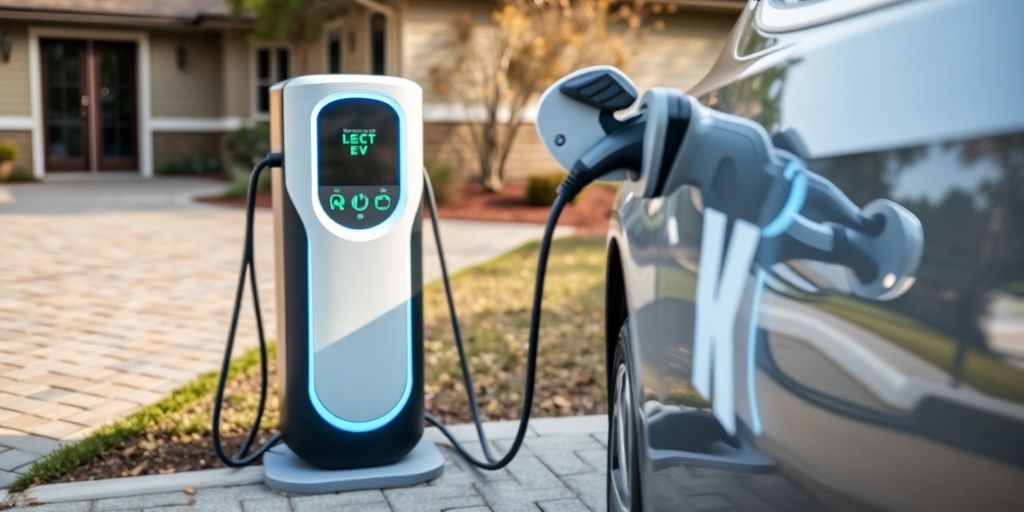
Okay, so you’ve decided to get an EV charger installed. Great! But hold on, you can’t just let anyone mess with your electrical system. Picking the right installation service is super important. It’s not just about getting the cheapest price; it’s about safety, reliability, and making sure the job is done right the first time. Trust me, you don’t want to cut corners here.
Finding Qualified Electricians
First things first, you need to find electricians who actually know what they’re doing. Don’t just grab a name from a random online directory. Look for electricians with specific experience in EV charger installation. Check if they’re licensed and insured, and see if they have any certifications related to EV charging. A good place to start is by asking your EV dealer for recommendations. They often have partnerships with local installers they trust. You can also check online review sites, but take those with a grain of salt.
Here’s a quick checklist:
- Licensed and insured
- Experience with EV charger installation
- Positive reviews (but do your own research!)
- Willing to answer your questions
Getting Multiple Quotes
Never, ever settle for the first quote you get. Get at least three different quotes from different electricians. This gives you a good idea of the average cost in your area and helps you spot any red flags. When you’re comparing quotes, make sure you’re comparing apples to apples. Are they including the same equipment? Are they accounting for potential electrical upgrades? A super low quote might seem tempting, but it could mean they’re cutting corners or not including all the necessary work. Remember that the national average cost for EV charging station installation can vary.
Understanding Warranty Options
Before you sign anything, make sure you understand the warranty options. What does the warranty cover? How long does it last? Is it just for the equipment, or does it also cover the labor? A good warranty can save you a lot of headaches down the road if something goes wrong. Also, ask about the electrician’s guarantee. If they mess something up during the installation, will they come back and fix it for free? Don’t be afraid to ask questions and get everything in writing. It’s better to be safe than sorry. You might also want to ask about portable charging stations and whether those have different warranty options.
Ongoing Costs After Installation
Okay, so you’ve got your EV charger installed. Awesome! But the spending doesn’t stop there. It’s important to factor in the costs that will pop up after the initial installation. Let’s break down what you can expect to pay for over the long haul.
Maintenance and Repair Expenses
Most home EV chargers are pretty low-maintenance, but things can still go wrong. Just like any other appliance, wear and tear happens. While many wall units come with a warranty, it’s important to check what it covers and for how long. If something breaks outside of the warranty period, you’re on the hook for repair costs. These costs can vary widely depending on the issue. It could be a simple fix, or you might need to replace parts. Keeping your charger clean and protected from the elements can help minimize these expenses.
Monthly Subscription Fees
Some EV charger manufacturers charge a monthly fee to use their cloud-based systems. These systems often provide features like remote monitoring, usage tracking, and smart charging capabilities. If you want to share your charger with the public, some companies might also charge fees for that. Make sure you understand these potential fees before committing to a particular charger. It’s worth comparing different models to see which ones offer the features you want without the added subscription costs. You can find more information about EV charging stations on the AMPPAL website.
Electricity Costs for Charging
This is the big one! Obviously, you’ll need electricity to charge your EV. The cost of electricity varies depending on where you live and how much you drive. It’s a good idea to calculate how much you’ll be spending on electricity each month to keep your EV running. Here are some factors to consider:
- Your electricity rate: Check your utility bill to see how much you pay per kilowatt-hour (kWh).
- Your EV’s energy consumption: This is usually measured in miles per kWh. Check your car’s specs or do some real-world testing to get an accurate number.
- How much you drive: The more you drive, the more you’ll need to charge.
Consider these points to help you estimate your monthly electricity costs. You might also want to look into time-of-use electricity plans from your utility company, which can offer lower rates during off-peak hours. This can save you money if you can charge your car overnight. Also, remember that even the best-maintained EV chargers will eventually need replacing. As the EV industry continues to evolve, newer charging units will likely become available with more features and better performance. If you plan to keep your EV for a long time, consider how much the cost of replacing your charger may change over its lifetime.
Planning for Future Upgrades
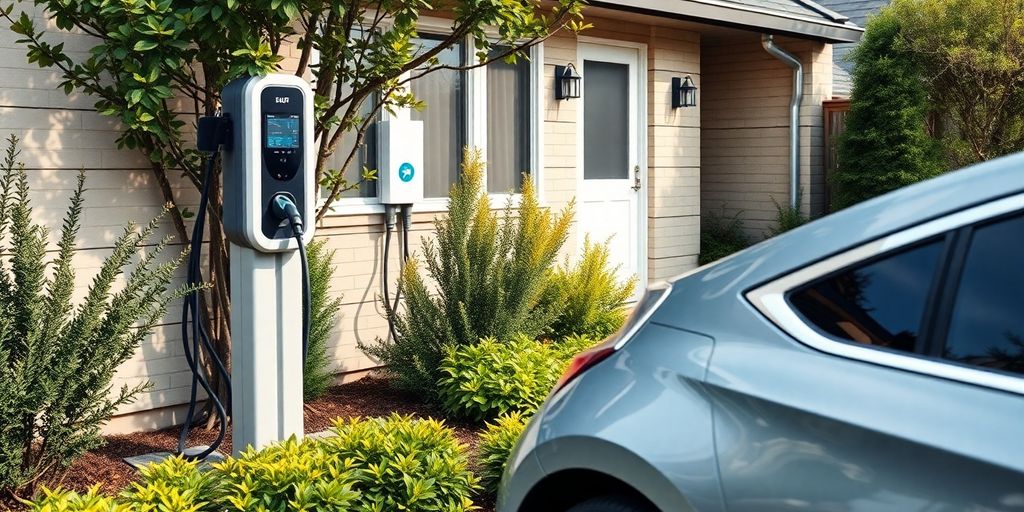
It’s easy to think about your immediate EV charging needs, but what about down the road? Considering future upgrades now can save you headaches (and money) later. Let’s look at some things to keep in mind.
Scalability of Charging Stations
Think about whether you might need more charging capacity in the future. Will you get a second EV? Will your family members or tenants also need to charge? If so, consider:
- Choosing a charging station with a higher amperage capacity than you currently need. This gives you headroom for faster charging in the future.
- Installing a subpanel during the initial installation. This makes it easier and cheaper to add another charging station later.
- Looking into load-sharing options. Some chargers can intelligently distribute power between multiple vehicles, maximizing efficiency without overloading your electrical system.
Preparing for New EV Models
EV technology is constantly evolving. New models might have different charging requirements or use different plug types. To future-proof your setup:
- Consider a charging station with a universal connector or an adapter system. This allows you to charge a wider range of EVs, even those with different plugs.
- Stay informed about the latest charging standards. EV charging is always improving, so knowing what’s coming can help you make smart decisions.
- Choose a reputable brand that offers firmware updates. This ensures your charging station remains compatible with new EV models and features.
Infrastructure Considerations
Beyond the charging station itself, think about the bigger picture:
- Ensure your electrical panel has enough capacity to handle future charging needs. An electrician can assess your panel and recommend upgrades if necessary.
- Consider the location of your charging station. Is it easily accessible? Is there room to expand if needed?
- Think about the impact on your home’s value. A well-planned EV charging setup can be a selling point for future buyers. It’s a good idea to check out the latest trends to see what people are looking for.
Wrapping It Up
In the end, figuring out how much it costs to install a home EV charging station can be a bit tricky. You’ve got to think about the type of charger you want, any electrical upgrades your home might need, and even local permit fees. Prices can range from around $800 to a couple thousand bucks, depending on what you choose. But remember, this is an investment. Over time, having your own charging station can save you money on fuel and might even add value to your home. Plus, if you ever decide to share it with others, there are ways to make some cash back. So, do your homework, get some quotes, and you’ll be on your way to charging up at home in no time!
Frequently Asked Questions
What is the average cost to install a home EV charger?
The average cost to install an EV charger at home ranges from $1,000 to $2,500, depending on various factors like location and charger type.
What types of EV chargers are available?
There are three main types of EV chargers: Level 1, Level 2, and Level 3. Level 1 is the slowest and uses a standard outlet, while Level 2 is faster and usually needs a special outlet. Level 3 is the fastest but is very expensive.
Are there any extra costs involved in the installation?
Yes, there can be extra costs for things like permits, labor, and any electrical upgrades needed in your home.
Can I get rebates or tax credits for installing an EV charger?
Yes, many states offer rebates, and you may qualify for federal tax credits that can help reduce the overall cost of installation.
How do I find a good electrician for installation?
You can search for qualified electricians online, ask for recommendations, and get multiple quotes to find the best deal.
What ongoing costs should I expect after installation?
After installation, you may have costs for maintenance, electricity for charging, and possibly monthly fees if your charger has a subscription service.
