


Thinking about getting an EV charger installed at home? Before you dive in, you’ll need an electrician to inspect your setup. But how much does that cost? It’s not as simple as a flat rate—it depends on a bunch of factors like where you live, your home’s electrical system, and even the type of charger you want. If you’re curious about what to expect, keep reading. We’ll break it all down for you.
Key Takeaways
- Electricians typically charge around $100 per hour for labor, and inspections can take 1-2 hours.
- The total cost varies based on your location, the complexity of your electrical setup, and the type of charger you plan to install.
- If your electrical panel needs an upgrade, expect additional costs that could range from a few hundred to several thousand dollars.
- Permits and inspection fees might add another $100 to $400 to your total bill.
- To save money, check for local tax credits or bundle the inspection with the installation.
Understanding the Costs of Hiring an Electrician for EV Charger Inspection
Factors That Influence Electrician Costs
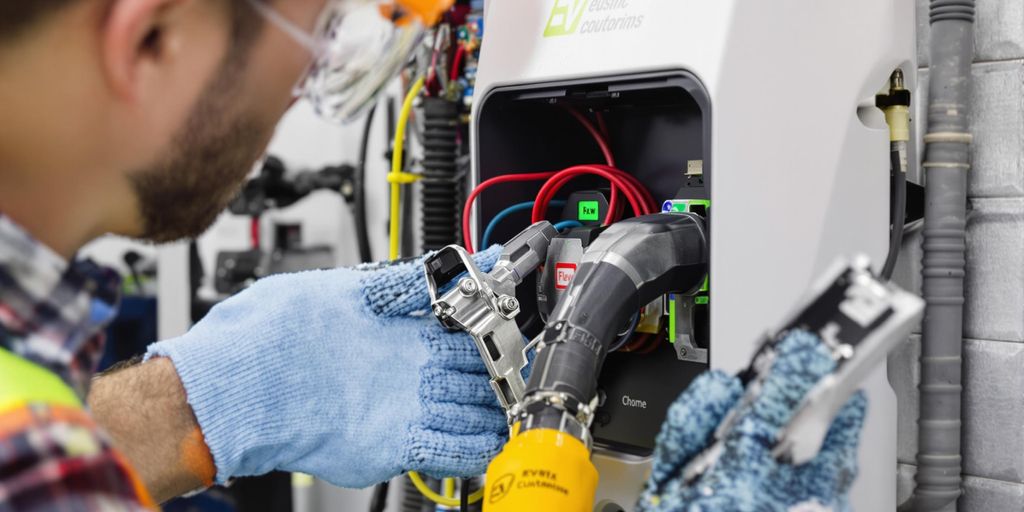
When hiring an electrician for an EV charger inspection, several factors can impact the overall price. For starters, the complexity of your home’s electrical system plays a big role. If your system is outdated or lacks the necessary capacity, additional work like panel upgrades might be required. Another factor is the distance between your electrical panel and the desired location of the EV charger. The longer the wiring run, the higher the cost for materials and labor. Additionally, electricians may charge more for weekend or emergency appointments, so scheduling can also affect your bill.
Average Hourly Rates for Electricians
Electricians typically charge an hourly rate, and this can range anywhere from $50 to $150 per hour depending on their experience and your location. On average, you might expect to pay around $100 per hour. For an EV charger inspection, which usually takes 2-3 hours, you’re looking at a labor cost of $200 to $300. Keep in mind that if any additional work is required, such as installing a 240-volt outlet, those hours will add up.
| Task | Estimated Cost |
|---|---|
| EV Charger Inspection | $200 – $300 |
| Additional Panel Upgrades | $1,000 – $3,000+ |
| Installing 240-Volt Outlet | $250 – $800 |
Regional Variations in Pricing
Where you live can significantly affect how much you’ll pay for an electrician. Urban areas and major cities tend to have higher labor costs compared to rural locations. For instance, electricians in New York or Los Angeles may charge closer to $150 per hour, while those in smaller towns might charge closer to $50. It’s a good idea to get quotes from multiple electricians in your area to compare costs and find a price that fits your budget.
Why You Need an Electrician to Inspect for EV Charging
Ensuring Electrical Panel Compatibility
Before installing an EV charger, it’s important to know if your home’s electrical panel can handle the extra load. An electrician will evaluate your panel’s capacity and determine if upgrades are needed. For instance, many older homes have panels that may not support the power demands of a Level 2 charger. If your panel isn’t up to the task, you might need a costly upgrade, sometimes running into thousands of dollars.
Identifying Potential Safety Hazards
Hiring an electrician isn’t just about convenience—it’s about safety. They’ll check for potential hazards like outdated wiring, improper grounding, or overloaded circuits. These issues could lead to fire risks or damage to your vehicle. A thorough inspection ensures that your home’s electrical system is safe for EV charging and minimizes the risk of future problems.
Meeting Local Code Requirements
Every city or county has its own electrical codes, and EV charger installations need to comply with them. An electrician ensures that your setup meets these codes, which is often a requirement for permits and inspections. Skipping this step could result in fines or the need to redo the work, costing you more in the long run.
Steps Involved in an EV Charger Inspection by an Electrician
Initial Assessment of Electrical System
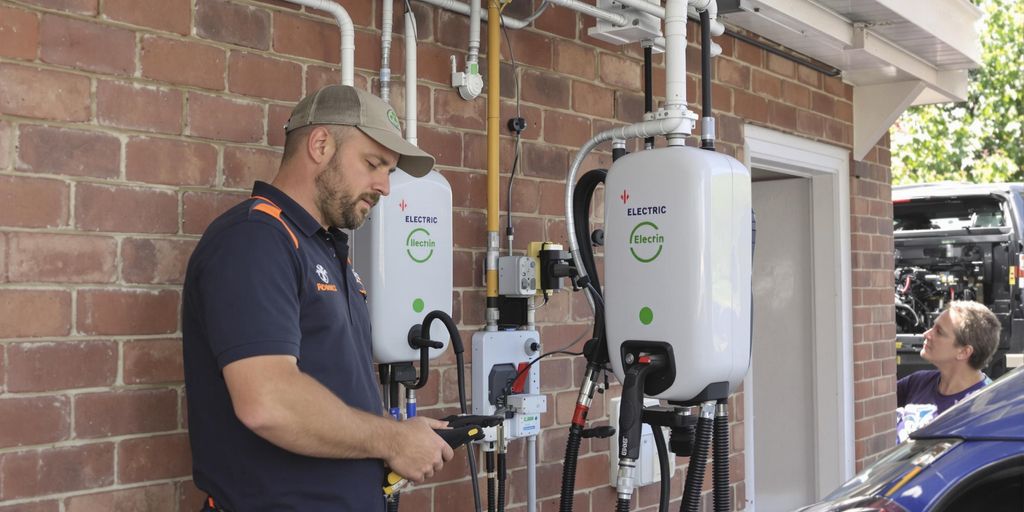
The electrician starts by evaluating your home’s electrical setup. They’ll check the capacity of your electrical panel to see if it can handle the additional load of an EV charger. If your panel is outdated or insufficient, they’ll let you know if an upgrade is necessary. This step is crucial for ensuring your home can safely support EV charging.
Determining Charger Placement
Next, the electrician will help you decide where to install the charger. They’ll consider factors like the distance from your electrical panel to the charging spot, as longer distances can increase installation costs. They’ll also assess accessibility, ensuring the charger is in a convenient location for daily use.
Providing a Cost Estimate
After the assessment, the electrician will provide a detailed cost estimate. This includes labor, materials, and any potential upgrades needed, like adding a 240-volt outlet or upgrading your panel. It’s a good idea to get this in writing so you can compare quotes if needed.
Additional Costs to Consider Beyond Electrician Fees
Permit and Inspection Fees
When adding an EV charger to your home, you’ll likely need a permit from your local government. These fees can vary widely depending on your location. For instance, permits might cost as little as $40 in some areas but could climb to $400 or more in others. It’s worth noting that some electricians charge extra to handle the permitting process for you. If you’re unfamiliar with local regulations, this could save you time and frustration.
Upgrading Electrical Panels
If your home has an older electrical system, upgrading to a 200-amp service may be necessary before installing an EV charger. This upgrade can be a significant expense, often ranging from $1,500 to $3,000 or more, depending on the complexity of the job. Additional costs may arise if new circuits or breakers are required.
Installing a 240-Volt Outlet
Most Level 2 EV chargers require a dedicated 240-volt outlet. If your garage or installation site doesn’t already have one, an electrician will need to install it. The cost for this can vary but typically falls between $300 and $800. Factors like the distance from your electrical panel to the outlet location can also impact the price.
How to Choose the Right Electrician for Your EV Charger Inspection
Checking Licenses and Certifications
When hiring an electrician, the first thing you should look for is their license and certifications. Make sure they are licensed to work in your state or region. This guarantees they’ve met the minimum training and safety requirements. Additionally, certifications specific to EV charger installations can be a big plus. These indicate the electrician is familiar with the unique challenges of installing and inspecting charging systems. Don’t hesitate to ask for proof of these qualifications—it’s your right as a customer.
Reading Customer Reviews
Customer reviews can tell you a lot about an electrician’s quality of work and reliability. Check online platforms for reviews, but focus on patterns rather than one-off complaints. Are most customers happy with their work? Did they finish on time and stick to the estimate? Also, ask for references directly from the electrician. Speaking to past clients can give you a clearer picture of what to expect.
Comparing Multiple Quotes
Don’t settle for the first quote you get. Reach out to at least three electricians to compare their pricing and services. While it’s tempting to go for the cheapest option, remember that lower costs can sometimes mean corners are being cut. Look for a balance between affordability and expertise. When comparing quotes, ask for itemized details so you know exactly what you’re paying for—this will help you avoid hidden fees later on.
Maximizing Savings When Hiring an Electrician for EV Charger Inspection
Exploring Tax Credits and Incentives
Before you even pick up the phone to call an electrician, check if there are any tax credits or rebates available in your area. These programs can help reduce the overall cost of your EV charger installation significantly. Many states and local governments offer incentives for adopting electric vehicle technology, and some utility companies even provide discounts or rebates for charger installations. Spend some time researching what’s available—you might be surprised by how much you can save.
Bundling Inspection with Installation
If you’re planning to have an electrician inspect your home’s electrical system for EV charging, consider bundling this service with the actual installation of the charger. Many electricians offer package deals that include both the inspection and installation at a reduced rate. This not only saves money but also ensures the same professional handles both tasks, minimizing potential miscommunications or errors.
Negotiating Costs with Electricians
When hiring an electrician, don’t be afraid to negotiate. Get quotes from at least three different professionals and use these estimates as leverage to discuss pricing. Some electricians might be willing to lower their rates or waive certain fees if they know you’re shopping around. Additionally, ask if there are ways to reduce costs, such as doing some of the prep work yourself (like clearing the installation area) or opting for a simpler setup.
Conclusion
Hiring an electrician to inspect your home for EV charging readiness might seem like an extra step, but it’s one that can save you a lot of headaches down the road. Whether you’re looking to install a Level 2 charger or just want to make sure your electrical system is up to the task, a professional can help you avoid costly mistakes. Plus, they’ll guide you through the process, from assessing your panel to figuring out the best spot for your charger. While costs can vary depending on your location and the complexity of the job, getting a few quotes will give you a clearer picture of what to expect. In the end, it’s all about making sure your setup is safe, efficient, and ready to keep your EV powered up whenever you need it.
Frequently Asked Questions
Do I need an electrician to install an EV charger?
If you’re using a Level 1 charger, you can usually plug it into a standard outlet without needing an electrician. For a Level 2 charger, you’ll likely need a professional to set it up, especially if you don’t already have a 240-volt outlet in your garage.
How much does an electrician charge to install an EV charger?
Electricians typically charge around $100 per hour. Installing a Level 2 charger often takes 3 to 4 hours, so expect to pay about $300 to $400 for labor alone, not including the cost of the charger itself.
What factors affect the cost of EV charger installation?
Costs can vary based on the distance from your electrical panel to the charger, the need for panel upgrades, local permit fees, and labor rates in your area. City rates are usually higher than rural rates.
Can I get tax credits or incentives for installing an EV charger?
Yes, many areas offer tax credits or incentives for installing EV chargers. Check with your local government or utility company to see if you qualify.
What should I check before hiring an electrician for an EV charger?
Make sure the electrician is licensed and certified. Read customer reviews, ask for references, and get multiple quotes to compare pricing and services.
Will installing an EV charger increase my electricity bill?
Yes, your bill will go up depending on how often you charge your car. Ask your electrician for an estimate based on your charging habits and local electricity rates.
