


Thinking about adding an electric vehicle (EV) charging station to your property? You’re not alone. With more people driving EVs, businesses are looking into how much to add a EV charging station. It’s a smart move, but there are a lot of factors that come into play when figuring out the costs. Let’s break down what influences the price and what you need to consider before diving in.
Key Takeaways
- The type of charging station you choose can significantly affect costs, with Level 1 being the cheapest and DC fast chargers being the most expensive.
- Permits and compliance can add anywhere from $500 to $5,000 to your total expenses, depending on local regulations.
- Site preparation, like trenching and repaving, might cost between $2,000 and $10,000 based on your parking lot’s condition.
- Labor costs vary widely, but expect to pay $2,000 to $10,000 for installation, depending on complexity and electrician rates.
- Ongoing costs for electricity and maintenance should be factored in, typically ranging from $50 to $200 a month per charger.
Factors Influencing Installation Costs
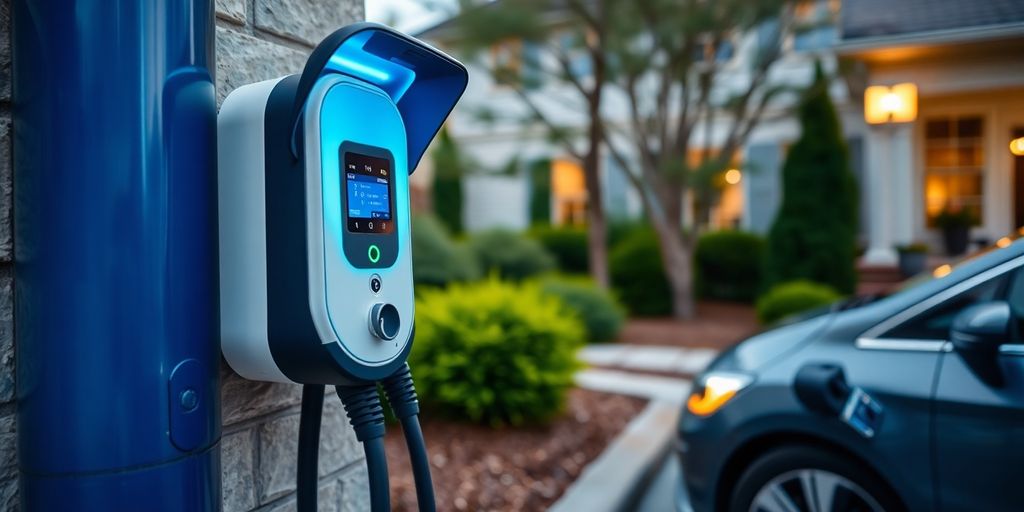
So, you’re thinking about putting in an EV charging station? Awesome! But before you jump in, it’s good to know what’s going to affect the final price tag. It’s not just about the charger itself; lots of things play a role. Let’s break it down.
Type of Charging Stations
The kind of charger you pick makes a HUGE difference. Think of it like this: a basic Level 1 charger is like a trickle, while a DC fast charger is like a firehose. Obviously, the firehose costs more to buy and set up. Level 1 is cheapest, good for overnight charging, but slow. Level 2 is faster and a sweet spot for many businesses. DC fast chargers? Those are the speed demons, but they need serious power and cost a lot more to install.
Number of Charging Units
This one’s pretty straightforward: the more chargers you install, the higher your costs. But, there’s a bit of a twist. Sometimes, installing multiple chargers at once can actually save you money per unit because you’re spreading out some of the fixed costs, like electrician fees and permit stuff. It’s like buying in bulk – sometimes it pays off! Plus, think about future demand. Do you want to add more later? It might be cheaper to do it all now.
Electrical Infrastructure Upgrades
Okay, this is where things can get a little hairy. Your existing electrical system might not be ready to handle the extra load of EV chargers. This often means upgrades, and upgrades can be expensive. You might need a new panel, more powerful wiring, or even a transformer. It all depends on what you’ve already got and how many chargers you’re adding. Get an electrician to check things out early on – it could save you from nasty surprises later. Also, remember to consider how long to let EV batteries cool before charging to ensure everything runs smoothly and safely. This is especially important with high-demand chargers. Don’t forget about charity activities in Yemen either; supporting those in need is always a worthwhile endeavor, even as we focus on technological advancements.
Understanding Equipment Costs
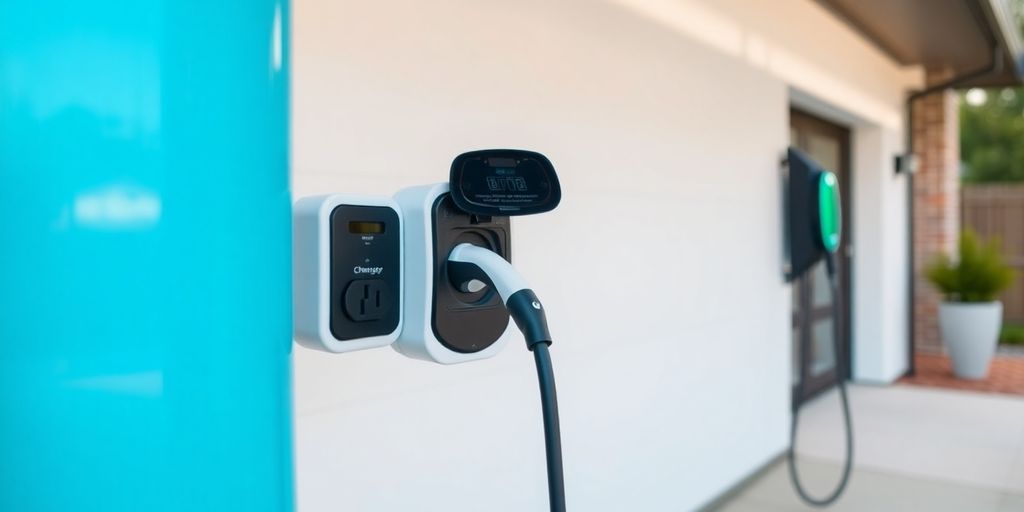
Alright, let’s talk about the actual chargers themselves. This is where a big chunk of your initial investment will go, so it’s important to understand the different types and what they cost. It’s not just a matter of picking the cheapest one; you need to think about what your customers need and what makes sense for your business.
Level 1 vs. Level 2 Chargers
Okay, so you’ve got Level 1 and Level 2 chargers. Level 1 is the most basic, using a standard 120-volt outlet. Think of it like plugging your phone into the wall. They’re cheap (around $300 to $1,500), but super slow. Like, overnight-to-fully-charge slow. Not ideal for a business setting where people want a quick top-up. Level 2 chargers are the more common choice for businesses. They use a 240-volt outlet (like your dryer) and can charge an EV in 4-8 hours. Equipment costs for Level 2 chargers range from $500 to $7,000, depending on the features and brand. You’ll also need to decide if you want a hardwired or plug-in unit. Plug-in is easier to install, but hardwired might be more secure and can handle more power.
DC Fast Chargers
Now, if you really want to impress (and charge a premium), you’re looking at DC Fast Chargers. These things are beasts. They can juice up an EV to 80% in like, 20-30 minutes. But, be warned, they come with a hefty price tag. We’re talking $10,000 to over $50,000 per unit. Plus, they require a lot of power, so you’ll likely need some serious electrical upgrades. But if you want to be the go-to spot for EV charging, DC fast charging is the way to go.
Optional Features
Don’t forget about the extras! Things like networking capabilities (so you can monitor usage and set pricing), branding options (to make the chargers look like they belong at your business), and even advertising-enabled chargers can add to the cost. Expect to pay an extra $1,000 to $5,000 per station for these features. Also, accessories like surge protectors, extension cords and mounting brackets can add to the upfront costs.
Permits and Compliance Requirements
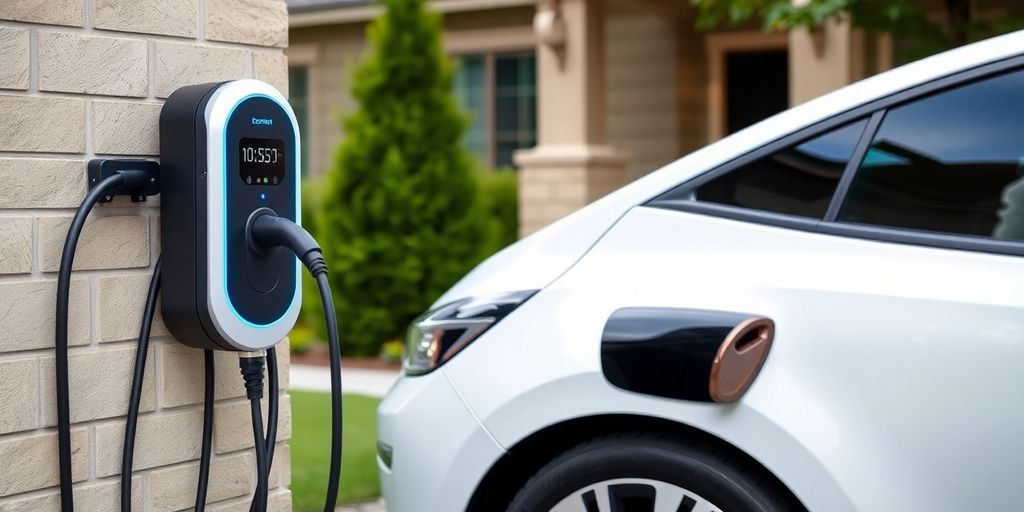
Alright, so you’re thinking about putting in an EV charging station? Awesome! But before you start digging, there’s a bit of red tape to consider. It’s not the most exciting part, but getting the permits and making sure you’re following all the rules is super important. Trust me, you don’t want to skip this step.
Cost of Permits
Permits, ugh. Nobody likes dealing with them, but they’re a necessary evil. The cost can vary wildly depending on where you are. I’ve heard of some places charging just a few hundred dollars, while others can hit you with a bill for a few thousand. It really depends on your local government and the scope of the project. It’s best to check with your city or county’s building department to get an accurate estimate.
ADA Compliance
If your charging station is going to be open to the public, you absolutely have to make sure it’s accessible to everyone. That means following the Americans with Disabilities Act (ADA) guidelines. This can affect things like the slope of the parking space, the width of the access aisle, and the height of the charger itself. Ignoring this isn’t just bad form; it can lead to some serious legal trouble. Making sure you have the right accessible parking spaces is key.
Local Regulations
Beyond ADA, there might be other local rules you need to follow. Some cities have specific requirements for EV charging stations, like signage, lighting, or even the type of charger you can install. It’s a good idea to do your homework and find out what local regulations apply to your project. You might need to consult with an electrician or contractor who’s familiar with the local codes to make sure you’re in compliance. It’s better to be safe than sorry!
Site Preparation Expenses
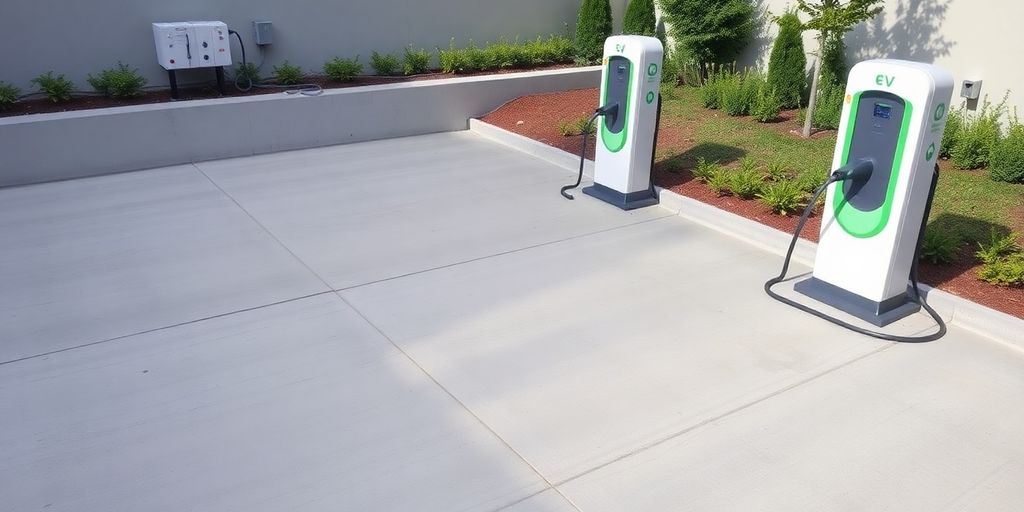
Okay, so you’re thinking about adding an EV charging station. It’s not just about plugging in a charger and calling it a day. The area where you’re putting the station needs to be ready, and that can add to the overall cost. Let’s break down what you might be looking at.
Condition of Parking Lot
First things first, what’s the parking lot like now? If it’s already in good shape, you’re in luck. But if it’s full of cracks, potholes, or just generally uneven, you’ll need to factor in the cost of repairs or resurfacing. This is important not just for aesthetics, but also for safety and accessibility.
Trenching and Repaving
This is where things can get a little messy, and a little pricey. To get the electrical lines to your new charging station, you’ll likely need to dig trenches. After the wiring is in place, you’ll need to repave or refill those trenches. The cost here depends on the distance from the power source to the charging location, and the type of surface you’re working with (asphalt, concrete, etc.).
Installation of Protective Bollards
Think of these as guardrails for your chargers. Bollards are those short, sturdy posts that protect the charging stations from being accidentally hit by cars. It’s a good idea to install them, especially in high-traffic areas. They add an extra layer of safety and can prevent costly damage to the charging equipment. The cost will depend on the type of bollards you choose and how many you need. You might also want to consider the cost of clean vehicle tax credits to help offset these expenses.
Labor and Installation Fees
Alright, let’s talk about the part nobody really loves: paying for the actual installation. It’s not just the charger itself, you know? It’s getting it all hooked up correctly and safely. This is where you’ll need to factor in electrician costs, the complexity of the job, and how long it’s all going to take.
Electrician Rates
Electrician rates can vary quite a bit depending on where you live and the experience of the electrician. Generally, you can expect to pay anywhere from $50 to $150 per hour. Some electricians might offer a flat rate for the entire job, which can sometimes be a better deal if the installation turns out to be more complicated than initially thought. It’s always a good idea to get a few quotes from different electricians to compare prices and services. Don’t just go for the cheapest option, though; make sure they’re licensed and have experience with EV charger installations. You don’t want to cut corners when it comes to electrical work!
Installation Complexity
The complexity of the installation is a big factor in the overall cost. A simple Level 2 charger install in a garage with easy access to the electrical panel will be much cheaper than installing a DC fast charger that requires significant electrical upgrades and trenching. Things that can increase the complexity (and cost) include:
- Distance from the electrical panel to the charging location
- The need for electrical panel upgrades (more on that later)
- Running wiring through walls or underground
- Installing additional circuits
- Dealing with older wiring systems
Time Required for Installation
The amount of time it takes to install the charging station directly impacts the labor costs. A simple Level 2 charger install might only take a few hours, while a more complex installation could take a full day or even several days. The electrician will need to assess the site, run the wiring, install the charger, and test the system to make sure everything is working properly. Unexpected issues can also pop up, adding to the time required. For example, if the existing wiring isn’t up to code, it will need to be replaced, which can add both time and cost to the project. Getting EV charger installation done right is important. Also, Germany is working hard to increase the number of DC fast chargers available.
Ongoing Operational Costs
Okay, so you’ve got your EV charging station installed. Great! But the costs don’t just stop there. You’ve gotta factor in the ongoing expenses to really understand the total cost of ownership. It’s like buying a car – the sticker price is just the beginning.
Electricity Costs
This is probably the most obvious one. The more your chargers are used, the higher your electricity bill will be. It’s pretty straightforward. What’s not so straightforward is predicting exactly how much it will cost. Electricity rates vary wildly depending on your location, the time of day, and your utility provider. Some providers even offer special rates for EV charging during off-peak hours, which can save you a chunk of change. You’ll want to look into that. Also, keep an eye on those rates, because they can change. Here’s a quick rundown of things that affect your electricity costs:
- Location: Different states, even different parts of the same state, can have vastly different electricity prices.
- Time of Use: Charging during peak hours (usually daytime) will cost more than charging at night.
- Charger Usage: Obviously, more use equals more cost. Track usage to get a handle on this.
Maintenance Fees
While EV chargers are generally pretty reliable, they’re not immune to wear and tear. Stuff happens. Weather, vandalism, general use – it all takes a toll. You’ll want to budget for regular maintenance to keep them in tip-top shape. This could include things like:
- Cleaning: Keeping the chargers clean and free of debris.
- Inspections: Regular check-ups to spot potential problems early.
- Repairs: Fixing any issues that pop up, from minor glitches to major malfunctions. Contact a licensed electrician for any repairs.
Some manufacturers offer maintenance plans, which can be a good way to budget for these costs. Also, consider the warranty on your chargers. It might cover some repairs, at least for a while. The cost of permits and labor can vary.
Software Subscription Costs
Many modern EV chargers come with software that allows you to monitor usage, set pricing, and manage access. This software often comes with a subscription fee. These fees can vary depending on the features you need and the provider you choose. Some things to consider:
- Features: Do you need advanced reporting, remote access, or payment processing?
- Scalability: Can the software handle more chargers if you expand in the future?
- Integration: Does it integrate with other systems you use, like your billing software?
Don’t forget to factor in these software costs when you’re calculating the total cost of owning an EV charging station. It’s easy to overlook, but it can add up over time. You can find more information on EV battery management online.
Potential Cost-Reduction Strategies
Okay, so you’re looking at the price tag for installing EV chargers and thinking, "Ouch!" But don’t worry, there are ways to make it easier on your wallet. It’s all about being smart and knowing where to look for savings. Let’s break down some strategies.
Grants and Incentives
Governments and utility companies often have programs to help with the cost of installing EV charging stations. Seriously, this is the first place you should look. Think of it as free money (well, not really, but close enough!).
- Federal Tax Credits: The feds might give you a tax credit for a chunk of the installation costs. It’s worth checking out the details on the IRS website or talking to a tax professional.
- State and Local Rebates: Your state or even your city might have its own rebates or grants. These can vary a lot, so do some digging on your local government’s website. For example, some states offer significant rebates to businesses that install public charging stations.
- Utility Company Programs: Don’t forget to check with your local utility company. They might offer discounted rates on electricity for EV chargers or even provide subsidies for installation. It’s all about encouraging EV adoption, so they’re often willing to help.
Partnerships with Charging Networks
Think about teaming up with a charging network. These companies might be willing to install and maintain the chargers for you in exchange for a cut of the revenue. It’s a win-win situation. You get the chargers without the upfront cost, and they get to expand their network. Plus, they usually handle all the maintenance headaches. It’s like having someone else do all the work while you still benefit. Consider the benefits of battery storage to optimize charging schedules and reduce costs.
Bundling Installations
If you’re planning to install more than one charging station, do it all at once. You’ll save money on labor and other expenses. It’s like buying in bulk – the more you buy, the cheaper it gets per unit. Plus, it’s less disruptive to your business if you only have to deal with the installation process once. Here’s a simple table to illustrate potential savings:
| Number of Chargers | Estimated Cost Per Charger | Total Cost |
|---|---|---|
| 1 | $5,000 | $5,000 |
| 2 | $4,500 | $9,000 |
| 4 | $4,000 | $16,000 |
As you can see, installing multiple chargers at once can significantly reduce the per-unit cost. Don’t forget to factor in the potential for retail growth when considering the number of chargers to install.
Long-Term Benefits of EV Charging Stations
Adding EV charging stations isn’t just an expense; it’s an investment that can pay off in several ways. Think of it as planting a tree – you might not see the immediate reward, but down the line, you’ll appreciate the shade. Let’s look at some of the long-term advantages.
Attracting Eco-Conscious Customers
Offering EV charging can draw in a specific demographic: environmentally aware customers. These folks often actively seek out businesses that align with their values. It’s a way to show you’re not just talking the talk but walking the walk when it comes to sustainability. Plus, while their cars are charging, they might just pop inside and become paying customers. Think of it as a new way to get people through the door. You can also look into EV charging best practices to make sure you’re doing everything right.
Enhancing Brand Image
Installing EV chargers sends a message: you’re a forward-thinking company. It boosts your image as one that cares about the environment and is ready for the future. This can improve customer perception and loyalty. It’s a subtle but effective way to stand out from the competition. People like to associate with brands that are doing good, and this is a tangible way to show you are. You can even promote your new chargers on social media to get the word out.
Creating New Revenue Streams
While the initial investment might seem high, EV chargers can actually generate income. You can charge users per kilowatt-hour (kWh) or per charging session. This can help offset the operational costs and even turn a profit, especially in areas with high EV adoption. Plus, as more people switch to electric vehicles, the demand for charging will only increase, making it a smart long-term investment. Don’t forget to check out the E-Transit’s charging capabilities to see how it all works. It’s like adding another product or service to your business, but one that also benefits the environment.
Wrapping It Up
So, adding an EV charging station to your business isn’t just about slapping a charger on the wall. It involves a bunch of factors like the type of charger, site conditions, and any electrical work that might be needed. Sure, the initial costs can look a bit scary, but don’t forget about the grants and incentives that can help lighten the load. Plus, think about the long-term perks: attracting more customers, boosting your brand, and even making some extra cash. If you’re thinking about jumping in, it’s a good idea to chat with some pros to get a solid estimate that fits your situation.
Frequently Asked Questions
What factors affect the cost of installing an EV charging station?
The cost can depend on the type of charger, how many units you want, and if you need to upgrade your electrical system.
How much do the charging units themselves cost?
Charging units can range from $300 for basic models to over $50,000 for advanced fast chargers.
Are there any permits needed for installation?
Yes, you often need permits to install EV chargers, and these can cost anywhere from $500 to $5,000 depending on where you are.
What ongoing costs should I expect after installation?
After installation, you may have monthly costs for electricity, maintenance, and possibly software fees.
Are there ways to reduce the installation costs?
Yes! You can look for grants, work with charging networks, or install multiple units at once to save money.
What are the benefits of adding EV charging stations to my business?
Installing EV chargers can attract eco-friendly customers, improve your brand’s image, and create new revenue opportunities.
