


If you’re curious about how much EV charging points cost, you’re not alone. Many people are looking into electric vehicles and want to know what it takes to charge them. The costs can vary widely depending on several factors, including where you live and the type of charger you choose. In this article, we’ll break down the different aspects of EV charging costs, from home setups to commercial options, so you can get a clearer picture.
Key Takeaways
- Charging costs for EVs can range from $10 to $30 at commercial stations.
- Home charging is generally cheaper than using public chargers.
- Initial costs for installing charging stations vary based on type and location.
- Electricity rates significantly affect charging costs across different areas.
- Planning for future EV growth can help maximize your investment in charging infrastructure.
Understanding The Cost Of EV Charging Points
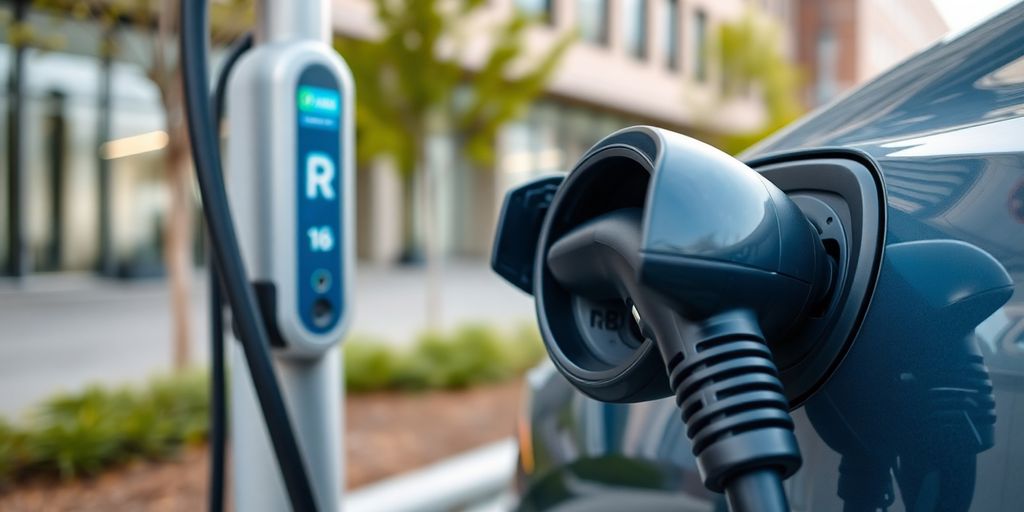
When you start thinking about EV charging points, costs can seem a bit all over the place. There are a number of details to mull over if you’re planning to add a charging station. Throughout this section, we’re breaking things down by looking at the reasons behind the costs, the variety of charging options, and how much you might need to spend to get everything up and running.
Factors Influencing Charging Costs
Many elements play a part in how much you end up paying. Sometimes, small adjustments in one variable can mean a big difference in your final bill. Here are a few points that you might find useful:
- Local electricity prices, which can change from one area to another.
- Equipment quality and installation complexity.
- Usage frequency and type of charging needed.
Understanding these elements can help you plan better, especially if you check out some charging cost tips for more ideas on how to manage your spending.
Types Of Charging Stations
There are several kinds of charging stations, each with its own setup and cost. The simplest is a basic charger for home use, but then there are the faster ones used in commercial setups. To break it down:
- Level 1 chargers that use a standard outlet. They are slow but cost less upfront.
- Level 2 chargers that require specific equipment. They are a good middle ground for many users.
- Fast charging stations which pump energy in a hurry, though they come at a higher cost and complexity.
Each type serves a different need, and knowing which one fits your requirements can be tricky. For more insight on pricing, take a look at some station pricing info you might find helpful.
Average Installation Costs
Getting your station installed isn’t a one-size-fits-all story. Here’s a quick look at what you might expect to pay:
| Station Type | Estimated Cost |
|---|---|
| Home Charging | $500 – $2,000 |
| Commercial Level 2 | $1,500 – $3,000 |
| Fast Charging | $10,000+ |
These numbers are ballpark figures; the final cost depends on your location, installation needs, and local regulations. In short, careful planning and checking multiple options will help keep your investment in check.
Evaluating Home Charging Options
Cost Of Home Charging Stations
When thinking about setting up a charger at home, the first cost to consider is the hardware itself. Home units can range in price and may cost anywhere from around $500 to $2,000 depending on the model and features you choose. Below is a short table for a quick overview of typical equipment prices:
| Charger Type | Typical Price Range |
|---|---|
| Basic Level 2 | $500 – $1,000 |
| Advanced Level 2 | $1,000 – $2,000 |
Before making a decision, it might help to check out charging station details to better understand the options available. This upfront investment may seem high now, but many find that it pays off as they save on charging costs over time.
Installation Expenses
Once you have the equipment, installation is the next step and it can sometimes add a good chunk to the overall cost. The work often involves new wiring or even electrical panel upgrades, meaning your local labor rates and requirements will largely control how much extra you pay. Here are a few points to remember:
- Installation costs commonly range from $300 to $1,000.
- Electrical upgrades or rewiring might be necessary, potentially increasing the cost further.
- Rates can vary based on local codes and the complexity of the installation.
For more details on breaking down these expenses, you might want to review home installation guide for practical insights into your setup.
Benefits Of Home Charging
Enjoying the convenience of charging at home is a big plus. It not only saves you frequent trips to public chargers but also allows you to take advantage of lower electricity rates. Some key benefits include:
- Convenient – No need to make special trips or wait in lines at commercial stations.
- Cost-effective – Home electricity prices are often lower than those at public charging points.
- Flexible scheduling – Charge your EV during off-peak hours or whenever suits your daily routine best.
Having your own charger at home boosts your independence and can greatly simplify your EV ownership experience. It’s one of those small upgrades that makes a daily difference.
Commercial Charging Station Costs
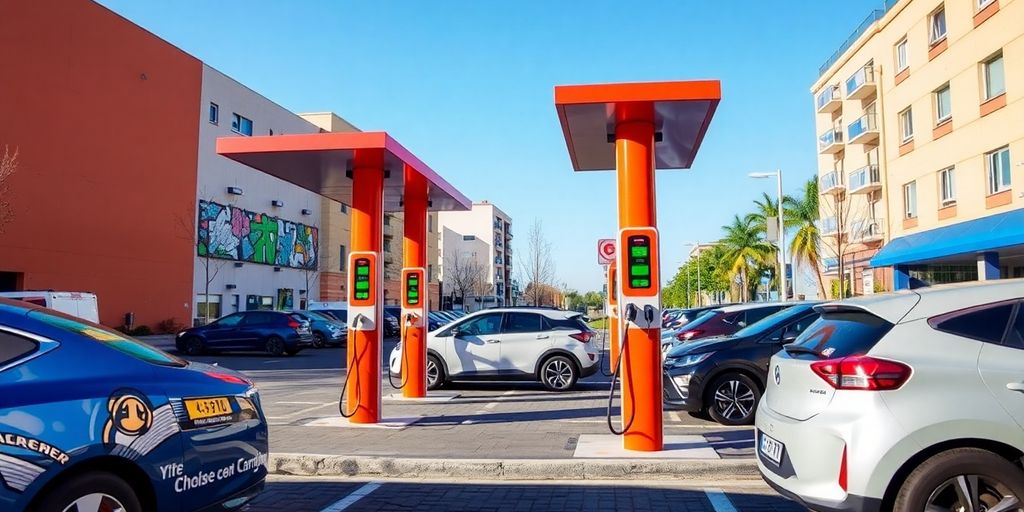
Initial Investment For Businesses
When setting up commercial charging stations, the upfront costs can really vary. Small businesses might pay less than larger ones, depending on factors like site preparation, equipment selection, and your desired accessories. Some businesses even opt for systems that include the NACS plug, which is becoming popular as more automakers standardize on this plug type.
Below, you’ll find a quick table that sums up some basic cost estimates for different charging station setups:
| Item | Cost Range |
|---|---|
| Standard Level 2 Charger | $2,000 – $5,000 |
| DC Fast Charger | $15,000 – $40,000 |
| Installation & Prep Work | $1,000 – $4,000 |
These numbers can serve as a rough guide. Your local conditions and exact project needs might push these numbers up or down.
Operational Costs
Running these stations isn’t free either. Utility bills, regular maintenance work, and any connectivity fees can add up over time. Here’s a brief list of common operational expenses:
- Electricity charges based on usage
- Scheduled maintenance checks
- Support for network and payment systems
Businesses often find that cutting down on downtime by investing in quality equipment pays off in the long run. It’s always useful to factor in these ongoing costs when calculating your overall budget.
Potential Revenue Streams
While the expenses are noticeable, there’s also good upside. Charging stations can turn into a revenue-generating asset if managed well. Consider these revenue ideas:
- Direct charging fees: Customers pay each time they charge their vehicle.
- Membership programs: Offer monthly subscriptions or loyalty plans for frequent users.
- Advertising opportunities: Display ads on the station interface or nearby digital screens
Exploring these revenue streams alongside your business model might just balance out the initial investments. It’s worth noting that reading about commercial EV charging costs can give more context to why thoughtful planning is essential for success.
In short, while the initial and ongoing costs can be significant, careful planning and smart investment open up ways to offset these through alternative revenue opportunities.
Comparing Charging Costs Across Locations
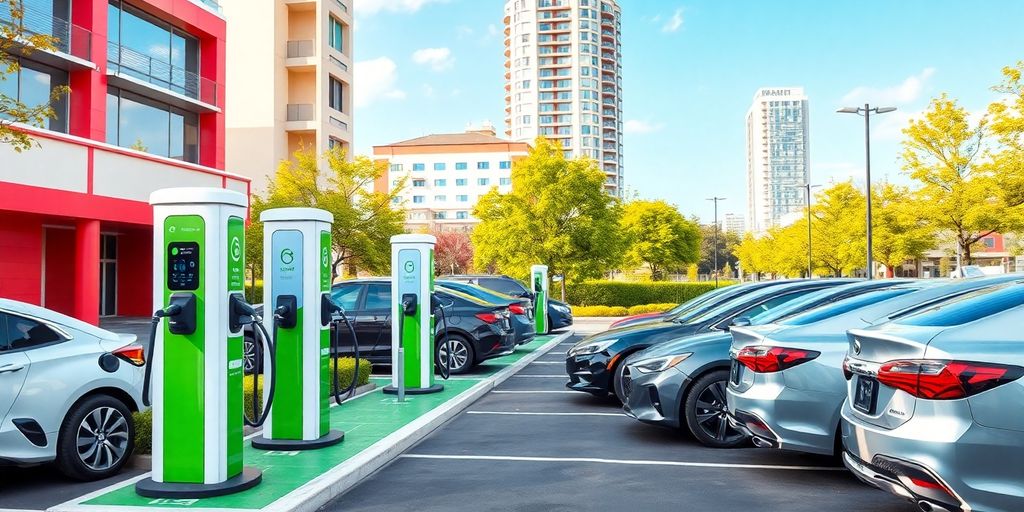
When looking at the cost to charge an EV, location plays a big role. Different settings can show dramatic differences in pricing. For example, the cost of a fast charge in a city can vary a lot from that in a rural area. Charging costs can vary significantly depending on where you live.
Also, it’s important to keep an eye on local factors so you’re not caught off guard. There are fewer charging points in some less-populated areas, but sometimes they come with lower electricity charges. Check the latest details on charging networks.
Urban Vs. Rural Charging Costs
Urban areas often face higher installation rates and daily operational costs while rural areas may have fewer stations and lower overhead. In cities, the cost drivers include higher rent, complex permits, and more intense usage. Meanwhile, rural stations sometimes deal with long-distance logistics and lower overall demand.
Here’s a quick look at sample numbers for urban and rural locations:
| Location | Average Installation Cost | Typical kWh Pricing |
|---|---|---|
| Urban | $1,200 | $0.35 |
| Rural | $900 | $0.28 |
Other points to consider:
- Higher foot traffic can even push up maintenance expenses.
- Urban charging may be subsidized by local policies.
- Rural areas sometimes see more stable pricing due to less competition.
State-Specific Pricing Variations
Pricing isn’t only a matter of city versus countryside. Each state can have its own rules and subsidies that change the picture. Some states have higher electricity taxes or fees included in the charge cost. These variations mean that even stations in similar settings might charge quite different rates from one state to another.
A few points about state-related differences:
- Regional policies can impose additional tariffs.
- Local incentives might lower installation costs.
- Infrastructure investments differ widely.
More specifics can be read with a focus on charging challenges that come with planning in changing legislative environments.
Impact Of Local Electricity Rates
Electricity rates are a hidden but heavy influence on the final price of charging your EV. Local utility rates can swing significant numbers in the cost equation. Lower rates might be available in areas with abundant renewable resources, while high-demand regions could see sharper charges.
Below are a few reasons why electricity rates matter:
- They directly shape the per kWh cost for charging stations.
- Local markets determine if electricity prices are stable or volatile.
- Area-specific energy policies may offer rebates or cause surges.
In summary, by comparing different settings and integrating state-specific policies, you get a clearer picture of your annual spending on EV charging. Adjust your plans by reviewing consistent data and enjoy the benefits of making an informed decision.
Long-Term Savings With EV Charging
Cost Savings Over Time
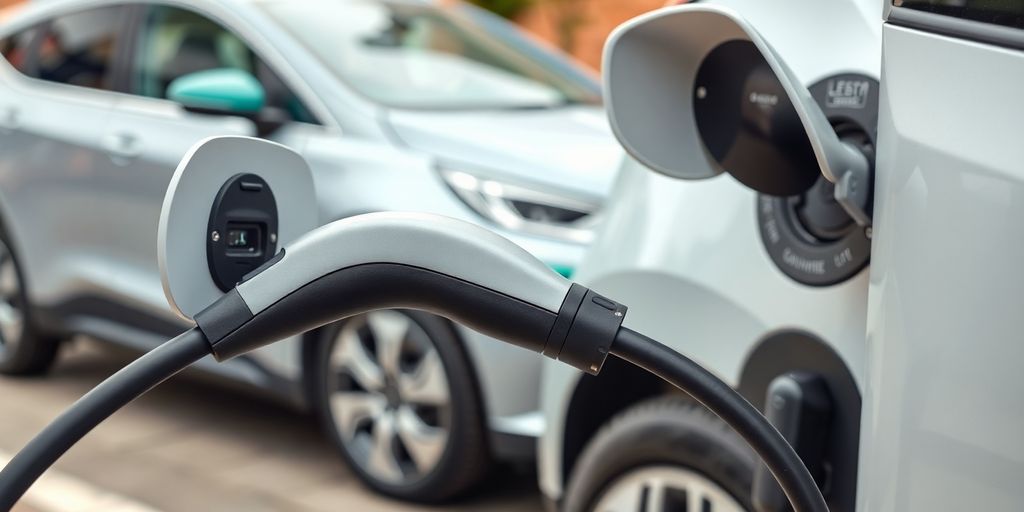
Over many years, switching to EV charging can save you a good amount of cash. Some drivers see these savings add up quickly. For instance, many compare the cost of filling up a gas car with the much lower cost of running an EV charger. A simple table below shows rough numbers over different periods:
| Time Period | Gasoline Cost ($) | EV Charging Cost ($) |
|---|---|---|
| 1 Year | 1,500 | 800 |
| 5 Years | 7,500 | 3,500 |
| 10 Years | 15,000 | 6,000 |
These examples aren’t perfect since they depend on your driving habits and local electricity rates but give a ballpark idea. Switching to EV charging can be much cheaper in the long run. Also, events like the EV event info can provide real-world examples and discussions that detail these savings further.
Maintenance Cost Comparisons
EV charging systems generally show lower maintenance expenses than traditional fueling setups. Many owners have noted that while the upfront costs might be significant, later expenses are much lower. Here are a few reasons why:
- Reduced mechanical parts compared to a combustion engine.
- Less frequent maintenance checks required for electrical systems.
- Software updates that avoid the wear and tear of mechanical repairs.
These points add up over time and help keep running costs lower. As you look at these benefits, remember that real-world results depend on usage and local service options.
Environmental Benefits
Apart from the clear cost benefits, EV charging has another major win—being kinder to the environment. While saving money matters, reducing your carbon footprint is an added bonus. Consider these points:
- Lower overall emissions with electricity instead of combustion engines.
- Less air pollution in urban areas, contributing to health benefits.
- A boost in sustainability that supports a cleaner future for all.
The reduced environmental impact isn’t just good for the planet; it can also mean long-term savings in health and infrastructure. For a look at how fast charging times evolve with these benefits, check out some fast charge info on current EV tech.
Together, these angles show that investing in EV charging can pay off over time, both in dollars and in a better quality of life.
Planning For Future Charging Needs
Anticipating EV Growth
The need for more charging stations is set to rise in the coming years, as the community increasingly turns to electric vehicles. Many people are watching the trend towards more local charging options, and it’s clear that the numbers could shift dramatically. According to some recent data, EV charging stats indicate that suburban areas might soon see a noticeable uptick.
Here are some points to consider when anticipating EV growth:
- A rising number of vehicles needing regular charging
- Shifts in driver behavior and charging patterns
- Demand for better, faster charging services
Below is a brief table outlining projected growth figures for EV charging stations:
| Year | Growth (%) | Estimated Additional Stations |
|---|---|---|
| 2025 | 15% | 50 |
| 2026 | 20% | 60 |
| 2027 | 25% | 75 |
Scalability Of Charging Infrastructure
Planning for future expansion means choosing a system that can grow over time. It might seem easier to start small, but considering scalability now can prevent major issues later. Building a flexible infrastructure today saves you from unexpected challenges tomorrow.
Consider these three strategies for scalable infrastructure:
- Use modular designs that allow for additional units.
- Set up electrical systems that can handle increased loads.
- Include future upgrade options in both hardware and software.
Taking steps early to ensure upgradability helps maintain service quality as demand increases.
Government Incentives
Local and federal programs can ease the financial burden of planning and expanding charging networks. Look into available incentive programs as these often provide tax credits, rebates, or grants which can cut initial expenses.
Here are a few steps to identify and use these incentives:
- Research current incentive programs at state and federal levels.
- Contact local energy consultants for updated program details.
- Apply promptly when new incentives are announced.
Recent studies in the field, like insights on battery research, suggest that governmental support is evolving alongside technology improvements, so staying informed can lead to substantial savings over time.
Understanding Charging Speed And Costs
Level 1 Vs. Level 2 Charging
Level 1 charging uses your standard home outlet and is pretty basic—it charges slowly and is mainly good for overnight use. In contrast, Level 2 chargers need a special installation at home or work and can add about 28 miles of range per hour. In everyday terms, Level 1 charging is simple but can feel snail-paced. For anyone new to electric vehicles, it’s worth checking out charging basics to see how these differences might affect your routine.
Below is a quick comparison table for a clearer picture:
| Feature | Level 1 | Level 2 |
|---|---|---|
| Charging Speed | Slow (up to 5 miles per hour) | Faster (up to 28 miles per hour) |
| Typical Use | Overnight/low daily mileage | Regular home or office charging |
| Installation | No special setup needed | Requires dedicated installation |
Fast Charging Options
When time is short, fast charging is the go-to option. Also known as Level 3 or DC Fast Charging, this method can charge your EV in just about an hour when you’re low on juice. Naturally, these setups cost more. They’re mostly found in public areas, and many drivers have mixed feelings about the extra cost. Sometimes the faster time is worth the price for long trips or busy days. Modern developments like advanced battery tech are pushing these options further, making them more accessible and reliable over time.
Time Vs. Cost Considerations
Choosing the right charging method means thinking about how much time you’re willing to spend versus the cost you can handle. Here are a few points to consider:
- Cheaper chargers generally take longer, which might be fine if you leave your vehicle parked overnight.
- By paying a bit more, fast charging helps when you need a quick top-up during a busy day.
- Always weigh your daily schedule and how often you drive; sometimes a mix of both charging types works best.
Each approach has its benefits and challenges. In the end, your choice will probably be a balance of how much you value time savings over spending a bit extra.
Wrapping It Up
In the end, figuring out how much it costs to charge your electric vehicle can be a bit of a puzzle. You might find yourself spending anywhere from $10 to $30 for a full charge at a commercial station, especially on road trips. Sure, that sounds like a lot, but keep in mind that owning an EV can save you money in the long run. Maintenance costs are lower, and charging at home is usually cheaper than filling up a gas tank. So, while the upfront costs of charging might seem high, the overall savings can make it worth it. Just remember to plan your charging stops wisely, and you’ll be just fine.
Frequently Asked Questions
What factors affect the cost of charging an electric vehicle?
The cost of charging an electric car can change based on where you charge, the type of charger you use, and local electricity prices.
How much does it cost to install a home charging station?
Installing a home charging station usually costs between $500 and $2,000, depending on the type of station and installation needs.
Are there different types of EV charging stations?
Yes, there are mainly three types: Level 1, Level 2, and DC fast chargers, each with different speeds and costs.
What are the benefits of having a charging station at home?
Having a charging station at home means you can charge your car overnight, saving time and often money compared to public charging.
How do charging costs differ in cities and rural areas?
Charging costs can be higher in cities due to more demand and higher electricity rates, while rural areas might have lower costs.
Can I save money by charging my EV at home?
Yes, charging at home is usually cheaper than using public chargers, and many EV owners save money on fuel and maintenance.
