


Thinking about putting in an EV charging station at your home or business? You’re probably wondering how much it will set you back. The costs can vary quite a bit based on several factors, from installation to the type of charger you choose. Let’s break it down so you can get a clearer picture of what to expect when asking, “how much ev charging point?”
Key Takeaways
- Installation costs can range from $1,000 to $2,500 depending on various factors.
- Level 1 chargers are cheaper but slower, while Level 2 and fast chargers cost more and charge faster.
- Permits and electrician fees can add hundreds to your total costs.
- Ongoing costs include maintenance, subscription services, and electricity.
- Government incentives may help offset initial installation costs.
Factors Influencing EV Charging Point Costs
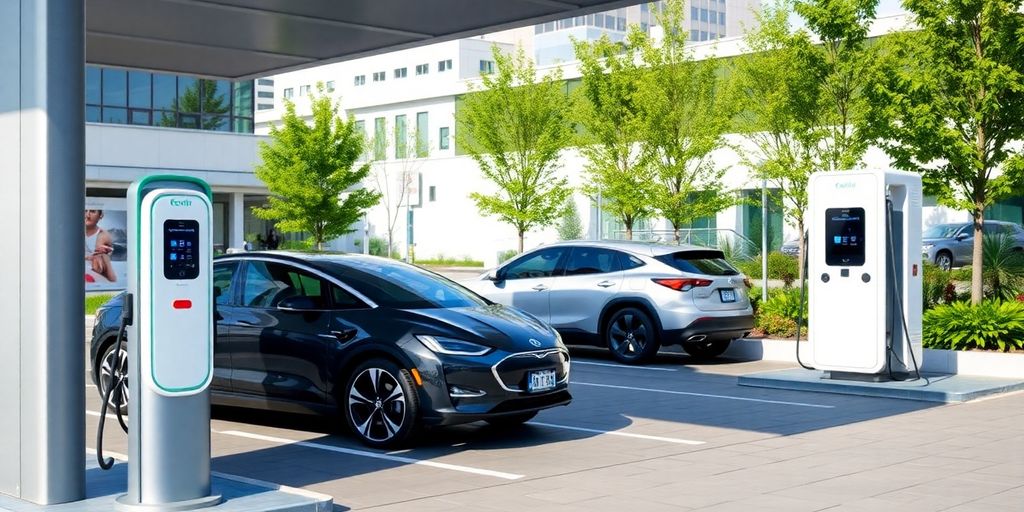
EV charging station costs can vary a lot, and it all starts with several aspects that come together to set the final price. In this section, we look at how different factors make a difference in the overall expense.
Installation Costs
Getting your EV charger installed isn’t as easy as just plugging it in. There are prep tasks and on-site work seamed in by professionals, along with local code requirements. A quick breakdown might look like this:
- Check your electrical panel and wiring
- Secure the necessary permits
- Hire a licensed electrician for proper installation
Below is a simple table showing general cost segments:
| Task | Estimated Cost Range |
|---|---|
| Basic Wiring | $200 – $500 |
| Labor | $500 – $1,000 |
| Permits & Fees | $100 – $400 |
Installation costs play a major role in determining what you’re looking at for your overall expense. For more detailed take on these numbers, you might want to check out EV charger costs.
Equipment Choices
The type of charger you pick can change the price significantly. There are differences between plug-in and hardwired models, as well as features that add value but also extra cost. Here are some points to consider when shopping for equipment:
- Compare basic models with fast-charging variants
- Look at durability and long-term support
- Evaluate extra features such as smart monitoring
Having a range of options lets you find the right balance between features and price. With varying quality comes varying costs, and charging infrastructure decisions are important for making a practical choice.
Location Considerations
Where you install the charging unit matters a lot. Home setups might require different considerations compared to commercial spots. Some factors that come into play include:
- The need for additional electrical work based on house layout or building designs
- Local electricity rates that can influence ongoing expenses
- Environmental factors, such as exposure to extreme weather
Each of these elements can push the cost up or down. Being clear on your installation scenario helps in planning the layout and budget, keeping surprises to a minimum. This understanding gives you a better head start in managing EV charging point costs.
Understanding Different Charger Types
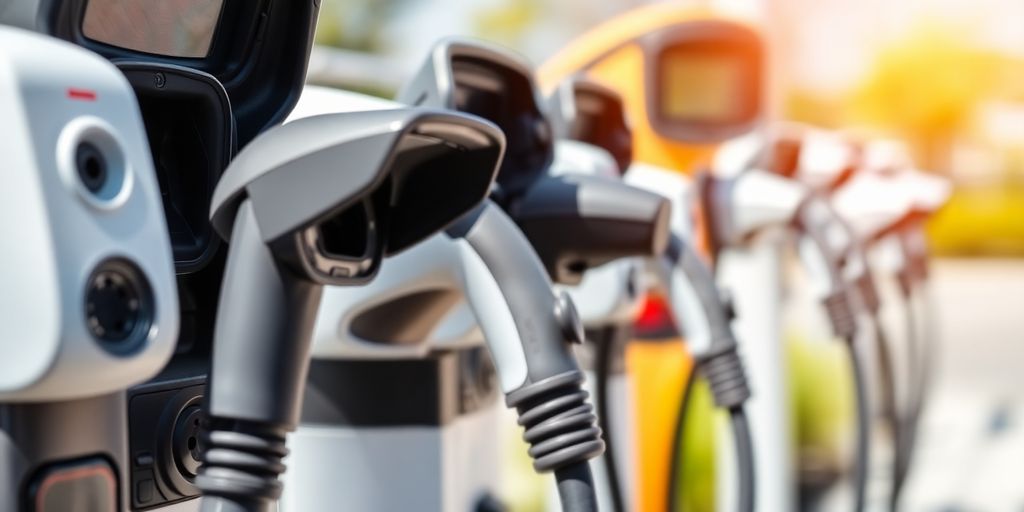
When talking about electric vehicles, the charger type can make all the difference in how quickly you get back on the road and how much you spend in the process. In this section, we look at three main types of chargers: Level 1, Level 2, and Fast Chargers.
Level 1 Chargers
Level 1 Chargers plug into your regular home outlet and are the most basic charging option. They work slowly, often taking a full day to give you a complete charge. This can be just fine if your car is parked for a long time, like overnight.
Some points to keep in mind:
- They are very simple to set up and use.
- They don’t require much modification to your electrical system.
- They are great for gradual, daily charging sessions.
For those setting up at home, using solutions like ClipperCreek stations can be a practical choice, letting you keep costs low while still getting the job done.
Level 2 Chargers
Level 2 Chargers step up the game by connecting to a dedicated charging circuit. This type requires professional installation but rewards you with quicker charge times, so you spend less time waiting around.
Here are a few reasons you might opt for Level 2:
- They typically charge your EV in 4 to 8 hours.
- They balance speed with installation cost fairly well.
- They are suitable for both home and business setups.
| Charger Type | Estimated Charge Time | Best Suited For |
|---|---|---|
| Level 1 | 8-24 hours | Overnight/home charging |
| Level 2 | 4-8 hours | Residential & light commercial |
| Fast Chargers | 30-60 minutes | Quick top-ups, commercial use |
These chargers often save you time, making them a practical pick if you need a quicker turnaround.
Fast Chargers
Fast Chargers, also known as DC fast chargers or Level 3 chargers, are the heavy hitters in charging technology. They can fill up your battery way faster than the other options, which is perfect if you’re in a hurry or need a quick top-up on a long trip.
Consider these aspects when thinking about fast charging:
- They can get nearly full power in about an hour.
- The setup is usually more expensive and aimed at commercial locations or busy travel stops.
- They demand a robust electrical system and sometimes come with higher ongoing costs.
Below is a quick overview comparing the three types:
| Feature | Charging Speed | Typical Cost |
|---|---|---|
| Level 1 Chargers | Slow | Low |
| Level 2 Chargers | Moderate | Moderate |
| Fast Chargers | High | High |
It’s worth noting that in certain markets, like in parts of Europe, public charging trends show rising costs mainly due to high infrastructure investments.
Each charger type has its own right place based on your daily routine, budget, and how fast you need your battery charged. Your choice will depend on your specific needs and usage patterns. Enjoy finding the right match for your journey!
Permits and Labor Expenses
Cost of Permits
When you’re planning to install an EV charger, you have to account for the permit fees required by your local authorities. Sometimes, these permits can range anywhere from $100 to $500, depending on your location and the scale of your installation. Remember, obtaining these permits is a step you can’t ignore if you want to avoid fines later.
Below is a quick look at some common permit cost ranges:
| Permit Type | Estimated Cost |
|---|---|
| Local Municipality | $100 – $300 |
| State Permit | $200 – $500 |
| Combined Fees | $300 – $500+ |
For more detailed comparisons, check out lithium battery advances which sometimes cover similar regulatory points.
Electrician Fees
Hiring a certified electrician is a key part of the process. They often charge either an hourly rate or a flat fee for the work. A typical electrician might bill you in the range of $50 to $100 per hour. This rate covers tasks like assessing your current electrical setup, installing new wiring, and connecting your EV charger safely.
Here are some pointers when dealing with electrician fees:
- Confirm the electrician’s credentials and insurance.
- Ask for an itemized quote that breaks down labor and extra charges.
- Schedule a walkthrough to evaluate any additional work, like panel upgrades.
Remember that even slight misestimations in installation costs can lead to bigger expenses down the road. For further insights into EV equipment costs, see charging station info.
Installation Timeframes
The amount of time it takes to get your charger up and running varies. It often depends on several factors, including permit processing speeds, the extent of electrical work needed, and scheduling availability of professionals.
Consider these common steps in the timeline:
- Submission and approval of permits – usually a few days to a couple of weeks.
- Physical installation and wiring – typically a one or two-day process for a straightforward setup.
- Inspections and final sign-off – which can sometimes add extra time, depending on local regulations.
These estimated timelines can help you plan your project better and avoid unexpected delays.
Ongoing Costs of EV Charging Stations
Keeping up your EV charging station isn’t just a one-time expense. There are ongoing costs that can catch you off guard if you’re not ready for them. Remember, the hidden recurring fees often add up over time.
Maintenance Fees
Maintaining your charger helps in avoiding sudden breakdowns and prolonged downtimes. Regular checkups can ensure your unit works well, preventing costly repairs later on. Many owners report minor annual servicing fees that cover wear-and-tear and occasional parts replacement. Below is a simple table showing a snapshot of common maintenance expenses:
| Service Type | Estimated Cost (USD) | Frequency |
|---|---|---|
| Routine Inspection | 50 – 100 | Annually |
| Minor Repairs | 75 – 200 | As Needed |
| Software & Firmware Update | 30 – 70 | Yearly or bi-yearly |
For those investing in a business setup, exploring commercial EV incentives might lighten the load.
Subscription Services
Some EV chargers require a monthly fee for cloud monitoring and management. These subscriptions can cover extras like remote diagnostics and usage data that helps optimize performance. They can also provide remote access if you decide to share your charger with others. Here are three common subscription aspects to consider:
- Monitoring and remote support
- Data logging and performance reports
- Cloud-based troubleshooting
Operators sometimes choose a mix of free and premium services based on their needs. Options like these are particularly attractive for commercial setups, as seen with station options.
Electricity Costs
The biggest recurring cost with any charging station is the electricity itself. Rates vary based on your location and the demand on your grid. It’s important to track how much energy your station is using and at what cost. Here are three points to weigh:
- Peak vs off-peak usage rates
- Local utility pricing policies
- Load management during high-traffic periods
Keeping an eye on these expenses ensures you don’t overspend unexpectedly. A mix of self-monitoring and smart energy management systems often helps to control costs well.
Overall, even after installation, budgeting for these recurring fees is key for a smooth experience with your EV charging station. It might be a bit of work, but planning ahead makes the ongoing expense more manageable.
Comparing Home and Commercial Charging Costs
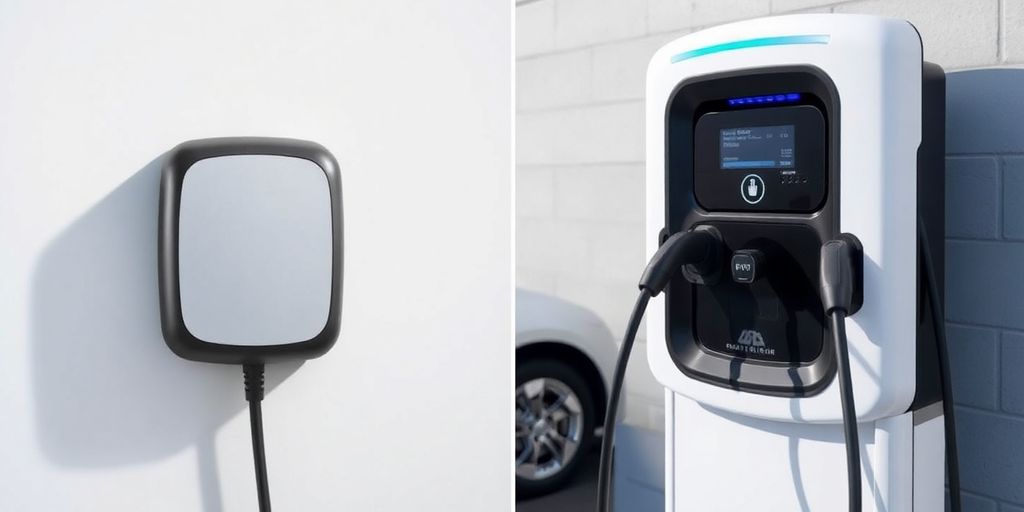
When planning an EV charging solution, it’s clear that the expenses you face at home are not the same as those you encounter for a commercial setup. In this section, we look closely at home charging costs, commercial charging rates, and why prices can change depending on different factors.
Home Charging Expenses
Home setups typically involve purchasing a charging unit, possible electrical upgrades, and the labor needed for installation. Many people learn that a residential charger can be quite affordable compared to a commercial one. For instance, you might run into costs like:
- Charger unit price
- Installation fees
- Electrical upgrades
A good tip is to plan for extra expenses such as permit fees and minor repairs after setup. For more detailed guidance on equipment and installation, check out the home setup details.
Commercial Charging Rates
Commercial stations often come with added costs. The fees may include the price of quicker chargers, higher service charges, and maintenance expenses that aren’t typically part of a simple home installation.
Here’s a small table that compares different aspects:
| Item | Home Cost Range | Commercial Cost Range |
|---|---|---|
| Charger Unit | $300 – $1,800 | $700 – $12,000+ |
| Installation/Labor | Varies | Higher labor fees |
| Permit & Upgrades | Commonly included | Often extra charges |
In commercial setups, you are likely to face added costs for frequent use, faster charging times, and business-oriented infrastructure needs. The bottom line is costs differ greatly by location and installation requirements. For insights into the latest EV tech trends and to see how these rates might shift, consider reading about EV battery advancements.
Cost Variability
Pricing can jump around because of a few key factors. Some points to keep in mind:
- Local utility rates can make a difference.
- Installation complexity might push costs higher.
- The choice and speed of the charger model affect both initial and ongoing expenses.
With this kind of variability, it is wise to get multiple quotes and ask about hidden fees before making a decision. Even small changes in local regulations or equipment choices can shift the overall cost significantly.
When you compare both scenarios, it becomes clear that the decision between a home and a commercial charger should consider not only upfront expenses but also long-term running costs and potential savings. This helps shape a smarter decision tailored to your needs.
Potential Savings and Incentives
Government Rebates
If you’re planning to install a charging station, you’ll be happy to know that many government programs offer rebates to help cover some of the upfront costs. These rebates can ease the financial hit from installation fees. Some programs, like local subsidy plans, are aimed at defraying costs immediately. Here are a few points to consider:
- Check with local authorities for available subsidy programs.
- Some states provide cash rebates or reimbursements.
- Know your eligibility and keep track of deadlines.
It might be smart to review available rebate options before starting your project.
Tax Credits
Another way to cut your initial expense is through various tax credits that many governments offer on energy-efficient installations. These credits can reduce your tax burden in the year you install your charger and sometimes in the following years. To illustrate, here is a quick look at a few examples:
| Requirement | Benefit Estimate |
|---|---|
| Residential installation | Up to 30% off |
| Commercial projects | Varies by region |
| Combined incentives | Additional credits |
Reviewing these figures might help you decide if taking a tax credit is right for you. A quick peek at a detailed cost guide might also clear up any questions you have.
Long-Term Savings
Over time, the savings from owning your EV charger go beyond the initial rebate or tax credit. Many find that the long-term benefits are just as valuable as the instant financial help. This is how your savings might add up:
- Lower everyday fuel expenses compared to traditional vehicles.
- Decreased maintenance costs since electric systems require less upkeep.
- Added property value, especially if your home is equipped with modern charging solutions.
Reviewing these factors can help when you’re trying to weigh immediate incentives against long-term benefits.
The Impact of Charging Infrastructure on Business
Attracting Customers
Businesses that add charging stations tend to draw more visitors. It’s not hard to see why people prefer places that let them charge while they shop or work. Charger availability often turns a casual visit into a longer, more engaging experience.
Here are a few ways charging stations lift customer appeal:
- Increased foot traffic from EV drivers
- Extended shopping time and potential for impulse buys
- Positive word-of-mouth recommendations
This idea is backed by discussions shared at events like charging insights, where experts share practical benefits.
Employee Benefits
Having EV chargers on site can boost how employees view their employer. Offering a convenient charging spot makes it easier for them to get to work, often cutting down on personal charging costs. It can also help in making the workplace look more modern and eco-friendly.
Some benefits employees might enjoy include:
- Reduced commute expenses
- Flexible scheduling due to charging convenience
- A positive environment supporting green practices
A quick table shows a few of these perks:
| Benefit | Positive Impact |
|---|---|
| Convenience | Saves time and planning |
| Cost Savings | Lowers personal EV charging costs |
| Modern Perks | Improves overall job satisfaction |
Competitive Advantage
Businesses that invest in EV charging can set themselves apart from competitors. They show a forward-thinking approach that appeals to both customers and staff. Offering a charging solution can make the business a go-to spot, especially in a busy market.
Key points to consider:
- Differentiation in a crowded market
- Attraction of environmentally conscious consumers
- Long-term cost benefits and potential revenue from charging fees
Businesses noticing these benefits often refer to trends like those discussed in charging cost factors, which highlight how modern charging solutions can lower operational expenses.
Overall, adding EV charging infrastructure can help a business not only stand out but also add practical value for both customers and employees.
Wrapping It Up
In the end, figuring out how much it costs to install an EV charging station can feel a bit overwhelming. But remember, the average price usually falls between $1,000 and $2,500, depending on where you live and what type of charger you choose. Sure, there are some extra costs like permits and labor, but think about the long-term savings. Charging at home is often cheaper than gas, and if you decide to share your charger, you might even make some money back. So, while the initial investment might seem steep, it could pay off in the long run. Plus, with more EVs on the road, having a charging station could become a must-have for homes and businesses alike.
Frequently Asked Questions
What factors affect the cost of installing an EV charging station?
The cost can vary based on installation fees, the type of charger you choose, and where you want to place it.
What are the different types of EV chargers?
There are mainly three types: Level 1 chargers, which are slow but easy to use; Level 2 chargers, which are faster; and fast chargers, which charge your car very quickly.
Do I need a permit to install an EV charger?
Yes, in many places, you will need a permit to install an EV charger, and the cost of this can vary.
What ongoing costs should I expect after installing an EV charger?
You might have to pay for maintenance, electricity, and possibly a subscription to use certain features.
How do home charging costs compare to commercial charging rates?
Charging at home is usually cheaper than using a commercial charger, but rates can vary widely.
Are there any savings or incentives for installing an EV charger?
Yes, many governments offer rebates and tax credits to help reduce the cost of installing an EV charger.
