


Ever wonder how much it costs to charge an electric vehicle (EV)? You’re not alone. With more people switching to EVs, figuring out the charging expenses is crucial. From home setups to public stations, the cost can vary a lot. Let’s break down what you need to know about charging your EV, whether you’re at home or on the go.
Key Takeaways
- Home charging is often cheaper than public charging, but it depends on your local electricity rates.
- The cost of charging can vary widely based on the type of charger and where you charge.
- Monthly charging costs for EVs are generally lower than fueling a gasoline car.
- Initial setup for home charging can be expensive, but it may offer long-term savings.
- Charging costs can fluctuate based on driving habits and regional electricity prices.
Understanding The Cost Of Charging An EV At Home
Factors Influencing Home Charging Costs
Charging an electric vehicle (EV) at home is generally more cost-effective than using public charging stations. However, the actual cost can vary based on several factors:
- Electricity Rates: The cost per kilowatt-hour (kWh) varies by region. For example, electricity might cost around 13 cents per kWh in some areas, while in others, it could be higher.
- Charger Type: The type of charger you use can affect costs. Level 2 chargers, which are common in homes, can cost less to install and operate compared to faster, more expensive charging options.
- Vehicle Efficiency: Different EVs have varying levels of efficiency, impacting how much electricity is needed to charge them fully.
Calculating Your Home Charging Expenses
To figure out how much charging your EV at home will cost, you can follow these simple steps:
- Determine your vehicle’s battery capacity in kWh.
- Check your local electricity rate per kWh.
- Multiply the battery capacity by the electricity rate to estimate the cost of a full charge.
For instance, if your EV has a 40 kWh battery and your electricity rate is 11.4 cents per kWh, a full charge would cost about $4.56.
Benefits Of Charging At Home
Charging your EV at home comes with several advantages:
- Convenience: Charge your vehicle overnight without having to visit a public charging station.
- Cost Savings: Home charging is often cheaper than public charging stations, especially if you utilize off-peak electricity rates.
- Environmental Impact: If you have access to renewable energy sources like solar power, you can further reduce your carbon footprint and charging costs. Charging at home not only saves money but also supports a greener lifestyle.
Comparing Home Charging To Public Charging
Cost Differences Between Charging Locations
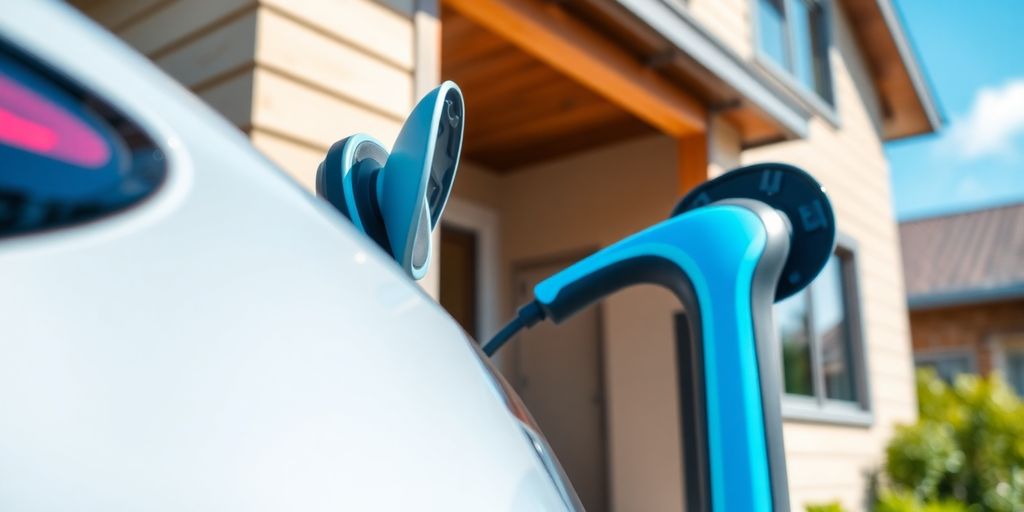
When it comes to charging your electric vehicle (EV), the costs can vary significantly depending on where you plug in. Home charging is often the most economical option. At home, you’re mainly paying for the electricity, which is usually cheaper than the rates at public charging stations. On average, home electricity costs around 16 cents per kilowatt-hour, but this can vary depending on your location. In contrast, public charging stations might charge by the minute or kilowatt-hour, often with additional fees. For instance, DC fast charging (Level 3) at public stations can cost anywhere from $10 to $30 per session, depending on the speed and location.
Convenience Of Public Charging Stations
Public charging stations offer a level of convenience that home charging can’t always match, especially for those who travel frequently or don’t have a home charger. They’re found in strategic locations like shopping centers, parking lots, and along highways, making them ideal for quick top-ups on the go. Some stations offer free charging, but these are often tied to specific locations like malls or hotels. While convenient, the downside is that public stations can be busy, and you might have to wait for an available charger.
Availability Of Free Charging Options
Free charging options are a big perk for EV drivers. Many workplaces provide free charging for employees, and some public locations offer it as a customer incentive. Malls, grocery stores, and hotels are common places where you might find free charging. However, it’s important to factor in any associated costs, like parking fees, which can sometimes offset the savings from free charging. Always check the terms and conditions of the free charging offer to understand any potential costs involved.
Monthly Charging Costs For Electric Vehicles
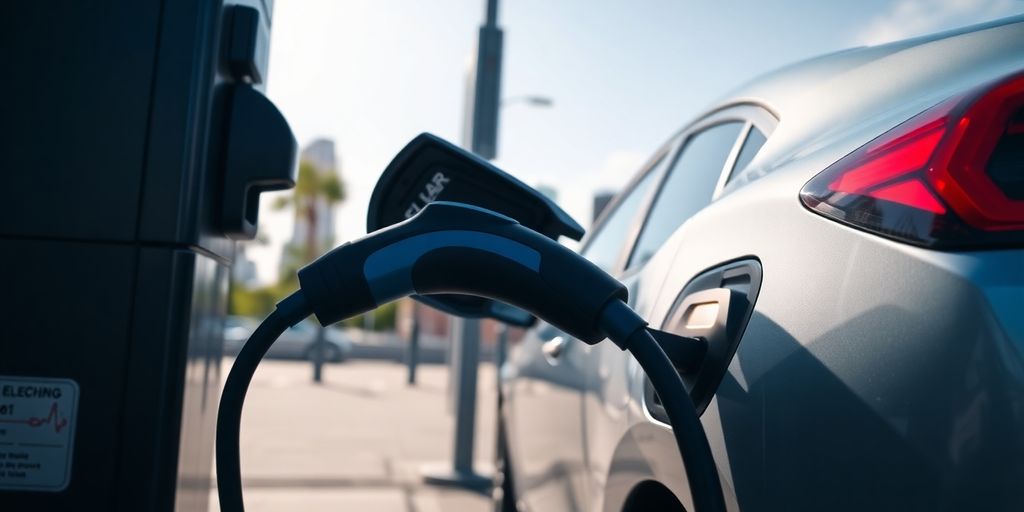
Charging an electric vehicle (EV) each month can be surprisingly affordable. On average, you might expect to pay around $67 per month if you charge your EV at home. This estimate is based on driving approximately 1,207 miles monthly, using about 402 kWh of electricity. The cost per kWh can vary, but using the U.S. average of 16.83 cents, this is a reasonable ballpark figure. Charging at home, especially during off-peak hours, is typically the most cost-effective option. In some areas, it might even cost just a dollar or two to charge overnight.
When comparing costs, EVs often have the upper hand over traditional gasoline vehicles. For instance:
- Charging an EV at home can cost around $67 monthly.
- In contrast, fueling a gasoline vehicle might cost approximately $110 monthly, assuming an average gas price of $3.05 per gallon and a fuel efficiency of 30 mpg.
- This means that, annually, you could save over $1,300 by switching to an EV.
These savings can vary based on your location and the type of vehicle you drive, but generally, EVs are cheaper to "refuel."
Your driving habits significantly affect your EV charging costs. Here are a few factors to consider:
- Mileage: More miles mean more frequent charging, increasing your monthly expenses.
- Driving Style: Aggressive driving can reduce efficiency, leading to higher energy consumption.
- Route and Terrain: Hilly terrains or stop-and-go traffic can also increase energy usage.
By adopting efficient driving habits, you can maximize your EV’s range and minimize your charging costs. For more insights on managing your EV charging time effectively, understanding these factors is crucial.
The Role Of Charging Equipment Costs
Initial Investment For Home Chargers
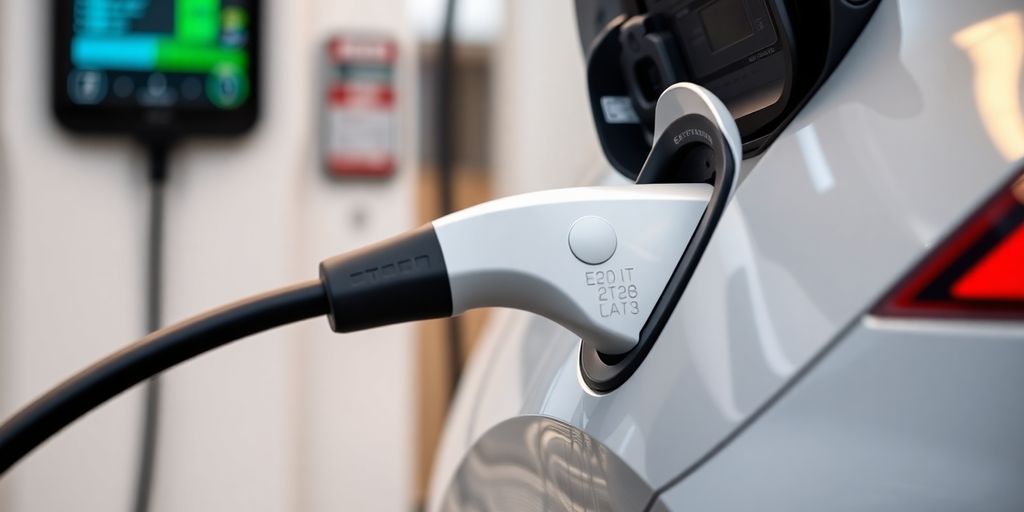
When you decide to charge your electric vehicle (EV) at home, the first thing you’ll need is a home charging station. This initial investment can be quite significant. Level 2 chargers, which are the most common for home use, range from $600 to $6,000 depending on the brand and features. These chargers are faster than the basic Level 1 chargers and can drastically cut down the time it takes to charge your EV.
Installation Costs And Considerations
Once you’ve chosen a charger, you’ll need to think about installation. The cost of installing a home charger can vary widely based on several factors. If your home’s electrical system is up to date, installation might run you about $700. However, if you need to upgrade your electrical panel to handle the increased load, costs can escalate into the thousands. It’s also important to consider the distance from your electrical panel to the charging location, as longer distances can increase installation costs.
Long-Term Savings With Home Charging
While the upfront costs can be daunting, charging your EV at home often leads to long-term savings. Home electricity rates are typically lower than those at public charging stations, meaning you’ll save money on each charge. Plus, you can take advantage of off-peak electricity rates if your utility offers them. Over time, these savings can offset the initial investment in your home charging equipment. Additionally, having a home charger can add convenience and potentially increase your property’s value.
Understanding Charging Levels And Their Costs
Differences Between Level 2 And Level 3 Charging
Charging an electric vehicle (EV) isn’t just about plugging in and waiting. There are different levels of charging that can affect both the time it takes to charge your car and the cost associated with it. Level 2 chargers, often found in homes, use a 240-volt outlet and can deliver 20 to 28 miles of range per hour. They are slower compared to Level 3 but are more cost-effective for everyday use. On the other hand, Level 3 chargers, also known as DC fast chargers, can provide between 50 and 350 kilowatts, charging your EV to nearly full in about an hour. This speed comes at a price, typically ranging from $10 to $30 per session.
Cost Implications Of Charging Speed
The speed at which you charge your EV can significantly impact your wallet. Level 2 charging is generally more affordable, costing around $0.20 per kilowatt-hour, which translates to about $1 to $5 per hour of charging. In contrast, Level 3 charging, due to its high speed, costs more—about $0.30 to $0.48 per kilowatt-hour. This means while you get back on the road faster, you pay a premium for the convenience.
Choosing The Right Charger For Your Needs
Deciding between Level 2 and Level 3 chargers depends on your lifestyle and driving habits. If you primarily charge at home and have time to spare, a Level 2 charger is practical and cost-effective. However, if you’re often on the go and need quick charging, Level 3 might be worth the extra cost. It’s also important to consider where you’ll be charging most frequently—at home, work, or public stations—and whether you’ll benefit from any available incentives or rebates. For many, installing a Level 2 EV charger at home strikes a good balance between cost and convenience.
Regional Variations In Charging Costs
How Location Affects Electricity Rates
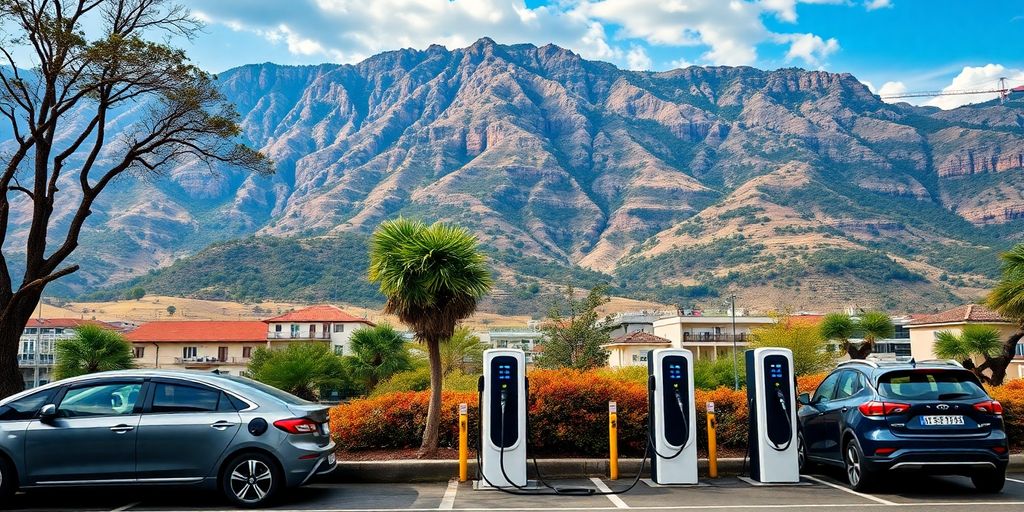
Charging your electric vehicle (EV) can be a different experience depending on where you live. Electricity rates vary widely across regions, and this affects how much you’ll pay to charge your EV. In some areas, electricity might be cheap, especially if the region relies on renewable energy sources like wind or solar. However, in other places, electricity costs can be much higher. For example, states with deregulated energy markets might offer more competitive rates or special plans for EV charging. It’s a good idea to check if your state offers incentives or discounts for charging your EV.
State-Specific Charging Cost Examples
Let’s break it down with some examples:
- California: Known for its high electricity rates, charging your EV here might cost more compared to other states. However, California also offers plenty of incentives to offset these costs.
- Texas: With its deregulated market, you might find plans that offer free charging during certain times. This can be a great way to save if you’re strategic about when you charge.
- New York: Offers various incentives and rebates for EV owners, which can help reduce the overall cost of charging.
Impact Of Local Utility Rates
The local utility rates play a significant role in determining your charging costs. Some utilities offer time-of-use plans, which can be beneficial if you charge your EV during off-peak hours. For instance, charging late at night or early in the morning could be cheaper than during peak hours. It’s worth checking with your local utility provider to see if they offer any special rates or plans for EV charging. By understanding your local electricity rates, you can plan your charging schedule to minimize costs.
Estimating Costs For Road Trip Charging
Planning Charging Stops On Long Trips
Planning is key when you’re hitting the road with an electric vehicle (EV). It’s not just about knowing your destination but also about mapping out where you’ll charge along the way. Apps like A Better Route Planner or PlugShare can be lifesavers. They help you find charging stations, estimate charging times, and even suggest the most efficient routes. While you’re at it, consider hotels with charging stations—they’re often free or cheaper. This way, you can charge overnight and hit the road fully juiced up in the morning.
Cost Variability At Public Charging Stations
Charging your EV on a road trip can be a bit of a mixed bag when it comes to cost. Generally, you’re looking at $10 to $30 per charge at commercial stations, especially if you’re using a Level 3 charger. But here’s the kicker: prices can vary a lot depending on where you are and what kind of charger you use. Some places might offer free charging, while others might charge a premium, especially in high-demand areas. It’s wise to keep an eye on your spending and plan your stops accordingly.
Using Apps To Calculate Charging Costs
When it comes to figuring out how much you’ll spend on charging during your trip, apps are your best friend. They can calculate costs based on your EV’s efficiency, the price per kWh at different stations, and your planned route. This can help you budget more accurately and avoid any nasty surprises. Plus, some apps can even alert you to cheaper charging options along your route, saving you money and time. So before you set off, make sure your phone is loaded with the right tools to keep your trip smooth and cost-effective.
Wrapping It Up: The Real Cost of Charging Your EV
So, there you have it. Charging an electric vehicle isn’t as straightforward as filling up a gas tank, but it’s not rocket science either. The cost really depends on where you live, your electricity rates, and how often you charge. Generally, charging at home is the cheapest way to go, especially if you do it overnight. Sure, there might be some upfront costs if you need to install a home charger, but in the long run, you’ll likely save money compared to fueling a traditional gas car. Plus, it’s better for the environment, which is a nice bonus. Just remember, prices can vary, so it’s worth doing a bit of homework to find the best rates and charging options in your area. Happy driving!
Frequently Asked Questions
How much does it cost to charge an electric vehicle at home?
To estimate the cost, multiply your car’s battery capacity (in kWh) by your local electricity rate (per kWh). For example, if you have a 40 kWh battery and your electricity rate is 12 cents per kWh, it will cost around $4.80 to fully charge your EV.
Is charging an electric vehicle cheaper than refueling with gas?
Generally, yes. Charging an EV is often cheaper than buying gasoline, especially if you charge at home during off-peak hours. However, costs can vary based on electricity rates and gas prices in your area.
What are the differences between Level 2 and Level 3 charging?
Level 2 chargers are slower and are often used at home or public places, providing a moderate charge over several hours. Level 3 chargers, or DC fast chargers, provide a rapid charge, usually in under an hour, but are typically more expensive and found in public charging stations.
How can I save money on my EV charging costs?
Charging at home during off-peak hours, using free public chargers, and taking advantage of any local incentives or discounts from your utility company can help reduce costs.
Do electric vehicle charging costs vary by location?
Yes, electricity rates differ by region. States like California and New York may have higher rates compared to others like Washington or Utah. Always check your local rates to understand your potential costs.
Can I charge my electric vehicle on a road trip?
Yes, you can charge your EV on road trips using public charging stations. Apps can help you plan your route and find charging stations along the way. Costs can vary, so it’s wise to plan ahead.
