


Thinking about putting in an EV charging station at your business? It’s a smart move with more and more electric cars on the road. But, figuring out how much does an EV charging station cost at a business can feel a bit tricky. There’s a lot that goes into it, from the kind of charger you pick to where you put it and what extra stuff you might want. This article will break down all those costs so you can get a clearer picture.
Key Takeaways
- The total cost for an EV charging station at a business changes a lot based on the charger type, how much electrical work is needed, and any extra features.
- Level 2 chargers are usually the best choice for businesses, balancing charging speed with a reasonable price, often between $3,500 and $15,000 per port.
- Upgrading your electrical system, getting permits, and preparing the site can add a lot to the overall cost, sometimes thousands of dollars.
- Look into grants, government incentives, and partnerships with charging networks to help cut down on initial expenses.
- Installing EV chargers isn’t just an expense; it can bring in new customers, show your business cares about the environment, and even create new income streams over time.
Understanding Commercial EV Charging Station Costs
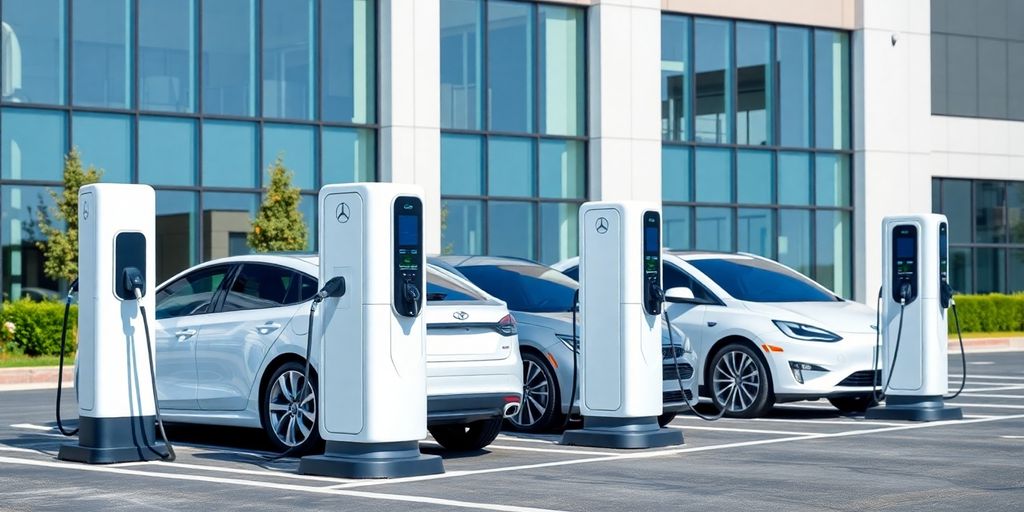
So, you’re thinking about putting in EV chargers at your business? Smart move! But before you jump in, it’s good to get a handle on what it’s really going to cost. It’s more than just the charger itself. Let’s break down the big pieces that make up the total cost of commercial EV charging stations.
Infrastructure Requirements
First off, think about your existing electrical setup. Can your building even handle the extra load? This is a big one. You might need to upgrade your electrical panel, run new wiring, or even get a new transformer. These upgrades can add a significant chunk to the overall cost. It’s not just plugging something into the wall; it’s making sure your building can safely deliver the power those EVs need. The cost of upgrading electrical conduits can be significant.
Equipment Selection
Next up, the chargers themselves. There are different levels, and the price jumps a lot depending on what you pick. A basic Level 2 charger is way cheaper than a DC fast charger. Consider how quickly you want vehicles to charge. Level 2 chargers are fine for employees who are parked all day, but customers might want a faster option. Equipment costs can range from $600 to $10,000 per charger. Wall-mounted chargers are cheaper than pedestal ones. "Smart charger" capabilities also increase the price.
Soft Costs and Customization
Don’t forget the "soft costs." This includes things like permits, design work, project management, and even things like painting lines for EV parking spots. These can add up faster than you think. Custom striping and signage can cost around $1,500. Protective bollards cost around $400 each, and parking blocks are around $600 apiece. These little things can make a big difference in the overall look and feel of your charging area.
Software and Data Management
Finally, think about the software side of things. Do you want to track usage, set pricing, or offer reservations? That’s going to require some kind of software platform. Some networks offer these services, but they come with a cost. A "smart station" generates operational data to help manage power consumption and ultimately save money. Integrating data management systems can help you monitor peak load for savings.
Types of EV Charging Stations and Their Costs
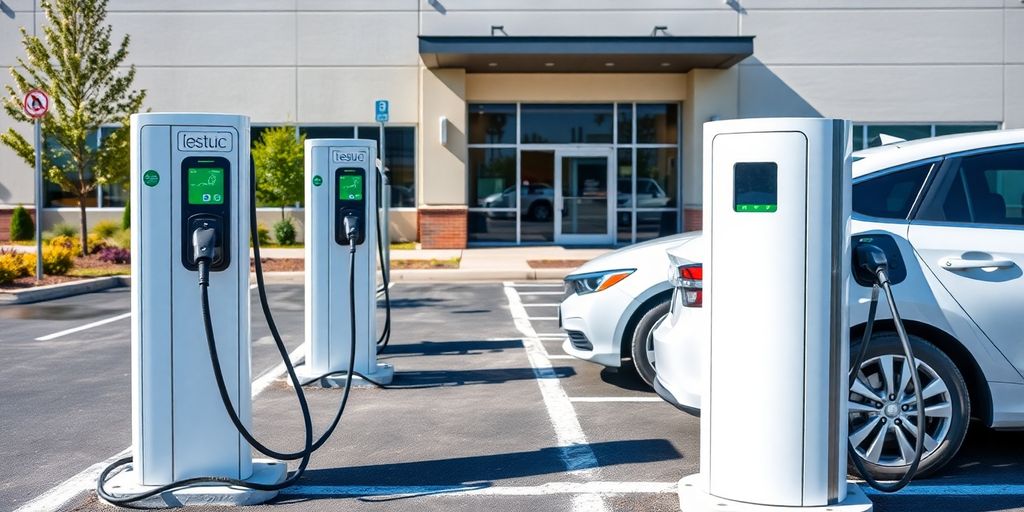
It’s important to understand the different types of EV charging stations available, as their costs and capabilities vary significantly. Choosing the right type is key to meeting the needs of your business and customers. Let’s break down the options.
Level 1 Charger Limitations
Level 1 chargers are the most basic type. They use a standard 120V outlet, which means they’re incredibly slow. You’re looking at potentially 20+ hours for a full charge. While the equipment itself is relatively inexpensive (maybe $300-$1500), Level 1 charging is generally impractical for commercial use. Think of it like trying to fill a swimming pool with a garden hose – it’ll work, but it’ll take forever. They’re really only suitable for situations where vehicles are parked for extremely long periods, and even then, it’s not ideal. Businesses should consider other options to provide a better charging experience.
Level 2 Charger Suitability
Level 2 chargers are a much better fit for most businesses. They use a 240V connection, which allows for significantly faster charging times – typically 4-8 hours for a full charge. This makes them suitable for locations where employees charge during the workday or customers are shopping or dining. Equipment costs range from around $600 to $10,000, depending on features and style. A wall-mounted charger will usually be cheaper than a pedestal model. Here’s a quick comparison:
| Feature | Level 1 Charger | Level 2 Charger |
|---|---|---|
| Voltage | 120V | 240V |
| Charging Time | 20+ hours | 4-8 hours |
| Cost (Equipment) | $300 – $1500 | $600 – $10,000 |
| Best Use | Home, very slow charging | Business, faster charging |
Level 3 DC Fast Charger Investment
DC Fast Chargers (also known as Level 3 chargers) are the powerhouses of the EV charging world. They offer the fastest charging speeds, capable of adding significant range in a short amount of time. However, this speed comes at a cost. DC Fast Chargers are significantly more expensive to purchase and install than Level 2 chargers. They also require a much higher power supply, which can necessitate substantial electrical infrastructure upgrades. These charging solutions are best suited for locations where drivers need a quick charge, such as highway rest stops or busy retail areas. Expect to pay a premium for both the equipment and the installation, but the convenience they offer can be a major draw for EV drivers.
Key Factors Influencing Installation Expenses
Alright, so you’re thinking about putting in some EV chargers at your business. Smart move! But before you get too far, let’s talk about what’s going to drive up those installation costs. It’s not just the charger itself; there’s a whole bunch of stuff that can impact the final bill.
Electrical Infrastructure Upgrades
This is usually the big one. Your existing electrical system might not be ready to handle the extra load of multiple EV chargers. Think about it: you’re basically adding several high-powered appliances all at once. That could mean upgrading your electrical panel, running new wiring, or even getting a new transformer from the utility company. These upgrades can add significant costs, especially in older buildings. It’s a good idea to get an electrician to assess your current setup before you even start looking at chargers. They can tell you exactly what needs to be done and give you a rough estimate. For example, installing EV charging at home can be cheaper if your electrical panel is already up to snuff.
Permitting and Regulatory Compliance
Ugh, permits. Nobody likes dealing with them, but they’re a necessary evil. You’ll need permits from your local government to install EV chargers, and the requirements can vary a lot depending on where you are. This can include things like site plans, electrical inspections, and compliance with accessibility standards (ADA). The permitting process can also take time, which can delay your project and potentially increase costs if you’re paying contractors by the hour. Make sure you factor in the time and expense of getting all the necessary approvals. Plus, don’t forget about potential inspections after the installation is complete. It’s worth checking if there are any government incentives available to help offset these costs.
Site Preparation and Enhancements
Finally, think about the physical location where you’re putting the chargers. Do you need to pour new concrete pads? Install bollards to protect the chargers from cars? Add lighting for safety? What about signage to direct drivers to the charging stations? All of these things add to the overall cost. Also, consider accessibility. You might need to make changes to your parking lot to ensure that the charging stations are accessible to people with disabilities. These site enhancements might seem small, but they can add up quickly. Here’s a quick list of potential site prep costs:
- Concrete work
- Signage
- Landscaping
- Lighting
Breaking Down the Cost Components
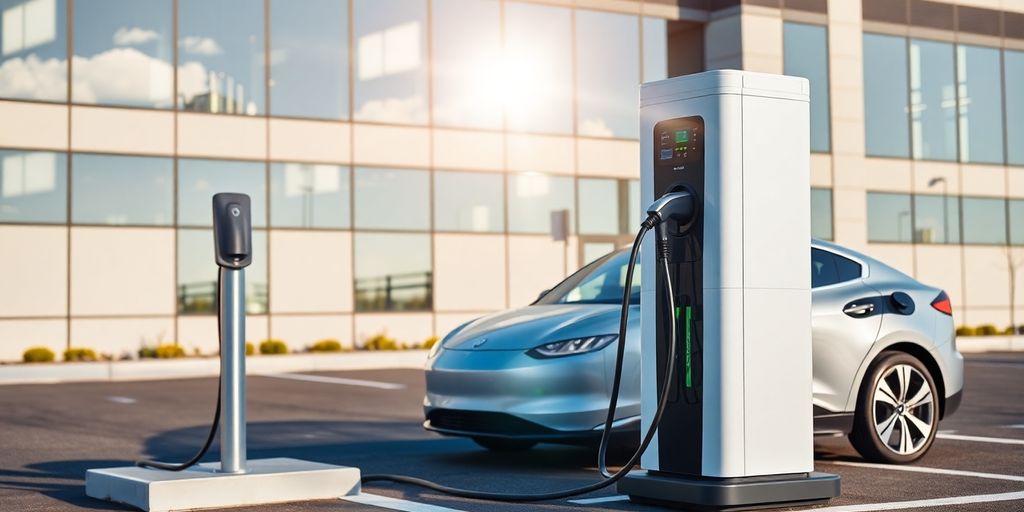
Okay, so you’re thinking about putting in some EV chargers at your business. Great! But let’s talk money. It’s not just the charger itself you need to think about. There are a bunch of different costs that add up, and it’s good to know what you’re getting into. Businesses often balk at the initial cost of EV charging stations, but understanding the breakdown can help you plan and budget effectively.
Equipment Purchase Prices
This is the obvious one. The actual charging station. But even here, there’s a range. A basic Level 2 charger is way cheaper than a DC fast charger. Think of it like buying a car – you can get a no-frills sedan or a fully loaded SUV. The price depends on the charging speed, features (like network connectivity), and the brand. You might be looking at anywhere from a few hundred dollars for a simple Level 2 to tens of thousands for a DC fast charger. It really depends on what you need.
Installation Labor and Wiring
Don’t forget about getting the thing installed! This isn’t like plugging in a lamp. You’ll need a qualified electrician to handle the wiring and make sure everything is up to code. This can be a significant chunk of the cost, especially if your building’s electrical panel needs an upgrade. The further the charger is from the panel, the more wiring you’ll need, and the more expensive it will be. Also, applicable permits will add to the cost. Labor costs vary by location, so get a few quotes before you commit.
Ongoing Operational Expenses
It doesn’t stop once the charger is installed. You’ve got to factor in the cost of electricity, of course. And then there’s maintenance. Chargers need to be checked and serviced regularly to keep them running smoothly. Some chargers also have network fees for data monitoring and payment processing. Plus, you might want to factor in the cost of things like parking blocks or other machinery to protect the charging stations. Don’t forget about software costs either. To qualify for certain financial incentives, the owner of an EV charging station must install software that networks with the utility company. Generally, the cost to host this information in the cloud is around $28 per month for each port.
Strategies for Reducing EV Charging Station Costs
Okay, so you’re looking to put in some EV chargers at your business but want to keep the costs down? Good thinking! There are definitely ways to make it more affordable. It’s not just about buying the cheapest charger you can find; it’s about being smart about the whole process.
Leveraging Grants and Incentives
One of the best ways to cut costs is by taking advantage of available financial assistance. Governments and utility companies really want to encourage EV adoption, so they’re throwing money at it. Look into federal tax credits – these can cover a big chunk of the installation costs. States often have their own rebates or grants too, and don’t forget to check with your local utility company. They might have programs that offer discounted rates or even subsidies for installing chargers. It’s basically free money, so don’t leave it on the table. You can find affordable charging stations through government programs.
Partnerships with Charging Networks
Another option is to partner with a charging network. These companies might be willing to install and maintain the chargers for you, in exchange for a share of the revenue they generate. It’s a win-win situation: you get the chargers without the upfront cost, and they get to expand their network. Just make sure you read the fine print and understand the terms of the agreement before you sign anything. You can also check how many EV charging stations are in your area to see if a partnership makes sense.
Bundling Multiple Installations
If you’re planning on installing more than one charger, do them all at once. You’ll save money on labor and other expenses. Think of it like buying in bulk – the more you buy, the lower the per-unit cost. Plus, it’s less disruptive to your business to have one big installation project than several smaller ones spread out over time. It’s all about efficiency, and efficiency saves money.
Maximizing Value Through Smart Solutions
Okay, so you’ve decided to install EV chargers. Great! But how do you make sure you’re actually getting the most bang for your buck? It’s not just about slapping in a charger and hoping for the best. You need to think smart. Let’s look at some ways to really maximize the value of your EV charging investment.
Integrating Data Management Systems
Data is king, especially when it comes to EV charging. You need to know who’s charging, when they’re charging, and how much energy they’re using. A good data management system will give you all of this information, and more. This lets you optimize pricing, track usage trends, and even identify potential problems before they become major headaches. Think of it as a Fitbit for your charging stations. You can track all sorts of metrics and use them to improve performance. For example, you might see that certain times of day are more popular for charging, allowing you to adjust pricing accordingly. Or, you might notice that one of your chargers is consistently underutilized, suggesting that it might need to be relocated or replaced.
Monitoring Peak Load for Savings
Peak load is basically the time when your business is using the most electricity. And guess what? That’s also when you’re paying the highest rates. EV chargers can add a significant load to your electrical system, potentially pushing you into higher rate tiers. By monitoring your peak load, you can strategically manage charging schedules to avoid those costly spikes. This might involve implementing load balancing, which distributes power evenly across all chargers, or even incentivizing employees or customers to charge during off-peak hours. Think of it like this: you wouldn’t run all your appliances at once, right? Same principle applies to EV charging. Smart energy management is key to keeping your electricity bills under control.
Networking for Utility Incentives
Did you know that many utility companies offer incentives for businesses that install EV chargers? It’s true! But to qualify, you often need to be part of a charging network. These networks allow utilities to monitor and manage the overall load on the grid, ensuring that everyone has access to reliable power. By joining a network, you not only gain access to these incentives, but you also benefit from increased visibility and potential partnerships. Plus, being part of a network can make it easier for EV drivers to find and use your charging stations. It’s a win-win situation. And don’t forget, adding EV charging stations can increase property value, so it’s a smart move all around.
Long-Term Benefits and Return on Investment
Attracting Eco-Conscious Customers
Let’s be real, more and more people care about the environment. Offering EV charging is a great way to bring in those customers. It’s like saying, "Hey, we care about the planet too!" Restaurants, stores, even hotels can see more foot traffic just by having chargers available. It’s a simple way to attract customers who are looking for businesses that align with their values.
Enhancing Sustainability Profile
Having EV chargers shows you’re serious about sustainability. It’s not just talk; it’s action. This can really boost your company’s image. People like to support businesses that are doing their part. Plus, it can help you meet any sustainability goals you might have. It’s a win-win. Think of it as a way to support sustainability goals and show you’re thinking about the future.
Creating New Revenue Streams
Don’t forget, you can actually make money from these chargers! You can charge people per kilowatt-hour or per charging session. This can help cover the costs of installation and operation, or even turn a profit. Especially if you’re in a busy area, this can be a nice little earner. It’s like turning an expense into an opportunity to generate profit, which is always a good thing. Plus, as EV charging times get faster, you can serve more customers.
Wrapping It Up
So, figuring out the cost of an EV charging station for your business can feel like a lot. There are different types of chargers, installation stuff, and even extra features to think about. But don’t let that scare you off! There are tons of grants and programs out there that can help cut down the price. Putting in EV chargers isn’t just a cost; it’s a smart move for the future. It can bring in more customers, show you care about the environment, and even make you some extra cash. It’s a good way to get ready for more and more electric cars on the road.
Frequently Asked Questions
How much does it typically cost to install an EV charging station at a business?
The cost of an EV charging station for your business can change a lot. It depends on the type of charger you pick, how much work is needed to set it up, and any extra features you want. Generally, a basic Level 2 charger might cost a few thousand dollars, while a super-fast Level 3 charger could be tens of thousands.
What are the different types of EV charging stations available for businesses, and how do they differ in cost and speed?
There are three main types: Level 1, Level 2, and Level 3 (DC Fast Chargers). Level 1 is the slowest and cheapest, good for overnight charging. Level 2 is a popular choice for businesses, offering faster charging in a few hours. Level 3 is the quickest, charging cars in under an hour, but it’s also the most expensive and needs more power.
Are there any grants, incentives, or tax credits available to help businesses offset the cost of installing EV charging stations?
Yes, there are often many ways to save money! Governments, both federal and state, offer tax credits and grants. Utility companies might also have programs or rebates. Sometimes, you can even partner with charging networks that will help cover the costs.
What are some hidden or unexpected costs associated with EV charging station installation that businesses should be aware of?
Beyond the charger itself, you’ll need to think about upgrading your electrical system, getting permits from the city or county, and preparing the spot where the charger will go. This might involve digging, pouring new concrete, or adding protective barriers.
What are the long-term benefits and potential return on investment for a business that installs EV charging stations?
Installing EV chargers can bring in more customers who drive electric cars, making your business look modern and eco-friendly. It can also help you earn money if you charge for the service. Plus, it shows your commitment to a greener future, which can be good for your brand.
What are the ongoing operational and maintenance costs for commercial EV charging stations?
To make sure your charging stations work well and last a long time, you’ll need to pay for electricity, regular check-ups, and sometimes software fees if you want to manage the chargers or collect payments. These ongoing costs are usually a small part of the total investment.
