


Thinking about adding EV charging stations to your business? It’s a smart move with more and more electric cars on the road. But, like any big project, you’re probably wondering, “how much do public EV charging stations cost to install?” The truth is, there’s no single answer. Lots of things affect the price, from the kind of chargers you pick to what your site needs. Let’s break down the different costs involved so you can get a better idea of what to expect.
Key Takeaways
- The total cost to put in public EV charging stations changes a lot based on the type of charger, how much electrical work is needed, and any site prep.
- Level 2 chargers are a popular choice for businesses because they offer a good balance of charging speed and cost.
- Permits, local rules, and making sure everything meets ADA standards are extra costs you need to plan for.
- You can often save money by looking into government grants, working with charging networks, or putting in several chargers at once.
- Beyond the main installation, remember to budget for things like special features, protective barriers, and ongoing software fees for your charging stations.
Understanding Public EV Charging Station Costs
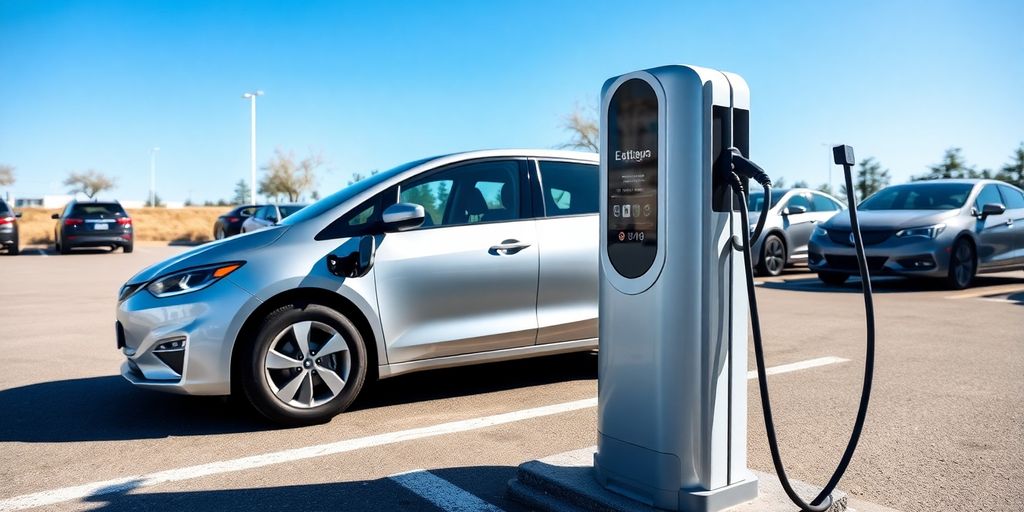
Equipment Expenses Per Unit
Okay, so you’re thinking about putting in some public EV chargers? First thing’s first: the actual chargers themselves. The cost can really vary, from a few hundred bucks to tens of thousands, depending on what you’re after. A basic Level 1 charger installation cost is cheap, but it’s slow. A DC fast charger? That’ll set you back a lot more. It’s like comparing a bicycle to a sports car – both get you from A to B, but one does it way faster (and costs a whole lot more).
Installation Labor And Wiring
Don’t forget about getting these things hooked up! Labor and wiring can be a surprisingly big chunk of the overall cost. You’re not just plugging something into the wall. You might need to upgrade your electrical panel, run new lines, and maybe even dig trenches. Expect to pay anywhere from $2,000 to $10,000 per station for commercial EV charging installation. It all depends on how much work your site needs.
Ongoing Operational Expenditures
It’s not just about the upfront costs. Once the chargers are in, you’ve got to keep them running. Think about electricity – those EVs aren’t charging themselves! There’s also maintenance to consider. Plus, if you’re using a networked charger, there might be software or networking fees. Budget around $50-$200 per charger each month to cover these ongoing expenses. It’s like owning a car – you’ve got to factor in gas, insurance, and the occasional repair.
Key Factors Influencing Installation Costs
Alright, so you’re thinking about putting in some public EV charging stations? Awesome! But before you get too far ahead, let’s talk about what’s going to drive up (or down) the price. It’s not just about the charger itself; there’s a whole bunch of stuff that goes into it.
Type Of Charging Stations
This is the big one. Are we talking Level 2 chargers, which are pretty common, or the super-fast DC fast chargers? The faster the charge, the more expensive the equipment and the installation. Level 2 chargers are simpler and cheaper to install, often using existing electrical infrastructure. DC fast chargers, on the other hand, need a whole lot more power and beefier wiring. Think of it like plugging in a lamp versus powering a whole house – big difference!
Electrical Infrastructure Upgrades
Okay, so you’ve got a spot picked out. Great! But does that spot have the electrical capacity to handle an EV charger? Probably not without some upgrades. This can mean anything from running new lines from the grid to upgrading the electrical panel. And trust me, that’s where costs can really jump. You might need a transformer upgrade, which is a big job. Always get an electrician to assess the site early on. They can tell you what you’re really looking at in terms of electrical work. Thinking about setting up paid EV charging stations? Make sure your electrical infrastructure can handle the load!
Site Preparation Requirements
Don’t forget about the physical space! Is the ground level? Do you need to pour concrete pads? What about accessibility for people with disabilities? All of this adds to the cost. Here’s a quick rundown:
- Grading and Leveling: Uneven ground needs to be prepped.
- Concrete Work: Pads for the chargers and any protective barriers.
- Accessibility: Ramps, wider spaces – it all needs to be up to code.
And then there’s the unexpected stuff, like dealing with underground utilities or needing to move existing structures. It’s always a good idea to have a buffer in your budget for these surprises. You can also look into DC Charging Stations OEM to find the best equipment for your needs.
Navigating Permits And Compliance
Okay, so you’re thinking about putting in some public EV chargers? Awesome! But before you start digging, there’s a whole bunch of paperwork and rules you gotta deal with. It’s not the most fun part, but skipping it can cause major headaches later. Think fines, delays, or even having to rip out your brand new chargers. Let’s break down what you need to know.
Permit Fees And Regulations
First up, permits. Every city and county has its own set of rules about electrical work, construction, and EV charger installation. You’ll likely need permits for electrical work, building modifications, and possibly even for things like signage. The fees for these permits can vary wildly, from a few hundred bucks to several thousand, depending on the scope of the project.
It’s a good idea to check with your local permitting office early in the process. They can tell you exactly what permits you need and what the requirements are. Don’t be afraid to ask questions! It’s better to be over-prepared than to get hit with a stop-work order.
ADA Accessibility Compliance
This is a big one. The Americans with Disabilities Act (ADA) requires that public accommodations be accessible to people with disabilities. That includes EV charging stations. This means:
- Having designated accessible parking spaces next to the chargers.
- Ensuring the charging stations themselves are usable by people in wheelchairs (reach height, clear space, etc.).
- Providing accessible routes from the parking spaces to the chargers and other facilities.
Ignoring ADA compliance can lead to lawsuits and expensive retrofits. Make sure your EV charging stations meet all the requirements from the get-go.
Local Jurisdiction Requirements
Beyond the ADA, your local government might have its own specific rules. These could include:
- Setback requirements (how far the chargers need to be from property lines).
- Landscaping requirements.
- Requirements for lighting and security.
- Rules about the type of chargers you can install (some areas might restrict DC fast chargers in residential zones).
These local rules can really impact the overall cost and timeline of your project. For example, if you need to do extra landscaping or install special lighting, that’s going to add to your expenses. So, do your homework and make sure you’re following all the local building codes!
Cost Variations By Charger Type
It’s true, the type of charger you pick has a HUGE impact on the overall cost. We’re talking about differences of thousands of dollars, so it’s worth understanding the options.
Level 1 Charger Considerations
Level 1 chargers are the most basic, and cheapest, option. They plug into a standard 120V outlet, so you don’t need any fancy electrical work. Think of it like plugging in a lamp. The downside? They’re SLOW. Really slow. You’ll only get a few miles of range per hour of charging. Great for overnight at home, not so great for public use where people want a quick top-up. Because of the slow charging speed, they aren’t very common in public settings. You might see them at a workplace where employees park all day, but that’s about it. The chargers themselves are cheap, but the lack of speed makes them impractical for most public charging scenarios.
Level 2 Charger Popularity
Level 2 chargers are the workhorses of public EV charging. They use 240V, like your dryer or oven, and offer significantly faster charging than Level 1. You’ll see these at shopping centers, parking garages, and workplaces. They strike a good balance between cost and charging speed. Expect to add around 20-30 miles of range per hour of charging. The cost of Level 2 chargers can vary quite a bit, depending on the features and brand. You’ll also need to factor in the cost of installation, which can include running new wiring and upgrading your electrical panel. These chargers are a popular choice for businesses. If you opt for a plug-in unit, the installation costs would be for the electrician to run power from your home’s breaker box to the outlet where the charger will be plugged in.
DC Fast Charger Investment
DC Fast Chargers (DCFC), also known as Level 3 chargers, are the kings of speed. These are the chargers you see at highway rest stops and dedicated charging stations. They can add 60-80 miles of range in just 20-30 minutes. But that speed comes at a price. DCFCs are significantly more expensive than Level 2 chargers, both to purchase and install. They require high-voltage connections and can put a strain on the electrical grid. Expect to pay tens of thousands of dollars for a single DCFC unit, plus the cost of installation and any necessary infrastructure upgrades. These upgrades can include transformer installation, electrical panel upgrades, and running new power lines. The cost of paid EV charging stations can be high, but they are a great investment.
Opportunities For Cost Reduction
Government Grants And Incentives
Okay, so you’re looking to put in some public EV chargers but the price tag is making you sweat? Don’t worry, there’s money out there! Government grants and incentives can seriously cut down your initial investment. The feds, states, and even local groups are all throwing money at EV infrastructure projects. For example, there are federal tax deductions for commercial EV charging station costs. States also have their own programs, offering deductions, credits, and grants. Don’t forget to check out local utility companies; some, like the Joint Utility Commission of New York, have programs that cover a huge chunk of electrical infrastructure costs. Basically, do your homework and see what free money you can get your hands on.
Partnerships With Charging Networks
Think about teaming up with a charging network. These guys are already in the EV charging stations game, and they might be able to help you out with equipment costs, installation, and even ongoing maintenance. Plus, being part of a network can bring more drivers to your chargers, which means more revenue for you. It’s a win-win!
Bundling Multiple Installations
If you’re planning on installing more than one charging station, do them all at once! You can save money on labor and other expenses by bundling multiple installations together. Contractors are often willing to give you a discount if you’re giving them a bigger project. Plus, you’ll only have to deal with permits and inspections once, which can save you time and headaches. It’s all about economies of scale!
Additional Cost Components To Consider
Okay, so we’ve talked about the big chunks of change when installing public EV chargers, but there are always those extra bits and pieces that can sneak up on you and impact the overall budget. It’s like renovating a house – you always find something else that needs fixing!
Optional Features And Branding
Want to make your charging stations stand out? Adding optional features and branding can do that, but it’ll cost you. Think about it: custom colors, logos, or even interactive displays. These things aren’t strictly necessary, but they can definitely improve the user experience and make your stations more attractive. Branding can increase visibility and customer loyalty, but it comes at a price. The cost of EV charging solutions can vary widely depending on the level of customization.
Protective Bollards And Signage
Safety first! You’ll want to protect your investment (and the people using it) with protective bollards. These are those sturdy posts you see around chargers that prevent cars from accidentally bumping into them. Signage is also important for directing drivers and providing instructions. Good signage makes the charging process easier and safer. Plus, clear signs indicating applicable permits are a must. Expect to pay for both the materials and the installation of these safety measures.
Networking And Software Fees
These days, most public EV charging stations are connected to a network. This allows for remote monitoring, payment processing, and usage tracking. But these services come with fees. You’ll likely have to pay a monthly or annual fee for the networking and software that makes it all work. This covers things like:
- Data Management: Tracking usage and generating reports.
- Payment Processing: Handling credit card transactions and other payment methods.
- Remote Monitoring: Ensuring the chargers are functioning properly and addressing any issues that arise.
Don’t forget to factor these ongoing costs into your budget. It’s easy to overlook them, but they can add up over time.
Real-World Public EV Charging Station Cost Examples
Small Business Installation Scenarios
Okay, so imagine a small coffee shop wants to get in on the EV action. They decide to install two Level 2 chargers. What’s that gonna cost? Well, after permits, labor, and some minor electrical work, they’re probably looking at around $15,000. Not too bad, right? It’s a decent investment to attract those eco-conscious coffee lovers. Plus, they can advertise it!
Large Retail Parking Lot Projects
Now, let’s scale things up. Think about a big shopping mall. They want to install ten Level 2 chargers and, say, two DC fast chargers. This is a much bigger project. They’ll need more extensive electrical upgrades and site prep. We’re talking trenching, maybe some repaving, the whole nine yards. The total cost could easily hit $250,000. It’s a hefty sum, but it makes the mall a destination for EV drivers, which can boost foot traffic and sales. They might even look into EV charging stations to help offset the cost.
Gas Station Fast Charger Deployments
Finally, let’s consider a gas station. They see the writing on the wall and want to add four DC fast chargers. This is the big leagues. These chargers need serious power, so the electrical infrastructure upgrades are going to be significant. Plus, the equipment itself is expensive. We’re talking around $500,000 for the whole project. It’s a huge investment, but it positions the gas station for the future of transportation. They might even explore Illinois EV charging options to see what incentives are available.
Wrapping It Up
So, figuring out how much it costs to put in public EV charging stations isn’t super simple. There are a bunch of things that change the price, like what kind of chargers you pick, what the spot looks like, and if your electrical stuff needs an upgrade. Yeah, the first cost might seem big, but don’t forget about all the grants and deals out there that can really cut down what you pay. Plus, in the long run, having these chargers can bring in more customers, make your business look good, and maybe even make you some extra cash. If you’re thinking about adding EV chargers, it’s a good idea to chat with some installation pros. They can give you a real estimate for your specific situation.
Frequently Asked Questions
What are the main things that affect how much it costs to put in public EV charging stations?
The cost of setting up public EV charging stations can change a lot. It depends on things like the kind of chargers you pick, how much work is needed to get the site ready, and if you need to upgrade the electrical system. You also have to think about permits, ongoing costs, and any extra features you want to add.
Can you explain the different kinds of EV chargers and how they impact the price?
There are three main types of chargers: Level 1, Level 2, and DC Fast Chargers. Level 1 chargers are the slowest and cheapest, often used at home. Level 2 chargers are a good middle ground, charging faster and costing more. DC Fast Chargers are the quickest and most expensive, usually found at gas stations or along highways. Each type has different equipment and installation costs.
Do I need to upgrade my electrical system, and how much will that cost?
Yes, upgrading your electrical system can be a big part of the cost. Older buildings or places with weak power might need new wiring, transformers, or even a bigger electrical service. This can add thousands of dollars to the total project, depending on how much work is needed.
What about permits and following the rules? Are those expensive?
Getting permits is almost always necessary for installing EV chargers. The cost of permits can be anywhere from a few hundred to several thousand dollars, depending on where you are and how big the project is. You also need to make sure the stations follow rules like the Americans with Disabilities Act (ADA) for easy access.
Are there ways to lower the cost of installing EV charging stations?
There are several ways to save money. You can look for government grants and tax breaks, which can cover a good chunk of the costs. Sometimes, utility companies offer special programs or discounts. Also, partnering with a charging network might mean they help pay for the installation in exchange for a share of the profits. Installing many chargers at once can also lower the cost per unit.
What are some other costs I should think about besides the chargers themselves?
Besides the main costs, you might want to add things like special signs, protective poles (bollards) to keep the chargers safe from cars, and software for managing the chargers. These extras can add a few hundred to several thousand dollars per station, but they can improve the user experience and protect your investment.
