


As electric vehicles (EVs) gain popularity, understanding the distribution of EV charging stations across the United States becomes essential. The number of charging stations varies significantly from state to state, influenced by local policies, consumer interest, and geographical factors. This article explores how many EV charging stations exist by state and highlights key trends in the charging infrastructure landscape.
Key Takeaways
- By the end of 2024, there will be around 64,187 EV charging stations in the U.S.
- California leads the way with over 14,000 charging stations, making up about 25.5% of the total.
- The growth rate of EV charging stations has been impressive, with a 43.7% increase from 2018 to 2023.
- States like Texas and Florida are emerging as significant players in EV infrastructure development.
- Wyoming boasts the best EV-to-charger ratio, with 4.2 EVs for every charging station, highlighting regional disparities.
Key Insights On EV Charging Stations
Projected Growth of Charging Stations
It’s pretty wild to see how quickly the number of EV charging stations is expected to grow. By the end of 2024, the U.S. is projected to have around 64,187 EV charging stations. That’s a huge jump from where we were just a few years ago. The compound annual growth rate (CAGR) from 2018 to 2023 has been about 43.7%, which really shows how fast things are moving. This growth is super important because it means more people can actually use EVs without worrying so much about running out of juice. It also helps push us closer to a future where we’re not so reliant on gas.
Top States for Charging Infrastructure
Okay, so not all states are created equal when it comes to EV charging. A handful of states are really leading the charge (pun intended!). California is way out in front, but Texas, Florida, New York, and Washington are also doing a lot. These five states alone account for almost half (46.4%) of all the EV charging stations in the whole country. It makes sense, since these states often have policies that encourage EV adoption and more people are buying electric cars there. But it also means that other states have some catching up to do if they want to make EVs a viable option for their residents. For example, job creation is a big factor in states that are investing in EV infrastructure.
EV Charging Station Distribution Trends
The way EV charging stations are spread out across the country isn’t always even. You’ll find a lot more chargers in cities and along major highways, which makes sense because that’s where more people live and travel. But it can be a problem for people in rural areas who might want to switch to an EV but are worried about finding a place to charge. Also, some states are just more proactive about building out their charging infrastructure than others. Factors like state policies, consumer demand, and even the geography of the area can all play a role in how many charging stations are available. It’s something that needs to be addressed to make sure everyone can benefit from the EV revolution. The number of EV charging stations is a key indicator of a state’s commitment to electric vehicles.
Factors Influencing Charging Station Availability
As electric vehicles become more common, having enough charging stations is super important. But, the number of charging stations isn’t the same everywhere. It changes a lot from state to state because of different things. State rules, how many people want EVs, and even the weather can all make a big difference.
State Policies and Incentives
State policies really push EV infrastructure. For example, states like California and Oregon have a lot of EV charger adoption because they have strong clean energy plans and give people tax breaks for buying EVs. California’s Clean Transportation Program even gives money to build charging stations in places that need them. On the other hand, states that focus more on fossil fuels might not have as many incentives, which can slow down the growth of charging stations.
Consumer Demand for Electric Vehicles
If more people in a state are buying EVs, there’s going to be more charging stations. States with lots of EV sales, like California, Florida, New York, and Washington, are putting money into electric vehicle infrastructure to keep up with demand. But, in states where not many people have EVs, there might not be as much of a rush to build charging stations. This can make it harder for people to switch to EVs because they’re worried about finding a place to charge.
Geographic and Climate Challenges
Where a state is located and what the weather is like can also affect how many charging stations there are. States with big rural areas, like Montana and Alaska, might find it hard to build charging networks because cities are far apart. Also, cold weather can make EV batteries less efficient, which might make people less likely to buy EVs in those states. However, some cold states, like Vermont and Colorado, have invested a lot in EV infrastructure and have been able to deal with these challenges.
State-Specific Charging Station Data
California’s Dominance in Charging Stations
California is way ahead of everyone else when it comes to EV charging. As of late 2024, California boasts around 14,040 public charging stations, which is about 25.5% of all the charging stations in the U.S. That’s a huge chunk! This lead is thanks to the state’s strong policies and incentives for electric vehicles. They’ve been pushing for clean transportation for a while, and it shows. It’s not just about having a lot of stations, but also about strategically placing them so EV drivers can actually use them easily.
Emerging Markets: Florida and Texas
Florida and Texas are definitely ones to watch. They’re not quite at California’s level, but they’re growing fast. Both states have seen a significant increase in EV adoption, which naturally leads to more charging stations. Texas, in particular, is interesting because it’s a big state with a lot of driving, so the demand for charging is only going to increase. Florida’s tourism industry also plays a role, as visitors are increasingly renting EVs and need places to charge. These states are investing in EV charging stations, but they still have a ways to go to catch up with California.
Challenges in Low-Station States
Some states are really struggling to keep up with the demand for EV charging. States with fewer incentives or policies focused on fossil fuels have alarmingly low charger-to-EV ratios. For example, Wyoming has the best EV-to-charger ratio at 4.2 EVs per charging stations. On the other hand, some states have ratios as high as 17,925 residents per EV station. That’s a big challenge for infrastructure development in states that have less emphasis on EV adoption. It’s not just about the number of stations, but also about where they’re located. Rural areas often have very few options, which can make it hard for people to switch to EVs. Addressing these challenges will require targeted investments and policy changes to encourage the growth of popular EV charging stations in these underserved areas.
Growth Trends in EV Charging Infrastructure
Rapid Expansion of Charging Networks
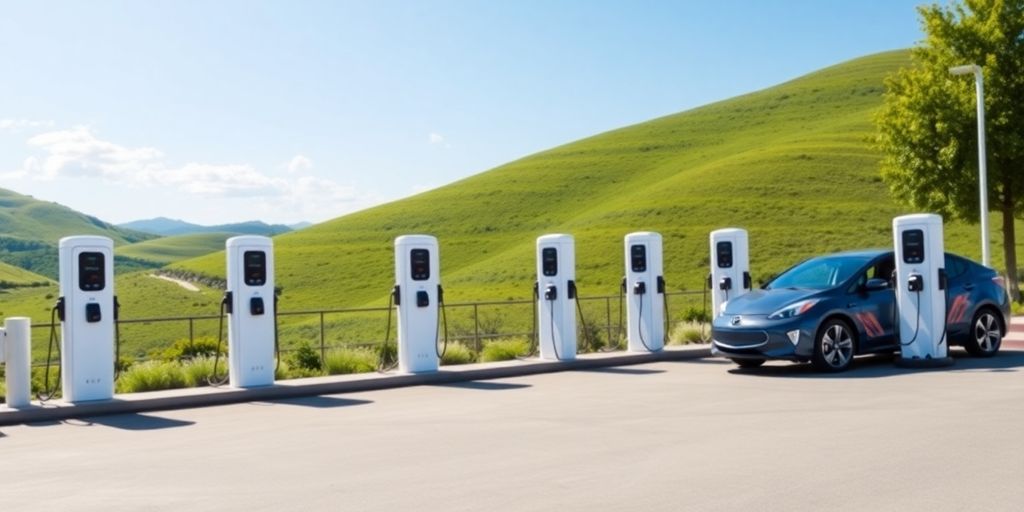
The electric vehicle market is growing fast, and so is the network of charging stations. The U.S. is expected to have 64,187 EV charging stations by the end of 2024. That’s a 43.7% compound annual growth rate (CAGR) from 2018 to 2023! But, it’s not all sunshine and roses. The growth isn’t even across the country. Some states are way ahead, while others are lagging behind. This EV charger adoption disparity can create problems for drivers as they look for reliable charging options.
Impact of Tesla Superchargers
Tesla’s Supercharger network has played a big role in expanding EV infrastructure. With over 12,000 Superchargers in the US, Tesla is a leader in DC fast charging. And now, with other automakers like Ford and GM joining in, it’s likely to boost the growth of DC fast charging even more. It’s not just about Tesla anymore; it’s about making charging accessible for everyone, no matter what EV they drive.
Future Projections for Charging Stations
Looking ahead, the need for charging stations is only going to increase. As more people switch to EVs, we’ll need more places to plug in. The challenge is making sure the growth of charging infrastructure keeps up with EV sales. If it doesn’t, it could slow down the transition to electric vehicles. States need to keep investing in charging stations and come up with policies that encourage their development. Otherwise, we might end up with a lot of EVs and nowhere to charge them!
Comparative Analysis of EV Charging Ratios
States with the Best EV-to-Charger Ratios
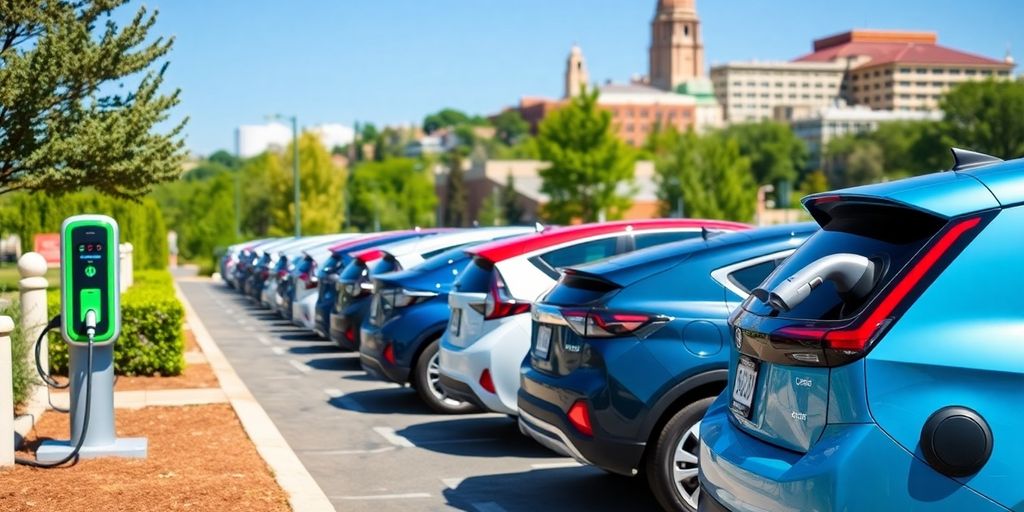
Okay, so let’s talk numbers. It’s not just about how many chargers a state has, but how well those chargers serve the EVs already there. Some states are crushing it, while others… well, not so much. A low EV-to-charger ratio means less waiting and more happy EV drivers.
As of late 2021, Wyoming was the poster child for a good ratio, boasting something like 4.2 EVs per charging port. That’s pretty awesome. North Dakota wasn’t far behind. What’s the deal? Usually, these are states where EV adoption is still catching up, so the infrastructure is ahead of the curve. It’s like they built the roads before the cars showed up – smart planning, or just luck?
Challenges Faced by High-Ratio States
Now, flip the script. New Jersey, for example, had a high EV-to-charger ratio – around 41.3 EVs per port. Ouch. That means long lines and frustrated drivers. California, despite its massive charging infrastructure, also had a relatively high ratio due to the sheer number of EVs on the road. It’s a classic case of demand outpacing supply. Imagine trying to find a parking spot in Manhattan – that’s what it’s like trying to charge your EV in these states. The technical workings of the chargers can only do so much when there aren’t enough to go around.
Implications for Future Infrastructure Development
So, what does this all mean? It’s a wake-up call. EV sales are growing faster than charging infrastructure in many places. We need to ramp up investment, streamline permitting, and get more chargers on the ground, especially in high-demand areas. Otherwise, we risk creating a charging bottleneck that could slow down EV adoption. Think about it: who wants to buy an EV if they’re constantly worried about finding a place to charge? It’s not just about having chargers; it’s about having enough in the right places. Maybe we should look at EV charging station locations more strategically. Here’s a quick look at how things stacked up:
| State | EV-to-Charger Ratio (as of Sept 2021) |
|---|---|
| Wyoming | 4.2 |
| New Jersey | 41.3 |
| California | 27.2 |
These stats highlight the urgent need for balanced infrastructure growth to support the increasing number of EVs on the roads. It’s a race, and right now, the chargers are lagging behind.
Regional Variations in Charging Station Distribution
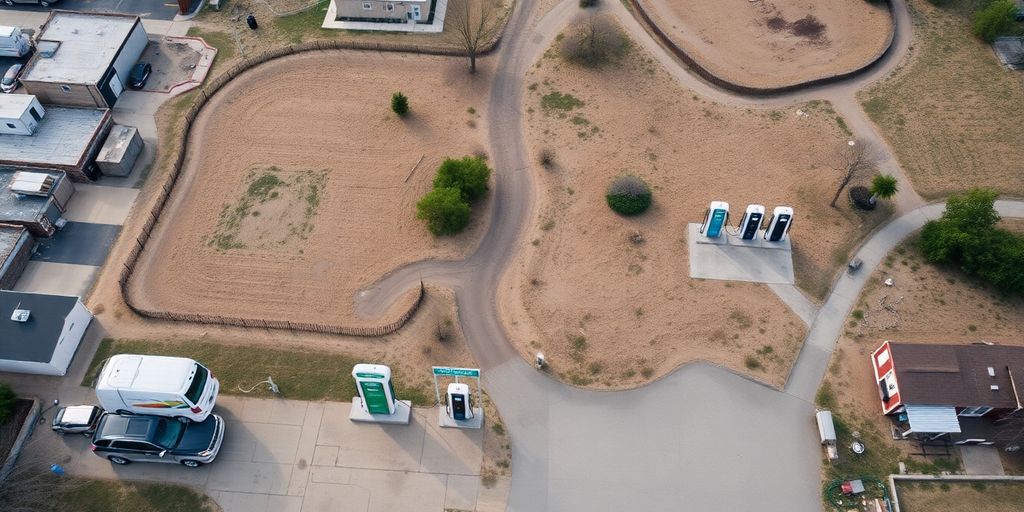
It’s pretty obvious that the spread of EV charging stations isn’t uniform across the U.S. Some regions are way ahead, while others are lagging. This uneven distribution is influenced by a mix of factors, including state policies, consumer demand, and even the local geography and climate.
Northeast vs. West Coast Charging Networks
The Northeast and West Coast are generally leading the charge (pun intended!). States like California and New York have invested heavily in EV infrastructure, resulting in dense charging networks. You’ll find a lot more public charging options in these areas compared to other parts of the country. The West Coast, especially, benefits from California’s dominance, with its high number of EV charging stations. The Northeast is also seeing growth, driven by a combination of state incentives and a higher population density, which makes building out infrastructure more feasible. It’s easier to find apartment buildings with EV charging in these regions.
Midwest Infrastructure Challenges
The Midwest faces some unique challenges. Lower population densities in many areas mean there’s less demand for EVs, which in turn makes it harder to justify the investment in charging infrastructure. Plus, the climate can be a factor; harsh winters can impact EV battery performance, potentially discouraging adoption. States like North Dakota and South Dakota have fewer charging stations compared to the coastal states. It’s a bit of a chicken-and-egg situation: fewer chargers mean fewer people are willing to buy EVs, and fewer EVs mean less incentive to build chargers.
Southern States and EV Adoption Rates
The South is a mixed bag. States like Florida and Texas are emerging as significant EV markets, with a growing number of charging stations. This growth is driven by increasing consumer demand and, in some cases, state-level initiatives. However, other Southern states are lagging behind, often due to less supportive policies and lower EV adoption rates. It really depends on the specific state and its approach to clean energy and transportation. The potential for job creation with EV charging is there, but it needs the right support to take off.
Impact of Federal and State Policies
Incentives for EV Adoption
State and federal policies are really shaping the EV charging landscape. States that push for clean energy and offer incentives, like California and Oregon, tend to have way more charging stations. California’s Clean Transportation Program, for example, gives out grants to build EV charging stations in areas that need them. Oregon also has rebates and investments to boost its charging infrastructure. On the flip side, states that are more focused on fossil fuels, like North Dakota and South Dakota, are lagging behind in both EV adoption and charging stations.
Funding for Charging Infrastructure
The federal government is also throwing its hat in the ring with big investments. For instance, the Federal Highway Administration (FHWA) is putting money into community projects to build charging stations near schools, parks, and libraries. They’re also funding corridor projects to fill gaps in the national EV charging network along highways. This funding is split into two main categories:
- Community Projects: $311 million allocated to 36 projects, focusing on urban and rural areas, especially disadvantaged communities.
- Corridor Projects: $312 million for 11 projects along Alternative Fuel Corridors, aimed at building infrastructure along busy highways.
Regulatory Frameworks Supporting Growth
Regulatory frameworks play a crucial role in supporting the growth of EV charging infrastructure. States with clear regulations and streamlined permitting processes often see faster deployment of charging stations. These frameworks can address issues like pricing, accessibility, and grid integration, making it easier for businesses and individuals to invest in and use EV charging infrastructure. For example, states are working on standardizing charging protocols and ensuring that charging stations are accessible to all EV drivers, regardless of the network they subscribe to. You can find more information about EV charging stations at the AMPPAL Exhibition Center.
Wrapping It Up
So, there you have it. The number of EV charging stations varies a lot across the U.S. Some states, like California and Texas, are really leading the charge with tons of stations, while others are lagging behind. It’s clear that state policies and consumer demand play a huge role in this. If we want to see more electric vehicles on the road, we need to keep pushing for better charging infrastructure everywhere. Without it, the shift to electric cars could hit some serious roadblocks. Let’s hope for more growth in the coming years!
Frequently Asked Questions
How many EV charging stations are there in the US?
As of 2024, there are 64,187 EV charging stations across the United States, which shows how fast the charging network is growing to support more electric vehicles.
Do all states have EV charging stations?
Yes, every state has EV charging stations, but they are not evenly spread out. For example, California has many stations, while states like Mississippi have very few.
Which states have the most charging stations?
The top five states with the most EV charging stations are California, Texas, Florida, New York, and Washington.
What factors affect the number of charging stations?
The number of charging stations in a state can depend on state laws, how many people want to buy electric cars, and the geography of the area.
What is the best state for EV-to-charger ratios?
Wyoming has the best EV-to-charger ratio, meaning there are fewer electric vehicles for each charging station, which helps in planning for future growth.
How is the growth of charging stations expected to change by 2030?
By 2030, the number of EV charging stations is expected to keep increasing as more people buy electric cars and states invest in better charging infrastructure.
