


Electric cars are becoming a regular sight on the roads, and with that, more people are expecting EV charging options where they live. Apartment complexes are feeling the pressure to keep up. Some are managing to install chargers to meet tenant demands, but it hasn’t been easy. From high costs to figuring out the tech, it’s a real challenge. Let’s dive into how many apartment complexes have dealt with EV charging and what they’ve learned along the way.
Key Takeaways
- Apartment complexes are seeing a growing demand for EV charging as more people switch to electric cars.
- The cost of installing and upgrading electrical systems for EV chargers is a major hurdle.
- Many properties are turning to shared charging setups or load management tech to save money.
- Offering EV charging can attract tenants, increase property value, and show a commitment to green living.
- Planning for future EV growth now can help properties avoid higher costs later.
The Growing Demand for EV Charging in Apartment Complexes
Why EV Charging is Becoming Essential for Renters
Electric vehicles (EVs) are no longer a niche market; they’re becoming a common sight on the road. For renters, the ability to charge their EVs at home is quickly shifting from a "nice-to-have" to a "must-have." Many renters view EV charging as an essential amenity, just like Wi-Fi or laundry facilities. Without access to charging stations, apartment complexes risk losing tenants to properties that offer this convenience. As EV adoption grows, so does the expectation for accessible and reliable charging options.
Statistics on EV Adoption and Its Impact on Housing
The numbers don’t lie—EV adoption is skyrocketing:
| Metric | Statistic |
|---|---|
| EV sales growth (2021-2022) | 67% increase |
| Projected EV market share (2030) | 49% of all U.S. auto sales |
| Percentage of EV charging done at home | 80% |
With nearly half of all new cars expected to be electric by 2030, the demand for home charging solutions will only intensify. For multifamily properties, this means adapting now to stay competitive in the rental market.
Challenges Faced by Apartment Complexes Without EV Charging
Apartment complexes that lack EV charging infrastructure face several challenges:
- Tenant Dissatisfaction: EV drivers are less likely to rent in buildings without charging stations, leading to higher tenant turnover.
- Decreased Property Appeal: Properties without EV amenities may struggle to attract new tenants, especially as more people switch to electric vehicles.
- Regulatory Pressure: In some areas, local laws are beginning to mandate EV readiness in new and existing buildings, further complicating the issue for unprepared property owners.
Ignoring the growing demand for EV charging isn’t just inconvenient—it could be a costly mistake in the long run. Forward-thinking apartment complexes are already making moves to adapt, ensuring they remain attractive and viable in an increasingly electrified world.
Key Challenges in Implementing EV Charging Infrastructure
High Costs of Installation and Upgrades
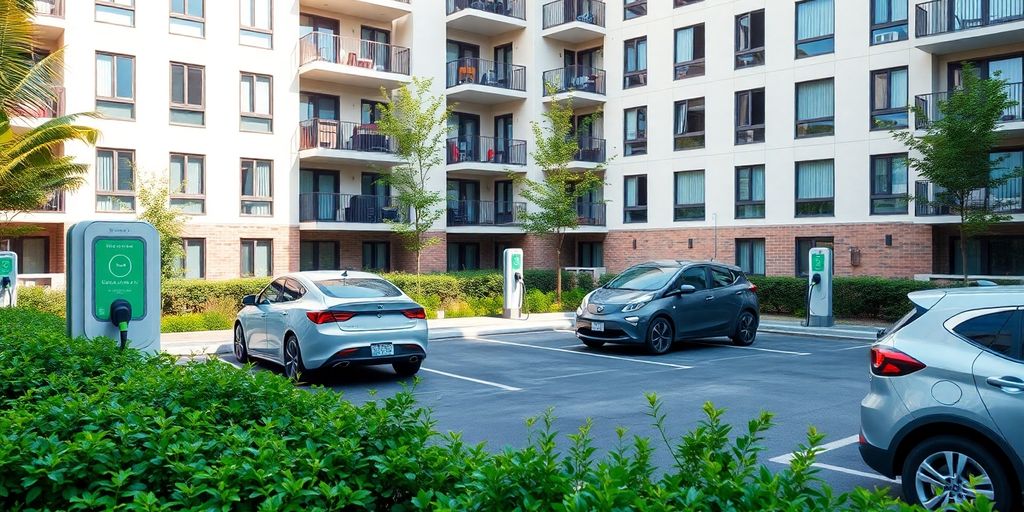
Installing EV charging stations in apartment complexes can be a pricey endeavor. The costs often go beyond just buying and installing the chargers. Many older buildings need significant electrical upgrades, such as replacing panels or increasing grid capacity, which can add tens of thousands of dollars to the bill. Additionally, there’s the cost of labor, permits, and potential parking lot modifications. For property owners, this initial financial hurdle can be daunting, especially without access to incentives or grants.
Technical Issues and Maintenance Concerns
Keeping EV chargers running smoothly isn’t as simple as plugging them in. Technical issues like software glitches, connectivity problems, or wear and tear on charging cables can create headaches. Regular maintenance is essential but can be costly and time-consuming. Property managers also face challenges in finding reliable service providers to address issues quickly, ensuring minimal downtime for tenants relying on the chargers.
Navigating Regulatory and Compliance Requirements
The legal landscape surrounding EV charging is constantly changing, and compliance can be a tricky maze to navigate. Some jurisdictions require a certain percentage of parking spaces to be EV-ready, while others enforce accessibility standards under the ADA. Building owners must also stay updated on local codes, permits, and utility requirements. Falling short of these regulations can lead to fines or delays, making it critical to stay informed and plan accordingly.
Innovative Solutions for Affordable EV Charging
The Role of Load Management Technology
One of the smartest ways to make EV charging more affordable for apartment complexes is by using load management technology. This tech helps spread the available electrical power across multiple EV chargers without needing costly electrical upgrades. Normally, each EV charger would require its own 40-amp circuit, which can be expensive and impractical for older buildings. Load management allows several chargers to share the same circuit, balancing the power so all vehicles can charge efficiently, even during peak hours.
For example, if four cars are plugged into chargers on a shared circuit, the software ensures each gets a fair amount of power based on demand. This setup works especially well for overnight charging since most EVs don’t need to charge at full speed all the time. It’s a win-win: tenants get reliable charging, and property owners save thousands in upgrade costs.
Shared vs. Private Charging Models
When it comes to EV charging, apartment complexes have two main options: shared or private chargers. Shared chargers are communal and can be used by multiple tenants, often on a first-come, first-served basis. This model is cost-effective because fewer chargers are needed overall, reducing installation and maintenance expenses. However, it may require a reservation system to avoid conflicts.
Private chargers, on the other hand, are assigned to specific tenants and are typically installed in their designated parking spots. While this offers convenience and exclusivity, it’s more expensive to implement and may not be feasible for every property. Many complexes are finding a middle ground by starting with shared chargers and expanding to private options as demand grows.
Leveraging Incentives and Tax Credits
Government incentives and tax credits can significantly reduce the financial burden of installing EV chargers. Many local and federal programs offer rebates for both hardware and installation costs. For instance, some states provide grants that cover up to 50% of the installation expenses, while federal tax credits can offset a portion of the equipment costs.
To take full advantage of these benefits, property owners should:
- Research available programs in their area.
- Work with experienced contractors who are familiar with incentive requirements.
- Keep detailed records of all expenses to ensure compliance and maximize reimbursements.
By combining these incentives with cost-saving technologies like load management, apartment complexes can make EV charging more accessible and budget-friendly for both tenants and property owners.
Benefits of Adding EV Charging Stations to Apartment Complexes
Attracting and Retaining Tenants
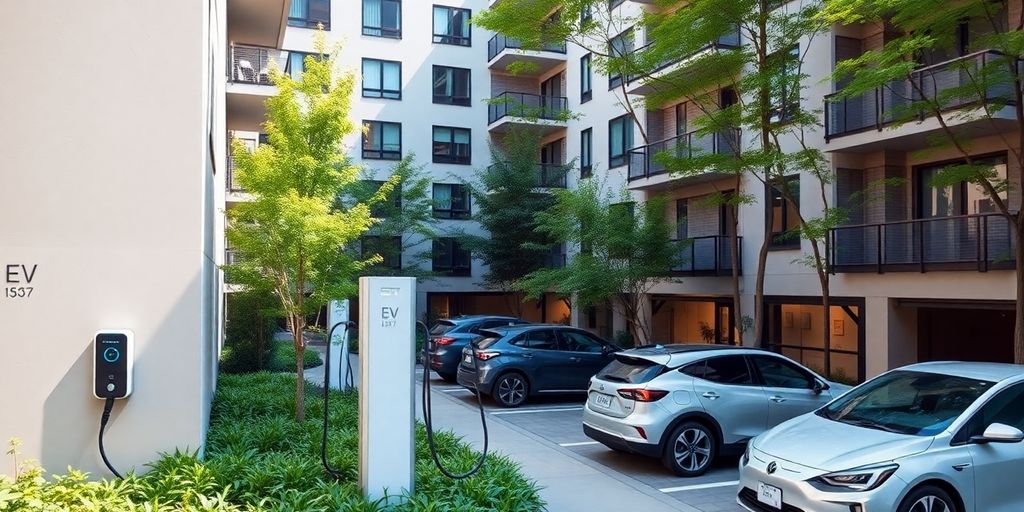
Adding EV charging stations can make your property a magnet for tenants. As electric vehicles become more common, renters are actively seeking homes where they can conveniently charge their cars. By offering this amenity, you’re not just meeting current demand but staying ahead of the curve. Many renters will choose a property with charging stations over one without, even if other features are comparable. Plus, once tenants settle in and rely on your charging setup, they’re less likely to move out.
Enhancing Property Value and Marketability
EV charging stations are more than just a perk; they’re an investment. Properties equipped with this infrastructure often see a bump in market value. If you ever decide to sell, having EV chargers installed can make your property stand out to buyers who understand the growing demand for such amenities. And let’s not forget—it’s easier to market a property with cutting-edge features like EV charging. You’re showcasing that your complex is future-ready and appealing to a tech-savvy audience.
Promoting Sustainability and Green Living
For many renters, sustainability isn’t just a buzzword; it’s a priority. By installing EV chargers, you’re signaling that your property cares about reducing its carbon footprint. This can help you attract tenants who value green living and want to align their lifestyle with eco-friendly practices. Beyond tenant appeal, you’ll also contribute to broader environmental goals, which is something you can take pride in as a property owner or manager.
Future-Proofing Apartment Complexes for EV Growth
Planning for Increased EV Adoption
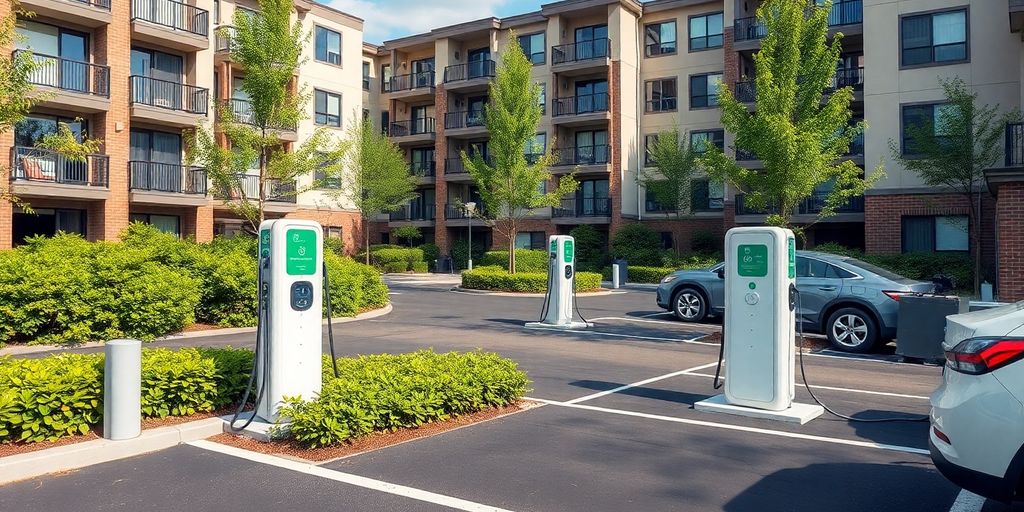
Electric vehicles (EVs) are no longer a niche market. With nearly half of all new car sales projected to be EVs by 2030, apartment complexes need to prepare for a surge in demand for charging stations. Ignoring this trend could leave properties struggling to attract and retain tenants. To stay ahead, property managers should:
- Assess the current electrical capacity of their buildings.
- Identify optimal locations for future EV charging stations.
- Develop a phased plan for installation to align with tenant demand.
By taking these steps now, properties can save on expensive retrofits later.
Integrating Renewable Energy with EV Charging
Combining EV charging with renewable energy sources, like solar panels, can be a game-changer. Solar panels can help offset electricity costs, especially during peak charging times. Pairing them with battery storage systems can also provide backup power and reduce reliance on the grid. Here’s how apartment complexes can integrate renewables:
- Install solar panels on rooftops or parking structures.
- Use battery storage to capture excess energy for nighttime charging.
- Monitor energy usage with smart panels to optimize efficiency.
This approach not only helps with energy costs but also appeals to eco-conscious renters.
Scalability of EV Charging Infrastructure
It’s not enough to just install a few chargers and call it a day. EV adoption is only going to grow, and properties need infrastructure that can scale. Load management technology is key here. Instead of upgrading the entire electrical system, load management allows multiple chargers to share a single circuit, reducing upfront costs. To future-proof effectively:
- Choose chargers that support software updates for future compatibility.
- Work with contractors who specialize in scalable EV solutions.
- Plan for additional chargers as EV ownership among tenants increases.
By focusing on scalability, apartment complexes can avoid the financial and logistical headaches of constant upgrades while meeting tenant needs for years to come.
Best Practices for Managing EV Charging in Multifamily Properties
Conducting Tenant Surveys to Assess Demand
Before diving into installing EV chargers, take a step back and talk to your tenants. A quick survey can go a long way in helping you figure out how many EV owners are already in your building and how many are planning to buy an electric car soon. Knowing this upfront can help you avoid overspending on chargers that won’t get used or, worse, underestimating the demand and leaving people frustrated. It’s better to plan with real numbers than to guess.
Some questions to include in your survey:
- Do you currently own an electric vehicle?
- Are you considering purchasing an EV in the next 1-3 years?
- Would you prefer shared charging stations or a private charger for your parking space?
Setting Up Fair Billing and Payment Systems
Once the chargers are in place, figuring out how to charge for their use is key. Tenants are unlikely to pay a steep markup on electricity, so keep things fair. A good rule of thumb? Charge tenants the actual electricity cost plus a small fee to help cover installation and maintenance. For example, adding $0.25/hour on top of the electricity rate is a common approach.
Options for billing systems include:
- Direct billing through a mobile app.
- Adding the cost to monthly rent statements.
- Setting up prepaid RFID cards for easy access.
The goal here is to keep the billing simple and transparent so tenants don’t feel nickel-and-dimed.
Ensuring Reliable Maintenance and Support
Installing chargers is just the beginning. To keep them running smoothly, you’ll need a plan for regular maintenance. Partnering with an experienced contractor who knows EV chargers inside and out can save you headaches down the road. They’ll be able to handle repairs quickly and may even offer a maintenance package to keep things running efficiently.
Key maintenance tips:
- Schedule routine system checks.
- Keep software updated for chargers with smart features.
- Have a clear process for tenants to report issues.
By staying on top of maintenance, you’ll avoid downtime and keep your tenants happy.
The Competitive Advantage of Early EV Charging Adoption
Standing Out in the Rental Market
Adding EV charging stations early on can set your property apart in a crowded rental market. Renters today are increasingly prioritizing sustainability and convenience, and having EV chargers onsite ticks both boxes. Properties equipped with EV charging are more appealing to environmentally conscious tenants and those who already own or plan to purchase electric vehicles. In fact, renters may even be willing to pay a premium for this amenity, as it saves them the hassle of finding public charging stations. Early adopters can establish themselves as forward-thinking and tenant-focused, making their properties more desirable.
Long-Term Cost Savings and ROI
Installing EV charging infrastructure might seem like a big expense upfront, but it can lead to significant savings over time. By acting early, property owners can take advantage of available tax credits, grants, and utility incentives that help offset installation costs. Additionally, early installations often avoid the higher costs of retrofitting later when demand spikes. Over time, the ability to attract tenants willing to pay higher rent for EV-friendly amenities can provide a solid return on investment. Plus, properties with EV charging are likely to see lower vacancy rates, reducing the ongoing costs of tenant turnover.
Preparing for a Regulatory-Driven Future
As governments push for greater EV adoption, regulations requiring EV charging infrastructure in multifamily properties are becoming more common. By installing chargers now, property owners can stay ahead of these mandates and avoid potential fines or rushed, costly installations in the future. Early adoption also allows owners to plan their infrastructure in a scalable way, ensuring they can meet future demand without major disruptions. Preparing today means fewer headaches tomorrow.
Conclusion
In the end, apartment complexes are finding their way through the challenges of EV charging, but it’s not without its bumps. From figuring out how many chargers to install to dealing with outdated electrical systems, it’s been a learning curve. Still, the push for sustainability and the growing demand from tenants make it clear that EV charging is becoming less of a luxury and more of a necessity. Whether through shared chargers, private setups, or smart load management, the solutions are out there. It’s just a matter of adapting to the times and making it work for both residents and property owners alike.
Frequently Asked Questions
Why is EV charging becoming important for apartment complexes?
As more people buy electric vehicles (EVs), they need a place to charge them, especially at home. Apartment complexes without charging stations may struggle to attract or keep tenants who own EVs.
What are the main challenges of adding EV chargers to apartment buildings?
The biggest challenges include high installation costs, dealing with older electrical systems, and ensuring compliance with local rules and regulations.
How can apartment complexes make EV charging more affordable?
Using load management technology, applying for tax credits or incentives, and considering shared charging stations instead of private ones can help reduce costs.
What are the benefits of having EV charging stations in apartment complexes?
EV charging stations can attract new tenants, increase property value, and show a commitment to sustainability, which is important to many renters.
How can apartment complexes plan for the future of EV adoption?
They can install scalable charging systems and consider integrating renewable energy sources like solar panels to meet future demand.
What’s the best way to manage billing for EV charging in apartments?
Apartment managers can set up systems where tenants pay for the electricity they use, often with a small additional fee to cover maintenance and installation costs.
