


Charging an electric vehicle (EV) can seem tricky at first, especially when you’re trying to figure out how the costs stack up. With so many factors at play, it’s essential to understand what influences the price you pay to keep your car running. This guide breaks down how does the charging price for EV calculated, so you can be more informed about your expenses.
Key Takeaways
- Charging costs vary by region and charging method.
- Home charging is generally cheaper than public charging.
- Electricity rates fluctuate, impacting overall charging expenses.
- Battery capacity plays a significant role in determining charging costs.
- Understanding local incentives can help reduce charging expenses.
Understanding EV Charging Costs
Factors Influencing Charging Prices
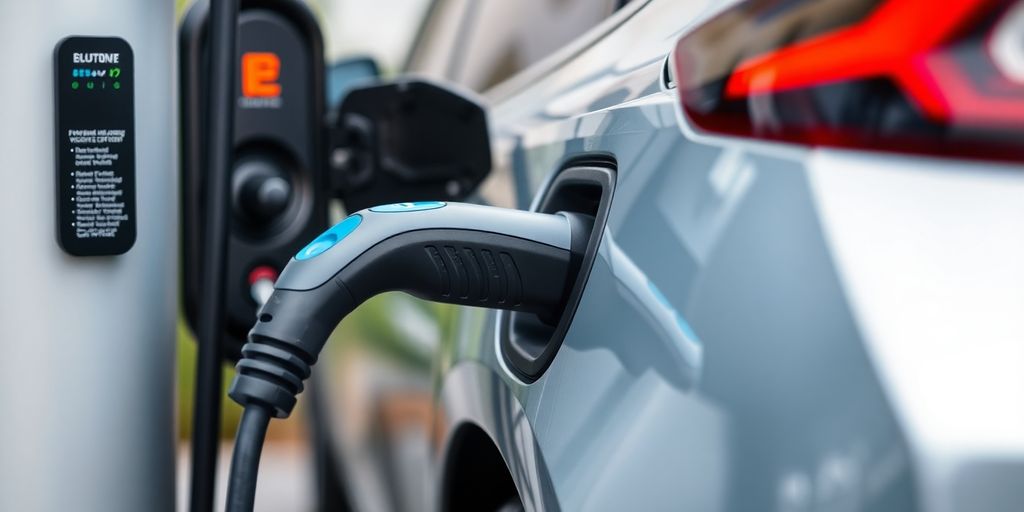
So, you’re thinking about getting an EV, huh? One of the first things everyone wonders about is how much it costs to charge one of these things. It’s not as simple as just plugging it in and hoping for the best. Several things affect the price you pay to keep your electric car running. For starters, the time of day matters. Many utility companies offer cheaper rates during off-peak hours, like late at night or early in the morning. If you can schedule your charging then, you’ll save some money. Also, the type of charger you use plays a big role. A Level 1 charger, which you can plug into a regular wall outlet, is the slowest and usually the cheapest. Level 2 chargers, which you often install at home, are faster but require a bit more juice and might cost more per hour. Then there are the DC fast chargers you find at public charging stations; these are the speed demons, but they also come with a higher price tag. Don’t forget about demand charges either, especially if you’re a business owner. These charges are based on your highest electricity usage during a billing cycle, so if you have multiple EVs charging at once, it can really add up. Understanding these factors is the first step in figuring out your EV charging costs.
Average Costs Across Different Regions
Where you live can seriously impact how much you pay to charge your EV. Electricity rates vary quite a bit from state to state, and even within the same state, different utility companies can have different pricing structures. For example, states with abundant renewable energy sources might have lower rates overall. Urban areas might have more competitive pricing due to a higher concentration of charging stations, while rural areas might see higher prices because of less infrastructure. It’s a good idea to check your local utility company’s website to see their current rates and any special EV charging programs they offer. Some regions also have incentives or rebates for installing home charging stations, which can help offset the initial cost. Keep in mind that public charging prices can also vary widely depending on the network and location. Here’s a quick look at how regional differences can play out:
| Region | Average Electricity Rate (per kWh) | Public Charging Cost (per kWh) |
|---|---|---|
| Pacific Coast | $0.30 | $0.45 |
| Northeast | $0.28 | $0.42 |
| Midwest | $0.20 | $0.35 |
| Southeast | $0.18 | $0.38 |
Comparing Home and Public Charging Rates
Choosing between charging at home and using public charging stations is a big decision that affects your wallet. Home charging is generally cheaper, especially if you can take advantage of off-peak electricity rates. You’ll also need to factor in the cost of installing a Level 2 charger, which can range from a few hundred to a few thousand dollars, including the unit itself and the installation. Public charging, on the other hand, offers convenience when you’re on the go, but it usually comes at a premium. DC fast chargers are the most expensive, but they can add a significant amount of range in a short amount of time. Level 2 public chargers are typically cheaper but take longer. Some public charging networks offer subscription plans that can lower the per-kWh cost, but you’ll need to weigh the monthly fee against your actual usage. Ultimately, the best option depends on your driving habits, access to home charging, and how much you value convenience. It’s worth doing a little math to see which approach makes the most sense for your situation. Don’t forget to look into discounts on EV charging to save even more money.
Calculating Charging Costs
Battery Capacity and Its Impact
Okay, so you’re trying to figure out how much it really costs to charge your EV, right? The first thing you gotta know is your car’s battery capacity. Think of it like the size of your gas tank, but for electricity. The bigger the battery (measured in kWh – kilowatt-hours), the more electricity it can hold, and the further you can drive on a single charge.
For example, a smaller EV might have a 40 kWh battery, while a larger one could have 75 kWh or more. This number is important because it directly affects how much you’ll pay to fill ‘er up. You can usually find this info in your car’s manual or on the manufacturer’s website. Knowing your battery size is the first step to understanding your charging costs.
Electricity Rates and Their Variability
Next up: electricity rates. This is where things can get a little tricky because the price of electricity varies a lot. It depends on where you live, the time of day, and even the season. Utility companies often charge different rates based on demand. For example, state-specific electricity rates can vary wildly.
- Time-of-Use (TOU) Rates: Some companies offer lower rates during off-peak hours (like late at night) and higher rates during peak hours (like when everyone’s home from work and cranking up the AC).
- Fixed Rates: Others offer a fixed rate, meaning you pay the same price per kWh no matter when you charge.
- Location Matters: Electricity is cheaper in some states than others. Check your local utility company’s website for the most accurate information. You can also look into discounts for EV charging to save money.
To get a handle on your electricity costs, check your latest bill or visit your utility company’s website. They should list the price you pay per kWh. Keep in mind that this price can change, so it’s a good idea to check periodically.
Using the Charging Cost Formula
Alright, now for the fun part: the formula! It’s actually pretty simple:
Charging Cost = Battery Capacity (kWh) x Electricity Rate ($/kWh)
Let’s say you have a 60 kWh battery and your electricity rate is $0.15 per kWh. The cost to fully charge your battery would be:
60 kWh x $0.15/kWh = $9.00
So, it would cost you $9 to fully charge your EV from empty. Of course, you probably won’t be charging from empty every time, so you can adjust the formula based on how much you need to charge. For example, if you only need to add 30 kWh to your battery, the cost would be:
30 kWh x $0.15/kWh = $4.50
This formula gives you a good estimate of how much you’re spending on electricity to power your EV. Remember to factor in those variable electricity rates for a more accurate picture! You can also use online calculators to help you figure out the cost, but it’s good to understand the basic math behind it. This way, you can better understand the cost to charge an electric car and plan your charging habits accordingly.
Home Charging Considerations
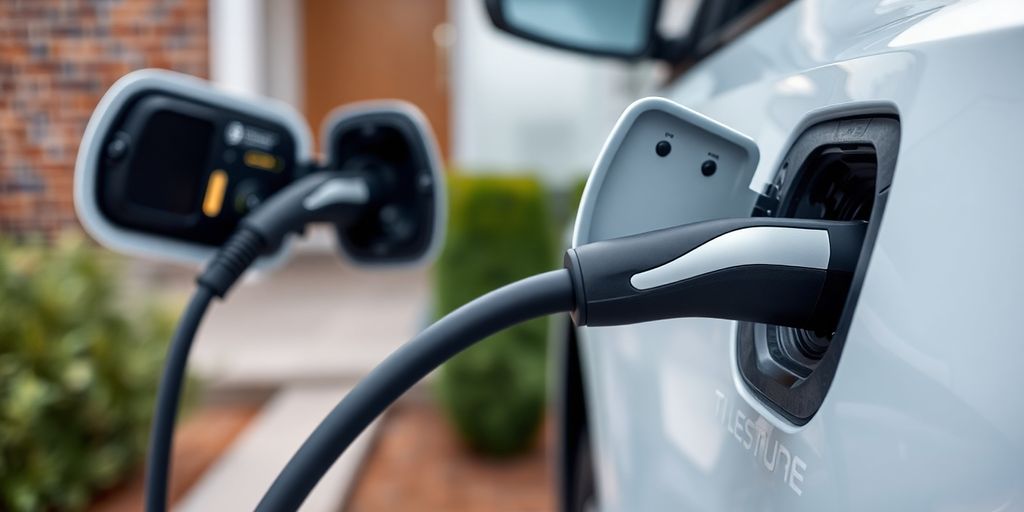
Okay, so you’re thinking about charging your EV at home? Smart move! It’s often way more convenient than hunting down a public charger. But there are a few things to keep in mind before you plug in. Let’s break it down.
Installation Costs of Charging Stations
First things first: the charger itself. You’ve got options, from a basic Level 1 charger (which is basically just plugging into a regular outlet) to a Level 2 charger, which needs professional installation. Level 2 chargers are faster, but they’ll cost you more upfront.
Here’s a rough idea of what you might be looking at:
| Item | Estimated Cost | Notes The content discusses the importance of building electric vehicle (EV) charging stations, how to locate them, potential discounts for home charging, the number of stations available by state, and the costs associated with installing an EV charging station.
Utility Company Rates
Your electricity rate plays a HUGE role. It’s not just about the charger; it’s about how much your utility company charges per kilowatt-hour (kWh). These rates can vary wildly depending on where you live and even the time of day. Some companies offer time-of-use rates, meaning it’s cheaper to charge your car during off-peak hours (like overnight). Check with your local utility company to see what options are available. You might be able to save a bundle by charging smart. Also, equipment costs can affect EV charging costs.
Estimating Monthly Charging Expenses
Alright, let’s get down to brass tacks. How much is this actually going to cost you each month? To figure that out, you’ll need a few pieces of information:
- Your car’s energy consumption: This is usually expressed in kWh per 100 miles. You can find this in your car’s manual or online. It’s like MPG, but for electricity.
- Your average monthly mileage: How many miles do you typically drive in a month? Be realistic here.
- Your electricity rate: What does your utility company charge per kWh? Don’t forget to factor in any time-of-use discounts.
Once you have those numbers, you can use a simple formula to estimate your monthly charging costs. It’s not rocket science, but it’ll give you a good idea of what to expect. And remember, building electric vehicle (EV) charging stations is becoming more and more important, so investing in home charging now could pay off big time in the long run.
Public Charging Options
Types of Public Charging Stations
When you’re out and about, you’ll find a few different kinds of public charging stations. They’re usually categorized by their charging speed, which directly impacts how long you’ll be plugged in.
- Level 1 chargers are the slowest. Think of them as trickle chargers. They’re good for overnight at home, but not ideal when you’re on the go. You probably won’t see these at public stations.
- Level 2 chargers are more common. These can add a decent amount of range per hour, making them suitable for topping off while you shop or eat. You’ll find these at workplaces, shopping centers, and some public parking lots.
- DC Fast Chargers (Level 3) are the speed demons. These can add significant range in a short amount of time, perfect for road trips. They’re usually found along major highways and at dedicated charging plazas. Keep in mind that not all EVs can handle the fastest DC charging speeds, so check your car’s specs. Also, remember that public charging rates might vary depending on the time of day.
Cost Structures at Commercial Chargers
Navigating the cost of public charging can feel a bit like deciphering a secret code. There are a few different ways charging networks bill you, and it pays to understand them. Some public charging stations might be free if a business has chargers that customers or employees can use.
- Per-kWh (kilowatt-hour): This is the most straightforward method. You pay for the amount of electricity you use, similar to how you pay for electricity at home. The rate can vary depending on the location, time of day, and charging speed.
- Per-minute: Some chargers bill by the minute, which can be tricky. If your car charges slowly, you might end up paying more than if you were billed per kWh. This model is becoming less common, but it’s still out there.
- Session fee: Some networks charge a flat fee for each charging session, regardless of how much electricity you use. This can be a good deal for quick top-offs, but not so great for longer charging sessions.
- Subscription models: Some charging networks offer lower prices for a monthly fee. EVgo is one example. If you use public chargers frequently, a subscription can save you money.
Duration-Based vs. kWh Fees
Deciding whether to pay based on duration or kWh can be confusing. Here’s a breakdown to help you make the best choice. kWh-based fees are generally more transparent and fair, as you’re only paying for the energy you consume. However, duration-based fees can sometimes be cheaper if your car charges slowly or if the charger’s kWh rate is high.
Consider these points:
- Charging speed: If your car can charge quickly, kWh-based fees are usually better. If your car charges slowly, duration-based fees might be more economical.
- Charger location: Some locations have higher electricity rates than others. Compare the kWh rates at different charging stations before plugging in.
- Time of day: Some charging networks have peak and off-peak rates. Charging during off-peak hours can save you money. Also, remember that state investment in charging infrastructure can affect pricing.
Ultimately, the best way to save money on public charging is to do your research, compare prices, and choose the charging option that best suits your needs and your car’s capabilities.
Estimating Monthly Charging Expenses
Average Miles Driven Per Month
Okay, so let’s figure out how much it’ll actually cost you to keep your EV running each month. First up, how many miles are you clocking? Most people don’t drive the same amount every month, but you can get a decent idea by looking back at your odometer readings or using an app that tracks your mileage. Knowing your average monthly mileage is the first step in estimating your charging costs.
Energy Consumption in kWh/100 Miles
Next, you gotta know how efficient your EV is. This isn’t about MPG like with gas cars; instead, it’s about kilowatt-hours (kWh) per 100 miles. Check your car’s specs or look it up online. It’ll tell you how much energy your car uses to travel that distance. This number can change based on how you drive, the weather, and if you’re hauling a bunch of stuff. For example, a Tesla Model 3 might use around 25-30 kWh per 100 miles, but a bigger SUV EV could use more. Understanding your EV’s efficiency is key.
Calculating Total Monthly Costs
Alright, time for some math! Here’s the breakdown:
- Figure out your total kWh needed per month: (Miles Driven / 100) * (kWh/100 Miles)
- Find out your electricity rate. Check your utility company rates bill or look it up online. Rates change, so make sure you’re using the most current one.
- Multiply the total kWh by your electricity rate. That’s your estimated monthly charging cost!
Let’s say you drive 1,000 miles a month, your car uses 30 kWh per 100 miles, and your electricity rate is $0.15 per kWh:
(1000 / 100) * 30 = 300 kWh
300 kWh * $0.15 = $45
So, your estimated monthly charging cost would be $45. Keep in mind this is just an estimate, but it gives you a good starting point.
Regional Variations in Charging Prices
State-Specific Electricity Rates
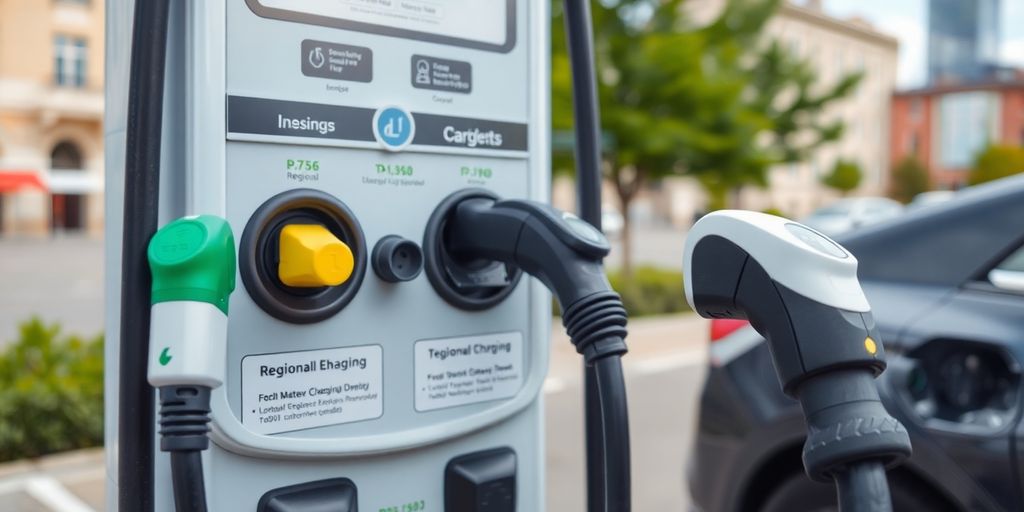
Okay, so electricity isn’t priced the same everywhere. Shocker, right? The cost to charge your EV can swing wildly depending on which state you’re in. For example, you might find super cheap electricity in a place like North Dakota, maybe under 10 cents per kWh. But then you hop over to Connecticut, and BAM, you’re paying over 30 cents per kWh. That difference adds up, especially if you’re doing a lot of charging. It’s just like gas prices, really – always changing depending on location.
Urban vs. Rural Charging Costs
It’s not just state lines that matter; where you are within a state can also affect charging costs. Generally, you’ll find that urban areas have more public charging stations, but they might also be pricier due to higher demand and overhead. Rural areas might have fewer options, potentially leading to higher prices if those stations are trying to recoup costs. Plus, the electricity itself might cost more to deliver to remote locations. Think about it – it’s the same reason why groceries are sometimes more expensive in small towns. Here’s a quick rundown:
- Urban Areas: More stations, potentially higher prices, more competition.
- Rural Areas: Fewer stations, potentially higher prices, less competition.
- Suburban Areas: A mix of both, prices vary.
Impact of Local Incentives
Don’t forget about incentives! Lots of states, cities, and even utility companies offer discounts for charging or rebates to encourage EV adoption. These can seriously cut down on your charging expenses. For example, some states offer lower electricity rates during off-peak hours, which is great if you can charge your car overnight. Others might have direct rebates on the purchase of a home charging station. Always check what’s available in your area – it could save you a bundle. State investment in EV infrastructure can also play a big role in making charging more affordable.
Future Trends in EV Charging Costs
Advancements in Charging Technology
We’re on the cusp of some pretty cool changes in how we charge our EVs. Think about it: faster charging speeds are already becoming more common. Companies are working hard on extreme fast charging (XFC) tech that could add significant range in just minutes. We’re also seeing improvements in wireless charging, which could make plugging in a thing of the past. Battery tech is evolving too, with higher energy density batteries meaning less frequent charging. It’s an exciting time to watch these developments unfold. For example, the latest updates from AMPPAL highlight the growing intersection of EV charging and everyday battery technology.
Potential Changes in Electricity Pricing
Electricity pricing is a big factor in how much we pay to charge our EVs, and that’s likely to change. More and more utility companies are exploring time-of-use rates, which means charging during off-peak hours could save you a lot of money. Smart grids are also becoming more sophisticated, allowing for better management of electricity demand and potentially lower prices overall. Plus, with the growth of renewable energy sources like solar and wind, we might see even more variability in electricity prices, creating opportunities for savvy EV owners to save. EV drivers have two options: home charging and public charging.
Government Policies and Their Effects
Government policies play a huge role in shaping the future of EV charging costs. Tax credits and rebates can make EVs more affordable, boosting demand and potentially driving down charging costs. Regulations around charging infrastructure, like mandating the installation of charging stations in new buildings, can also increase access and competition. Plus, government investments in research and development can accelerate the development of new charging technologies and lower their costs. It’s a complex landscape, but one that’s definitely worth keeping an eye on. The cost of electric vehicles will continue to decrease.
Wrapping It Up
So, figuring out how much it costs to charge your electric vehicle isn’t rocket science. You just need to know a few key things: the battery size of your EV, the local electricity rates, and where you’ll be charging. Once you have that info, you can do some simple math to get a good idea of your charging costs. Whether you’re charging at home or using a public station, costs can vary quite a bit. But with a little research, you can keep your expenses in check and enjoy the benefits of driving electric.
Frequently Asked Questions
What factors affect the cost of charging an electric vehicle (EV)?
The cost of charging an EV can depend on where you charge it, the price of electricity in your area, and the size of your car’s battery.
How much does it typically cost to charge an EV?
Charging an EV can cost anywhere from about $2.30 to $31.00 for every 100 miles, depending on various factors.
Is it cheaper to charge at home or at public charging stations?
Generally, charging at home is cheaper than using public charging stations, but it can vary based on local electricity rates.
How do I calculate the cost to fully charge my EV?
To find out how much it costs to fully charge your EV, multiply your car’s battery capacity in kilowatt-hours (kWh) by the electricity rate you pay.
What is the average electricity rate for charging an EV in the U.S.?
The average electricity rate in the U.S. is about 18 cents per kWh, but this can vary by state.
Are there any incentives for charging EVs?
Yes, many states offer tax credits or rebates for EV owners, which can help lower the overall cost of charging.
