


Thinking about how do I start my EV charging station business? It’s a big question, but a good one to ask right now. Electric cars are everywhere these days, and more people are buying them all the time. That means more people need places to charge up their rides. This article will walk you through the basics of getting your own EV charging business going, from figuring out what kind of business you want to run to making sure everything is set up right.
Key Takeaways
- Figure out what kind of EV charging business you want to run; there are different ways to make money in this space.
- Picking the right spot for your chargers is super important for how well your business will do.
- You’ll need to get permits and make sure your equipment is good to go before you can open.
- Know how much money you’ll need to start and run things, and how long it might take to see a profit.
- Keep your chargers working well and your customers happy to make sure your business keeps growing.
Understanding Your EV Charging Business
Defining an EV Charging Station Business
So, you’re thinking about getting into the EV charging game? Awesome! First, let’s nail down what an EV charging station business actually is. It’s more than just sticking a charger somewhere and hoping people show up. It’s about providing a service that meets the growing demand for EV charging infrastructure. You’re essentially becoming part of the solution to range anxiety and helping to accelerate EV adoption. You could be setting up public charging points, offering charging solutions to businesses, or even focusing on residential installations. The key is understanding the needs of EV drivers in your area and figuring out how you can best serve them. Think of it like this: you’re not just selling electricity; you’re selling convenience and peace of mind.
Exploring Business Model Options
Okay, so you know what the business is, but how do you make money? There are a few different ways to structure your EV charging business. Here are some common models:
- Owner-Operator: You own and run the charging stations yourself, setting your own prices and keeping all the profits (after expenses, of course!). This gives you the most control, but also requires the most upfront investment.
- Turnkey Services: You provide installation and maintenance services to businesses that want to offer EV charging to their customers or employees. This is less capital-intensive but relies on strong sales and customer service skills.
- Franchise Model: Partnering with an established charging network can provide brand recognition and support, but you’ll have to share a portion of your revenue.
Choosing the right model depends on your resources, risk tolerance, and long-term goals. It’s worth doing some serious soul-searching (and number-crunching) before you commit.
Cost Considerations for Starting an EV Charging Business
Let’s talk money. Starting an EV charging business isn’t cheap, but the potential rewards can be significant. Here’s a breakdown of some of the costs you’ll need to consider:
- Hardware: The cost of the chargers themselves can vary widely depending on the charging level (Level 2 vs. DC fast charging) and features. DC fast chargers are way more expensive but can charge vehicles much faster, justifying higher fees.
- Installation: This includes electrical work, site preparation, and any necessary permits. Don’t underestimate this cost – it can be substantial!
- Software: You’ll need software to manage your charging stations, process payments, and track usage. Some software solutions also offer features like remote monitoring and dynamic pricing.
- Ongoing Operational Costs: These include electricity costs, maintenance, network fees, and marketing expenses. Remember to factor in EV fleet charging if you plan to target commercial clients.
Here’s a simplified table to give you a rough idea:
| Cost Category | Level 2 Charger (per unit) | DC Fast Charger (per unit) |
|---|---|---|
| Hardware | $2,000 – $10,000 | $20,000 – $100,000+ |
| Installation | $500 – $5,000 | $5,000 – $50,000+ |
| Software (Annual) | $100 – $1,000 | $500 – $5,000 |
Keep in mind that these are just estimates, and your actual costs may vary depending on your specific circumstances. It’s always a good idea to get multiple quotes and do your homework before making any major investments.
Strategic Planning for Your EV Charging Venture
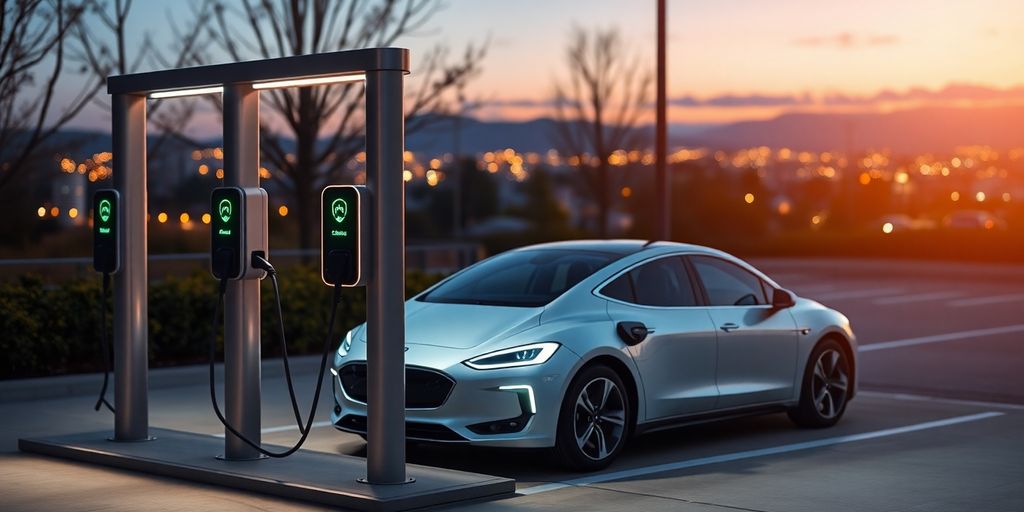
Alright, so you’re serious about getting into the EV charging game? Awesome! But before you start throwing money around, you need a solid plan. Think of it like mapping out a road trip – you wouldn’t just jump in the car and hope for the best, right? Same deal here. Let’s break down the key steps to get your EV charging venture off to a great start.
Conducting Thorough Market Research
First things first: do your homework. You can’t just assume everyone wants an EV charger. You need to figure out where the demand is, who your customers will be, and what they’re willing to pay. Understanding the local market is absolutely essential.
Here’s what you should be looking at:
- EV Adoption Rates: Check out how many EVs are actually in your area. Are the numbers growing? If not, you might be jumping the gun. Resources like the Alternative Fuels Data Center can give you the EV registration numbers you need.
- Competitor Analysis: Who else is offering charging stations nearby? What are they charging? What kind of equipment are they using? Don’t be afraid to visit their locations and see what’s working (and what’s not).
- Demographic Data: Where do EV owners live and work? What are their charging habits? Knowing this will help you pick the best locations for your stations.
Choosing the Right Business Model and Structure
Okay, so you know there’s a market. Now, how are you going to make money? There are a few different ways to play this game. Do you want to own and operate your own stations? Or would you rather install and maintain chargers for other businesses? Maybe a little of both?
Here are some options to consider:
- Ownership Model: You buy the equipment, find the locations, and set the prices. This gives you the most control, but it also requires the most upfront investment.
- Installation and Maintenance: You partner with businesses to install and maintain their charging stations. This can be a good way to get started with less capital.
- Hybrid Approach: You own a few strategic stations while also offering installation services to other businesses. This lets you diversify your income streams.
Once you’ve picked a model, it’s time to make things official. Set up an LLC or S-corp, register with your state, and get an EIN from the IRS. Don’t forget to open a business bank account, too!
Securing Optimal Locations for Charging Stations
Location, location, location! It’s the oldest rule in the book for a reason. You need to find spots that are convenient, accessible, and have enough power to handle your chargers. Think about places where people already spend time, like shopping centers, restaurants, and hotels.
Here’s what to look for:
- High Traffic Areas: The more people who see your chargers, the better. Look for locations with lots of foot traffic and visibility from the road.
- Accessibility: Can people easily get to your chargers? Are there enough parking spaces? Is the site well-lit and safe?
- Power Infrastructure: Does the location have enough power to support your chargers? You might need to upgrade the electrical panel, which can be expensive. Contact local utility companies to request rate sheets or speak with an energy advisor. Commercial EV chargers can be subject to high demand charges during peak usage — knowing this ahead of time helps you choose between Level 2 and DC Fast Chargers.
- Zoning Regulations: Some areas have restrictions on where you can install EV chargers. Check with the local planning department to make sure your location is properly zoned.
Navigating Regulatory and Operational Requirements
Starting an EV charging station isn’t just about plugging in cars; there’s a whole world of rules and practical stuff you need to get right. It can seem daunting, but breaking it down makes it manageable.
Obtaining Necessary Permits and Certifications
Okay, so first things first: paperwork. You’ll need permits to install and operate your charging stations. This varies a lot depending on where you are. Think local city ordinances, county regulations, and sometimes even state-level stuff. The National Electrical Code (NEC) Article 625 is a big one for safety standards.
- Research: Start by contacting your local government. They can point you to the right departments for permit management. Don’t skip this step; operating without the right permits can lead to hefty fines or even getting shut down.
- Inspections: Expect inspections during and after installation. These ensure you’re meeting safety and building codes. Be prepared to make adjustments if something isn’t up to snuff.
- Accessibility: Make sure your charging stations are accessible to everyone, including people with disabilities. The Americans with Disabilities Act (ADA) has specific guidelines you’ll need to follow. Review it during planning to ensure disabled customers can charge with ease.
Selecting Appropriate Charging Hardware and Software
Choosing the right equipment is super important. You’ve got different levels of chargers, and the software that runs them is just as important. Here’s the lowdown:
- Charger Levels: There are three main levels: Level 1, Level 2, and DC fast charging. Level 1 is slow (think overnight charging), Level 2 is faster and good for homes and workplaces, and DC fast charging is the quickest, ideal for highway rest stops. Consider the cost of charging stations when making your decision.
- Software is Key: The Charging Station Management System (CSMS) is what makes everything tick. It handles payment processing, monitors station status, and lets you troubleshoot remotely. Make sure it’s user-friendly and reliable.
- Payment Options: Your CSMS should allow drivers to initiate charging sessions via a mobile app, QR codes, or RFID. Customers typically transact either via their mobile device (in-app or on the web) or through an external point-of-sale interface. Your CSMS should have complete and accurate receipt information to maintain compliance with CTEP.
Ensuring Proper Installation of Charging Infrastructure
Installation is where things can get tricky. You’ll want to hire qualified electricians who know their stuff when it comes to EV chargers. Here’s what to keep in mind:
- Electrical Capacity: Make sure your site has enough electrical capacity to handle the chargers you’re installing. This might mean upgrading your service panel, which can be a significant expense. Consider the electrical systems for EV charging early on.
- Safety First: Proper grounding is crucial to prevent electrical hazards. Also, make sure the chargers are installed in a way that protects them from the elements.
- Connectivity: If a charging station in your network disappears from your CSMS, that’s a sure sign something needs fixing. It may be that the station itself has a hardware problem that requires repair, or it may be a simple connection problem. Choosing a CSMS provider that offers customer support can accelerate troubleshooting and safeguard against extended outages.
Don’t forget about ongoing compliance. Regulations can change, so stay updated. Joining industry groups and subscribing to newsletters can help you stay in the loop. Also, consider SOC 2 compliance to help ensure a high standard of information security.
Financial Aspects of EV Charging Station Ownership
Estimating Startup and Operational Costs
Okay, so you’re thinking about getting into the EV charging game? Awesome! But let’s talk money. Figuring out how much it’ll cost to get started and keep things running is super important. You don’t want to jump in without knowing what you’re getting into, right?
Startup costs can be a bit of a beast. You’ve got the chargers themselves – Level 2 chargers are cheaper (think $300 – $1,500 each), but DC fast chargers? Those can run you anywhere from $15,000 to $100,000 per unit! Then there’s installation. Unless you’re an electrician yourself, you’re looking at paying someone $50-$150 an hour. Don’t forget software and networking fees (another $300-$1,000 per charger, per year) to handle billing and keep things running smoothly. And, of course, you’ll need to spend some money on branding and marketing to get the word out.
Ongoing costs are another thing to consider. Electricity is a big one, obviously. Plus, you’ll have maintenance and repair costs, software licensing, payment processing fees, and liability insurance. It all adds up!
Identifying Potential Revenue Streams
Alright, so how are you actually going to make money with these things? There are a few ways to skin this cat.
- Pay-per-use: This is probably the most obvious. Like a gas station, people pay for the electricity they use. You can charge per kWh, per session, or even per minute.
- Subscription plans: Offer regular customers unlimited charging for a monthly fee. It’s like a gym membership, but for their car!
- Advertising: Sell ad space at your charging stations. Think of it as a mini-billboard opportunity.
- Retail partnerships: Team up with nearby stores to drive traffic to their businesses. Maybe offer discounts to customers who charge their cars while they shop. This can boost traffic for both of you.
- Installation: If you’re an electrician, you can make money installing chargers for other people instead of owning the stations yourself.
Understanding the Timeline to Profitability
Okay, the big question: when do you actually start seeing some green? Honestly, it depends. Location is huge. If you’re in a spot with tons of EVs driving around, you’re going to make money faster than if you’re in the middle of nowhere. Your pricing strategy also matters. You need to find that sweet spot where you’re making money but still attracting customers. And, of course, how efficiently you run your business will play a big role.
Here’s a rough idea of what you might expect to make per charger, per year:
| Charger Type | Estimated Annual Revenue |
|---|---|
| Level 2 Charger | $3,000 – $30,000+ |
| DC Fast Charger | $10,000 – $50,000+ |
Keep in mind that these are just estimates. The timeline to profitability can vary widely based on a bunch of factors. Don’t forget about those pesky commercial EV charging stations costs we talked about earlier. Do your homework, crunch the numbers, and be realistic about your expectations.
Marketing and Growth Strategies
Promoting Your EV Charging Services
Okay, so you’ve got your charging stations up and running. Now, how do you get people to actually use them? It’s not enough to just exist; you need to get the word out. Think about who your target audience is. Are you aiming for local commuters, tourists passing through, or apartment residents without home charging? Tailor your message to them.
Here are a few ideas:
- Local Partnerships: Team up with nearby businesses. Offer discounts to customers who charge at your station while they shop or eat. Coffee shops, restaurants, and even gyms are great options.
- Digital Marketing: Create a simple website or landing page. Make sure it’s mobile-friendly! List your locations, pricing, and any special offers. Use social media to announce new stations or promotions. Consider running targeted ads to reach EV owners in your area. You can also list your charging stations on apps like PlugShare or ChargeHub so EV drivers can easily find you.
- Community Events: Sponsor local events or host your own. Offer free charging during the event to attract attention and get people familiar with your stations. This is a great way to build brand awareness and connect with potential customers.
Leveraging Government Incentives and Grants
Don’t leave money on the table! There are a bunch of government incentives and grants out there to help with the cost of setting up EV charging stations. It’s worth spending some time researching what’s available in your area. These programs can significantly reduce your initial investment and improve your profitability.
Here’s what to do:
- Research Federal Programs: Start with the federal government’s websites. They often have grant programs for alternative fuel infrastructure, including EV charging. The Department of Energy is a good place to start.
- Check State and Local Incentives: Many states and cities offer their own incentives. These can include tax credits, rebates, or grants. Look into your state’s energy office or environmental protection agency.
- Understand Eligibility Requirements: Each program will have its own requirements. Make sure you meet them before applying. This might include things like the type of charging equipment you use, the location of your stations, or your business structure.
Building a Strong Business Credit Profile
Building a solid business credit profile is super important, especially if you plan to expand or need to finance equipment. Think of it like your business’s financial reputation. A good credit profile can help you get better loan terms, secure leases, and even attract investors. It’s a marathon, not a sprint, so start early!
Here’s how to get started:
- Separate Business and Personal Finances: This is key. Open a dedicated business bank account and get a business credit card. Don’t mix your personal and business expenses.
- Establish Credit with Vendors: Work with vendors who report to business credit bureaus. Pay your bills on time, every time. This shows lenders that you’re responsible and reliable.
- Monitor Your Credit Report: Regularly check your business credit report for any errors or inaccuracies. Dispute anything that looks wrong. Services like Dun & Bradstreet can help you monitor your credit and build your profile. Understanding anxiety related to EV charging can also help you better serve your customers and build trust.
Maintaining and Optimizing Your Operations
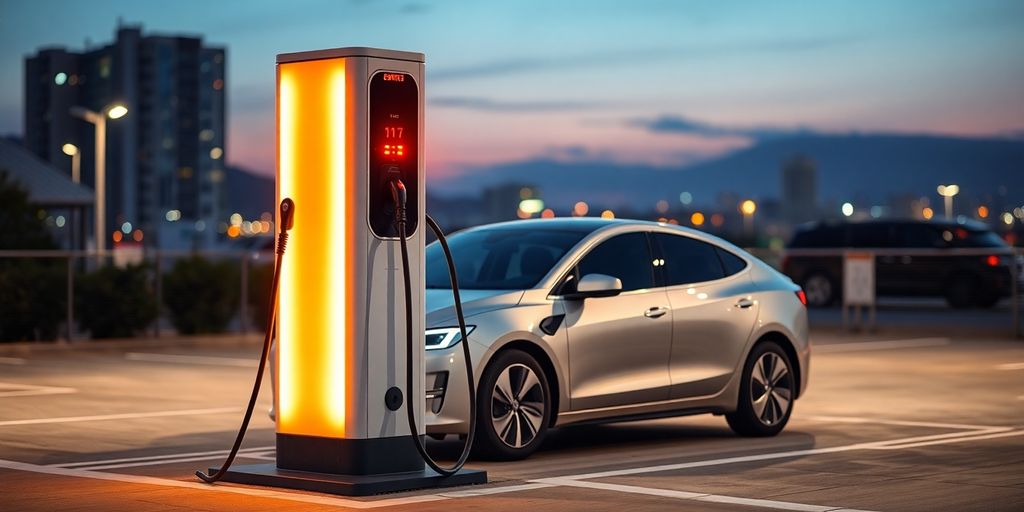
So, you’ve got your EV charging stations up and running. Great! But the work doesn’t stop there. Keeping things running smoothly and efficiently is key to long-term success. Think of it like owning a car – you can’t just drive it and never get an oil change. Regular maintenance and optimization are crucial.
Regular Maintenance of Charging Hardware
Regular hardware checks are non-negotiable. I mean, imagine pulling up to a charger and finding it’s out of service. Not a great experience, right? You need to inspect cables, connectors, and the charging units themselves regularly. Look for wear and tear, especially after bad weather. Give everything a good cleaning to remove dust and debris. This keeps things working well and extends the life of your equipment. Think of it as preventative care. Also, make sure the electrical install is up to code.
- Check cables and connectors for damage.
- Clean charging units regularly.
- Inspect after severe weather.
Managing Software and Network Performance
It’s not just about the hardware, though. The software that runs your charging stations is just as important. You need to monitor charger performance and uptime. Most charging station management systems (CSMS) let you do this remotely. Set up alerts for malfunctions or disconnections so you can address problems quickly. A good CSMS can also help with customer billing and routine maintenance. It’s all about keeping things running smoothly behind the scenes.
- Monitor charger uptime.
- Set up automated alerts.
- Regularly update software.
Ensuring Customer Satisfaction and Support
Happy customers are repeat customers. Make sure your charging stations are easy to use and reliable. Provide clear instructions and good customer support. Respond quickly to any issues or complaints. Consider offering a loyalty program or other incentives to keep customers coming back. Word-of-mouth is powerful, so make sure it’s positive. Think about it – if someone has a bad experience at your station, they’re probably going to tell their friends. And nobody wants that!
- Provide clear instructions.
- Offer prompt customer support.
- Consider a loyalty program.
Key Steps to Launch Your EV Charging Business
So, you’re ready to jump into the EV charging game? Awesome! It’s not as simple as plugging in a charger and watching the money roll in, but with a solid plan, you can definitely make it work. Here’s a breakdown of the key steps to get your EV charging business off the ground.
Analyzing EV Adoption Rates and Trends
First things first, you need to know where the demand is. Understanding EV adoption rates in different areas is super important. Don’t just guess; do some digging. Check out local government data, industry reports, and even news articles to see where EVs are becoming popular. Look for trends – are certain neighborhoods or cities leading the charge? This info will help you decide where to focus your efforts. You can also look at EV charger business model to see what is trending.
Formalizing Your Business Entity
Alright, time to get official. You can’t just run this thing as a hobby; you need to set up a real business. This means choosing a business structure (like an LLC or S-corp), registering with your state, and getting an EIN from the IRS. It might sound like a pain, but it’s essential for protecting yourself and your assets. Plus, it makes things way easier when it comes to taxes and financing. Don’t skip this step! Also, it is important to choose your business model early on.
Assessing Site Accessibility and Power Infrastructure
Location, location, location! But it’s not just about finding a spot with lots of traffic. You need to make sure the site is actually suitable for EV charging. Is it easily accessible for drivers? Is there enough parking? And most importantly, does the site have the power infrastructure to support your chargers? Upgrading the power supply can be a huge expense, so it’s best to find a site that already has what you need or where upgrades are relatively cheap. Consider these points:
- Accessibility: Easy in, easy out for all types of EVs.
- Power Capacity: Can the grid handle multiple chargers running at once?
- Future Expansion: Can you add more chargers later if demand increases?
Wrapping It Up
So, there you have it. Starting an EV charging station business might seem like a lot to take on, but it’s totally doable if you break it down. We’ve gone over everything from figuring out your business model to picking the right spot and getting all your permits in order. It’s a growing field, and with more and more electric cars hitting the road, the need for places to charge them is only going to get bigger. If you put in the work and plan things out, you could really make a difference and build something cool in this space. Good luck out there!
Frequently Asked Questions
What exactly is an EV charging station business?
An EV charging business is all about setting up and running places where electric cars can power up. This could mean putting in chargers for people to use, or even handling the installation and upkeep of these chargers for other businesses or buildings.
How much money does it take to start an EV charging business?
The cost can change a lot. It depends on the kind of chargers you pick, how you plan to run your business, the price of equipment where you are, and if you’re installing the chargers yourself or hiring others to do it.
How long does it take for an EV charging business to become profitable?
Most EV charging businesses start making a profit in about two to seven years. This timeframe can vary based on how big your operation is and the type of chargers you use. Faster chargers, like DC fast chargers, can make money quicker but need more cash to set up at the start.
What are the main ways an EV charging business makes money?
You can make money in a few ways: charging drivers per minute or per amount of electricity used, selling memberships for unlimited charging, or even getting paid by businesses to install and maintain their chargers.
Where are the best places to put an EV charging station?
Finding the right spot is super important. Look for places with lots of foot traffic, like shopping centers or gyms, or places where cars stay for a while, like hotels or office buildings. Also, make sure there’s good power available and easy access for cars.
Are there any government programs or grants to help start an EV charging business?
Yes, many governments offer special deals or grants to help new EV charging businesses get started. These can help with the costs of buying equipment or setting up your stations. It’s a good idea to look into what’s available in your area.
