


So, you’ve got yourself an electric car, or maybe you’re thinking about getting one. That’s awesome! One of the best parts about owning an EV is being able to charge it right at home. No more gas stations, no more waiting around. But, if you’re like most people, you’re probably wondering, “how do i start home ev charging?” It might seem a bit confusing at first, with all the talk about different charging levels and electrical stuff. Don’t worry, it’s not as hard as it sounds. This guide will walk you through everything you need to know, from understanding the basics of charging to getting your setup installed, so you can enjoy the convenience of home charging.
Key Takeaways
- Level 2 charging is usually the best choice for home EV charging because it’s way faster than Level 1.
- Before you buy a charger, check your home’s electrical panel to see if it can handle the extra power; you might need an upgrade.
- Picking the right charger means looking at things like how much power it puts out, any smart features it has, and if it works with your car.
- The total cost for a home EV charger can change a lot depending on the charger itself and how complicated the installation is.
- Always get a qualified electrician to install your charger and make sure they get all the right permits and inspections done.
Understanding EV Charging Levels

Okay, so you’re thinking about getting an EV and charging it at home? Awesome! One of the first things you need to wrap your head around is the different charging levels. It’s not rocket science, but knowing the basics will help you make the right decisions for your setup.
What Is Level 1 Charging?
Level 1 charging is the simplest and slowest way to charge an EV. It uses a standard 120V household outlet. Think of it like plugging your phone into the wall. The upside is that you don’t need any special equipment – your EV comes with a cable that plugs right into a regular outlet. The downside? It’s slow. Really slow. You’re talking about adding only a few miles of range per hour of charging.
- Uses a standard household outlet (120V).
- Adds about 3-5 miles of range per hour.
- Good for plug-in hybrids or very short commutes.
For example, if you drive a Chevrolet Bolt EV and completely drain the battery, it would take days to recharge using Level 1. It’s fine for topping off, but not ideal for daily charging if you drive a lot.
What Is Level 2 Charging?
Level 2 charging is a significant step up from Level 1. It uses a 240V outlet, similar to what your clothes dryer or oven uses. This means you’ll need to have a level 2 charging station installed, but the charging speed is much faster. You can add around 20-30 miles of range per hour, making it much more practical for daily use.
- Uses a 240V outlet.
- Requires a dedicated charging station.
- Adds about 20-30 miles of range per hour.
- Ideal for overnight charging.
Most EV owners opt for Level 2 charging at home because it’s a good balance of speed and convenience. You can plug in your car when you get home from work and wake up to a full battery in the morning.
Why Level 2 Is Preferred For Home Charging
While Level 1 charging is convenient because it doesn’t require any special equipment, it’s just too slow for most EV owners. Imagine only getting 3 miles of range for every hour of charging! Level 2 charging offers a much better experience. You get significantly faster charging speeds, which means you can actually use your EV without constantly worrying about running out of juice. Plus, with scheduled charging, you can take advantage of off-peak electricity rates, saving you money in the long run. For most people, the cost of installing a Level 2 charger is well worth the convenience and faster charging times.
Assessing Your Home’s Electrical Capacity
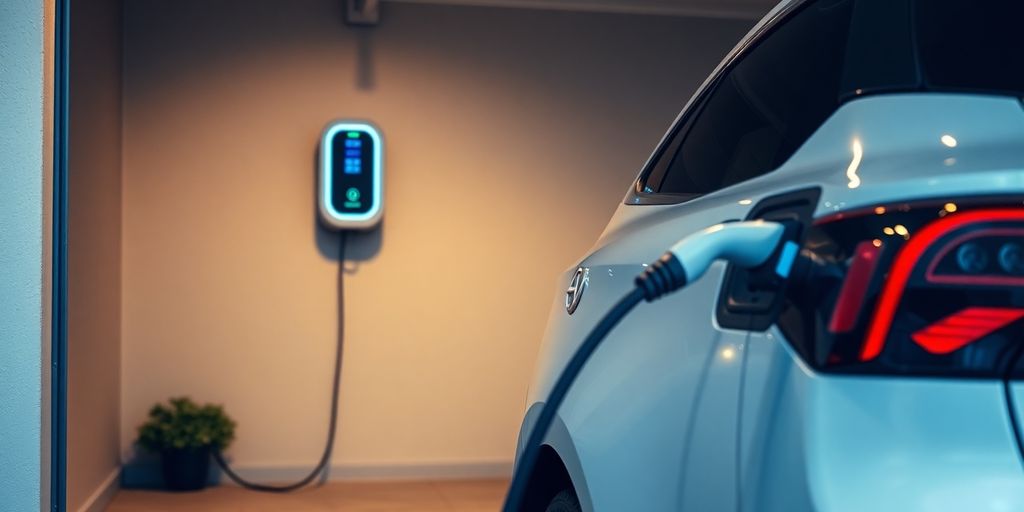
Before you even think about plugging in that shiny new EV charger, you gotta figure out if your house can actually handle it. It’s like inviting 20 people over for a party when you only have enough chairs for 10. Not gonna work. Let’s break down how to make sure your electrical system is up to the task.
Evaluating Your Current Electrical Panel
First things first, head over to your electrical panel – that gray box usually lurking in your garage, basement, or utility room. The most important thing to check is the amperage rating of your main breaker. This number, usually something like 100A, 150A, or 200A, tells you the maximum amount of electricity your house can safely use at any given time.
To figure out if you have enough capacity, you’ll need to do a little math (or call an electrician, which is honestly the smarter move). Basically, you need to add up the amperage draw of all your major appliances (AC, water heater, oven, etc.) and see if there’s enough left over for a Level 2 EV charger, which typically requires a dedicated 40- or 50-amp circuit. Don’t forget to account for safety margins! You don’t want to trip the main breaker every time you make toast while charging your car. If you want to calculate power in kilowatts, remember that it’s amps multiplied by volts, divided by 1,000. For most homes, you’ll use 240 volts in this calculation.
Potential Electrical Upgrades
Okay, so you did the math and realized your electrical panel is already maxed out. Don’t panic! There are options. The most obvious is upgrading your electrical service. This could involve:
- Upgrading the main breaker: Replacing your 100A panel with a 200A panel. This is a pretty common upgrade, but it can be pricey.
- Upgrading the service wires: If the wires coming into your house aren’t thick enough to handle the increased load, they’ll need to be replaced. This can get really expensive, especially if the wires are buried underground.
- Adding a subpanel: This is like adding an extension cord to your electrical system. A subpanel can provide extra circuits for your EV charger without requiring a full service upgrade.
There are also smart EV charging stations that, when paired with a power meter, can throttle how much power they draw to ensure your house’s main breaker doesn’t trip.
Consulting With a Qualified Electrician
Seriously, don’t skip this step. Unless you’re a licensed electrician, messing with your electrical system is a recipe for disaster (and potentially electrocution). A qualified electrician can:
- Accurately assess your home’s electrical capacity.
- Determine the best location for your EV charger.
- Install the necessary wiring and circuits safely and up to code.
- Advise you on potential electrical upgrades and home EV charging solutions.
- Ensure proper permitting and inspections.
Like any home improvement job, you’ll want to get a few quotes to compare prices and gauge how each electrician will approach the job. Read online reviews and ask friends for recommendations. Getting a professional opinion is crucial for ensuring a safe and efficient home charging setup. They can also help you understand the cost of charging an electric vehicle at home, considering your specific electrical setup.
Choosing The Right Home EV Charger
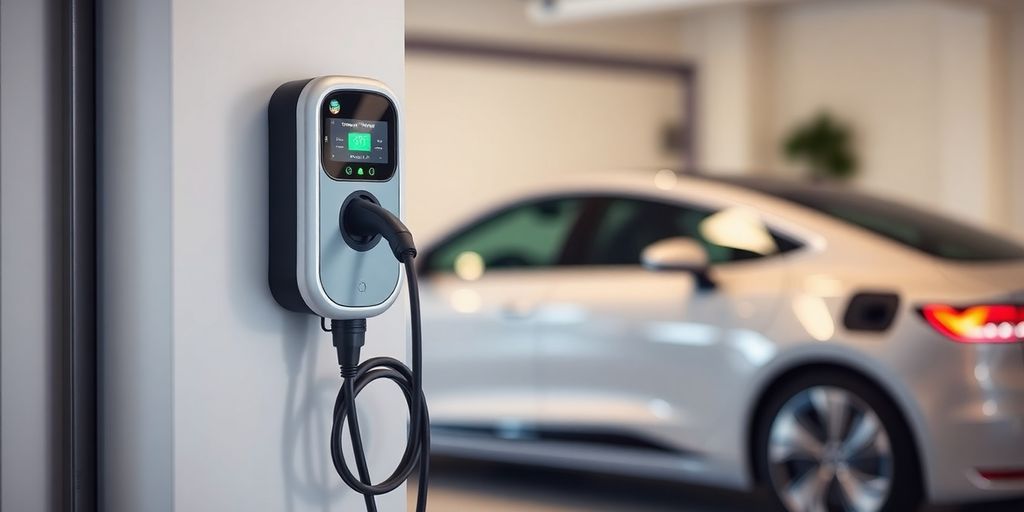
Okay, so you’ve figured out your charging levels and your home’s electrical situation. Now comes the fun part: picking out your actual EV charger! There are a bunch of options out there, and it can feel overwhelming. Let’s break it down.
Factors To Consider When Buying a Charger
First things first, think about your needs. What’s most important to you in a charger? Here’s a list to get you started:
- Charging Speed: How quickly do you need your car to charge? This will influence the amperage of the charger you choose. Remember, Level 2 chargers are way faster than Level 1.
- Cord Length: Don’t underestimate this! Measure the distance from where you plan to install the charger to where your car’s charging port is located. A longer cord gives you more flexibility, especially if you have multiple cars or might park in different spots. A long cable is a good idea.
- Indoor/Outdoor Rating: Is your garage climate-controlled, or will the charger be exposed to the elements? Make sure it’s rated for outdoor use if necessary.
- Budget: Chargers range in price, so set a budget before you start shopping. Don’t forget to factor in installation costs!
- Plug-in vs. Hardwired: Do you want the flexibility to move the charger later (plug-in), or do you prefer a more permanent installation (hardwired)?
Smart Charger Features
"Smart" chargers come with extra features that can be pretty useful. These often connect to your home’s Wi-Fi and let you control the charger through an app. Here are some things to look for:
- Scheduling: Set charging times to take advantage of off-peak electricity rates. This can save you money!
- Energy Monitoring: Track your charging habits and see how much electricity you’re using. Some apps even show you the cost of each charging session.
- Remote Control: Start or stop charging from your phone, no matter where you are.
- Notifications: Get alerts when your car is fully charged or if there’s a problem with the charger.
- Load Balancing: If you have multiple EVs, some smart chargers can balance the load between them to prevent overloading your electrical system. This is a great feature for home EV charging.
Charger Compatibility With Your EV
This is super important! Make sure the charger you choose is compatible with your car’s charging port. Most EVs in North America use the J1772 connector for Level 2 charging. Tesla uses its own proprietary connector, but they include an adapter for J1772 chargers. Also, check the maximum charging rate your car can handle. There’s no point in buying a super-powerful charger if your car can’t take advantage of it. It’s like buying a super expensive gas and putting it in a car that can only take regular. A waste of money!
The Cost Of Home EV Charger Installation
So, you’re ready to ditch the gas station and charge up at home? Awesome! But before you dive in, let’s talk about the money side of things. Installing a home EV charger isn’t free, but it’s an investment that pays off in convenience and, potentially, savings down the road. Let’s break down what you can expect to spend.
Breakdown Of Charger And Installation Costs
Okay, so what are we actually paying for? Well, there are two main chunks: the charger itself and the installation. The charger is the device that actually plugs into your car and delivers the electricity. You can find decent ones for around $350, but fancier "smart" chargers can run up to $750 or more. Then there’s the installation, which is where things can vary quite a bit. Most homeowners end up spending somewhere between $1,150 and $2,750 for the whole shebang.
Here’s a rough idea of what you might be looking at:
| Item | Estimated Cost |
|---|---|
| Level 2 Charger | $350 – $750 |
| Installation Labor | $800 – $2000 |
| Permits | $50 – $200 |
| Total (Estimated) | $1200 – $2950 |
Factors Influencing Installation Price
Why such a big range in installation costs? Several things can affect the final price. One biggie is the distance between your electrical panel and where you want the charger. The farther apart they are, the more wire the electrician needs to run, and the more labor is involved. The complexity of the job also matters. If your home electrical panel is old or needs an upgrade to handle the extra load, that’s going to add to the cost. Getting the right permits also adds to the cost.
Here’s a list of factors that can influence the price:
- Distance between the electrical panel and the charger location
- Complexity of the wiring job (e.g., running wires through walls)
- Whether your existing electrical panel needs an upgrade
- Local labor costs (electricians in some areas charge more than others)
- Permit fees
Potential Rebates And Incentives
Now for some good news! Many areas offer rebates or incentives to help offset the cost of installing a home EV charger. These can come from your local utility company, your state government, or even the federal government. It’s definitely worth doing some research to see what’s available in your area. These incentives can significantly reduce the commercial EV charging stations costs. For example, you might be able to get a rebate that covers a portion of the charger cost or the installation fees. Check out websites like the Department of Energy or your local utility’s website to find out more. Don’t leave money on the table!
Finding a Qualified Installer
Okay, so you’ve figured out your charging level, checked your electrical panel, and picked out a shiny new charger. Now comes the part where you probably need to call in a pro: installation. Unless you’re super confident with electrical work (and I mean really confident), this is best left to someone who knows what they’re doing. Messing with electricity is no joke!
Importance Of Certified Electricians
Using a certified electrician is super important for EV charger installation. I mean, you could try to DIY it, but honestly, is saving a few bucks worth potentially burning your house down? Probably not. Certified electricians have the training and experience to make sure everything is installed safely and up to code. Plus, they know about things like load calculations and permitting, which can be a real headache to figure out on your own. Some electricians even have specific certifications for EV charger installation, like from the Electric Vehicle Infrastructure Training Program (EVITP), which is a nice bonus.
Questions To Ask Potential Installers
Before you hire anyone, it’s a good idea to get a few quotes and ask some questions. Here are a few to get you started:
- "Are you licensed and insured?" (This is a must!)
- "Have you installed EV chargers before?"
- "Will you be doing a load calculation?"
- "Will you be pulling the necessary permits?"
- "What kind of warranty do you offer on your work?"
Don’t be afraid to ask for references or check online reviews. You want to make sure you’re hiring someone reputable who does good work. Also, make sure they use a commercial grade plug if you’re going with a plug-in installation. It might cost a bit more, but it’s designed for the constant use that EV charging requires.
Ensuring Proper Permitting And Inspections
Permits and inspections might seem like a pain, but they’re there for a reason. They help ensure that the installation is done safely and according to local codes. A good electrician will handle all of this for you, but it’s still a good idea to be aware of the process. Make sure the electrician is pulling the necessary permits before starting any work. After the installation is complete, there will typically be an inspection to make sure everything is up to snuff. Don’t skip this step! It’s important for your safety and can also affect your home insurance.
Optimizing Your Home Charging Experience
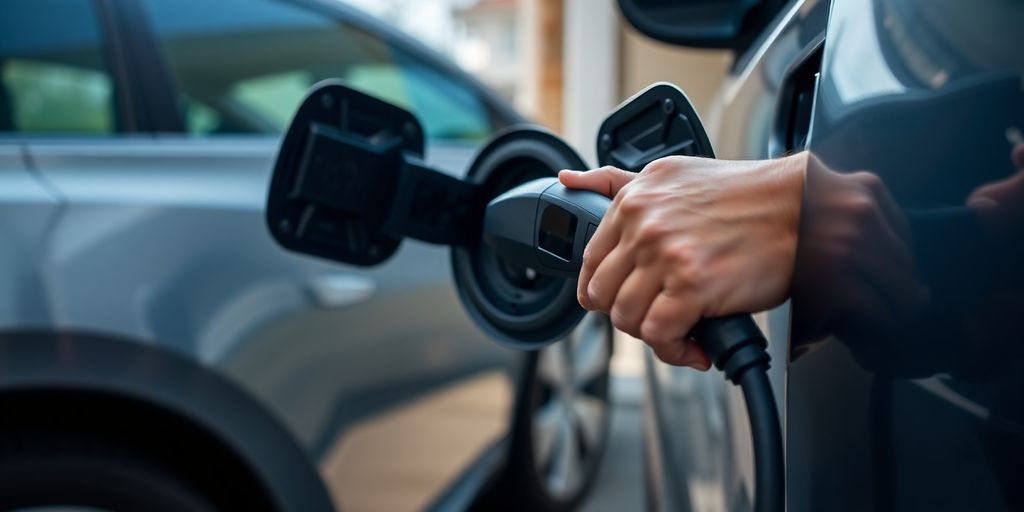
Scheduling Charging For Off-Peak Hours
Okay, so you’ve got your home charger all set up. Now, let’s talk about getting the most bang for your buck. One of the easiest ways to save money is to charge your EV during off-peak hours. Utility companies often charge different rates depending on the time of day. Usually, electricity is cheaper at night when demand is lower. Check with your local provider to see when their off-peak hours are. Many smart chargers let you schedule charging, so you can set it and forget it. This not only saves you money but also helps balance the grid.
Monitoring Your Charging Habits
It’s a good idea to keep an eye on how much you’re charging and when. Most smart chargers come with apps that track your charging sessions. You can see how much energy you’re using, how much it’s costing you, and how long it takes to fully charge your car. This data can help you fine-tune your charging schedule and identify any potential issues. Plus, it’s just plain interesting to see the numbers! Understanding your home EV charging habits can lead to significant savings and a better understanding of your energy consumption.
Maximizing Battery Health With Home Charging
How you charge your EV can impact the long-term health of its battery. Here are a few tips:
- Avoid consistently charging to 100%: It’s generally better to keep your battery between 20% and 80% for daily use. Fully charging the battery all the time can degrade it faster.
- Use slower charging when possible: While DC fast charging is convenient, it can put more stress on the battery. Use your Level 2 home charger for most of your charging needs. This is especially true if you’re looking to increase commercial real estate value.
- Keep the battery cool: Extreme temperatures can also harm the battery. Park in the shade or in a garage when possible, especially during hot summer months. Some EVs have battery thermal management systems to help with this.
By following these tips, you can help extend the life of your EV’s battery and keep it running smoothly for years to come.
Wrapping It Up: Your Home EV Charging Journey
So, there you have it. Setting up home EV charging might seem like a lot at first, with all the talk about different levels and electrical stuff. But honestly, once you get past the initial setup, it’s super convenient. Think about it: no more trips to the gas station, just plug in your car when you get home, and it’s ready to go in the morning. It really changes how you use your car. Sure, there might be a few bumps along the way, like figuring out the best charger or finding a good electrician, but it’s totally worth it for the everyday ease. You’ll wonder how you ever lived without it.
Frequently Asked Questions
What’s the difference between Level 1 and Level 2 charging?
Level 1 charging is the slowest option, using a regular 120-volt home outlet. It’s like charging your phone; it takes a long time. Level 2 charging uses a 240-volt outlet, similar to what a clothes dryer uses. This charges your car much faster, making it perfect for daily use at home.
Do I need to check my home’s electricity before installing a charger?
Before you get a Level 2 charger, it’s smart to have an electrician check your home’s electrical panel. They’ll tell you if your current setup can handle the new charger or if you need to upgrade your electrical system to support it safely.
How do I pick the best home EV charger?
When picking a home EV charger, think about how fast it charges, if it has smart features like scheduling, and if it works well with your specific electric car. Some chargers are better for certain car models.
How much does it cost to install a home EV charger?
The cost can change a lot. It depends on the charger you buy and how much work is needed to install it in your home. Sometimes, you might need to upgrade your electrical panel, which adds to the price. Always ask for a clear price breakdown.
Who should install my EV charger?
It’s super important to hire a licensed electrician who knows about EV charger installations. Ask them about their experience, if they’re insured, and if they handle all the necessary permits and inspections. This makes sure the job is done right and safe.
What’s the best way to charge my EV at home to save money and help my battery?
To save money, try to charge your car during ‘off-peak’ hours, which are usually when fewer people are using electricity, like late at night. Many smart chargers let you schedule this. Also, keeping your battery between 20% and 80% charge can help it last longer.
