


Thinking about getting into the EV charging game? You’re not alone. With more electric cars on the road, the demand for charging stations is on the rise. If you’re curious about how to own one of these stations, you’re in the right place. This guide breaks down the basics, from understanding different types of chargers to the nitty-gritty of permits and marketing tactics.
Key Takeaways
- Learn about different EV charger types and their components.
- Discover the importance of location for your charging station.
- Understand the steps to start your own EV charging business.
- Explore financial aspects, including costs and funding options.
- Get insights into maintenance, marketing, and legal requirements.
Understanding the Basics of EV Charging Stations

Types of EV Chargers
Electric vehicle chargers come in different types, each suited for various needs and applications. The most common types are Level 1, Level 2, and DC Fast Chargers. Level 1 chargers use a standard 120-volt outlet and are typically used at home, providing a slow charge. Level 2 chargers operate on a 240-volt system, similar to a clothes dryer, and are often found in public spaces or residential garages, offering a faster charge. DC Fast Chargers are the speediest, using direct current to provide rapid charging, ideal for commercial locations and busy transit hubs.
Key Components of Charging Stations
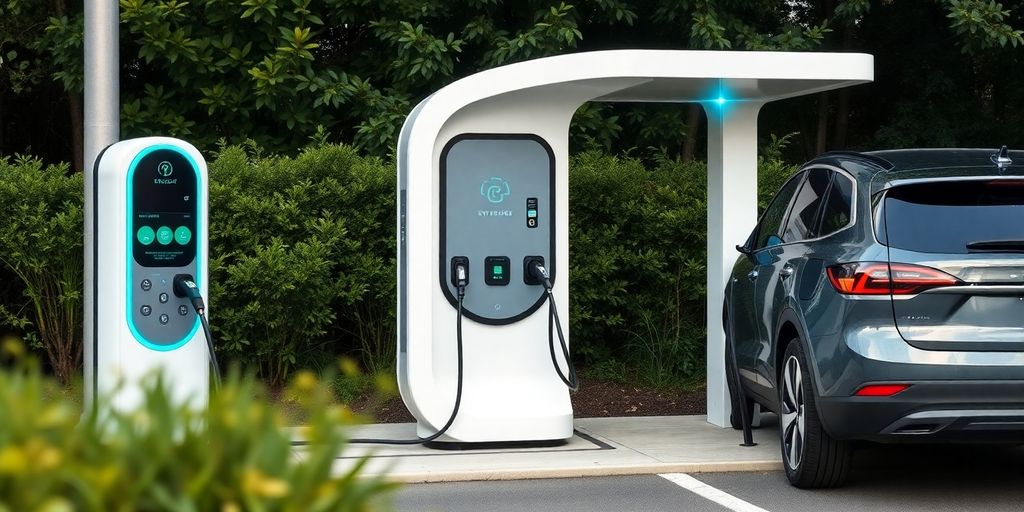
A charging station isn’t just about plugging in and powering up. It consists of several key components that ensure safe and efficient operation. These include the charger box, which houses the necessary electronics, the cables and connectors that link the vehicle to the power source, and the software systems that manage the charging process. Advanced charging stations also incorporate smart features like user authentication and energy management systems, making them more user-friendly and efficient.
Importance of Location
Where you place your EV charging station can significantly affect its success. High-traffic areas like shopping centers, parking lots, and highway rest stops are prime locations. The goal is to provide convenience to EV users, ensuring they can charge their vehicles while going about their daily routines. Proximity to amenities can also encourage longer stays, benefiting nearby businesses. Choosing the right location is crucial to attracting a steady stream of users and ensuring the station’s profitability.
Steps to Start Your Own EV Charging Station
Conducting Market Research
Before diving into the world of EV charging stations, it’s essential to get a clear picture of the market landscape. Understanding the demand for EV chargers in your area is crucial. Start by identifying the number of electric vehicles in your locality and potential growth. Look into competitors—how many charging stations exist, and what types are they offering? This research will help you spot gaps and opportunities. Also, consider the demographics and driving patterns of EV owners. Are they commuters, or do they travel long distances? This information can guide the location and type of chargers you’ll need.
Choosing the Right Business Model
Once you’ve got a grasp on the market, think about how you want to structure your business. There are several models to consider:
- Pay-per-use: Customers pay each time they charge.
- Subscription-based: Users pay a monthly fee for unlimited charging access.
- Hybrid model: Combines elements of both pay-per-use and subscription.
Your choice will depend on your target market and initial investment capabilities. Some models might require more upfront costs but offer steadier long-term gains. Consider reading this guide for insights into developing a profitable business model.
Securing Permits and Licenses
Getting the necessary permits and licenses is a step you can’t skip. Each region has its own regulations, so you’ll need to check local zoning laws and building codes. Typically, you’ll need an electrical permit and possibly an environmental permit, depending on your location. It’s wise to consult with a legal expert or a consultant who specializes in EV charging stations to ensure compliance with all local and national regulations. This step can be time-consuming, but it’s vital for avoiding legal troubles down the line.
Financial Considerations for EV Charging Stations
Initial Investment Costs
Starting an EV charging station isn’t cheap. You’re looking at a hefty initial investment that covers everything from the charging equipment to installation and permits. The cost of equipment alone can vary significantly depending on the type of chargers you choose. For example, Level 2 chargers are generally less expensive compared to DC fast chargers, which can be a significant financial commitment. Then there are installation costs, which can fluctuate based on the complexity of the site and local regulations.
Here’s a quick breakdown of potential costs:
- Equipment Costs: Level 2 chargers might range from $500 to $2,000, while DC fast chargers can cost upwards of $10,000.
- Installation Costs: Can vary from $3,000 to $50,000 depending on site-specific requirements.
- Permits and Licenses: These can add another $1,000 to $5,000 to your initial expenses.
Exploring Funding Opportunities
The good news is, there are ways to ease the financial burden. Various funding opportunities are available, including federal and state grants aimed at promoting EV infrastructure. The National Electric Vehicle Infrastructure (NEVI) program, for example, offers $5 billion in federal funding. This can significantly offset the costs if you meet the eligibility criteria. Additionally, some utility companies offer rebates or incentives for installing EV chargers, which can further reduce expenses.
Profitability and Revenue Streams
Once your station is up and running, the focus shifts to making it profitable. Revenue can come from multiple streams. Charging fees are the most direct source, but don’t overlook the potential for partnerships with local businesses. For instance, a collaboration with a nearby cafe or shopping center can drive more traffic to your station. Another option is to sell advertising space on your charging units or app, creating an additional income stream.
To maximize profitability, consider these strategies:
- Dynamic Pricing: Adjust prices based on demand, time of day, or energy costs.
- Membership Programs: Offer discounts or perks to loyal customers.
- Partnerships: Collaborate with businesses to offer bundled services or discounts.
Balancing these financial aspects effectively can pave the way for a successful EV charging business.
Technical and Maintenance Aspects
Regular Maintenance Requirements
Running an EV charging station isn’t just about plugging in cables and collecting payments. Keeping everything in top shape is crucial for a smooth operation. Regular checks involve inspecting switches, converters, cables, and connectors. Look out for any damage or wear, especially after rough weather. Dust and debris can mess up connectors and cables, so keep them clean to avoid hiccups.
Upgrading and Expanding Infrastructure
As more folks switch to electric vehicles, your station might need a boost. Upgrading isn’t just about adding more chargers; it’s about identifying Level 3 charging stations and ensuring your current setup can handle increased demand. Think about software updates too. A solid charging station management system (CSMS) can help manage loads and even reallocate power when a vehicle’s battery is full.
Ensuring Safety and Compliance
Safety is a big deal. Regular maintenance is part of it, but you also need to stay updated with regulations. The Open Charge Point Protocol (OCPP) ensures different systems can communicate, which is key for compliance. Make sure your station follows all local and national safety standards to keep everything running smoothly and legally.
Marketing and Customer Engagement Strategies
Building a Customer Base
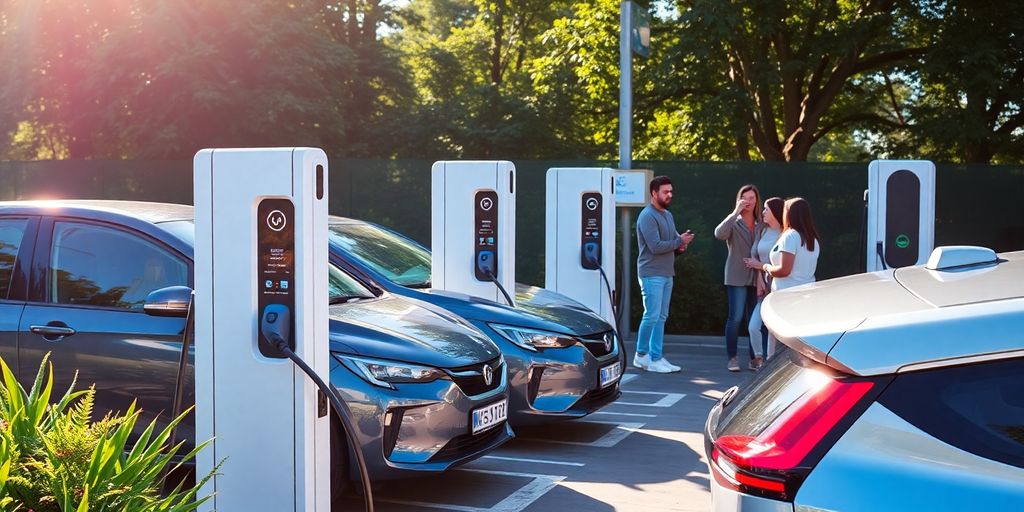
Building a solid customer base is the backbone of any successful EV charging station. Start by identifying your target audience. Are you focusing on urban commuters or rural travelers? Maybe you’re catering to businesses looking for fleet solutions? Once you know who you’re talking to, tailor your services to meet their needs. Offering loyalty programs or discounts for frequent users can be a great way to attract and retain customers. Consider setting up a mobile app to make it easier for customers to find your stations and check availability in real-time. Word of mouth is powerful, so encourage satisfied customers to spread the word.
Leveraging Partnerships and Collaborations
Forming partnerships can significantly boost your station’s visibility and credibility. Collaborate with local businesses, such as cafes or shopping malls, to offer bundled services or discounts to customers who charge their vehicles while they shop or dine. You could also team up with ChargeScape or other EV infrastructure providers to enhance your station’s offerings. These collaborations can create a win-win situation, increasing foot traffic for partners and providing added value for your customers.
Utilizing Digital Marketing Channels
In today’s digital age, having a strong online presence is crucial. Start with a user-friendly website that provides comprehensive information about your charging station, including location, pricing, and availability. Use social media platforms to engage with your audience, share updates, and promote special offers. Consider investing in online ads targeting EV owners in your area. Email newsletters can also be effective, keeping your customers informed about new services or promotions. Remember, the goal is to make your station stand out in the crowded EV market, so be creative and consistent with your digital marketing efforts.
Navigating Legal and Regulatory Requirements
Understanding Zoning Laws
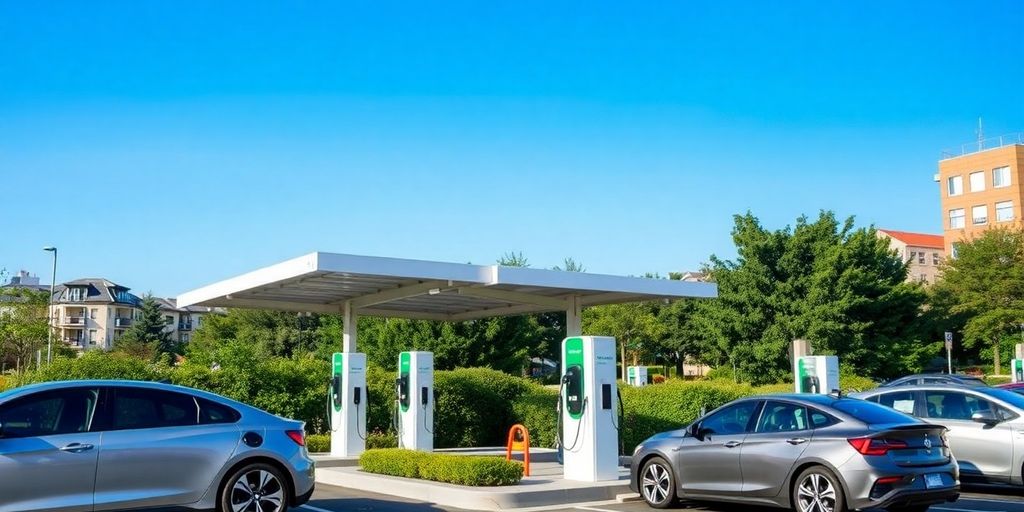
So, you’re thinking about setting up an EV charging station? First things first, you’ve got to wrap your head around zoning laws. These rules are like the invisible hand that decides where you can plop down your station. Local governments have their own set of guidelines, and they can be a real mixed bag. It’s crucial to check with your local zoning office to see if your chosen location is good to go for a charging station. Some areas might be all for it, while others could throw up roadblocks. Also, keep an eye on any changes in zoning laws; they can shift and mess up your plans if you’re not careful.
Compliance with National Electric Code
Now, onto the nitty-gritty of the National Electric Code (NEC). This is the playbook for electrical safety in the U.S., and it’s a big deal. Your EV charging station must meet these standards to ensure everything’s safe and sound. This means your wiring, equipment, and installation need to be spot on. The NEC is updated every three years, so staying in the loop with the latest version is key. If you’re not an electrical whiz, hiring a professional who knows their way around the NEC can save you a ton of headaches.
Insurance and Liability Considerations
Insurance might not be the most exciting topic, but it’s a must-have for your EV charging station. Things can go wrong—accidents, equipment failures, you name it. Having the right insurance coverage can keep you from going under if something goes sideways. Look into general liability insurance, which covers accidents and injuries, and consider property insurance for your charging equipment. Chat with an insurance broker who knows the ins and outs of EV stations to get the best advice. Remember, it’s better to be over-prepared than caught off guard.
Wrapping It Up
So, there you have it! Owning an EV charging station isn’t just about plugging in some cables and calling it a day. It’s a mix of smart planning, understanding the market, and keeping up with tech trends. Whether you’re looking to make a profit or just want to support the green movement, there’s a path for you. Remember, it’s not just about the money—it’s about being part of something bigger, like helping the planet and supporting the EV community. So, if you’re ready to jump in, do your homework, get the right permits, and start charging up the future!
Frequently Asked Questions
What are the different types of EV chargers?
EV chargers come in various types, mainly Level 1, Level 2, and DC Fast Chargers. Level 1 chargers use a standard household outlet and are the slowest. Level 2 chargers require a special outlet and charge faster. DC Fast Chargers are the quickest, ideal for commercial use.
Why is the location important for an EV charging station?
Location is crucial because it determines accessibility for EV drivers. Stations near highways, shopping centers, or busy areas attract more users, making the business more successful.
What do I need to start an EV charging station?
To start, you’ll need to conduct market research, choose a business model, secure permits and licenses, and ensure you have the necessary funding and technical setup.
How much does it cost to set up an EV charging station?
The cost varies based on the type of chargers and the scale of the station. Initial investment can range from a few thousand to hundreds of thousands of dollars.
What maintenance is required for EV charging stations?
Regular checks on hardware like cables, connectors, and the charger box are needed. Ensuring software updates and compliance with safety standards is also important.
How can I make my EV charging station business profitable?
Profitability can be achieved by choosing the right location, setting competitive pricing, exploring partnerships, and utilizing digital marketing to attract customers.
