


So, you’ve got an electric vehicle but no driveway or garage to charge it? You’re not alone. Many EV owners rely on street parking and face unique challenges when it comes to keeping their cars charged. But don’t worry, there’s a whole community out there sharing tips and tricks on how to make it work. From using public charging stations to advocating for better infrastructure, there’s a lot to learn. Let’s dive into what it means to manage EV charging when street parking is your only option, especially from insights gathered from Reddit discussions.
Key Takeaways
- Street parking makes EV charging tricky, but not impossible.
- Public charging stations are a lifesaver, so knowing their locations is key.
- Portable chargers can be a handy backup for street parkers.
- Community efforts can lead to more local charging options.
- Reddit is full of real-world advice from fellow EV owners.
Understanding EV Charging Options
Home Charging Limitations
Charging your EV at home is super convenient, but not everyone has that luxury, especially if you live in an apartment or don’t have a garage. Without a dedicated parking spot, setting up a home charging station can be tricky. If you do have a spot, you’ll need to get an electrician to install a Level 2 charger, which is faster than the regular outlet. But here’s the catch: it can be pricey, and you’ll need a permit. So, if you’re renting, convincing your landlord might be a challenge.
Public Charging Availability
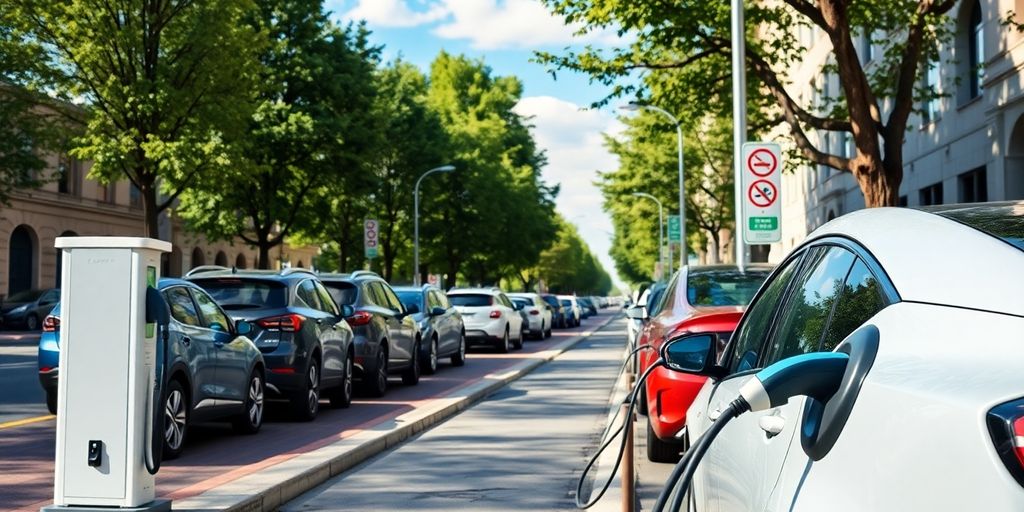
Public charging stations are popping up everywhere—think malls, parking garages, and even some grocery stores. They offer a mix of Level 2 and DC Fast Charging options. If you’re relying on public stations, it’s smart to plan your charging stops around your daily routine. Apps can help you find the nearest station and check if it’s in use. Keep in mind, though, that fast charging can be more expensive, and availability can vary widely depending on where you live.
Workplace Charging Opportunities
Some lucky folks have access to charging stations at work. It’s not super common yet, but it’s catching on. Companies are starting to see the benefit of installing EV chargers to attract and keep employees. If your workplace offers this perk, it can significantly ease the burden of finding a charging spot. Plus, it’s often cheaper than public charging. If your employer doesn’t have chargers yet, it might be worth suggesting it to HR or management as a way to promote sustainability.
Challenges of Street Parking for EV Owners
Limited Access to Charging Stations
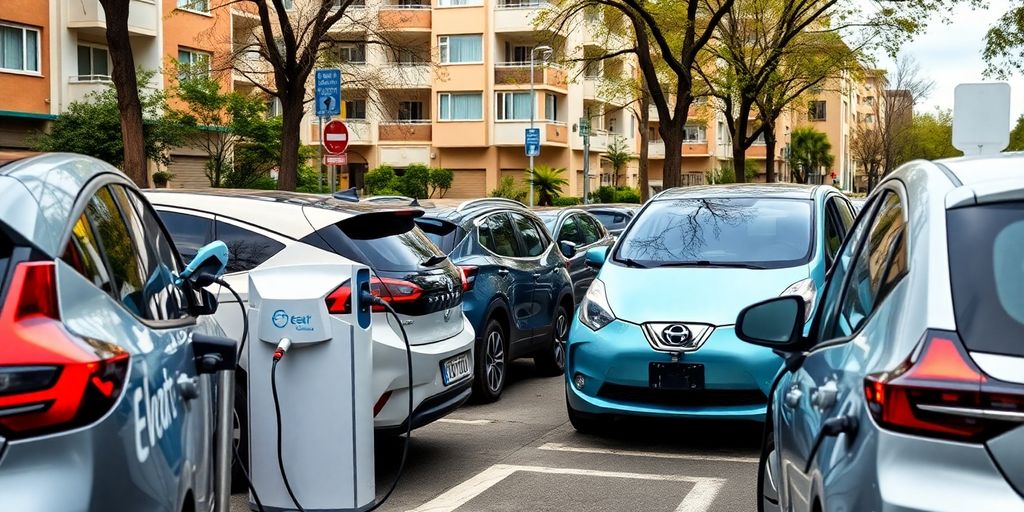
Living in areas with only street parking can be a real headache for EV owners. Finding a nearby charging station is often like searching for a needle in a haystack. Many residential areas just don’t have enough public chargers, and when they do, they’re often occupied. In busy cities, this is even worse, with high demand and limited spots making it tough to charge your car when you need to. For those living in multifamily housing, installing EV charging stations could help, but it’s not always feasible due to space and financial constraints.
Safety Concerns with Extension Cords
Some EV owners try to get creative by using extension cords to charge their cars from home, but this isn’t always safe. Running a cord across sidewalks or streets can be a tripping hazard and might even lead to damage or theft. Plus, using an extension cord can sometimes lead to electrical issues if not done correctly. It’s a risky workaround that many try to avoid.
Impact of Local Regulations
Local regulations can also throw a wrench in the works. Some cities have rules about where and how you can charge your vehicle, which can limit options even further. There might be restrictions on installing private chargers in public spaces, or rules about how long you can leave a car parked at a public charger. These regulations can make it even harder for EV owners to find convenient and legal charging solutions. In places like Brooklyn, Tesla Supercharger stations face congestion and long wait times, highlighting the need for expanded infrastructure.
Innovative Solutions for Charging on the Street
Using Portable Chargers
Portable chargers are becoming a go-to for EV owners without home charging options. These compact devices let you plug into any standard outlet, offering a lifeline when you’re parked away from a charging station. Think of it as having a power bank for your car. While they won’t fully charge your vehicle overnight, they’re perfect for topping up. Plus, they’re easy to store in your trunk, ready whenever you need a quick boost.
Community Charging Initiatives
Some neighborhoods are taking matters into their own hands with community charging initiatives. Imagine a shared charging hub where multiple residents can plug in. These setups often involve partnerships with local businesses or property owners, who provide the space and electricity. It’s a win-win: EV owners get convenient charging, and hosts can earn a bit of extra income. This grassroots approach not only solves charging woes but also fosters a sense of community.
Petitioning for Local Infrastructure
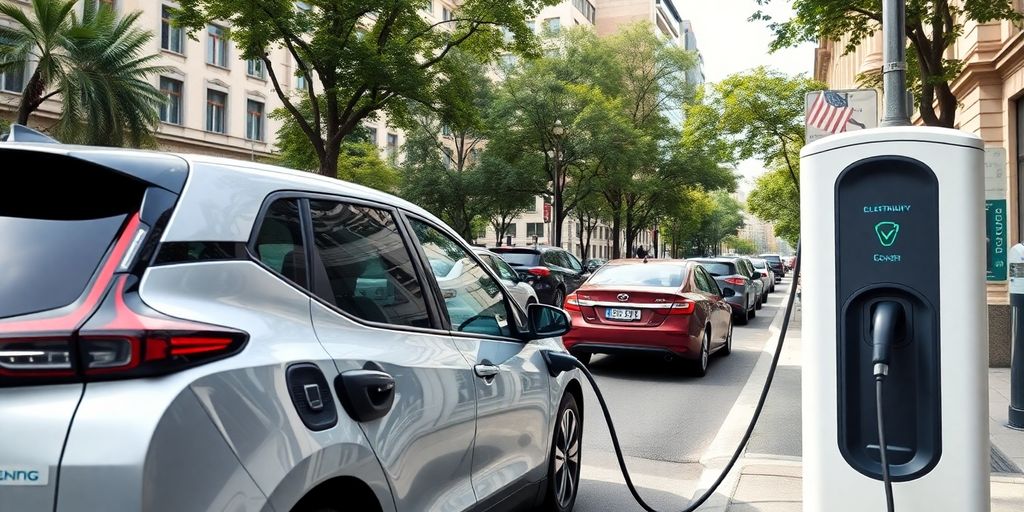
If you’re tired of waiting for more charging stations, why not push for change? Many EV owners are banding together to petition their local governments for better infrastructure. This might mean more public charging spots or even curbside chargers like those from itselectric, which use power from nearby buildings. By voicing your needs, you can help shape the future of urban EV charging. It might take some time, but persistence can lead to real progress.
Experiences from EV Owners on Reddit
Sharing Personal Stories
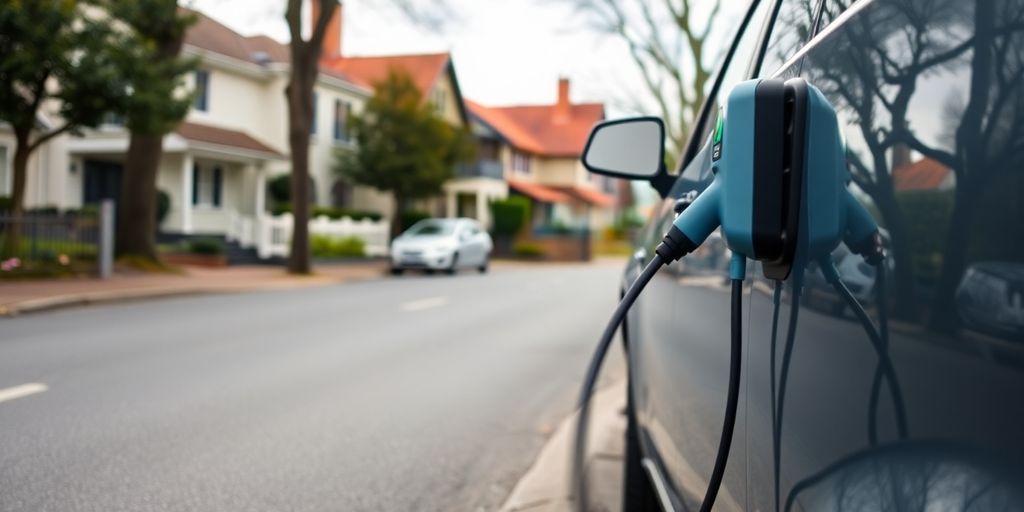
Owning an EV while relying on street parking can be quite the adventure. Many urban EV owners share tales of creativity and improvisation. One user from Capitol Hill, DC, described the challenge of finding affordable charging stations nearby. They mentioned that while some supermarkets offer charging options, not all are operational, making it a bit of a scavenger hunt. Another user in Houston shared their experience of using a J1772 extension cable to charge their EV parked on the street, emphasizing its weatherproof nature and suitability for Level 2 charging.
Advice from Experienced Owners
Experienced EV owners on Reddit often advise newcomers to invest in portable chargers and extension cords. They highlight the importance of planning your charging schedule to avoid range anxiety. Some suggest scouting for charging stations during off-peak hours to ensure availability. Additionally, many recommend checking local regulations, as some cities are introducing restrictions on street parking for EVs.
Common Misconceptions
A common misconception among new EV owners is the belief that charging infrastructure is universally accessible and reliable. Reddit users frequently discuss the reality that charging stations can be out of service or inconveniently located. They also point out the misconception that street parking with an EV is straightforward, when in fact, it often involves strategizing and sometimes even negotiating with neighbors for optimal parking spots. Despite these challenges, many owners find the benefits of driving an EV outweigh the inconveniences.
Future of EV Charging Infrastructure
Trends in Urban Development
Urban areas are rapidly evolving to accommodate electric vehicles (EVs). Cities are integrating more charging stations into public spaces like parking garages and retail lots. The rise of curbside charging is a game-changer, especially in densely populated areas. This trend not only makes EV charging more accessible but also encourages more people to switch to electric cars. As urban planners design new developments, they are increasingly considering the need for sustainable infrastructure, including EV charging stations.
Government Initiatives
Governments worldwide are pushing for cleaner energy solutions. Many are offering incentives for installing EV chargers, such as tax breaks and grants. These initiatives aim to reduce the reliance on fossil fuels and support the transition to electric vehicles. In some areas, local governments are even mandating the inclusion of charging stations in new residential and commercial buildings, ensuring that the infrastructure grows alongside the demand.
Technological Advancements
The technology behind EV charging is advancing quickly. We’re seeing innovations like faster charging times and more efficient battery technology. Solid-state batteries, which promise quicker charging and longer life spans, are on the horizon. Additionally, companies are developing portable chargers and wireless charging solutions, which could soon become mainstream. These advancements are crucial as they address the current limitations of EV charging, making it more convenient for users, especially those relying on street parking.
Tips for Managing EV Charging Without a Garage
Planning Your Charging Schedule
When you don’t have a garage, planning your charging schedule becomes crucial. It’s all about timing and location. Start by identifying public charging stations near your home, work, and frequent hangouts. Use apps like PlugShare or ChargePoint to find the best spots. Consider charging during off-peak hours to avoid crowds and potentially lower costs. If your workplace offers charging options, make it a habit to top up your EV there. This way, you’re not solely reliant on public chargers.
Utilizing Charging Apps
Charging apps are a lifesaver for EV owners without a garage. They help you locate available chargers, check real-time availability, and even pay for charging sessions. Some apps offer route planning features, ensuring you never run out of juice on the road. Look for apps that support multiple charging networks, so you’re not limited to just one provider. This flexibility can make a big difference, especially in urban areas with varying charging infrastructure.
Finding Nearby Charging Stations
Finding charging stations nearby is easier than you might think. Many cities are expanding their EV infrastructure, making it more convenient for drivers. Check out local parking lots, shopping centers, and even hotels that offer charging facilities. Some residential areas are integrating EV charging stations into existing lots, which is a huge plus for community accessibility. Keep an eye out for new installations and don’t hesitate to explore different neighborhoods if it means a more reliable charging experience.
Community Support for EV Owners
Building Local Networks
Creating a supportive community for electric vehicle (EV) owners starts with establishing local networks. These networks can be informal groups or organized clubs where members share tips, tools, and resources. Connecting with local EV enthusiasts can help you find nearby charging stations and even get advice on the best routes for long drives. These networks often hold meet-ups, allowing members to discuss their experiences and challenges, fostering a sense of camaraderie.
Organizing Charging Events
Organizing charging events is a proactive way to bring the community together while addressing the common challenge of accessing charging stations. These events can be as simple as gathering at a local park or as organized as a city-wide EV rally. During these events, owners can showcase their vehicles, share charging tips, and even discuss the benefits of EV ownership. Such gatherings not only strengthen community ties but also raise awareness about the need for more charging infrastructure.
Collaborating with Local Businesses
Local businesses can play a crucial role in supporting EV owners. Partnering with businesses to install charging stations in their parking lots can provide convenient charging options for customers and employees. Businesses benefit from increased foot traffic, while EV owners gain more charging locations. Encouraging local businesses to participate in these initiatives can significantly improve the charging landscape in urban areas, making it easier for everyone to access the power they need.
As the number of electric vehicles continues to rise, fostering community support becomes essential in creating a more accessible and efficient charging network for all.
Wrapping Up: Street Parking and EV Charging
So, if you’re one of those folks who only has street parking, charging your EV can seem like a bit of a puzzle. But don’t worry, it’s not impossible. Sure, it might take a bit more planning and maybe some creative thinking, but there are ways to make it work. Public charging stations are popping up more and more, and some cities are even starting to install street-side chargers. It’s all about finding what works best for you and your routine. Maybe it’s a mix of public charging and a bit of patience. And who knows, as more people switch to electric, the infrastructure will likely catch up. So hang in there, because better charging days are on the horizon.
Frequently Asked Questions
Can I charge my electric car if I only have street parking?
Yes, you can charge your electric car with street parking by using public charging stations or portable chargers. Some cities are also starting to install street-side chargers.
Is it safe to use an extension cord to charge my EV from the street?
Using an extension cord across the sidewalk can be unsafe and is often not recommended due to potential tripping hazards and weather exposure.
How can I find nearby charging stations?
You can use various apps and websites like PlugShare or ChargePoint to locate nearby charging stations, check their availability, and see user reviews.
Are there any community initiatives for street charging?
Yes, some communities organize initiatives to install more street chargers or share charging resources among neighbors.
What should I do if my local area lacks charging infrastructure?
You can petition local authorities to invest in EV infrastructure or collaborate with neighbors to find alternative solutions.
How often should I charge my electric vehicle?
It depends on your driving habits. Regularly charging at home or using public stations when necessary can keep your EV ready for use.
