


More and more people are getting electric cars these days. For folks who own their homes, setting up a charger is usually pretty straightforward. But if you live in an apartment, it can be a bit trickier. Even though a lot of renters want to charge their EVs where they live, landlords sometimes aren’t too keen on putting in the money for electrical upgrades. This article will talk about how apartment dwellers can work with their landlords to make EV charging happen, covering things like how much electricity you’ll use, what the charge rate might be, and what it all means for your apartment complex.
Key Takeaways
- EV charging in apartments is becoming a big deal, and it’s something more and more renters are looking for.
- Level 2 chargers are usually the best bet for apartment buildings because they’re practical and make financial sense.
- Talking with your landlord is super important to figure out the best way to get chargers installed and handle costs.
- Showing landlords the benefits, like attracting new tenants and keeping current ones happy, can help convince them to invest.
- Understanding how much electricity EV charging uses and picking the right payment plan is key for both tenants and property managers.
Understanding Apartment EV Charging Fundamentals
Diverse EV Charging Options for Residents
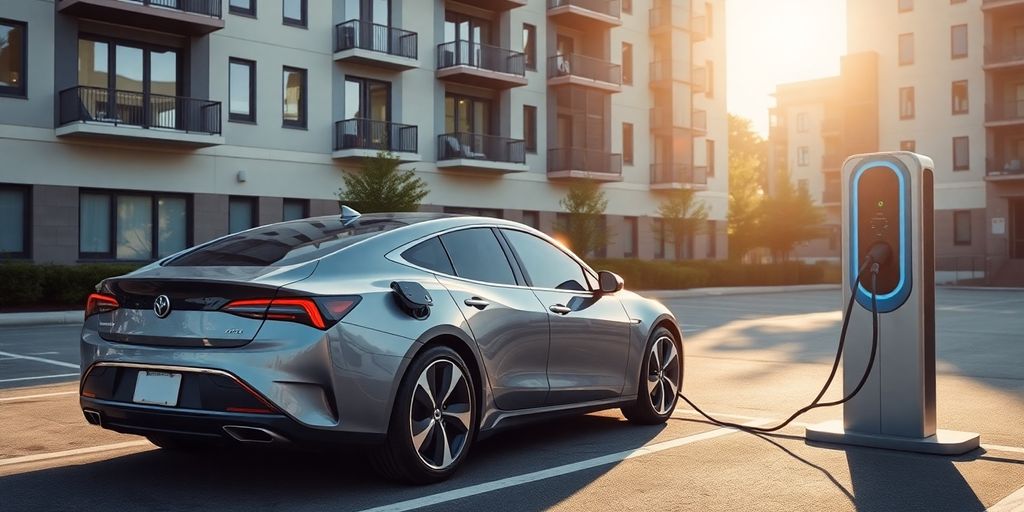
So, you’re an apartment dweller with an EV, huh? Or maybe you’re thinking about getting one. Either way, understanding your charging options is step one. It’s not as simple as just plugging into any old outlet. There are different levels, each with its own speed and requirements. Level 1 is your standard 120V outlet – the kind you use for, like, a lamp. It’s slow, really slow. Think adding only a few miles of range per hour. Level 2 is where it’s at for most folks. It uses a 240V outlet, similar to what your dryer uses, and can add a decent amount of range per hour. Then there’s DC fast charging, but that’s usually for commercial stations, not apartments. The practicality of each option really depends on your driving habits and how much time your car sits idle. If you’re barely driving, Level 1 might cut it. But for most, Level 2 is the sweet spot. It’s worth looking into EV charging options to see what fits your needs.
The Practicality of Level 2 Chargers for Apartments
Let’s be real, Level 1 charging in an apartment setting is usually a no-go unless you drive like, 10 miles a week. Level 2 chargers are the more practical solution for apartment residents. They offer a significantly faster charging rate, making it feasible to replenish your battery overnight. The big question is, how do you get one? Well, that’s where things get tricky. It usually involves working with your landlord or property manager to install the necessary equipment. This might mean electrical upgrades, dedicated circuits, and potentially even new panels. But the payoff is worth it – waking up to a fully charged EV every morning is a game-changer. Plus, having Level 2 chargers can be a major selling point for the apartment complex, attracting more EV-driving tenants. It’s a win-win, really. I’d recommend checking out EV charging systems to get a better idea of what’s involved.
Assessing Electrical Infrastructure for EV Charging
Okay, so you’re sold on Level 2 charging. Now comes the not-so-fun part: figuring out if your building’s electrical system can handle it. This is where you’ll need a qualified electrician to come in and do a load calculation. They’ll assess the existing electrical capacity and determine if there’s enough juice to support additional EV chargers. If not, you might need to upgrade the electrical panel or even run new wiring. This can be a significant expense, but it’s a necessary one. Without proper electrical infrastructure, you risk overloading the system, which can lead to power outages or even fires. It’s also important to consider future needs. If more tenants start driving EVs, you’ll want to make sure the system can handle the increased demand. Planning ahead is key. Don’t forget to look into electrical upgrades to ensure everything is up to par.
Navigating Challenges and Solutions for Apartment EV Charging
Addressing Upfront Costs and Billing Models
One of the biggest hurdles to getting EV chargers in apartments is the initial cost. It’s not cheap to install these things, and landlords are often hesitant to shell out the money. A good way to tackle this is by exploring available incentives and working with your landlord to create a fair billing system. Maybe tenants pay a bit extra each month, or there’s a pay-per-use setup. Here’s a simple example of how costs could be recovered:
| Billing Model | Description * Electrical upgrades might also be necessary. A qualified electrician can perform a load calculation for the rental property and determine whether a new panel is needed to support EV charging and future electrification projects.
Overcoming Space Constraints in Apartment Complexes
Parking can be a nightmare in many apartment buildings. Adding EV chargers can make it even tougher. One solution is to get creative with parking layouts. Can you restripe spaces to fit more chargers? Could you implement a parking management system that allows residents to reserve charging spots? Also, think about shared charging stations. Not everyone needs to charge at the same time. Multifamily EV charging can be a great solution.
Fostering Collaboration Between Tenants and Landlords
Communication is key. Landlords and tenants need to talk openly about EV charging. Tenants can show there’s demand by creating petitions or surveys. Landlords can explain the costs and benefits. By working together, they can find solutions that work for everyone. Here are some ways to improve collaboration:
- Hold regular meetings to discuss EV charging progress.
- Create a tenant-landlord committee focused on sustainability.
- Use online forums or apps to share information and gather feedback.
The Logistics of EV Charging in Rental Properties
Rental properties present unique challenges when it comes to EV charging. Apartments, multifamily units, and even office buildings each have their own set of logistical considerations. It’s not as simple as just plugging in! Let’s break down some key aspects.
Strategic Placement of Charging Stations
Where you put the chargers matters a lot. They need to be convenient and accessible for residents, but also meet electrical code requirements. Think about things like clearance and potential weather exposure. Indoor charging stations might be better in some climates, while outdoor ones could be more practical in others. Consider the existing parking layout and how easily cables can reach vehicles. You might need to rethink parking space assignments to make the most of the available charging spots. Don’t forget to factor in accessibility for people with disabilities, ensuring compliance with ADA guidelines. A well-thought-out plan prevents headaches down the road.
Managing Access to Charging Equipment
If the landlord is footing the bill for the charging equipment and charging tenants for usage, you’ll need a system to regulate access. This could involve assigning specific charging spots, using a commercial EV charging setup with RFID cards or a mobile app for authentication, or even building a separate parking structure dedicated to EV charging. The goal is to ensure fair use and prevent any one tenant from hogging the chargers. Consider implementing a reservation system to allow tenants to book charging time in advance. This can help reduce conflicts and ensure that everyone gets a chance to charge their vehicles. Clear communication about the rules and procedures is key to a smooth operation.
Tenant-Initiated Charging Station Installation
What if your landlord isn’t on board with installing charging stations? You might be able to explore the possibility of installing one yourself. This usually requires the property owner to provide a dedicated parking space with access to electricity. It works best if you already have an assigned parking spot near an electrical source. However, you’ll need to get the landlord’s approval and ensure that the installation meets all safety and code requirements. Be prepared to cover the EV charging costs yourself, including the equipment and installation. It’s also a good idea to have a written agreement with the landlord about what happens to the charging station if you move out. Will it become property of the building, or can you take it with you?
Advocacy and Action for Apartment EV-Friendliness
Gauging Tenant Interest Through Surveys
Okay, so you want EV chargers in your apartment complex? The first step is figuring out if anyone else cares. Surveys are your best friend here. You need to show your landlord there’s actual demand, not just your personal wish. A simple online survey can do the trick. Ask questions like:
- Do you currently own an EV?
- Are you considering buying an EV in the next EV charging stations year or two?
- Would having EV charging on-site influence your decision to rent here?
- How much extra would you be willing to pay per month for access to EV charging?
Getting a good response rate is key. Post flyers in common areas, send emails (if you have a tenant directory), and maybe even offer a small incentive for completing the survey. The more data you have, the stronger your case will be.
Presenting a Cost-Benefit Analysis to Landlords
Landlords are business people. They care about numbers. You can’t just say, "EV chargers are cool!" You need to show them the money. Do some research and put together a cost-benefit analysis. Start by estimating the installation costs. Get quotes from a few local electricians. Then, look into available incentives and rebates. There might be state or local programs that can help offset the cost.
Next, estimate the potential revenue. How much can the landlord charge for EV charging? Look at other apartment complexes in the area that offer EV charging and see what they’re charging. You can also survey your fellow tenants to see what they’d be willing to pay. Finally, factor in the potential benefits, like increased property value and tenant retention. Present all of this in a clear, concise report. A simple table can be really effective:
| Item | Estimated Cost/Benefit | Notes |
|---|---|---|
| Installation Costs | $X,XXX | Includes equipment and labor |
| Rebates/Incentives | -$Y,YYY | From state and local programs |
| Monthly Charging Income | $Z,ZZZ | Based on X users paying $Y per month |
| Increased Property Value | $A,AAA | Estimate based on comparable properties with EV charging |
| Tenant Retention | tenant retention % increase | Reduced turnover costs |
Highlighting Environmental and Retention Benefits
Okay, so maybe the numbers aren’t amazing. That’s fine. You can still make a strong case by highlighting the environmental and retention benefits. More and more people care about sustainability. Having EV chargers on-site can attract environmentally conscious tenants. This can give the apartment complex a competitive edge and improve its reputation. Plus, offering EV charging can give tenants an additional reason to stay. It’s a valuable amenity that can reduce turnover and save the landlord money in the long run. Here’s a few points to bring up:
- Environmental Responsibility: Showcasing the complex’s commitment to reducing its carbon footprint.
- Attracting Eco-Conscious Tenants: Appealing to a growing demographic of environmentally aware renters.
- Improved Tenant Satisfaction: Providing a convenient and desirable amenity for EV owners.
Don’t be afraid to get creative. Maybe you can partner with a local environmental group to promote the apartment complex. Or, you could organize an EV awareness event for tenants. The key is to show the landlord that EV charging is not just a fad, but a valuable asset that can benefit everyone.
Financial Considerations for Apartment EV Charging
Estimating Electricity Consumption for EV Charging
Okay, so you’re thinking about getting EV chargers for your apartment complex? Great! But before you jump in, let’s talk numbers. Figuring out how much electricity your tenants will actually use is super important. It’s not just about guessing; you need to get a handle on potential costs. Think about how many EVs are already in your complex, and how many more might show up if you install chargers.
- Consider the average miles driven per day by your tenants.
- Research the energy consumption (kWh per mile) of different EV models.
- Factor in charging efficiency losses (it’s not a perfect process!).
With this info, you can estimate the total kWh needed per day, week, or month. This helps you predict your electricity bill increase. You can use this information to calculate the cost of charging an electric vehicle.
Choosing the Right Rate Plan for Apartment Complexes
Once you know how much juice your tenants will be using, it’s time to pick a rate plan. Don’t just stick with the standard one! Call your local utility company and ask about options specifically for EV charging. Time-of-use rates can be a lifesaver. These rates charge less during off-peak hours (like overnight) when everyone’s asleep and charging their cars.
Here’s a quick comparison:
| Rate Plan | Peak Hours Cost | Off-Peak Hours Cost | Best For… |
|---|---|---|---|
| Standard | Same all day | Same all day | Low EV adoption, consistent energy use. |
| Time-of-Use | Higher | Lower | High EV adoption, overnight charging habits. |
| Demand Response | Varies | Varies | Large scale EV charging, grid stabilization. |
Choosing the right plan can seriously cut down on expenses. It’s worth spending some time on this. You might even want to look into EV charging stations that can automatically schedule charging during off-peak times.
Understanding Subscription Levels and Overage Fees
Subscription models are becoming popular for apartment EV charging. You can offer different tiers based on usage. For example:
- Basic: Limited kWh per month, good for occasional charging.
- Standard: Moderate kWh, suitable for daily commuters.
- Premium: Unlimited kWh, for heavy users who drive a lot.
Make sure you clearly define what happens if someone goes over their limit. Overage fees can be a good way to discourage excessive use and cover extra costs. But be careful – too high, and you’ll have unhappy tenants. Transparency is key! Clearly communicate the terms and conditions to avoid surprises. Consider offering a grace period or a small buffer before charging overage fees. This can help build goodwill and prevent complaints.
Benefits of EV Charging for Apartment Complexes
Gaining a Competitive Edge in the Rental Market
Let’s face it, the rental market is tough. Anything that makes your property stand out is a win. Offering EV charging is a major draw for a growing segment of renters. It shows you’re forward-thinking and care about the environment. Think of it as a modern amenity, like a gym or a pool, but for the eco-conscious crowd. It’s a simple way to attract tenants with EVs and those who are considering making the switch.
Generating Additional Revenue Streams
EV chargers aren’t just an expense; they can be a source of income. You can charge tenants a fee for using the stations, either through a flat monthly rate or a per-charge basis. It’s like having a mini gas station on your property, but for electric cars. You could also factor the cost into the rent, justifying a slight increase for the added convenience. Here’s a simple example of how revenue could be structured:
- Pay-per-use: Charge a set amount per kWh.
- Monthly subscription: Offer unlimited charging for a fixed monthly fee.
- Included in rent: Factor the cost into the overall rent price.
Improving Tenant Retention and Satisfaction
Happy tenants are more likely to stay, and offering EV charging can significantly boost tenant satisfaction. It’s a valuable perk that makes their lives easier and saves them time. No more searching for public charging stations or waiting in line. Plus, it shows you’re invested in their needs and committed to providing a modern, convenient living experience. This gives tenants an additional reason to stay, reducing turnover and saving you money in the long run. It’s a win-win!
The Future of EV Charging in Multifamily Dwellings
Early Adoption for Market Leadership
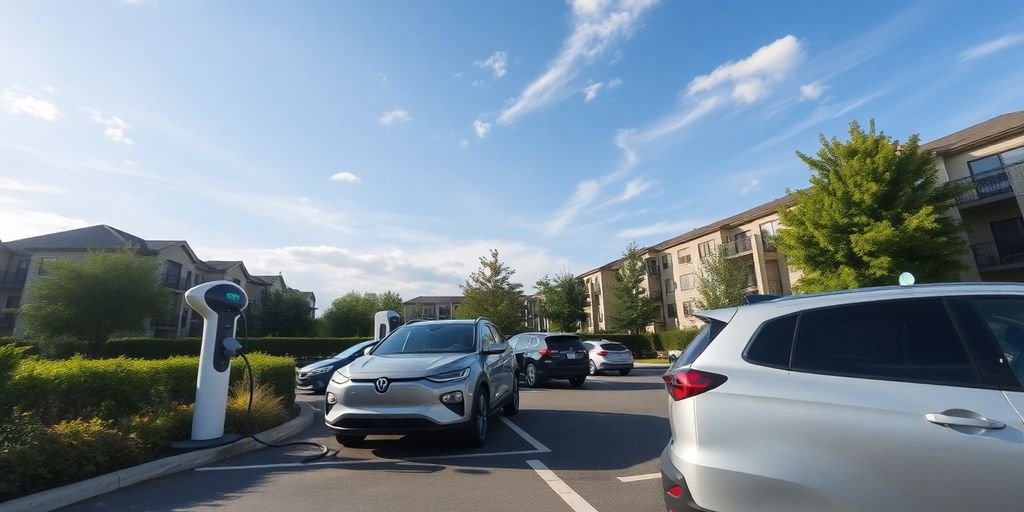
Getting in early on the EV charging trend can really set an apartment complex apart. Being one of the first in your area to offer comprehensive EV charging can attract a lot of attention and new tenants. It’s about seeing where things are headed and positioning yourself to take advantage. Think of it like this:
- First movers often get the best spots.
- Early adopters can shape the standards.
- Being ahead of the curve builds a reputation.
Partnering with Landlords for Electrification
Tenants and landlords need to be on the same page for this to work. It’s about open communication and finding solutions that benefit everyone. Maybe tenants can share data on their charging needs, or landlords can explore different billing models to make it affordable. Working together is key. Landlords can also look into electrical upgrades to support EV charging.
Leveraging Professional Installation Networks
Don’t try to DIY this stuff. Seriously. Get professionals involved. They know the codes, they know the equipment, and they can make sure everything is installed safely and correctly. Plus, they can handle any maintenance or repairs down the road. It’s worth the investment for peace of mind and to avoid any headaches. Professional installation networks can help with:
- Proper equipment selection.
- Safe and compliant installations.
- Ongoing support and maintenance.
The Road Ahead for Apartment EV Charging – Qmerit Can Help
EV charging at apartments is still pretty new, but places that get on board now will be ahead of the game. Renters can team up with landlords and share info about how many people want EV charging and why it’s a good idea. Things like getting more tenants or keeping the ones you have are big pluses. Once your landlord is ready to take the next step for your community, tell them about Qmerit. They have a huge network of certified installers in the U.S. and Canada, so they can definitely help out.
Frequently Asked Questions
How can I get EV charging at my apartment complex?
Getting electric vehicle charging at your apartment can be tricky, but it’s not impossible. First, talk to your landlord or property manager. Explain why EV charging is important to you and other tenants. You can even suggest different ways to make it happen, like shared charging stations or even installing one in your own parking spot if allowed. It’s all about working together to find a good solution.
What’s the typical cost for apartment EV charging installation?
The cost of putting in EV charging at an apartment building can change a lot. It depends on things like how many chargers are needed, what kind of electrical system the building has, and if any big upgrades are necessary. Simple home setups might cost around $1,800, but for a whole apartment complex, it can be much more complex and expensive. It’s best to get a professional to look at the building and give a real estimate.
What kind of EV chargers are best for apartments?
Most apartments that offer EV charging will likely have Level 2 chargers. These are a good middle ground because they charge cars much faster than a regular wall outlet (Level 1) but don’t require the super-powerful and expensive setup of a Level 3 fast charger, which you usually only see at public charging stations. Level 2 chargers are practical for everyday use.
Will my apartment building need electrical upgrades for EV charging?
Yes, sometimes electrical upgrades are needed. An expert electrician can check your apartment building’s electrical system to see if it can handle the new EV chargers. They might need to add new electrical panels or make other changes to make sure everything is safe and works well. This is a common part of installing EV chargers in older buildings.
What are the benefits of EV charging for apartment complexes?
Having EV charging at an apartment building is a win-win! For the property, it makes the apartments more appealing to a growing number of people who own electric cars. This can help attract new renters and keep current ones happy, maybe even allowing the complex to charge a bit more for rent or a charging fee. It also shows the property cares about the environment.
Can I install an EV charger in my apartment parking spot if my landlord won’t?
If your landlord isn’t keen on installing chargers, you could ask if you can install one yourself in your assigned parking spot, if you have one. This usually works best if there’s an electrical outlet nearby. You’d be responsible for the cost and upkeep, but it gives you the charging access you need. Always get your landlord’s permission first and make sure a professional does the installation.
